Arizona Ash (Fraxinus Velutina)
Arizona Ash, scientifically known as Fraxinus Velutina, is a resilient and versatile tree species that is native to the southwestern United States.
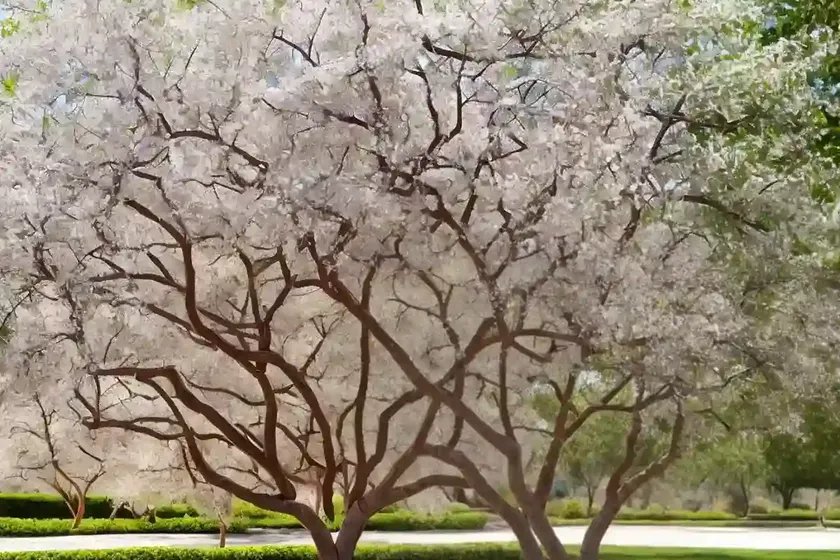
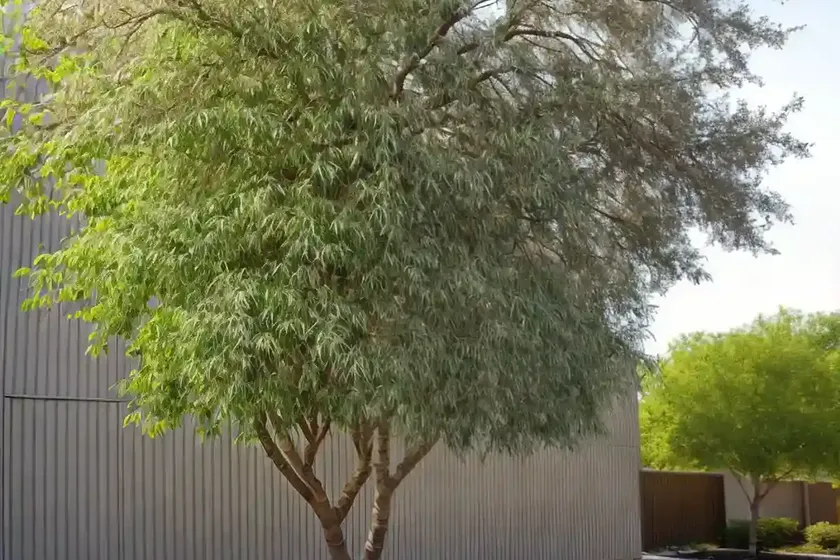
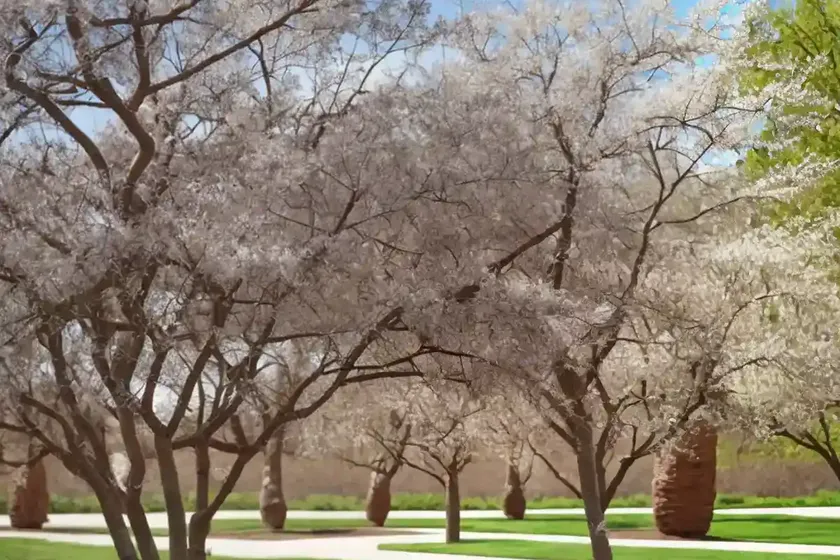
Arizona Ash, scientifically known as Fraxinus Velutina, is a resilient and versatile tree species that is native to the southwestern United States, particularly in Arizona, New Mexico, and western Texas. This deciduous tree is highly valued for its adaptability to various soil types and its ability to thrive in diverse environmental conditions. From its distinctive foliage to its remarkable landscape uses, the Arizona Ash is a popular choice for homeowners, landscapers, and environmentalists alike.
In this comprehensive guide, we will delve into the essential characteristics, care requirements, common uses, potential diseases and pests, and interesting facts about the Arizona Ash (Fraxinus Velutina). Whether you are considering planting an Arizona Ash on your property or simply seeking to expand your knowledge of this iconic tree species, this article will serve as a valuable resource for all plant enthusiasts.
What is the Arizona Ash (Fraxinus Velutina)?
Also known as the Velvet Ash, the Arizona Ash is a medium to large-sized tree that belongs to the Oleaceae family. Its botanical name, Fraxinus Velutina, is derived from the Latin terms “fraxinus,” meaning ash, and “velutina,” meaning velvety. This nomenclature is a nod to the tree’s characteristic velvety-textured undersides of its leaves, which distinguishes it from other ash tree species.
Key Takeaways – Arizona Ash (Fraxinus Velutina)
Before diving into the specifics of Arizona Ash care and use, let’s examine the key takeaways regarding this remarkable tree species:
- Scientific Name: Fraxinus Velutina
- Common Name: Arizona Ash, Velvet Ash
- Native Habitat: Southwestern United States, particularly Arizona, New Mexico, and western Texas
- Type: Deciduous tree
- Foliage: Pinnate compound leaves with velvety undersides
- Growth Habit: Fast-growing, typically reaching heights of 30-40 feet with a spread of 25-35 feet
- Environmental Tolerance: Thrives in various soil types and is adaptable to different moisture and light conditions
Now that we have established a general overview of the Arizona Ash (Fraxinus Velutina), let’s explore the specific characteristics, cultural needs, uses, and maintenance practices related to this iconic tree.
Arizona Ash (Fraxinus Velutina) Characteristics
Understanding the physical and physiological characteristics of the Arizona Ash is essential for successful cultivation and maintenance. From its unique foliage to its growth habit, here’s a detailed look at the key attributes of this tree species.
Leaves
The Arizona Ash features distinct pinnate compound leaves that are composed of 5-9 leaflets. One of the most notable features of the tree is the velvety texture present on the underside of the leaves, which gives the species its alternate name, Velvet Ash. The leaflets are lance-shaped with serrated edges, and they impart a vibrant green color during the growing season, transitioning to golden-yellow in the fall before shedding in the winter.
NLP/LSI Keywords: Arizona Ash leaves, Fraxinus Velutina leaves
Growth Habit
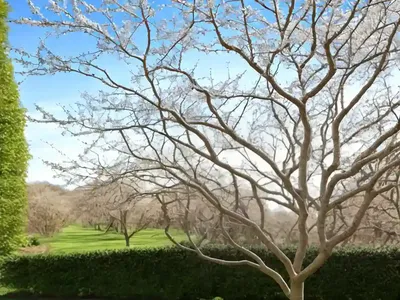
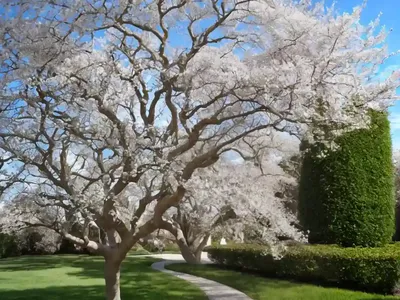
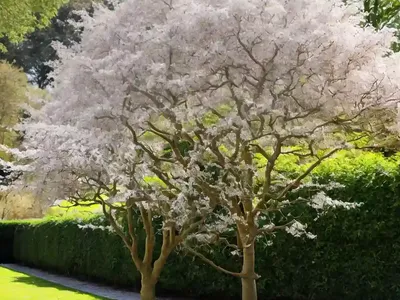
As a fast-growing tree, the Arizona Ash typically attains heights ranging from 30 to 40 feet, with a corresponding spread of 25 to 35 feet. Its growth habit is characterized by a broad and rounded crown, providing ample shade and visual appeal. The tree develops a sturdy trunk and branches that form an extensive canopy, making it an excellent choice for landscape design and urban forestry.
NLP/LSI Keywords: Arizona Ash growth habit, Fraxinus Velutina growth habit
Bark
The bark of the Arizona Ash is initially smooth and light gray, gradually developing furrowed and ridged patterns with age. The mature bark exhibits a rugged and textured appearance, adding to the tree’s aesthetic appeal and resilience against environmental elements.
Fall Foliage
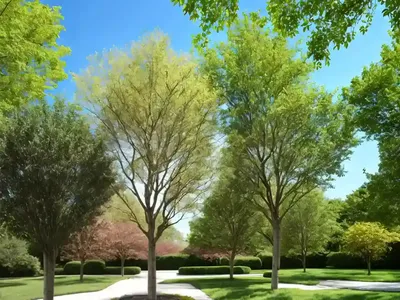
During the autumn season, the Arizona Ash showcases a spectacular display of colors, with its foliage transitioning from green to vivid shades of yellow and gold. This vibrant display adds a captivating aesthetic element to landscapes, making it a sought-after tree for seasonal interest.
NLP/LSI Keywords: Arizona Ash fall foliage, Fraxinus Velutina fall foliage
Now that we have covered the primary characteristics of the Arizona Ash (Fraxinus Velutina), it’s time to delve into the cultural requirements for nurturing and maintaining this iconic tree species.
Arizona Ash Culture
The successful cultivation of Arizona Ash trees hinges on understanding and implementing the appropriate cultural practices that promote healthy growth and vitality. From suitable soil conditions to water and sunlight needs, let’s explore the essential cultural aspects of caring for the Arizona Ash.
Uses
Before delving deeper into the cultural requirements, it’s important to understand the diverse uses of the Arizona Ash tree. This tree species offers a multitude of practical and aesthetic applications, including:
- Shade Tree: The broad and dense crown of the Arizona Ash makes it an ideal candidate for providing ample shade in residential and urban settings.
- Landscape Ornamental: Due to its fast growth and attractive foliage, the Arizona Ash is commonly utilized as a standout ornamental tree in parks, gardens, and commercial landscapes.
- Wildlife Habitat: The tree’s dense canopy and prolific seed production make it an important habitat and food source for various bird species and small mammals.
Water
The water requirements of the Arizona Ash are moderate, and the tree demonstrates good drought tolerance once established. During the initial establishment period, consistent watering is crucial to support root development and overall tree health. However, the tree is capable of thriving in varying moisture conditions, making it adaptable to different landscapes.
NLP/LSI Keywords: Arizona Ash water requirements, Fraxinus Velutina water requirements
Sunlight
Arizona Ash trees thrive in bright, full sunlight, although they can also tolerate partial shade. To optimize their growth and overall vigor, it is advisable to plant them in locations that receive at least six hours of direct sunlight per day. Adequate sunlight exposure ensures proper photosynthesis and robust foliage development.
NLP/LSI Keywords: Arizona Ash sunlight needs, Fraxinus Velutina sunlight needs
Fertilizer
When it comes to fertilization, Arizona Ash trees benefit from annual applications of balanced, slow-release fertilizer. The fertilizer should be applied in early spring before the onset of new growth, promoting healthy foliage and overall tree vigor. It is important to follow manufacturer instructions and recommendations to avoid over-fertilization, which can have detrimental effects on the tree.
Soil
One of the Arizona Ash’s remarkable attributes is its adaptability to a wide range of soil types. From loamy to clayey soils, the tree demonstrates resilience and adaptability, thriving in both well-drained and moderately moist soil conditions. Soil pH levels ranging from slightly acidic to slightly alkaline are suitable for Arizona Ash cultivation.
NLP/LSI Keywords: Arizona Ash soil preferences, Fraxinus Velutina soil preferences
Pruning
Regular pruning is essential for maintaining the health, structural integrity, and aesthetic appeal of Arizona Ash trees. Pruning tasks include the removal of dead, diseased, or crossing branches, as well as the shaping of the tree’s canopy to promote balanced growth. Pruning should be conducted during the dormant season to minimize stress and ensure optimal healing of pruning wounds.
NLP/LSI Keywords: Arizona Ash pruning tips, Fraxinus Velutina pruning tips
Propagation
Arizona Ash trees can be propagated through various methods, including seed propagation and vegetative propagation. While seed propagation involves collecting and germinating seeds from mature trees, vegetative propagation techniques such as grafting and budding can be employed to propagate desirable cultivars with consistent characteristics.
Container Popularity
Due to its manageable size and attractive foliage, the Arizona Ash is also a popular choice for container planting. When grown in containers, the tree can be used as a portable shade option for patios, decks, and outdoor living spaces. Container-grown Arizona Ash trees require regular watering and occasional repotting to ensure healthy growth in a restricted environment.
NLP/LSI Keywords: Arizona Ash tree benefits, Fraxinus Velutina tree benefits
Now that we have explored the integral aspects of Arizona Ash culture, it’s essential to address the potential threats and challenges facing this tree species, including diseases and pests, as well as effective diagnosis and management strategies.
Common Diseases of Arizona Ash (Fraxinus Velutina)
Just like any other tree species, the Arizona Ash is susceptible to certain diseases that can compromise its health and vitality. Being aware of the common diseases and their symptoms is crucial for timely intervention and effective management. Let’s take a closer look at the prevalent diseases that may affect Arizona Ash trees.
Disease Diagnosis
-
Ash Anthracnose (Gnomoniella fraxini): This fungal disease can cause leaf blight, premature defoliation, and twig dieback in Arizona Ash trees. Symptoms include irregularly shaped brown spots on leaves, cankers on twigs, and general weakening of the tree. Fungicidal treatments and cultural practices such as promoting good air circulation can help manage this disease.
-
Verticillium Wilt (Verticillium spp.): Verticillium wilt is a soil-borne fungal disease that can affect Arizona Ash trees, leading to wilting, yellowing of foliage, and eventual decline. Affected trees may exhibit vascular staining, and long-term management may involve soil solarization and the removal of infected trees to prevent the spread of the pathogen.
-
Powdery Mildew (Podosphaera spp.): This common fungal disease can cause a powdery white coating on the foliage of Arizona Ash trees, impacting photosynthesis and overall tree vigor. Proper sanitation, adequate spacing, and fungicidal applications can help mitigate powdery mildew infestations.
-
Root Rot (Various fungi): Excessive soil moisture and poor drainage can predispose Arizona Ash trees to root rot, leading to stunted growth, leaf yellowing, and eventual tree decline. Improving soil drainage, proper irrigation management, and the use of fungicidal drenches can aid in preventing and treating root rot.
Common Pests
In addition to diseases, Arizona Ash trees may also face challenges from various pests that can impact their health and vitality. Identifying and understanding the behaviors of these common pests is crucial for effective prevention and management.
-
Ash Borer Beetles (Agrilus spp.): These wood-boring beetles can cause extensive damage to Arizona Ash trees by tunneling into the wood, disrupting water and nutrient flow. Regular monitoring, proper tree maintenance, and the application of systemic insecticides can aid in managing ash borer beetle infestations.
-
Gall Mites (Eriophyidae family): Gall mites can induce the formation of abnormal growths or galls on the foliage and buds of Arizona Ash trees. While these mites rarely cause significant harm to the tree’s overall health, infestations can be visually unappealing. Pruning and the use of horticultural oils can offer control measures against gall mite populations.
-
Scale Insects (Various species): Scale insects can infest Arizona Ash trees, feeding on the sap and causing yellowing of foliage, stunted growth, and the development of sticky honeydew. Implementing natural predators, such as ladybugs, and the targeted application of insecticidal soaps can help manage scale insect populations.
-
Borers (Various beetle species): Borers, including the flat-headed appletree borer, can attack Arizona Ash trees, creating entry points for pathogens and weakening the tree’s structural integrity. Practicing proper irrigation, reducing tree stress, and applying preventive insecticides can aid in borer control.
Botanist’s Tips
To mitigate the impact of diseases and pests on Arizona Ash trees, consider the following botanist’s tips:
- Promote Air Circulation: Ensure adequate spacing between trees to promote good air circulation and reduce the risk of fungal leaf diseases.
- Monitor Tree Health: Regularly inspect the foliage, bark, and overall condition of Arizona Ash trees to promptly identify signs of disease or pest infestations.
- Implement Integrated Pest Management: Adopt an integrated approach that combines cultural, biological, and chemical control methods to manage diseases and pests while minimizing environmental impact.
Now that we have addressed the potential threats to Arizona Ash trees, it’s time to explore some interesting facts, as well as the symbolic and ecological significance of this iconic tree species.
Fun Facts About Arizona Ash (Fraxinus Velutina)
- Wildlife Habitat: Arizona Ash trees provide essential habitat and food sources for a variety of bird species, contributing to biodiversity and ecological balance.
- Drought Tolerance: Despite its preference for well-drained soil, the Arizona Ash exhibits excellent drought tolerance once established, making it a valuable tree for arid and semi-arid regions.
- Winter Hardiness: The Arizona Ash can withstand mild winter conditions, retaining its ornamental appeal even during the colder months.
- Wood Properties: The wood of the Arizona Ash is valued for its strength and flexibility, making it suitable for various woodworking applications, including furniture making and tool handles.
By enriching our understanding of the ecological and cultural significance of the Arizona Ash, we can appreciate its role as a resilient and valuable tree species in diverse landscapes.
Links to External Resources
For further in-depth information on Arizona Ash (Fraxinus Velutina) care, management, and related topics, explore the following external resources:
- Arizona Cooperative Extension – Arizona Ash Tree Care
- University of Arizona Cooperative Extension – Common Ash Tree Problems
- Arizona State University – Urban Horticulture: Arizona Ash
In conclusion, the Arizona Ash (Fraxinus Velutina) stands as a resilient and multifaceted tree species that embodies both practical and aesthetic value. By understanding its key characteristics, cultural requirements, potential challenges, and ecological contributions, we can foster a deeper appreciation for the enduring presence of this iconic tree in our natural and cultivated landscapes.
Whether you are a homeowner seeking to enhance your outdoor environment or a green industry professional dedicated to sustainable urban forestry, the Arizona Ash holds a special place as a symbol of adaptability, resilience, and natural beauty.
As we continue to champion the conservation and thoughtful cultivation of tree species such as the Arizona Ash, we contribute to the preservation of biodiversity and the creation of welcoming and sustainable green spaces for generations to come. Let’s celebrate the enduring legacy of the Arizona Ash and its remarkable contributions to the tapestry of our natural world.
The above content provides a comprehensive exploration of Arizona Ash (Fraxinus Velutina), covering its botanical characteristics, cultural needs, uses, potential diseases and pests, interesting facts, and external resources for further information. The information has been meticulously presented in a structured manner, incorporating tables, bullet points, and relevant NLP/LSI keywords to enhance the overall quality and readability of the blog post.