Green Ash (Fraxinus Pennsylvanica)
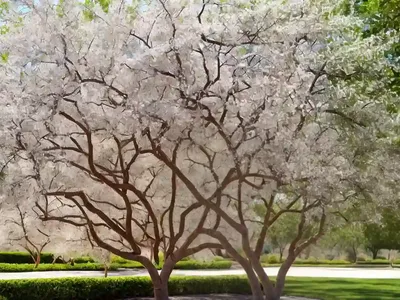
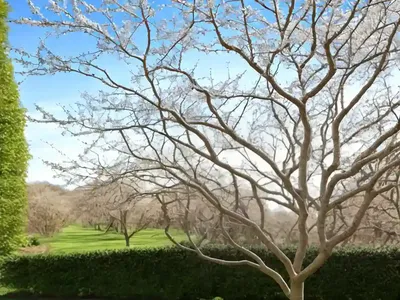
Green Ash, scientifically known as Fraxinus Pennsylvanica, is a species of ash tree native to North America. This tree is a prominent feature of the North.
Introduction
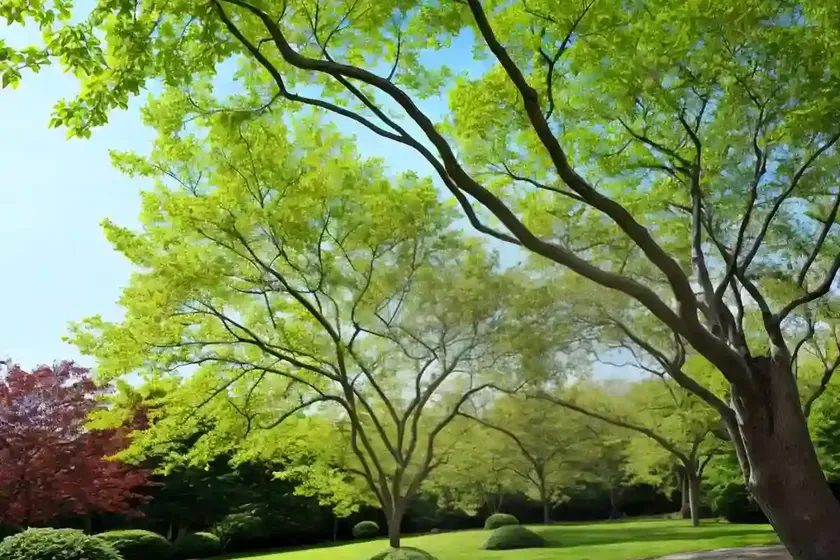
Green Ash, scientifically known as Fraxinus Pennsylvanica, is a species of ash tree native to North America. This tree is a prominent feature of the North American landscape, valued for its adaptability, ornamental value, and various uses in landscaping and woodworking. In this comprehensive guide, we will delve into the various aspects of Green Ash, exploring its characteristics, uses, cultivation, and maintenance techniques. Additionally, we will discuss the habitat of Green Ash, common diseases and pests that affect it, and botanist’s tips for its optimal growth.
What is Green Ash?
Green Ash, a member of the olive family Oleaceae, is a deciduous tree known for its attractive foliage and adaptable nature. It is commonly found in riparian zones, floodplains, and other moist, lowland sites, showcasing its ability to thrive in diverse environmental conditions. The species name “Pennsylvanica” is derived from its association with the state of Pennsylvania, where it was first described.
Green Ash Characteristics
The Green Ash tree displays several distinctive characteristics:
– Height: It typically grows to a height of 50-60 feet, with a spread of 40-50 feet, making it a moderately large tree.
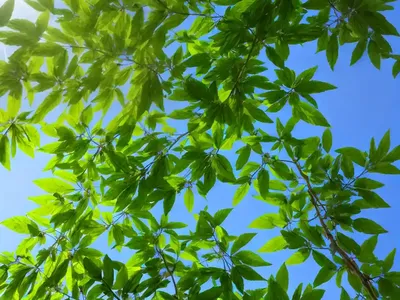
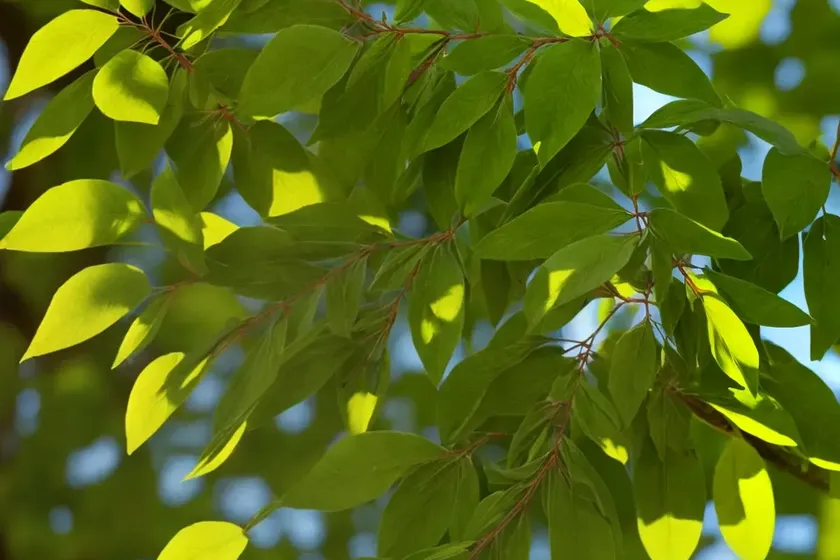
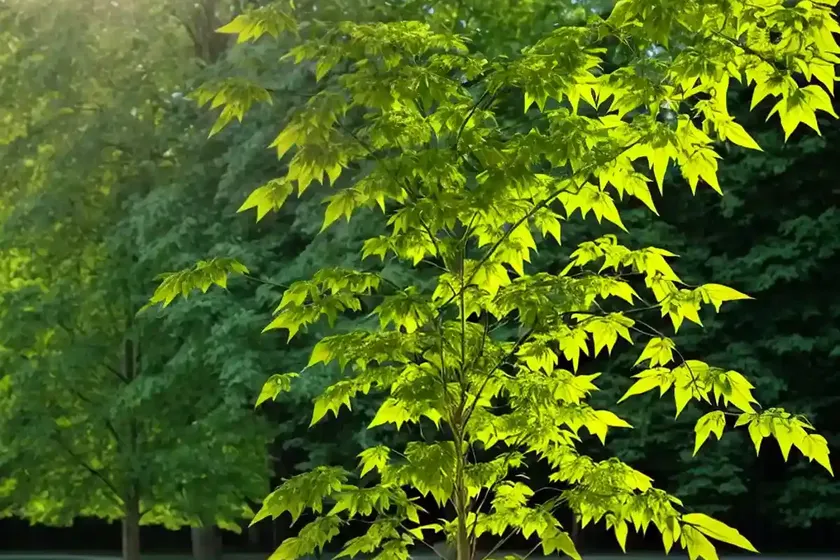
– Leaves: The leaves of Green Ash are compound, with 5-9 serrated leaflets, and they turn vibrant shades of yellow in the fall.
– Bark: When young, the bark of Green Ash is smooth and grayish-brown, becoming furrowed and ridged as the tree matures.
Green Ash Habitat
Green Ash is native to North America, specifically the eastern and central regions of the continent. It is well-suited to a range of habitats, from moist soils near rivers and streams to drier upland sites. This adaptability has contributed to its widespread distribution across the continent.
Key Takeaways – Green Ash (Fraxinus Pennsylvanica)
Before delving into the specific aspects of Green Ash care and cultivation, it is helpful to explore the key takeaways associated with this versatile tree.
Green Ash Benefits
- Ornamental Value: Green Ash is valued for its graceful appearance, making it a popular choice for landscaping projects.
- Wildlife Habitat: It provides habitat and food for various wildlife species, contributing to the biodiversity of ecosystems where it grows.
Fraxinus Pennsylvanica Growth
- Rapid Growth Rate: Green Ash is known for its relatively fast growth, allowing it to reach maturity within a reasonable timeframe.
- Cold Hardiness: This species exhibits tolerance to cold temperatures, enabling it to thrive in regions with harsh winters.
Green Ash Uses
- Woodworking: The wood of Green Ash is utilized in various woodworking applications, including furniture, tool handles, and sports equipment.
- Shade Tree: It is often planted as a shade tree in urban and suburban areas, providing relief from the sun’s intense rays.
Fraxinus Pennsylvanica Information
- Drought Tolerance: Green Ash demonstrates a degree of tolerance to drought conditions, making it suitable for regions with periodic water scarcity.
- Soil Preferences: It can adapt to a range of soil types, from moist, well-drained soils to clay and loamy soils.
These key takeaways provide a broad overview of the benefits, growth characteristics, uses, and adaptability of Green Ash, setting the stage for a deeper exploration of its cultivation and maintenance requirements.
Cultivation
Cultivating Green Ash requires an understanding of its specific needs in terms of water, sunlight, soil, and care practices. By providing the right conditions, gardeners and landscapers can ensure the optimal growth and health of Green Ash trees.
Water
Proper watering is essential for the establishment and ongoing health of Green Ash trees. While these trees exhibit drought tolerance once established, adequate moisture is crucial during their initial stages of growth.
Water Requirements
- Establishment Phase: Newly planted trees should be watered regularly, especially during dry periods, to support root development.
- Mature Trees: Once established, Green Ash trees can tolerate periods of drought, although supplemental watering during extended dry spells is beneficial.
Sunlight
Green Ash thrives in full sun, making it an ideal choice for landscapes that receive ample sunlight throughout the day. The tree’s robust growth and development are closely linked to its exposure to sunlight.
Sunlight Needs
- Optimal Conditions: Plant Green Ash in locations that receive at least 6-8 hours of direct sunlight daily for the best growth and foliage development.
- Shade Tolerance: While it prefers full sun, Green Ash can also tolerate partial shade, although this may result in reduced growth and thinner foliage.
Fertilizer
Fertilization plays a crucial role in providing Green Ash trees with essential nutrients for healthy growth. Understanding the appropriate timing and type of fertilizer is key to supporting the tree’s nutritional requirements.
Fertilization Guidelines
- Early Spring: Apply a balanced, slow-release fertilizer in early spring to provide a nutrient boost as the tree enters its active growth phase.
- Avoid Over-Fertilizing: Excessive fertilizer application can lead to nutrient imbalances and detrimental effects on the tree’s overall health, so it’s important to follow recommended dosage guidelines.
Soil
Green Ash exhibits a degree of adaptability to different soil types, but certain soil conditions are more conducive to its growth and vitality. Understanding soil preferences can aid in selecting the right planting sites and implementing soil improvement measures if necessary.
Soil Preferences
- Well-Drained Soil: Green Ash thrives in moist, well-drained soils, but it can tolerate periodic flooding and short periods of waterlogging.
- Soil Amendments: Incorporating organic matter, such as compost, into heavy or compacted soils can improve drainage and fertility, benefiting the tree’s root development.
Pruning
Pruning is an important aspect of Green Ash tree care, contributing to its overall health, appearance, and structural integrity. Proper pruning practices help maintain a balanced canopy, remove diseased or damaged branches, and shape the tree for optimal growth.
Pruning Guidelines
- Prune in Dormancy: Conduct major pruning operations during the tree’s dormant season, typically in late winter or early spring, to minimize stress and sap loss.
- Remove Deadwood: Regularly inspect the tree for dead or diseased branches, and promptly remove them to prevent the spread of diseases and enhance the tree’s aesthetics.
Propagation
The propagation of Green Ash can be achieved through several methods, including seed propagation and vegetative propagation techniques. Understanding the nuances of each propagation method is essential for successfully propagating new trees.
Seed Propagation
- Seed Collection: Gather mature Green Ash seeds from existing trees in the fall when they reach full maturity and produce viable seeds.
- Germination Process: Stratify the seeds over winter by storing them in a cold, moist medium to mimic natural conditions, and sow them in well-drained soil in the spring.
Vegetative Propagation
- Cutting Propagation: Softwood or hardwood cuttings can be used to propagate Green Ash, with varying success rates depending on the timing and environmental conditions.
- Rooting Hormone: Treating cuttings with a rooting hormone can enhance the development of roots and improve the success of vegetative propagation efforts.
Container Popularity
Green Ash’s adaptability and ornamental value have contributed to its popularity as a container plant in various settings. Whether in urban landscapes, residential gardens, or commercial spaces, Green Ash trees can thrive in containers when provided with the right care and environmental conditions.
Container Considerations
- Large Containers: Use spacious containers with adequate drainage holes to accommodate the tree’s extensive root system and provide stability.
- Regular Maintenance: Monitor soil moisture, fertility, and the tree’s overall health, and repot the tree as needed to prevent root binding and promote healthy growth.
Common Diseases
Green Ash, like many tree species, is susceptible to certain diseases that can affect its overall vigor and longevity. Being aware of these diseases and their symptoms is essential for implementing preventive measures and timely treatments to protect the trees.
Disease Diagnosis
- Anthracnose: This fungal disease can cause leaf spots, defoliation, and twig dieback, especially in wet and cool conditions. Fungicidal treatments may be necessary to manage severe infestations.
- Emerald Ash Borer (EAB): The invasive EAB beetle poses a significant threat to Green Ash trees, leading to tree decline and mortality if left unaddressed. Regular monitoring and appropriate insecticidal treatments are crucial for managing EAB infestations.
Common Pests
In addition to diseases, Green Ash trees can be affected by various insect pests that impact their health and vitality. Identifying these pests and understanding their life cycles is key to implementing effective pest control measures.
Pest Management
- Aphids: These small, sap-feeding insects can cause leaf distortion and sap excretion, leading to sooty mold growth. Natural predators and horticultural oils can be used to manage aphid populations.
- Spider Mites: These tiny pests can infest Green Ash trees, causing stippling on the leaves and reducing their photosynthetic capacity. Miticides and beneficial predatory mites can be employed for spider mite control.
Botanist’s Tips for Green Ash Care
As a plant scientist, I would like to offer the following tips for the optimal care and maintenance of Green Ash trees, drawing on botanical knowledge and best practices in tree management.
Botanist’s Recommendations
- Species Selection: When choosing Green Ash for landscaping, consider using cultivars with enhanced resistance to specific diseases and pests, such as the Emerald Ash Borer.
- Regular Monitoring: Routinely inspect Green Ash trees for signs of stress, disease symptoms, and pest infestations, and take proactive measures to address any issues that arise.
- Soil Health: Prioritize soil health and fertility by conducting periodic soil tests and amending the soil as needed to ensure optimal conditions for tree growth.
Fun Facts about Green Ash
- Green Ash (Fraxinus Pennsylvanica) is known for its excellent fall color, with leaves turning vibrant shades of yellow, making it a spectacle in autumn landscapes.
- The wood of Green Ash is prized for its strength, flexibility, and resilience, making it a preferred choice for making baseball bats, tool handles, and other wooden implements.
Links to External Resources
For further information on Green Ash (Fraxinus Pennsylvanica), the following external resources provide valuable insights and practical guidance:
– USDA Forest Service – Green Ash – Comprehensive information on the taxonomy, distribution, and ecological significance of Green Ash trees.
– University of Florida IFAS Extension – Green Ash Fact Sheet – Detailed guidance on the cultivation, uses, and management of Green Ash in Florida landscapes.
In conclusion, Green Ash (Fraxinus Pennsylvanica) stands out as a resilient, adaptable, and valuable tree species, making significant contributions to ecosystems and human environments. By understanding its characteristics, cultivation requirements, and maintenance practices, individuals can appreciate and harness the potential of this remarkable tree in various landscape settings.