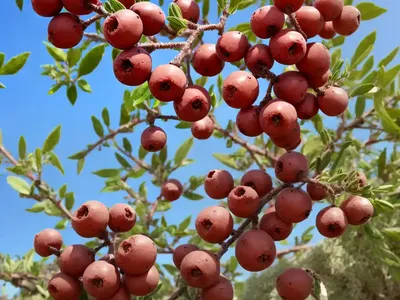
Western Poison Oak (Toxicodendron Diversilobum)
Plants have always been an integral part of our planet. They come in various shapes, sizes, and forms, and each holds its own unique qualities and.
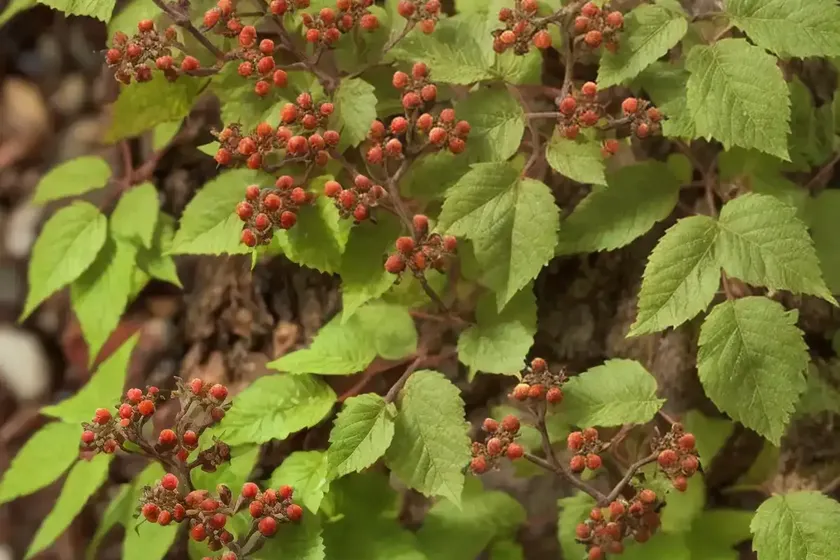
Plants have always been an integral part of our planet. They come in various shapes, sizes, and forms, and each holds its own unique qualities and characteristics. In this article, we will delve into the intriguing world of the Western Poison Oak (Toxicodendron diversilobum), exploring its cultural significance, uses, and the vital factors required for its cultivation and maintenance.
What is Plant: Western Poison Oak (Toxicodendron diversilobum)?
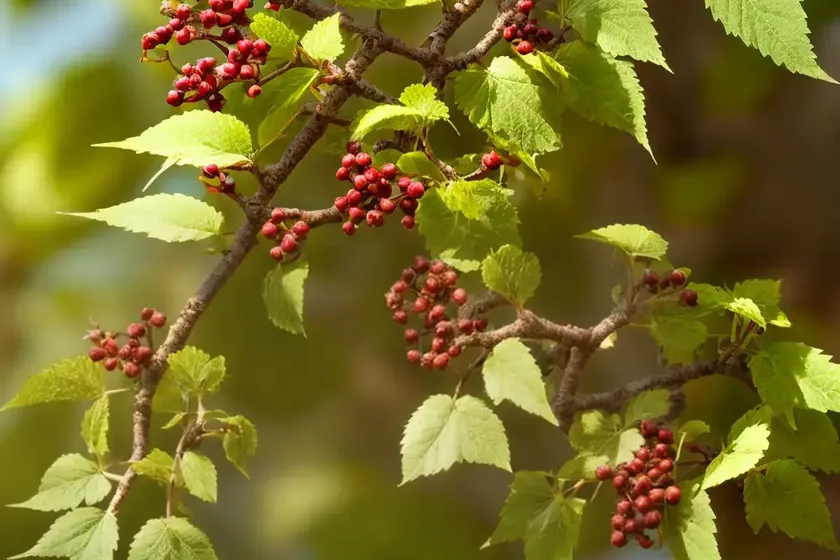
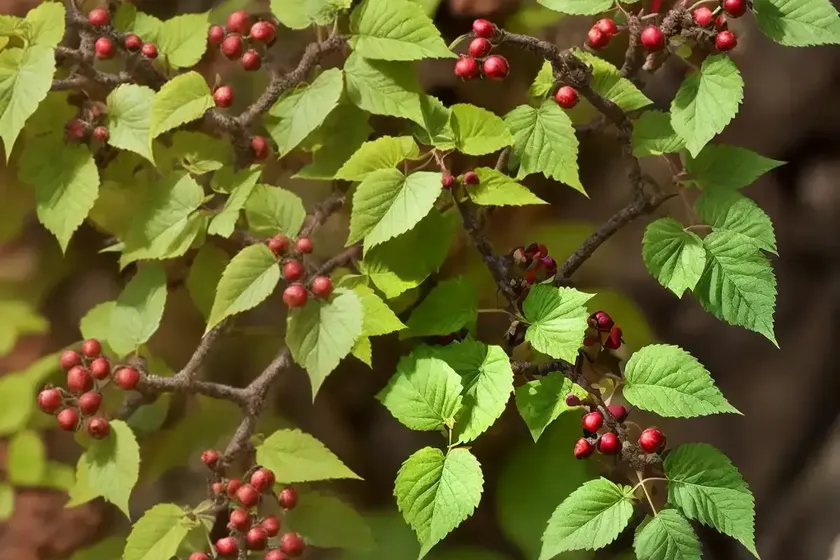
Western Poison Oak, scientifically known as Toxicodendron diversilobum, is a native plant species predominantly found in the western regions of North America. This plant is a member of the Anacardiaceae family and is renowned for its potent allergenic properties. Western Poison Oak is a deciduous shrub, featuring distinct trifoliate leaves and a woody stem that can grow up to 1 to 2 meters in height. During the autumn season, the leaves of the Western Poison Oak transition into vibrant shades of red and orange, adding to its visual allure.
Key Takeaways – Western Poison Oak (Toxicodendron diversilobum)
Before we embark on our journey of understanding the Western Poison Oak, let’s take a moment to highlight the crucial takeaways concerning this fascinating plant:
- Scientific Name: Toxicodendron diversilobum
- Family: Anacardiaceae
- Type: Deciduous shrub
- Habitat: Western regions of North America
- Distinct Features: Trifoliate leaves, woody stem, potent allergenic properties
- Autumn Transformation: Leaves transition into vivid red and orange hues
Now that we have familiarized ourselves with the basic traits of the Western Poison Oak, it’s time to explore various aspects of its culture and uses.
Culture
Cultivating and caring for Western Poison Oak requires attention to specific cultural practices to ensure its optimal growth. Let’s delve into the essential cultural elements necessary for nurturing this distinctive plant.
Water
Watering Schedule: Western Poison Oak thrives in well-drained soil and requires regular watering during its initial stages of growth. However, once established, this plant can withstand periods of drought and is moderately tolerant of dry conditions.
Watering Tips: It is crucial to allow the soil to dry out slightly between waterings to prevent root rot. Additionally, watering should be reduced during the winter season to mimic its natural environment.
Sunlight
Sun Exposure: Western Poison Oak flourishes in partial to full sunlight. When choosing a planting location, it is essential to select an area that receives ample sunlight to encourage healthy growth and vibrant foliage.
Shade Considerations: While Western Poison Oak can tolerate some shade, prolonged periods of insufficient sunlight may lead to diminished foliage and potentially affect its autumn color display.
Fertilizer
Nutrient Requirements: Western Poison Oak typically grows well in nutrient-rich soil and often does not require heavy fertilization. Organic compost or a balanced, slow-release fertilizer can be applied during the growing season to support healthy growth.
Fertilization Frequency: Fertilization should be carried out sparingly, with an emphasis on providing essential nutrients during the plant’s active growth periods in spring and early summer.
Soil
Soil Type: Western Poison Oak thrives in a variety of soil types, including loamy, sandy, or clay soils, as long as they are well-drained. The pH level of the soil should ideally range from neutral to slightly acidic for optimal growth.
Soil Moisture: Ensuring adequate soil moisture levels, without leading to waterlogging, is essential for the successful cultivation of Western Poison Oak.
Pruning
Pruning Technique: Regular pruning is vital to maintain the desired shape and size of Western Poison Oak. This process also helps in the removal of any damaged or diseased growth, promoting overall plant health.
Pruning Timeframe: It is advisable to conduct pruning during the dormant season in late winter to early spring to minimize the risk of disrupting new growth.
Propagation
Propagation Methods: Western Poison Oak can be propagated through various techniques such as seeds, cuttings, or layering. Each method requires specific attention to detail and environmental conditions to ensure successful establishment.
Seed Propagation: Collect mature seeds from the plant and sow them in prepared soil during the early spring or autumn. Adequate moisture and warmth are necessary for germination.
Cutting Propagation: Take semi-hardwood cuttings and place them in a suitable rooting medium. Provide consistent moisture and warmth to encourage root development.
Layering: Encourage the formation of roots on a selected branch by burying it partially in the soil, ensuring that it receives adequate moisture and remains undisturbed until roots develop.
Uses
Expanding on the cultural aspects, it is essential to acknowledge the varied uses of Western Poison Oak, each contributing to its significance and value.
Medicinal Properties
Traditional Remedies: Despite being notorious for its allergenic effects, some indigenous communities have utilized specific parts of Western Poison Oak in traditional medicine. The leaves and stems have been employed to alleviate conditions such as rheumatism and dermatitis.
Cautionary Note: It is crucial to approach the medicinal use of Western Poison Oak with extreme caution due to its potent allergenic nature, which can lead to severe allergic reactions in susceptible individuals.
Ecological Importance
Wildlife Habitat: Western Poison Oak plays a significant role in providing habitat and food for various wildlife species. Birds and small mammals often feed on the berries, aiding in the dispersal of seeds and contributing to the plant’s ecological impact.
Erosion Control: The extensive root system of Western Poison Oak aids in stabilizing soil, preventing erosion in certain landscapes.
Common Diseases
Despite its hardy nature, Western Poison Oak is susceptible to a few diseases and environmental stressors, which can impact its overall health and appearance.
Leaf Blight
Identification: Leaf blight is characterized by the presence of small, dark spots on the leaves, often leading to discoloration and premature leaf drop.
Management: To manage leaf blight, it is advisable to remove and destroy affected plant material to prevent the spread of the disease. Fungicidal sprays can also be applied as a preventative measure.
Powdery Mildew
Symptoms: The presence of a powdery, white substance on the foliage indicates a powdery mildew infection. This typically occurs in areas with high humidity and poor air circulation.
Control Measures: To address powdery mildew, it is essential to improve air circulation around the plant by pruning to reduce foliage density. Fungicidal treatments can also be utilized to manage the spread of this disease.
Common Pests
In addition to diseases, Western Poison Oak can also attract certain pests, which may pose a threat to its vitality.
Aphids
Identification: Aphids are small, sap-sucking insects that can be found clustered on the undersides of the leaves, causing distortion and yellowing of the foliage.
Control: Natural predators such as ladybugs and lacewings can aid in controlling aphid populations. Additionally, insecticidal soaps or neem oil can be utilized to manage severe infestations.
Spider Mites
Symptoms: Spider mite infestations often result in the appearance of webbing and stippling on the leaves. This can lead to reduced photosynthetic activity and overall plant decline.
Management: Regularly spraying the foliage with water can help deter spider mites. Additionally, the use of horticultural oils can aid in suffocating and controlling spider mite populations.
Now that we have explored the essential cultural practices, uses, and potential challenges associated with Western Poison Oak, let’s delve into some botanist’s tips for effectively maintaining and appreciating this distinctive plant.
Botanist’s Tips
-
Identify and Avoid: It is crucial to be able to distinguish Western Poison Oak from similar-looking plants to prevent accidental exposure. Familiarize yourself with its distinct trifoliate leaves and woody stem to facilitate easy identification.
-
Practicing Caution: When handling or working near Western Poison Oak, it is imperative to utilize protective clothing and gloves to prevent skin contact with the allergenic oils present on the plant.
-
Educational Awareness: Educate individuals in outdoor settings, such as parks and recreational areas, about the visual characteristics of Western Poison Oak to promote awareness and minimize inadvertent contact.
-
Monitoring and Management: Regularly inspect Western Poison Oak plants for signs of disease, pests, or encroachment into recreational areas to address concerns promptly.
-
Utilizing Barriers: Consider implementing physical barriers such as fences or mulch to prevent the encroachment of Western Poison Oak into managed landscapes and recreational spaces.
Fun Facts
Before we conclude our exploration of Western Poison Oak, here are some intriguing fun facts about this unique plant:
- The allergenic properties of Western Poison Oak are attributed to the presence of urushiol, a potent oil found in various parts of the plant.
- The distinct red and orange hues displayed by Western Poison Oak during the autumn season are a result of anthocyanins, pigments responsible for the vibrant coloration.
Now that we have gained a comprehensive understanding of Western Poison Oak, it is essential to further explore the topic through external resources and sources of information. For a more in-depth examination of the plant, including its identification, uses, and potential hazards, the following resources are highly recommended:
- The Poison Oak Identification Guide
- California Native Plant Society
- The American Academy of Dermatology – Poison Oak
- USDA Forest Service – Fire Effects Information System
In conclusion, Western Poison Oak stands as a testament to the diverse and intriguing nature of plant life. From its cultural significance to its ecological impact, this distinctive plant continues to captivate and challenge our understanding of the natural world. By embracing its unique qualities and learning to navigate its potential hazards, we can foster a deeper appreciation for the intricate tapestry of plant species that enrich our environment.
As we reflect on the complexities and allure of Western Poison Oak, let us also recognize the importance of responsible interaction with plants and the necessity of fostering awareness to ensure the well-being of both humans and the natural world at large.