West Indian Bay Tree (Pimenta Racemosa)
Plants have been an integral part of human civilization for centuries. From providing medicinal benefits to adding aesthetic appeal to our surroundings.

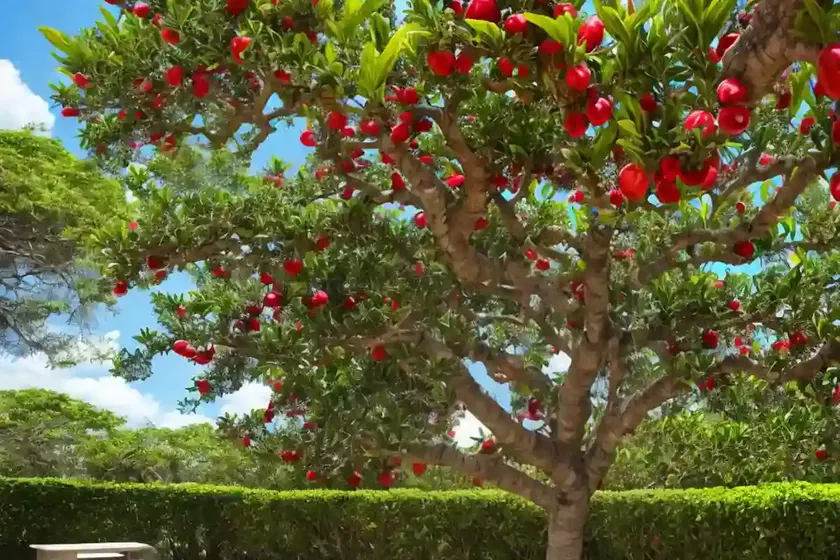

Plants have been an integral part of human civilization for centuries. From providing medicinal benefits to adding aesthetic appeal to our surroundings, plants have contributed significantly to our well-being. In this comprehensive guide, we will delve into the fascinating world of the West Indian Bay Tree, scientifically known as Pimenta Racemosa. We will explore its cultural significance, uses, care requirements, and much more. So, let’s embark on a journey to uncover the hidden treasures of this remarkable plant.
What is the West Indian Bay Tree (Pimenta Racemosa)?
The West Indian Bay Tree, botanically referred to as Pimenta Racemosa, is a species of evergreen shrub or small tree belonging to the Myrtaceae family. This plant is native to the Caribbean region, including countries like Jamaica, Cuba, and the Bahamas.
The West Indian Bay Tree is renowned for its aromatic leaves, which are highly valued for their culinary, medicinal, and aromatic properties. Its essential oil, derived from the leaves through steam distillation, is a prized commodity in the fragrance and flavor industries. Additionally, the plant holds cultural significance in traditional herbal medicine and folklore.
Key Takeaways – West Indian Bay Tree (Pimenta Racemosa)
Before we delve deeper into the specifics of the West Indian Bay Tree, let’s take a glance at the key takeaways about this fascinating plant.
- Scientific Name: Pimenta Racemosa
- Family: Myrtaceae
- Native Region: Caribbean countries, including Jamaica, Cuba, and the Bahamas
- Key Uses: Culinary, Medicinal, Aromatic, and Cultural
- Notable Feature: Aromatic leaves with significant essential oil content
- Cultural Significance: Traditional medicine, folklore, and culinary practices
Culture
Understanding the cultural significance and uses of the West Indian Bay Tree is crucial in appreciating the plant’s role in various aspects of human life.
Uses
The West Indian Bay Tree (Pimenta Racemosa) offers a myriad of uses that have been cherished for generations. Some of its key uses include:
-
Culinary Purposes: The aromatic leaves of the West Indian Bay Tree are widely used as a seasoning in Caribbean cuisine. They impart a rich and complex flavor to dishes, especially in soups, stews, sauces, and marinades.
-
Medicinal Benefits: In traditional herbal medicine, extracts from the West Indian Bay Tree are valued for their potential therapeutic properties. They are believed to have antimicrobial, antifungal, and anti-inflammatory effects.
-
Aromatic and Fragrance Industry: The essential oil extracted from the leaves is a prized commodity in the fragrance industry, used in perfumes, colognes, and aromatherapy products for its distinctive scent.
-
Cultural and Folklore Significance: The West Indian Bay Tree holds cultural significance in the Caribbean region, featuring prominently in traditional rituals, healing practices, and folklore.
Water
The West Indian Bay Tree thrives in moist, well-drained soil. When establishing a watering routine for this plant, consider the following guidelines:
-
Establishment Phase: Newly planted West Indian Bay Trees require regular watering to help them establish a strong root system. Ensure that the soil remains consistently moist, but not waterlogged, during this phase.
-
Mature Plants: Once established, the plant demonstrates good drought tolerance. However, it’s important to monitor the soil moisture, especially during dry periods, and provide supplemental watering when necessary.
Sunlight
The West Indian Bay Tree flourishes in bright, indirect sunlight. When catering to its sunlight requirements, keep the following points in mind:
-
Indoor Placement: If grown indoors, place the West Indian Bay Tree near a sunny window where it can receive ample indirect sunlight throughout the day.
-
Outdoor Positioning: For outdoor cultivation, choose a location that offers partial shade, especially during the hottest part of the day. Avoid exposing the plant to harsh, direct sunlight for prolonged periods.
Fertilizer
Proper fertilization contributes to the healthy growth and vitality of the West Indian Bay Tree. Here are some essential tips for fertilizing this plant:
-
Balanced Fertilizer: Use a balanced, slow-release fertilizer with a nitrogen-phosphorus-potassium (N-P-K) ratio of 10-10-10 or similar. Apply the fertilizer in the early spring to support the plant’s growth.
-
Frequency: Fertilize the West Indian Bay Tree annually, preferably in the early spring, to provide essential nutrients for robust foliage and overall health.
Soil
The right soil composition is vital for ensuring the well-being of the West Indian Bay Tree. Consider the following soil-related aspects when cultivating this plant:
-
Well-Draining Soil: The West Indian Bay Tree thrives in well-draining soil to prevent waterlogging, which can lead to root rot. A mix of loamy soil with good drainage properties is ideal for this plant.
-
Soil pH: The plant prefers slightly acidic to neutral soil with a pH range of 6.0 to 7.0. Conducting a soil test can help determine the pH levels and make necessary amendments.
Pruning
Pruning plays a pivotal role in shaping the growth and overall appearance of the West Indian Bay Tree. Adhere to the following pruning techniques for optimal plant care:
-
Seasonal Pruning: Conduct pruning during the early spring to remove any dead, damaged, or overgrown branches. This practice helps maintain the plant’s shape and encourages new growth.
-
Thinning Out: Periodically thin out the dense foliage to improve air circulation within the plant, reducing the risk of disease and promoting healthy growth.
Propagation
Propagating the West Indian Bay Tree allows enthusiasts to expand their plant collection and share the beauty of this species. Here are some common methods for propagating Pimenta Racemosa:
-
Softwood Cuttings: Propagate the West Indian Bay Tree from softwood cuttings taken from the new growth in the late spring or early summer. Utilize a rooting hormone to enhance the success rate of the cuttings.
-
Seed Propagation: While less common, the West Indian Bay Tree can be grown from seeds. However, this method requires patience, as the germination process may take several weeks to months.
Container Popularity
The versatile nature of the West Indian Bay Tree makes it well-suited for container cultivation, offering several benefits for both indoor and outdoor settings:
-
Indoor Decor: Container-grown West Indian Bay Trees serve as attractive indoor decor, providing a touch of greenery and a pleasant fragrance within living spaces.
-
Portability: Containers allow flexibility in positioning the plant, making it easier to move the West Indian Bay Tree to different locations based on sunlight and seasonal requirements.
-
Space Constraints: For individuals with limited outdoor space, growing the West Indian Bay Tree in containers offers the opportunity to cultivate this plant in a confined area, such as a balcony or patio.
Common Diseases
Understanding the potential diseases that can afflict the West Indian Bay Tree is crucial for implementing preventive measures and maintaining its health. Some common diseases include:
Disease Diagnosis
-
Powdery Mildew: This fungal disease appears as powdery, white patches on the leaves, caused by environmental conditions such as high humidity. Ensure good air circulation around the plant and avoid overhead watering to prevent this disease.
-
Root Rot: Overly saturated soil can lead to root rot, resulting in wilting, yellowing leaves, and stunted growth. Adjust the watering practices and improve soil drainage to prevent this condition.
Common Pests
Pests can pose a threat to the well-being of the West Indian Bay Tree. Familiarize yourself with some common pests and appropriate control measures:
Botanist’s Tips
-
Aphids: These small, sap-sucking insects can be controlled through a strong stream of water to dislodge them from the leaves. Additionally, introducing natural predators such as ladybugs can help manage aphid populations.
-
Spider Mites: Spider mites can be deterred by regularly misting the plant to increase humidity and applying insecticidal soap if infestations occur.
Fun Facts
The West Indian Bay Tree (Pimenta Racemosa) is a source of fascination for plant enthusiasts and cultural aficionados. Here are some intriguing fun facts about this remarkable plant:
-
The aromatic leaves of the West Indian Bay Tree are central to the production of Bay Rum, a fragrant lotion with a rich history in the Caribbean.
-
In Jamaican folklore, the West Indian Bay Tree is associated with various mystical and protective attributes, often regarded as a symbol of strength and resilience.
-
The essential oil extracted from the leaves of the West Indian Bay Tree is sought after for its potential therapeutic properties, including its use as a natural insect repellent.
Links to External Resources
To further enrich your knowledge about the West Indian Bay Tree and explore the diverse facets of this fascinating plant, we recommend the following external resources:
With its rich cultural heritage, aromatic leaves, and versatile uses, the West Indian Bay Tree (Pimenta Racemosa) stands as a testament to the intricate relationship between plants and human society. Whether admired for its culinary contributions, cherished for its aromatic allure, or valued for its traditional significance, this remarkable plant continues to captivate enthusiasts and researchers alike.
In this comprehensive guide, we have explored the multifaceted nature of the West Indian Bay Tree, shedding light on its cultural significance, care requirements, and uses. Armed with this knowledge, plant aficionados and enthusiasts can cultivate and appreciate the unique charms of the West Indian Bay Tree, further cementing its status as a botanical treasure.
We hope that this guide has provided valuable insights into the world of the West Indian Bay Tree and serves as a source of inspiration for further exploration into the captivating realm of plants.
By [Plant Scientist’s Name]
Ph.D. in Botany


