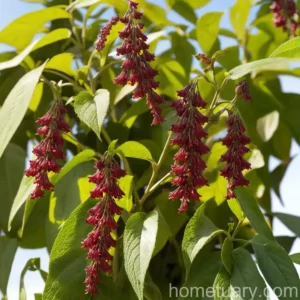
Weigela ‘Pink Poppet’: A Stunning Addition to Your Garden
Introduction
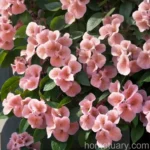
Weigela ‘Pink Poppet’ is an enchanting deciduous shrub renowned for its showy, trumpet-shaped pink blooms and delightful aroma. This cultivar, known for its compact size and low maintenance, has captured the hearts of gardeners worldwide. In this comprehensive guide, we will explore the various aspects of this captivating plant, ranging from its cultivation and maintenance to its landscape uses and ecological significance.
Key Takeaways – Weigela ‘Pink Poppet’
- Category: Deciduous shrub
- Bloom Time: Late spring to early summer
- Mature Height: 2-3 feet
- Mature Width: 3-4 feet
- Exposure: Full sun to partial shade
- Soil: Well-drained, loamy soil
- Water: Regular watering
- Maintenance: Low
What is Weigela ‘Pink Poppet’?
Weigela ‘Pink Poppet’, a member of the honeysuckle family (Caprifoliaceae), is a charming ornamental shrub that is adored for its abundant pink blossoms and compact growth habit. Its botanical name is derived from the German scientist, Christian Ehrenfried Weigel, who was a professor of botany in the 18th century. This delightful shrub is a result of careful breeding and selection, creating a plant that is not only visually stunning but also resilient and easy to cultivate.
Let’s delve deeper into the various aspects of Weigela ‘Pink Poppet’, from its cultural requirements to its role in the garden ecosystem.
Culture
Cultivating Weigela ‘Pink Poppet’ is a rewarding experience, as this shrub is relatively undemanding and brings an abundance of beauty to the landscape. Understanding its cultural needs is crucial for ensuring its optimal growth and development.
Uses
Weigela ‘Pink Poppet’ is highly versatile and can be incorporated into various settings within the garden. Its applications include:
– Border Plant: The compact size and prolific blooms make it an excellent choice for border plantings, adding a vibrant touch to garden edges and pathways.
– Mass Planting: When planted in groups, the ‘Pink Poppet’ cultivar creates a spectacular display of pink flowers, making it an ideal candidate for mass plantings.
– Container Gardening: Its manageable size and attractive blooms make it well-suited for container gardening, allowing individuals with limited garden space to enjoy its beauty on patios and balconies.
– Pollinator Gardens: The nectar-rich blossoms attract pollinators such as bees and butterflies, enhancing the ecological value of the garden.
Water
Proper watering is essential for the health and vitality of Weigela ‘Pink Poppet’. While this shrub is notably tolerant of dry conditions once established, regular watering is crucial, particularly during periods of drought or high temperatures.
The following guidelines can help ensure adequate moisture for Weigela ‘Pink Poppet’:
– Establishment Period: Newly planted specimens should be watered deeply immediately after planting and during the first growing season to encourage root establishment.
– Mature Plants: Established shrubs benefit from supplemental watering during prolonged dry spells, aiming for approximately 1 inch of water per week, either from rainfall or manual irrigation.
– Soil Moisture: While ‘Pink Poppet’ can tolerate some drought, it thrives in well-drained, consistently moist soil. Applying a layer of organic mulch around the base of the plant helps retain soil moisture and reduce water loss through evaporation.
Sunlight
Weigela ‘Pink Poppet’ flourishes in locations with abundant sunlight, although it can also tolerate partial shade. When selecting a planting site, consider the following sunlight requirements:
– Full Sun: Providing at least 6 hours of direct sunlight each day results in robust growth and profuse flowering.
– Partial Shade: ‘Pink Poppet’ can also thrive in areas with partial shade, particularly in regions with intense afternoon sun or during hot summers.
Fertilizer
Proper fertilization supports the overall vigor and flowering performance of Weigela ‘Pink Poppet’. Applying a balanced fertilizer in early spring, prior to the onset of new growth, helps provide essential nutrients for the upcoming growing season. Consider using a slow-release, granular fertilizer specifically formulated for flowering shrubs, following the manufacturer’s recommendations for application rates.
Soil
The soil composition significantly influences the health and development of Weigela ‘Pink Poppet’. The ideal soil conditions for this cultivar include:
– Well-Drained: ‘Pink Poppet’ thrives in well-drained soil to prevent waterlogging and root rot.
– Loamy Texture: A loamy soil structure, containing a balanced mixture of sand, silt, and clay, provides an optimal growing medium for this shrub.
– pH Level: The preferred soil pH range for Weigela ‘Pink Poppet’ is slightly acidic to neutral (pH 6.0-7.0), which supports nutrient uptake and overall plant health.
Pruning
Enacting a strategic pruning regimen is beneficial for maintaining the shape, enhancing flowering, and rejuvenating older growth of Weigela ‘Pink Poppet’. Pruning tasks for this cultivar may include:
- Spring Pruning: After the flowering period, conduct light pruning to remove spent blooms and shape the shrub as desired. Avoid extensive pruning at this time, as it may remove flower buds for the following year.
- Renewal Pruning: Every few years, consider more severe renewal pruning to encourage vigorous new growth and rejuvenate the plant’s appearance. This practice involves selectively removing older, thicker branches to stimulate the emergence of fresh, flowering shoots.
- Deadwood Removal: Regularly inspect the shrub for dead or diseased wood, promptly removing any compromised branches to maintain plant health.
Propagation
Propagation of Weigela ‘Pink Poppet’ can be achieved through various methods, including:
– Softwood Cuttings: Harvesting young, tender stem cuttings in late spring or early summer and rooting them in a moist, well-draining medium.
– Hardwood Cuttings: Collecting mature, woody stem cuttings in late autumn or winter and establishing them in a suitable rooting environment.
– Division: Dividing mature plants in early spring, separating the root mass into individual sections and replanting them to establish new shrubs.
Container Popularity
Weigela ‘Pink Poppet’ is particularly well-suited for container cultivation, offering versatility and charm to outdoor spaces with limited ground area. When establishing the shrub in containers, consider the following recommendations:
- Container Selection: Choose a spacious container with adequate drainage holes, allowing for optimal root aeration and moisture regulation.
- Growing Medium: Utilize a high-quality, well-draining potting mix specifically formulated for flowering shrubs to provide essential nutrients and optimal growing conditions.
- Watering: Container-grown ‘Pink Poppet’ may require more frequent watering than their ground-planted counterparts, as the soil in containers may dry out more rapidly.
- Overwintering: In regions with harsh winter conditions, protect container-grown specimens from extreme cold by insulating the pots or relocating them to sheltered areas.
Common Diseases and Pests
Weigela ‘Pink Poppet’ is generally resilient to most pests and diseases, demonstrating a remarkable degree of natural resistance. However, certain issues may occasionally affect the plant, warranting attention and appropriate management strategies.
Common Diseases
- Powdery Mildew: This fungal disease often manifests as a powdery, white coating on the foliage, compromising the plant’s aesthetic appeal. To mitigate powdery mildew, promote good air circulation, avoid overhead watering, and consider applying fungicidal treatments when necessary.
- Leaf Spot: Characterized by dark, irregular spots on the leaves, this bacterial or fungal affliction may require sanitation measures and, in severe cases, the application of targeted fungicides.
Disease Diagnosis
Diagnosing and addressing diseases in Weigela ‘Pink Poppet’ involves careful observation and prompt intervention to prevent escalation. Key steps for disease diagnosis and management include:
– Regular Monitoring: Routinely inspect the shrub for any signs of discoloration, wilting, or unusual growth patterns.
– Correct Identification: Accurately identify the specific disease affecting the plant, as different pathogens may necessitate distinct treatment approaches.
– Cultivation Practices: Emphasize cultural practices that promote overall plant health and resilience, such as proper watering, pruning, and soil management.
Common Pests
While Weigela ‘Pink Poppet’ is generally resistant to pest infestations, occasional encounters with certain insects may occur, including:
– Aphids: These small, sap-sucking insects can distort new growth and excrete sticky honeydew, attracting further pest issues. Control measures may include horticultural oils, insecticidal soaps, or natural predators such as ladybugs.
– Spider Mites: These diminutive arachnids may cause stippling and discoloration of the foliage. Increasing humidity and employing targeted miticides can help manage spider mite populations.
Botanist’s Tips
Gardeners seeking to cultivate Weigela ‘Pink Poppet’ can benefit from the following expert recommendations to enhance its growth and overall performance:
- Mulching: Apply a layer of organic mulch around the base of the shrub to conserve soil moisture, suppress weeds, and insulate the roots during temperature fluctuations.
- Pollinator Support: Embrace “wild” gardening by allowing certain areas of the garden to remain natural, serving as valuable habitats for pollinators and beneficial insects.
Our Fascinating World of Weigela ‘Pink Poppet’
This delightful shrub showcases an array of captivating attributes and functions within the garden, contributing to the tapestry of natural beauty and ecological balance. As we explore the Weigela ‘Pink Poppet’ landscape, it becomes apparent that this plant holds immense value in both aesthetic and environmental contexts.
Fun Facts
Uncover the enchanting world of Weigela ‘Pink Poppet’ with these intriguing facts:
– The trumpet-shaped flowers of ‘Pink Poppet’ attract hummingbirds, adding an additional dimension of wildlife appeal to the garden.
– This cultivar was developed through careful breeding and selection, resulting in a plant that combines beauty with resilience, making it suitable for a wide range of garden settings.
Links to External Resources
For further exploration of Weigela ‘Pink Poppet’ and related topics, we recommend the following resources:
– The Royal Horticultural Society – Weigela ‘Pink Poppet’
– University of Florida IFAS Extension – Fact Sheet: Weigela spp.
Conclusion
Weigela ‘Pink Poppet’, with its striking pink flowers, compact stature, and adaptability, stands as a perennial favorite in gardens worldwide. This comprehensive guide has shed light on the cultural requirements, propagation methods, and ecological significance of this enchanting shrub. By embracing the charm and resilience of Weigela ‘Pink Poppet’, gardeners can create vibrant, wildlife-friendly landscapes that embody both natural splendor and environmental stewardship.