Common Ginger (Zingiber Officinale)
Welcome to the wonderful world of common ginger, scientifically known as Zingiber officinale. This versatile and fragrant plant has been cherished for its.
Introduction
Welcome to the wonderful world of common ginger, scientifically known as Zingiber officinale. This versatile and fragrant plant has been cherished for its culinary, medicinal, and ornamental values for centuries. In this comprehensive guide, we will delve into the various aspects of common ginger, including its cultural requirements, uses, propagation methods, and tips for effective care. Whether you are an experienced gardener or a novice plant enthusiast, this guide will provide you with valuable insights into cultivating and enjoying the remarkable common ginger.
What Is Common Ginger (Zingiber officinale)?
Common ginger, Zingiber officinale, is a perennial flowering plant that belongs to the Zingiberaceae family. Native to Southeast Asia, this plant is widely cultivated for its underground rhizomes, which are commonly used as a spice, flavoring agent, and herbal remedy. The distinctive aroma and flavor of ginger make it an essential ingredient in various cuisines and traditional medicines around the world.
Apart from its culinary and medicinal significance, common ginger also possesses stunning ornamental attributes, making it a popular choice for gardeners seeking to add beauty and functionality to their landscapes.
Key Takeaways – Common Ginger (Zingiber officinale)
Before we dive into the specific aspects of growing and caring for common ginger, here are the key takeaways that we will explore in detail:
- Culture: Understanding the cultural requirements of common ginger is essential for its successful growth and development.
- Uses: Common ginger has a wide range of uses, including culinary, medicinal, and ornamental applications.
- Water: Proper water management is crucial for maintaining the health and vigor of common ginger plants.
- Sunlight: Adequate sunlight is vital for the growth and productivity of common ginger.
- Fertilizer: Knowing the right fertilization practices can significantly impact the quality and yield of common ginger.
- Soil: The choice of soil and its preparation play a pivotal role in the overall well-being of common ginger plants.
- Pruning: Proper pruning can help maintain the shape and vitality of common ginger, promoting vigorous growth.
- Propagation: Learning the various propagation methods is essential for expanding your common ginger collection.
- Container Popularity: Common ginger is well-suited for container gardening, offering versatility and convenience.
- Common Diseases: Recognizing and managing common ginger diseases is fundamental for plant health.
- Disease Diagnosis: Identifying symptoms and signs of diseases can aid in timely intervention and control measures.
- Common Pests: Dealing with common pests effectively is crucial for protecting common ginger plants.
- Botanist’s Tips: Expert tips and insights can enhance your common ginger growing experience.
- Fun Facts: Discover some fascinating and lesser-known facts about common ginger.
- Links to External Resources: Explore additional references and resources for further information on common ginger.
Now, let’s embark on a journey to explore the captivating world of common ginger, uncovering its remarkable attributes and the best practices for nurturing these remarkable plants.
Culture of Common Ginger (Zingiber officinale)
Understanding the cultural requirements of common ginger is fundamental for creating an optimal growing environment. From planting to harvesting, every stage of common ginger cultivation demands careful attention to ensure successful growth and bountiful harvests.
Planting Common Ginger
Planting Time: Common ginger is ideally planted in early spring, providing ample time for the plants to establish themselves before the onset of summer. In regions with mild winters and consistent temperatures, it can also be planted in late autumn.
Rhizome Selection: When selecting rhizomes for planting, choose healthy, firm rhizomes with well-developed buds or eyes. The eyes are small, greenish buds or protrusions on the surface of the rhizomes, from which new shoots will emerge.
Soil Preparation: Prepare the planting site by incorporating organic matter, such as compost or well-rotted manure, into the soil. Common ginger thrives in loose, well-draining soil with a slightly acidic to neutral pH (6.1–7.5).
Depth and Spacing: Plant the rhizomes at a depth of about 2–4 inches (5–10 cm) and space them 8–10 inches (20–25 cm) apart. Ensure that the buds or eyes are facing upward when planting.
Watering Common Ginger
Water Requirements: Common ginger plants require consistent moisture, especially during the growing season. However, it is essential to avoid waterlogging, as excessive soil moisture can lead to root rot.
Watering Frequency: Water the plants thoroughly after planting and maintain regular watering, especially during dry periods. Mulching the soil around the plants can help retain moisture and reduce water evaporation.
Drainage: Ensure that the planting site has good drainage to prevent water from accumulating around the roots. Raised beds or mounds can be beneficial for improving drainage in heavy or poorly draining soils.
Sunlight for Common Ginger
Light Requirements: Common ginger thrives in partial shade to filtered sunlight. While it can tolerate some direct sunlight, especially during the morning hours, excessive sun exposure can scorch the leaves and affect plant health.
Shade Considerations: When grown in regions with intense sunlight, providing afternoon shade or dappled light can protect the plants from heat stress and sunburn.
Fertilizing Common Ginger
Nutrient Needs: Common ginger benefits from regular applications of balanced fertilizers to support its growth and the development of flavorful rhizomes.
Fertilizer Selection: Choose a complete, organic fertilizer with a balanced NPK (nitrogen, phosphorus, and potassium) ratio. Additionally, consider using fertilizers high in potassium to promote rhizome formation and enhance flavor.
Application Frequency: Apply fertilizer every 4–6 weeks during the growing season, starting from early spring and continuing through late summer.
Application Method: Broadcast the fertilizer evenly around the base of the plants, taking care to avoid direct contact with the rhizomes or stems. Water the plants after fertilization to facilitate nutrient absorption.
Soil Requirements for Common Ginger
Soil Type: Common ginger thrives in well-draining, loamy soil that is rich in organic matter. Avoid heavy clay soils or waterlogged areas, as they can lead to root rot and poor growth.
Soil pH: The ideal soil pH for common ginger ranges from 6.1 to 7.5. Conduct a soil test to determine the pH of the planting site and make necessary amendments to adjust the pH if needed.
Organic Matter: Incorporating organic matter, such as compost, aged manure, or leaf mold, into the soil can improve its structure, fertility, and moisture-holding capacity.
Pruning Common Ginger
Removing Foliage: As common ginger matures, older leaves may yellow and decline. Prune back the yellowing foliage to enhance the plant’s appearance and redirect its energy towards developing new growth.
Deadheading Flowers: If your common ginger plant produces flowers, deadhead the spent blooms to promote continuous flowering and prevent seed formation, which can divert the plant’s energy from rhizome production.
Pruning Frequency: Regularly monitor the plant for any signs of disease or pest infestations, and promptly remove affected plant parts to prevent further spread.
Propagation Methods for Common Ginger
Division: One of the most common propagation methods for common ginger is division, in which the rhizomes are separated into smaller pieces, each with at least one viable bud or eye. Propagate in early spring before new growth emerges for the best results.
Rhizome Cuttings: Select healthy, disease-free rhizomes and cut them into sections, ensuring that each section has at least one viable bud. Plant the rhizome cuttings in appropriately sized containers or directly in the garden soil.
Seed Propagation: While common ginger can be grown from seeds, this method is less common due to the extended time required for seed germination and the variability in seedling characteristics.
Container Popularity of Common Ginger
Container Selection: Common ginger is well-suited for container gardening, making it an excellent choice for those with limited garden space or for indoor cultivation.
Container Size: Select a container that is at least 12–16 inches (30–40 cm) in diameter and 12–18 inches (30–45 cm) deep to provide ample space for the rhizomes to grow and expand.
Drainage Holes: Choose containers with adequate drainage holes to prevent waterlogging and ensure good air circulation around the roots.
Soil Mix: Use a well-draining potting mix with added compost or organic matter to provide essential nutrients and promote healthy root development.
Indoor Cultivation: Common ginger can be grown indoors in a sunny location, such as near a south-facing window, provided that it receives sufficient light and warmth.
Uses of Common Ginger (Zingiber officinale)
Culinary Uses
Flavoring Agent: Common ginger is prized for its distinct, spicy-sweet flavor, making it a popular addition to both sweet and savory dishes. Grate or mince fresh ginger to add a burst of flavor to stir-fries, curries, marinades, sauces, and baked goods.
Tea Infusions: Brew ginger tea by steeping fresh or dried ginger slices in hot water. Ginger tea is renowned for its invigorating aroma and potential health benefits, making it a soothing beverage choice.
Candied Ginger: Create candied ginger by simmering ginger slices in a simple syrup and then coating them in sugar. Candied ginger can be enjoyed as a standalone treat or used as an ingredient in confections and desserts.
Pickled Ginger: Traditional in Japanese cuisine, pickled ginger, also known as gari, is served with sushi to cleanse the palate between bites. Its tangy, slightly spicy flavor complements the richness of sushi and sashimi dishes.
Medicinal Uses
Digestive Aid: Common ginger is celebrated for its potential to alleviate digestive discomfort, such as nausea, indigestion, and motion sickness. Ginger supplements and teas are commonly used for their soothing effects on the stomach.
Anti-Inflammatory Properties: The bioactive compounds present in common ginger, especially gingerol, have been studied for their anti-inflammatory effects, potentially offering relief from joint pain and stiffness.
Immune Support: Some traditional practices incorporate common ginger as a natural immune booster, particularly during cold and flu seasons. The warming properties of ginger are believed to promote overall wellness.
Natural Remedies: Common ginger is a key ingredient in many traditional herbal remedies and natural health tonics, supporting various aspects of well-being.
Ornamental Uses
Landscape Enhancement: Common ginger plants with their attractive foliage and occasional blooms can enhance the aesthetic appeal of gardens and outdoor living spaces.
Container Gardening: Common ginger is well-suited for container cultivation, adding a touch of tropical elegance to patios, balconies, and indoor settings.
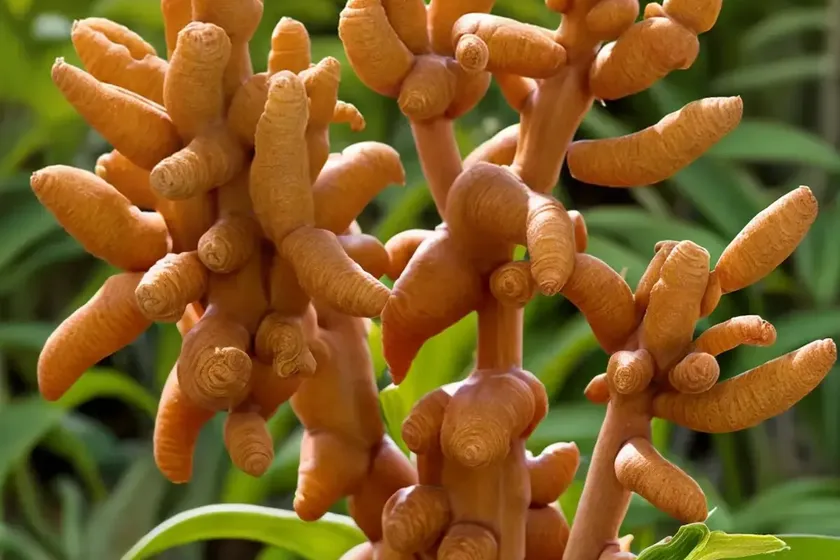
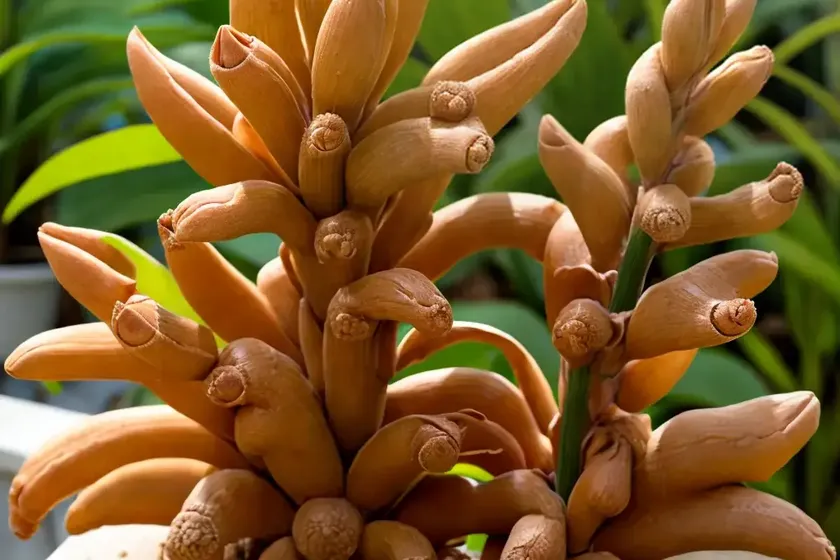
Cut Flower Arrangements: The striking inflorescences of common ginger, known as ginger flower cones, can be clipped and used in floral arrangements, bringing a tropical flair to bouquets and displays.
The versatility of common ginger as a culinary, medicinal, and ornamental plant makes it a valuable addition to any garden or indoor living environment. By exploring its diverse uses, you can fully appreciate the multifaceted nature of this remarkable plant.
Watering Common Ginger (Zingiber officinale)
The proper management of water is fundamental for the health and productivity of common ginger plants. As with any plant, understanding the watering requirements, avoiding common watering mistakes, and implementing effective watering strategies are crucial for fostering optimal growth and abundant yields.
Watering Frequency
Establishment Phase: After planting common ginger rhizomes, ensure that the soil remains consistently moist but not waterlogged to facilitate the initial establishment of the plants.
Growing Season: Throughout the growing season, maintain regular watering to meet the plant’s moisture needs, especially in warm or dry weather conditions. Adjust the watering frequency based on weather patterns and soil moisture levels.
Avoid Overwatering: While common ginger appreciates adequate moisture, it is essential to prevent overwatering, as waterlogged soil can lead to root rot and other detrimental conditions.
Mulching Benefits: Apply a layer of organic mulch, such as straw, shredded bark, or dried leaves, around the base of the common ginger plants to conserve soil moisture and suppress weed growth.
Watering Methods
Direct Watering: Use a watering can or a gentle hose attachment to water the soil directly, aiming to moisten the soil around the base of the plants without splashing water onto the leaves or stems excessively.
Morning Watering: Whenever possible, water common ginger plants in the morning to allow excess moisture on the foliage to evaporate before evening, reducing the risk of fungal diseases.
Drip Irrigation: Consider using a drip irrigation system to deliver water directly to the root zone, promoting efficient water use and reducing water waste.
Signs of Water Stress
Wilting Leaves: If the common ginger plants exhibit signs of wilting or drooping leaves despite adequate moisture in the soil, it may indicate underwatering or root-related problems.
Yellowing Foliage: Overwatering can lead to yellowing or browning of the leaves, especially if the soil remains consistently waterlogged.
Soil Moisture Testing: Regularly check the soil moisture level by inserting a finger into the soil to a depth of a few inches. If the soil feels dry at this depth, it is time to water the plants.
By paying close attention to the watering needs of common ginger and adopting appropriate watering practices, you can create an optimal growing environment that encourages robust growth and abundant harvesting.
Sunlight Requirements for Common Ginger (Zingiber officinale)
Adequate sunlight is essential for the growth, development, and productivity of common ginger plants. Understanding the sunlight requirements, managing light exposure, and providing suitable shading when necessary are key considerations for optimizing the growing conditions for common ginger.
Light Intensity
Partial Shade: Common ginger thrives in partial shade to filtered sunlight, where it receives bright, indirect light for a significant portion of the day. Avoid exposing the plants to intense, direct sunlight, especially during the hottest part of the day.
Morning Sun: While common ginger can tolerate some direct morning sun, providing dappled light or shading it from harsh midday and afternoon sun can prevent leaf scorching and heat stress.
Indoor Cultivation: When growing common ginger indoors, place the plants near a south-facing window or in a location where they can receive bright, indirect light throughout the day.
Light Duration
Daily Duration: Aim for a daily light duration of 6–8 hours for common ginger plants, ensuring that they receive enough light to support photosynthesis and overall plant vitality.
Artificial Lighting: If natural light is limited, supplement the plants with grow lights to meet their light requirements, especially during the darker months of the year.
Sun Exposure Considerations
Leaf Scorching: Excessive sun exposure can lead to leaf scorching and sunburn on the foliage, affecting the plant’s ability to photosynthesize and produce energy.
Temperature Regulation: Providing adequate shading can help regulate the temperature around the plants, preventing overheating and reducing the risk of heat-related stress.
Indoor Considerations: When growing common ginger indoors, periodically rotate the pots to ensure uniform light exposure and prevent the plants from leaning towards the light source excessively.
By optimizing the light conditions for common ginger and implementing suitable shading strategies as needed, you can foster healthy, thriving plants that are primed for abundant growth and productivity.
Fertilizing Common Ginger (Zingiber officinale)
Applying the right fertilizers in the correct manner is crucial for enhancing the growth, vigor, and productivity of common ginger plants. Understanding the nutrient requirements, selecting appropriate fertilizers, and adhering to proper application practices are essential for ensuring the well-being of common ginger throughout the growing season.
Nutrient Requirements
Macronutrients: Common ginger requires essential macronutrients, including nitrogen (N), phosphorus (P), and potassium (K), to support its vegetative growth, flowering, and rhizome development.
Secondary Nutrients: Calcium, magnesium, and sulfur play important roles in supporting overall plant health, root development, and nutrient uptake.
Micronutrients: Trace elements such as iron, manganese, zinc, copper, boron, and molybdenum are also crucial for common ginger, albeit in smaller quantities, to maintain balanced nutrition.
Fertilizer Selection
Organic vs. Synthetic: Choose organic fertilizers, such as well-rotted compost, aged manure, or organic granular blends, to enrich the soil and provide slow-release nutrients to the common ginger plants.
Balanced Formulations: Opt for complete, balanced fertilizers with a near-equal NPK ratio or slightly higher levels of potassium to support rhizome development and flavor enhancement.
Liquid Fertilizers: Supplement the soil with liquid organic fertilizers, such as seaweed extracts or fish emulsion, to provide an immediate nutrient boost when the plants are actively growing.
Application Guidelines
Early Spring: Begin fertilizing common ginger in early spring as new growth emerges, applying a balanced organic fertilizer according to the manufacturer’s recommendations.
Frequency: Apply fertilizers approximately every 4–6 weeks during the growing season, tapering off as the plants approach dormancy in late autumn.
Watering After Application: After applying fertilizers, water the plants thoroughly to encourage nutrient uptake and prevent potential burn from concentrated fertilizers.
Avoiding Overfertilization: A cautious approach to fertilization is recommended, as excessive nitrogen can lead to lush foliage growth at the expense of rhizome formation.
Root Zone Application
Even Distribution: Broadcast the fertilizer evenly around the base of the common ginger plants, extending slightly beyond the drip line to reach the outermost roots.
Surface Application: Gently work the fertilizer into the top few inches of the soil without disturbing the rhizomes, ensuring that it can be readily absorbed by the root system.
Mulching Benefits: After fertilization, mulch the soil to lock in moisture, suppress weed growth, and facilitate the gradual release of nutrients from the organic matter.
By providing appropriate nutrients through strategic fertilization and adhering to best practices, you can optimize the growth, flavor, and overall quality of common ginger, ensuring a bountiful harvest and robust plant health.
Soil Requirements for Common Ginger (Zingiber officinale)
The choice of soil and its preparation are critical factors that significantly influence the growth, health, and productivity of common ginger plants. Understanding the soil preferences, making necessary amendments, and creating an ideal planting environment are essential for fostering optimal conditions for common ginger cultivation.
Soil Type
Well-Draining Loam: Common ginger thrives in well-draining loamy soil with a loose, crumbly texture that allows water to percolate through easily, ensuring that the rhizomes remain free from excess moisture.
Organic Matter Content: Incorporating organic matter, such as compost, well-rotted manure, or leaf mold, can improve the soil structure and fertility, providing essential nutrients for the plants.
Avoiding Compaction: Prevent soil compaction by refraining from heavy foot traffic or using heavy machinery near the common ginger planting area.
Soil pH
Optimal Range: Common ginger prefers a slightly acidic to neutral soil pH, typically ranging from 6.1 to 7.5, for optimal nutrient uptake and rhizome development.
Soil Testing: Conduct a soil test using a pH testing kit or submit a