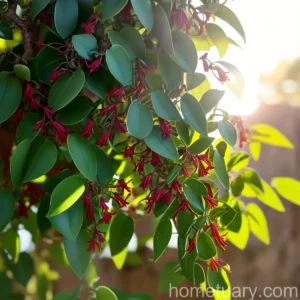
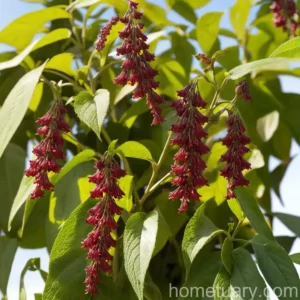
All About Weigela (Weigela florida ‘Verweig 6’ SONIC BLOOM)
The Weigela florida ‘Verweig 6’ SONIC BLOOM, commonly known as Weigela, is a popular flowering shrub cherished for its abundant, colorful blooms and ease of care. As a plant scientist, I’m excited to share everything you need to know about this beautiful plant, including its culture, uses, maintenance, and much more. Throughout this comprehensive guide, I will delve into the intricacies of the Weigela plant, providing key insights for both gardening enthusiasts and horticulture professionals.
What is Weigela (Weigela florida ‘Verweig 6’ SONIC BLOOM)?
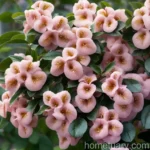
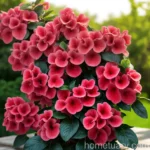
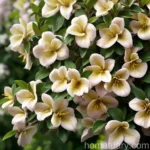
Weigela florida ‘Verweig 6’ SONIC BLOOM is a cultivar of Weigela florida, a deciduous shrub native to East Asia. This ornamental shrub is valued for its striking flowers, which are available in a variety of colors, including pink, red, and white. With its compact size and beautiful blooms, Weigela is commonly used in landscaping, gardens, and as a focal point in mixed borders.
The SONIC BLOOM series, featuring the ‘Verweig 6’ variety, is particularly revered for its extended blooming period, which extends from spring into the summer months. This prolonged flowering season makes it a standout choice for adding vibrant color and visual interest to outdoor spaces.
Key Takeaways – Weigela (Weigela florida ‘Verweig 6’ SONIC BLOOM)
Before we delve into the specifics of cultivating and caring for Weigela, let’s highlight some key takeaways about this exceptional plant:
- Weigela florida ‘Verweig 6’ SONIC BLOOM is a flowering shrub known for its colorful and abundant blooms.
- The SONIC BLOOM series is celebrated for its extended blooming period, providing continuous visual appeal in outdoor settings.
- This cultivar is prized for its compact size and attractive foliage, making it a versatile choice for various gardening and landscaping applications.
Culture
Cultivating Weigela requires an understanding of its cultural needs, including water requirements, sunlight exposure, soil preferences, and more. By providing the optimal growing conditions, you can ensure that your Weigela thrives and produces a stunning display of blooms. Let’s explore the cultural requirements of Weigela in detail.
Water
Proper watering is essential for the health and vitality of Weigela plants. As a general guideline, newly planted Weigela shrubs should be watered regularly to establish a strong root system. After the initial establishment period, Weigela plants are relatively drought-tolerant, but they benefit from occasional deep watering during dry periods to support healthy growth and prolific flowering.
During periods of prolonged drought or heat, be sure to monitor the soil moisture levels around your Weigela plants and provide supplemental water as needed to prevent stress and dehydration. However, it’s crucial to avoid overwatering, as excessive moisture can lead to root rot and other issues. A layer of mulch around the base of the shrub can help retain soil moisture and regulate the temperature of the root zone.
Sunlight
Weigela thrives in full sun to partial shade, making it adaptable to a wide range of light conditions. However, to ensure the best flowering display, it is recommended to plant Weigela in a location that receives at least six hours of direct sunlight per day. In regions with hot summers, providing some afternoon shade can help protect the plant from heat stress and sunburn.
When selecting a planting site for Weigela, consider the intensity and duration of sunlight exposure throughout the day to establish an ideal growing environment for this ornamental shrub.
Soil
Weigela plants prefer well-draining soil with a slightly acidic to neutral pH. Amending the soil with organic matter, such as compost or well-rotted manure, can improve soil structure and fertility, promoting robust growth and abundant flowering.
Before planting Weigela, perform a soil test to assess the pH and nutrient levels of the planting site. Based on the results of the soil test, you can make targeted adjustments to create an optimal growing environment for your Weigela shrubs.
Fertilizer
Applying a balanced fertilizer formulated for flowering shrubs can support the growth and blooming potential of Weigela plants. A slow-release fertilizer applied in early spring can provide essential nutrients over an extended period, promoting healthy foliage and prolific flowering.
It’s important to follow the manufacturer’s recommendations regarding application rates and timing when fertilizing Weigela. Avoid over-fertilization, as excessive nitrogen can lead to excessive foliage growth at the expense of flower production.
Pruning
Pruning is a key aspect of Weigela maintenance, helping to shape the plant, control its size, and promote a bountiful display of blooms. Proper pruning techniques can also rejuvenate older shrubs and remove dead or damaged wood, contributing to the overall health and vigor of Weigela plants.
Pruning Guidelines
The best time to prune Weigela is after the flowering period has concluded, typically in late spring or early summer. By pruning immediately after the blooming season, you can encourage vigorous regrowth and ensure the development of new flower buds for the following year.
When pruning Weigela, start by removing any dead, diseased, or damaged branches to improve the overall health and appearance of the shrub. Additionally, you can selectively prune to shape the plant and remove any crossing or overcrowded branches.
Propagation
Weigela plants can be propagated through various methods, including stem cuttings, division, and layering. Each propagation technique offers unique advantages and can be employed to create new plants from existing Weigela specimens.
Propagation by Stem Cuttings
Propagating Weigela from stem cuttings is a popular method for producing genetically identical clones of the parent plant. Here’s a basic overview of the process:
- Select a healthy, non-flowering stem from the parent plant, and cut a 4- to 6-inch section just below a leaf node.
- Remove the lower leaves from the cutting, leaving 2 to 3 sets of leaves at the top.
- Dip the cut end of the stem in a rooting hormone to promote root development.
- Plant the cutting in a well-draining potting mix, and water it thoroughly.
- Place the potted cutting in a warm, bright location with indirect sunlight, and maintain consistent moisture levels until roots develop.
Once the roots have established, the new Weigela plant can be transplanted into a permanent location in the garden or a larger container.
Division
Dividing established Weigela plants is another propagation method that can be used to create multiple plants from a single parent specimen. This technique is typically employed when dividing overgrown or clumping varieties of Weigela.
To propagate Weigela by division:
- Carefully dig up the established Weigela plant, taking care to minimize root damage.
- Using a sharp, clean tool, divide the plant into sections, ensuring that each division has a sufficient number of stems and a healthy root system.
- Plant the divisions in prepared soil, and water them thoroughly to promote recovery and establishment.
Layering and other propagation methods can also be utilized to propagate Weigela, providing flexibility in the creation of new plants for your garden or landscape.
Container Popularity
Weigela is well-suited to container cultivation, offering a compact size and attractive foliage and flowers that enliven outdoor spaces. When grown in containers, Weigela can be showcased on patios, balconies, and other areas where traditional in-ground planting is not feasible.
Selecting a large container with ample drainage holes is essential for successfully growing Weigela in a container. Prioritize a well-draining potting mix formulated for shrubs and outdoor plants, and position the container in a location that receives adequate sunlight for optimal growth and flowering.
Container-grown Weigela should be provided with regular watering and fertilization to support healthy growth and flowering. Additionally, it’s important to monitor the root zone of container plants, as they are more susceptible to temperature fluctuations and moisture stress compared to in-ground shrubs.
Common Diseases and Pests
Weigela is generally resistant to most common diseases and pests, particularly when grown in suitable growing conditions and provided with proper care. However, it’s important to be vigilant for signs of potential issues that can affect the overall health and appearance of Weigela plants.
Disease Diagnosis
Some of the common diseases that can affect Weigela include:
-
Powdery Mildew: This fungal disease can manifest as a white, powdery coating on the leaves and stems of Weigela plants, leading to leaf distortion and reduced vigor. Proper air circulation and the use of fungicidal sprays can help manage powdery mildew.
-
Leaf Spot: Leaf spot diseases can cause dark lesions to form on the foliage of Weigela, leading to premature leaf drop and reduced photosynthetic capacity. Pruning affected branches and ensuring proper sanitation practices can help control leaf spot diseases.
Common Pests
Weigela plants are occasionally susceptible to attack by certain insect pests, including:
-
Aphids: These small, soft-bodied insects can congregate on the tender new growth of Weigela, causing leaf distortion and the production of sticky honeydew. Insecticidal soaps and horticultural oils are effective for controlling aphid infestations.
-
Spider Mites: Spider mites can infest Weigela plants, particularly in hot, dry conditions, causing stippling, webbing, and overall decline in plant health. A strong blast of water or the application of insecticidal sprays can help manage spider mite populations.
Botanist’s Tips
As a plant scientist, I have some valuable insights and tips for cultivating and enjoying Weigela in your garden or landscape. Consider the following suggestions to maximize the ornamental appeal and longevity of your Weigela plants:
- Select a suitable planting site that provides ample sunlight and well-draining soil for optimal growth and flowering.
- Incorporate a layer of mulch around the base of Weigela plants to conserve soil moisture, suppress weed growth, and insulate the root zone.
- Prune Weigela plants annually to shape the shrub, remove dead or damaged wood, and promote a profusion of blooms in the following year.
Fun Facts
Weigela is a fascinating and visually stunning plant, and here are some fun facts about this beloved shrub:
- Weigela flowers are a magnet for pollinators, including bees, butterflies, and hummingbirds, contributing to the ecological value of this plant in garden settings.
- The trumpet-shaped flowers of Weigela are available in a wide range of colors, from pale pink to deep red, offering versatility in garden design and landscaping.
Links to External Resources
For further information on Weigela (Weigela florida ‘Verweig 6’ SONIC BLOOM) and related topics, I recommend the following external resources:
- Weigela florida ‘Verweig 6’ SONIC BLOOM Overview
- Weigela florida Care Guide
- Weigela florida Pruning Tips
- Weigela florida Maintenance and Landscape Uses
- Weigela florida SONIC BLOOM Series Information
In conclusion, Weigela (Weigela florida ‘Verweig 6’ SONIC BLOOM) is a captivating and versatile flowering shrub that can elevate the aesthetic appeal of gardens and landscapes. With proper culture, maintenance, and care, Weigela plants can thrive and enchant with their vibrant blooms, making them a prized addition to outdoor settings. Whether used as a focal point, border plant, or container specimen, Weigela’s beauty and resilience make it a standout choice for horticultural enthusiasts and landscape professionals alike.