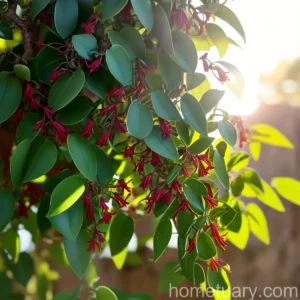
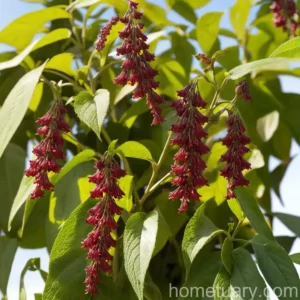
Weigela ‘Olympiade’ BRIANT RUBIDOR: A Comprehensive Guide

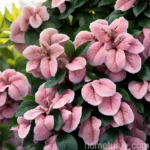
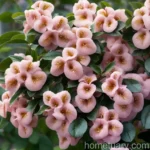
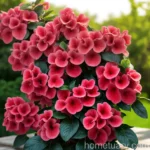
Weigela ‘Olympiade’ BRIANT RUBIDOR, commonly known as Weigela, is a beautiful and versatile shrub that is popular among gardeners and landscapers for its stunning flowers and low maintenance requirements. This comprehensive guide will provide an in-depth understanding of this cultivar, including its culture, uses, care requirements, common diseases and pests, propagation techniques, and much more. Whether you are a seasoned gardener or a beginner looking to enhance your garden with Weigela, this guide is tailored to meet your informational needs.
What is Weigela ‘Olympiade’ BRIANT RUBIDOR?
Weigela ‘Olympiade’ BRIANT RUBIDOR, a member of the Caprifoliaceae family, is a deciduous shrub valued for its abundant, showy flowers and attractive foliage. This cultivar is cherished for its versatility, making it suitable for various landscape designs, from borders to focal points. With its vibrant colors and low maintenance nature, Weigela has become a favorite choice for gardeners seeking a visually striking and easy-to-care-for plant.
Key Takeaways
Before diving into the specifics of Weigela ‘Olympiade’ BRIANT RUBIDOR, let’s highlight the key takeaways associated with this exquisite shrub:
- Weigela ‘Olympiade’ BRIANT RUBIDOR is a versatile and visually striking cultivar, known for its vibrant flowers and foliage.
- With the right care and maintenance, Weigela can thrive in various landscape settings, from full sun to partial shade.
- Proper watering and fertilization are essential for promoting healthy growth and abundant flowering.
- Understanding common diseases and pests that affect Weigela is crucial for maintaining its health and vitality.
- Effective pruning techniques and propagation methods can help enhance the overall appearance and abundance of Weigela in a garden or landscape.
Now, let’s delve into the various aspects of Weigela ‘Olympiade’ BRIANT RUBIDOR in detail.
Culture
Uses
Weigela ‘Olympiade’ BRIANT RUBIDOR serves as a versatile landscaping plant, offering a range of uses in garden designs. Some common uses of Weigela include:
- Borders: Weigela’s vibrant flowers and foliage make it an excellent choice for creating defined borders in gardens and landscapes.
- Focal Points: The striking features of Weigela make it an ideal candidate for serving as a focal point in a garden design, drawing attention and adding visual interest.
- Mass Plantings: When planted in groups, Weigela can create visually stunning mass plantings, especially when different varieties are combined for a diverse display.
- Hedges: Due to its dense growth habit and showy flowers, Weigela can be pruned to form attractive and colorful hedges, adding beauty and privacy to outdoor spaces.
Water
Proper watering is crucial for the health and vitality of Weigela. While the specific water requirements may vary based on factors such as climate and soil type, it is generally recommended to follow these watering guidelines:
- Established Plants: Once established, Weigela typically requires regular watering, especially during dry periods. Providing a deep watering session every 7-10 days, allowing the soil to dry out slightly in between, is beneficial for the plant’s root development and overall health.
- Newly Planted Weigela: Newly planted Weigela should receive more frequent watering, ensuring that the root ball remains consistently moist until the plant establishes itself in the garden or landscape.
Sunlight
Weigela ‘Olympiade’ BRIANT RUBIDOR thrives in full sun to partial shade, displaying its best flowering potential and foliage color under adequate sunlight conditions. Understanding the sunlight requirements of Weigela is essential for optimizing its growth and visual appeal:
- Full Sun: When planted in a location that receives direct sunlight for at least 6-8 hours per day, Weigela tends to produce an abundance of flowers and maintain vibrant foliage, showcasing its full potential.
- Partial Shade: Weigela can also tolerate partial shade, especially in regions with intense afternoon sunlight. Providing partial shade can offer protection from excessive heat, particularly during the hottest part of the day.
Fertilizer
Applying appropriate fertilizer can significantly enhance the growth and blooming performance of Weigela ‘Olympiade’ BRIANT RUBIDOR. By selecting the right fertilization approach, gardeners can promote healthy foliage, abundant flowering, and overall vigor in Weigela:
- Timing: Fertilization is typically recommended in early spring, just before the onset of new growth. Applying a balanced, slow-release fertilizer at this time can provide essential nutrients for Weigela’s seasonal development.
- Type: A general-purpose, granular fertilizer with balanced NPK (nitrogen, phosphorus, and potassium) ratios, such as 10-10-10 or 12-12-12, is suitable for Weigela. Organic options, like compost or well-decomposed manure, can also be used to enrich the soil around the plant.
- Application: Gently incorporating the fertilizer into the soil around the base of the plant and watering thoroughly afterward helps distribute the nutrients to the root zone.
Soil
Understanding the soil requirements of Weigela is crucial for establishing an optimal growing environment and promoting its overall health and performance. Here are some key considerations related to the soil preferences of Weigela ‘Olympiade’ BRIANT RUBIDOR:
- Well-Draining Soil: Weigela thrives in well-draining soil, ensuring that excess water does not accumulate around the roots. Amending heavy or compacted soils with organic matter, such as compost or peat moss, can help improve drainage and enhance the overall soil structure.
- pH Level: Weigela prefers slightly acidic to neutral soil conditions, with a pH range of 6.0-7.0 being suitable for optimal growth. Conducting a soil test can provide valuable insights into the pH level and nutrient composition of the soil, guiding necessary amendments for Weigela cultivation.
- Moisture Retention: While well-draining soil is essential, ensuring that the soil retains sufficient moisture for the plant’s needs is also important. Incorporating organic matter can contribute to moisture retention while maintaining adequate drainage.
Pruning
General Pruning Techniques
Proper pruning plays a significant role in maintaining the health, shape, and flowering potential of Weigela ‘Olympiade’ BRIANT RUBIDOR. Whether it’s removing dead wood, shaping the plant, or rejuvenating older shrubs, the following general pruning techniques can be applied to Weigela:
- Timing: Pruning Weigela is typically performed after the flowering period, which is usually in late spring or early summer. This timing allows the plant to develop new growth and set flower buds for the following year.
- Deadheading: Removing spent flowers (deadheading) immediately after the bloom period not only promotes a tidier appearance but also encourages the plant to channel its energy into new growth and potential reblooming.
- Selective Branch Removal: Cutting back one-third of the oldest stems at ground level can rejuvenate overgrown or neglected Weigela shrubs, stimulating new growth and improving overall vibrancy.
Propagation
Weigela ‘Olympiade’ BRIANT RUBIDOR can be propagated through various methods, allowing gardeners to expand their collection of these beautiful shrubs or share them with others. Common propagation techniques for Weigela include:
- Softwood Cuttings: Propagating Weigela using softwood cuttings involves taking young, actively growing stems in late spring or early summer and propagating them in a moist, well-draining growing medium. With proper care and favorable conditions, the cuttings can develop roots and establish as new plants.
- Hardwood Cuttings: Hardwood cuttings, taken from mature, dormant stems in late winter, offer another effective method for propagating Weigela. These cuttings are prepared and placed in a suitable rooting medium, achieving root development over time.
- Division: Dividing established Weigela plants allows gardeners to create new individuals from the existing clumps. This method is usually performed during the plant’s dormant season, ensuring successful establishment of the divided segments.
Container Popularity
Weigela ‘Olympiade’ BRIANT RUBIDOR has gained popularity as a container plant, offering versatility and visual appeal in various settings. Whether it’s for small-space gardening, patio embellishments, or temporary displays, the container popularity of Weigela is attributed to the following factors:
- Space Optimization: Weigela’s compact growth habit and container-friendly nature make it suitable for small gardens, balconies, and urban landscapes, allowing individuals with limited space to enjoy its beauty and benefits.
- Seasonal Displays: Placing Weigela in containers provides the opportunity to change its location throughout the year, enhancing seasonal displays and accommodating different design preferences as the garden evolves.
- Outdoor Decor: Weigela in containers serves as an attractive addition to outdoor living spaces, contributing to patio, deck, or entryway décor with its vibrant flowers and foliage.
- Easy Maintenance: Container-grown Weigela is relatively low maintenance, offering convenience and flexibility for gardeners who prefer versatile plant options that require minimal care.
Container Care Guidelines
When cultivating Weigela ‘Olympiade’ BRIANT RUBIDOR in containers, certain care guidelines must be followed to ensure its health and vigor. Here are some essential considerations for container gardening with Weigela:
- Container Selection: Choose a container that accommodates Weigela’s root system, providing ample space for growth and drainage holes to prevent waterlogging. Selecting a lightweight, durable material, such as plastic or fiberglass, can offer practical advantages for maneuvering and maintenance.
- Potting Mix: Utilize a well-draining, quality potting mix suited for shrubs and ornamental plants. Incorporating organic matter can promote moisture retention while maintaining essential aeration for the roots.
- Watering: Container-grown Weigela may need more frequent watering compared to plants in the ground, as containers tend to dry out faster. Check the moisture level regularly and water the plant when the top inch of the soil feels dry, allowing excess water to drain freely from the container.
- Fertilization: Apply a balanced, slow-release fertilizer specifically formulated for container plants during the growing season. Following manufacturer recommendations for dosage and frequency helps supply essential nutrients to the Weigela.
- Winter Protection: In regions with harsh winters, insulating the container or moving it to a sheltered location can protect Weigela from extreme cold and other adverse weather conditions, ensuring its survival and vitality during the dormant period.
Common Diseases
Weigela ‘Olympiade’ BRIANT RUBIDOR, like many plants, can be susceptible to certain diseases that impact its appearance and overall well-being. Understanding common diseases and their management is vital for maintaining a healthy and vibrant Weigela in the garden or landscape:
Disease Diagnosis
Some of the common diseases that may affect Weigela include:
- Powdery Mildew: A fungal disease characterized by powdery, white patches on the leaves, stems, and buds of Weigela. Powdery mildew can lead to leaf distortion and premature leaf drop, compromising the plant’s visual appeal and vigor.
- Leaf Spot: Various fungal pathogens can cause leaf spot diseases, resulting in the formation of dark, irregular lesions on the foliage of Weigela. Severe cases of leaf spot can lead to defoliation and reduced vitality in the plant.
- Anthracnose: Anthracnose is a fungal disease that can affect the twigs, branches, and foliage of Weigela, causing sunken lesions and dieback. Infected plant parts may exhibit discoloration and reduced growth.
Disease Management
To manage and prevent common diseases in Weigela ‘Olympiade’ BRIANT RUBIDOR, several practices can be implemented:
- Cultural Practices: Promoting good air circulation around Weigela, avoiding overhead watering, and maintaining overall plant health through proper irrigation and fertilization can reduce the risk of fungal diseases.
- Pruning: Removing and disposing of infected plant parts, such as affected leaves and branches, can help limit the spread of diseases and rejuvenate the plant’s appearance.
- Fungicidal Treatments: In severe cases of powdery mildew, leaf spot, or anthracnose, applying appropriate fungicidal treatments following manufacturer recommendations can help manage the diseases and protect Weigela from further infection.
Common Pests
Weigela ‘Olympiade’ BRIANT RUBIDOR may also encounter pest issues that require vigilance and proactive management to safeguard the plant’s vitality and aesthetics. Identifying common pests and implementing targeted control measures can help mitigate potential damage caused by these intruders:
Pest Identification
Some of the common pests that may target Weigela include:
- Aphids: These small, soft-bodied insects can infest the tender shoots and foliage of Weigela, sucking plant juices and secreting honeydew, resulting in distorted growth and sooty mold development.
- Scale Insects: Scale insects can appear as immobile, waxy bumps on the stems and leaves of Weigela, feeding on the plant’s sap and causing yellowing, stunted growth, and overall decline.
- Spider Mites: These tiny arachnids can inflict damage on Weigela by piercing the plant cells and extracting fluids, leading to stippled, discolored foliage and webbing in severe infestations.
Pest Control
Implementing integrated pest management (IPM) strategies is effective in controlling common pests in Weigela ‘Olympiade’ BRIANT RUBIDOR:
- Biological Controls: Introducing natural predators, such as ladybugs or lacewings, can help keep aphid populations in check, offering a sustainable and environmentally friendly pest control method.
- Horticultural Oils: Applying horticultural oils during the dormant season can help suffocate scale insects and their eggs, reducing their presence on Weigela.
- Water Sprays: Regularly spraying Weigela with a strong stream of water can dislodge spider mites and aphids, minimizing their numbers and preventing widespread infestations.
Botanist’s Tips
As a plant scientist, here are some additional tips and insights for cultivating and appreciating Weigela ‘Olympiade’ BRIANT RUBIDOR:
- Companion Planting: Pairing Weigela with compatible companion plants, such as ornamental grasses, conifers, or perennials, can create visually appealing combinations and enhance biodiversity in the garden.
- Wildlife Attraction: Weigela’s fragrant flowers and nectar can attract pollinators like bees and butterflies, contributing to a wildlife-friendly garden environment.
- Seasonal Interest: Selecting multiple Weigela varieties with different blooming times can extend the seasonal interest and visual impact in the garden, offering a diverse display of flowers throughout the growing season.
Fun Facts
To further appreciate the unique attributes of Weigela ‘Olympiade’ BRIANT RUBIDOR, here are some fun facts about this captivating shrub:
- Weigela is named after the German scientist Christian Ehrenfried Weigel, honoring his contributions to botany and natural history.
- The trumpet-shaped flowers of Weigela attract hummingbirds, adding an element of charm and activity to the garden.
- Weigela flowers are not only visually appealing but also edible, often used as garnishes in culinary presentations.
Links to External Resources
For additional information and resources related to Weigela ‘Olympiade’ BRIANT RUBIDOR and its cultivation, care, and landscaping uses, consider exploring the following external links:
- Royal Horticultural Society – Weigela Cultivation
- University of Maryland Extension – Growing Shrubs in Containers
- National Pesticide Information Center – Integrated Pest Management
In conclusion, Weigela ‘Olympiade’ BRIANT RUBIDOR stands out as an exceptional cultivar, valued for its vibrant flowers, striking foliage, and overall versatility in garden and landscape designs. By understanding its culture, care requirements, common issues, and propagation techniques, gardeners and enthusiasts can appreciate and cultivate Weigela with confidence, enjoying its visual splendor and enduring appeal throughout the seasons.
Remember, the journey of nurturing a Weigela plant not only enriches the garden but also offers an immersive experience of bringing nature’s beauty closer to home.
Plant Name: Weigela ‘Olympiade’ BRIANT RUBIDOR
Keywords: Weigela plant, Weigela ‘Olympiade’ BRIANT RUBIDOR, Weigela cultivar, Weigela shrub, Weigela flowers, Weigela garden, Weigela landscaping, Weigela care, Weigela pruning, Weigela varieties, Weigela propagation, Weigela maintenance, Weigela growth, Weigela landscaping ideas, Weigela planting tips, Weigela color, Weigela blooming season, Weigela foliage, Weigela landscape design, Weigela disease resistance, Weigela common problems, Weigela pests, Weigela pollinators, Weigela wildlife habitat, Weigela sun requirements, Weigela shade tolerance, Weigela drought tolerance, Weigela soil requirements, Weigela companion plants, Weigela natural habitat, Weigela attractive features, Weigela fragrant flowers, Weigela low maintenance, Weigela winter care, Weigela seasonal interest, Weigela deer resistant, Weigela best uses, Weigela landscape focal point, Weigela pruning techniques, Weigela flowering shrub, Weigela deciduous shrub, Weigela wildlife-friendly plant, Weigela showy flowers, Weigela vibrant colors, Weigela border plant, Weigela garden centerpiece, Weigela striking foliage, Weigela adaptable plant, Weigela versatile shrub, Weigela summer-flowering plant.
By incorporating these insights and guidelines, you can embark on a rewarding journey with Weigela ‘Olympiade’ BRIANT RUBIDOR, creating captivating landscapes and embracing the natural allure of this remarkable cultivar.
Happy gardening!