Weigela (Weigela florida ‘Walweigeye’ EYECATCHER): A Plant Scientist’s Guide
Plants have been an integral part of our environment and have served various purposes for centuries. They not only contribute to the ecosystem by providing oxygen and food but also add aesthetic value to our surroundings. One such plant that has gained popularity among horticulturists and garden enthusiasts is Weigela florida ‘Walweigeye’, also known as EYECATCHER. This blog post serves as a comprehensive guide for plant enthusiasts, providing insights into the culture, uses, care tips, common diseases, and much more related to Weigela florida ‘Walweigeye’.
What is Weigela (Weigela florida ‘Walweigeye’ EYECATCHER)?
Weigela (Weigela florida ‘Walweigeye’ EYECATCHER) is a cultivar of Weigela florida, a deciduous shrub known for its compact size, vibrant foliage, and showy flowers. The plant belongs to the family Caprifoliaceae, which comprises around 200-250 species of shrubs native to East Asia. Weigela florida ‘Walweigeye’ is a relatively new variety that has gained attention for its exceptional ornamental features and ease of cultivation.
Key Takeaways – Weigela (Weigela florida ‘Walweigeye’ EYECATCHER)
Before delving into the specifics, let’s highlight some key takeaways about Weigela florida ‘Walweigeye’ that will be explored in detail throughout this guide:
- Plant Name: Weigela florida ‘Walweigeye’ EYECATCHER
- Botanical Name: Weigela Florida
- Common Name: EYECATCHER Weigela
- Plant Type: Deciduous shrub
- Height: Approximately 2-3 feet
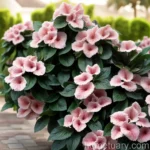
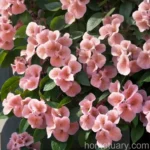
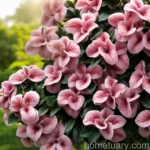
- Flower Color: Pink
- Foliage: Deep purple
- Growth Habit: Compact and mounding
- Hardiness Zone: 4-8
- Sunlight: Full sun to partial shade
- Soil: Well-draining, fertile soil
- Watering: Regular, especially during the first growing season
- Uses: Garden borders, mass plantings, containers
- Pruning: Regular deadheading and selective pruning for shape and rejuvenation
Now that we have an overview of Weigela florida ‘Walweigeye’, let’s explore each aspect in detail, from its cultural requirements to common pests and diseases, to gain a deeper understanding of this remarkable plant.
Culture
Water
Proper watering is crucial for the health and vitality of Weigela florida ‘Walweigeye’. During the initial establishment phase and extended periods of dry weather, ensure the plant receives an adequate amount of water. However, it’s essential to maintain a balance and avoid waterlogging, which can lead to root rot and other issues. Opt for a watering schedule that allows the soil to dry out slightly between watering sessions.
Sunlight
Weigela florida ‘Walweigeye’ thrives in full sun to partial shade. When planted in a location that receives ample sunlight, the plant is more likely to exhibit its vibrant foliage and abundant flowering. In regions with hot, intense summer sun, providing some afternoon shade can be beneficial, especially during the hottest months.
Fertilizer
To support healthy growth and prolific flowering, regular fertilization is recommended for Weigela florida ‘Walweigeye’. Apply a balanced, slow-release fertilizer in early spring, following the package instructions for the appropriate dosage. Additionally, a light application of fertilizer in mid-summer can help sustain the plant’s vigor and floral display.
Soil
The soil requirements for Weigela florida ‘Walweigeye’ include well-draining, fertile soil with a slightly acidic to neutral pH. Incorporating organic matter such as compost or well-rotted manure during planting can enhance the soil structure and fertility. It’s essential to avoid waterlogged or excessively dry soils, as they can impede the plant’s overall health and growth.
Pruning
Pruning is an essential aspect of Weigela florida ‘Walweigeye’ maintenance, contributing to the plant’s appearance, longevity, and flowering performance. Here are some key aspects to consider when pruning Weigela florida ‘Walweigeye’:
- Deadheading: Removing spent flowers promotes continuous blooming and prevents seed formation, redirecting the plant’s energy into growth and additional flowering.
- Selective Pruning: Thinning out overcrowded or crisscrossing branches can improve air circulation within the plant and maintain a more open growth habit. Additionally, selectively removing older wood and shaping the plant can help rejuvenate its appearance and encourage new growth.
Propagation
Weigela florida ‘Walweigeye’ can be propagated through various methods, including:
- Semi-Hardwood Cuttings: During late spring to early summer, take 4-6 inch semi-hardwood cuttings from healthy, disease-free branches. Remove the lower leaves, dip the cut end in rooting hormone, and plant the cuttings in a well-draining potting mix. Maintain consistent moisture and provide indirect light until the cuttings root and develop new growth.
- Division: As the plant matures, division can be performed to propagate new Weigela florida ‘Walweigeye’ specimens. Carefully divide the root ball into sections and replant them in suitable locations, ensuring proper watering and aftercare.
Container Popularity
Weigela florida ‘Walweigeye’ is well-suited for container cultivation, making it an excellent choice for smaller gardens, patios, and urban spaces. When grown in containers, the plant’s compact size, colorful foliage, and abundant flowers create an attractive focal point and vibrant display. Select a sizable container with adequate drainage holes, and use a high-quality potting mix to ensure proper growth and development.
Container Common Diseases
While growing Weigela florida ‘Walweigeye’ in containers has various benefits, it’s essential to be mindful of potential diseases that can affect the plant in this setting. Common diseases that can impact container-grown Weigela florida ‘Walweigeye’ include:
- Powdery Mildew: This fungal disease appears as a powdery white coating on the leaves, often resulting from poor air circulation or high humidity. To mitigate powdery mildew, ensure proper spacing between plants, adequate airflow, and consider applying fungicidal treatments if the disease persists.
- Root Rot: Overwatering or inadequate drainage in containers can lead to root rot, causing the plant to exhibit wilting, yellowing foliage, and overall decline. Selecting well-draining containers and monitoring soil moisture levels can help prevent root rot in container-grown Weigela florida ‘Walweigeye’.
Disease Diagnosis
Early identification and diagnosis of plant diseases are crucial for implementing effective control measures and preserving the health of Weigela florida ‘Walweigeye’. Here are some common diseases that can affect Weigela and their diagnostic characteristics:
Powdery Mildew
Symptoms:
– Powdery white or grayish coating on the leaves, stems, and buds
– Distorted or stunted growth
– Premature leaf drop
Preventive Measures:
– Ensure proper spacing between plants to facilitate air circulation
– Select disease-resistant cultivars
– Avoid overhead watering to minimize leaf wetness
Anthracnose
Symptoms:
– Dark, sunken lesions on leaves, stems, and flowers
– Wilting and dieback of affected plant parts
– Spore production in humid conditions
Preventive Measures:
– Prune and dispose of infected plant parts
– Encourage overall plant health through proper cultural practices
Common Pests
While Weigela florida ‘Walweigeye’ is relatively resistant to pests, several insect species may occasionally pose a threat to the plant’s health. Vigilance and prompt intervention can help mitigate pest infestations and minimize their impact on Weigela florida ‘Walweigeye’. Common pests that may affect Weigela include:
Aphids
Identification:
Aphids are small, soft-bodied insects that can appear green, black, brown, or pink, depending on the species. They tend to cluster on new growth, feeding on plant sap and excreting honeydew, which can lead to sooty mold development.
Control Measures:
– Prune and remove heavily infested plant parts
– Use a strong jet of water to dislodge aphids
– Apply insecticidal soap or neem oil if necessary
Scale Insects
Identification:
Scale insects can be identified as small, waxy bumps on the stems and leaves of Weigela florida ‘Walweigeye’. They may appear as brown, white, or black scales, depending on the species, and often lead to weakened plant growth and yellowing foliage.
Control Measures:
– Prune and dispose of heavily infested plant parts
– Apply horticultural oil during the dormant season to smother scale insects
– Encourage natural predators such as ladybugs and lacewings
Botanist’s Tips
As a plant scientist, I recommend the following tips for cultivating and maintaining Weigela florida ‘Walweigeye’ to ensure optimal growth and performance:
- Regular Monitoring: Keep a close eye on the plant for signs of stress, disease, or pest infestations, taking proactive measures as needed to address any issues promptly.
- Mulching: Apply a layer of organic mulch around the base of the plant to conserve soil moisture, suppress weed growth, and provide insulation during temperature fluctuations.
- Seasonal Maintenance: Conduct regular maintenance tasks such as pruning, fertilization, and soil amendment at appropriate times to support the plant’s seasonal requirements and overall health.
Fun Facts
To add an element of intrigue and fascination for plant enthusiasts, here are some fun facts about Weigela florida ‘Walweigeye’:
- Hummingbird Attraction: The showy flowers of Weigela florida ‘Walweigeye’ are known to attract hummingbirds, adding a delightful and dynamic element to garden spaces.
- Butterfly Magnet: The nectar-rich blooms of Weigela make it a favorite landing spot for butterflies, enhancing the ecological value of the plant.
- Deer Resistance: Weigela florida ‘Walweigeye’ exhibits a level of resistance to deer browsing, making it suitable for landscapes with deer presence.
Links to External Resources
For further information on Weigela florida ‘Walweigeye’ and related topics, explore the following resources:
- U.S. National Arboretum – Weigela Cultivars
- The Royal Horticultural Society – Weigela Care Guide
- University of Maryland Extension – Pruning Deciduous Shrubs
By leveraging these external resources, plant enthusiasts can access additional insights, care guidelines, and expert recommendations to enhance their knowledge and proficiency in cultivating Weigela florida ‘Walweigeye’ and similar ornamental shrubs.
In conclusion, Weigela florida ‘Walweigeye’ EYECATCHER stands out as a visually striking and versatile plant, offering an array of ornamental and ecological benefits. By understanding its cultural requirements, uses, disease management, and other essential aspects, plant enthusiasts can harness the full potential of this exceptional shrub in their gardens and landscapes. With a blend of scientific knowledge, practical tips, and a touch of fascination, Weigela florida ‘Walweigeye’ continues to captivate and inspire horticulturists and nature enthusiasts around the world.
As a plant scientist, I encourage fellow enthusiasts to explore the unique attributes and captivating allure of Weigela florida ‘Walweigeye’ in their gardening endeavors, fostering a deeper connection with the natural world and the remarkable plants it encompasses.
Reference:
– U.S. National Arboretum. “Weigela Cultivars.” https://www.usna.usda.gov/Gardens/collections/brochures/detail?id=24
– The Royal Horticultural Society. “Weigela Care Guide.” https://www.rhs.org.uk/plants/popular/weigela/growing-guide
– University of Maryland Extension. “Pruning Deciduous Shrubs.” https://extension.umd.edu/resource/pruning-deciduous-shrubs