Weigela ‘Minuet’: A Delightful Plant for Your Garden
Weigela ‘Minuet’ is a charming ornamental shrub that has gained popularity among both gardeners and landscapers. With its graceful arching branches, vibrant blooms, and easy care requirements, this plant adds elegance and beauty to any garden or landscape. In this comprehensive guide, we will delve into the specifics of Weigela ‘Minuet’ care, its cultural uses, and much more. Whether you are a seasoned gardener or a novice enthusiast, this article will provide you with the necessary knowledge to cultivate and appreciate this delightful plant.
What is Weigela ‘Minuet’?
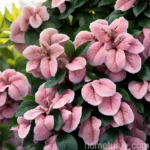
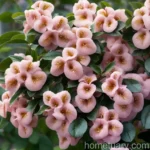
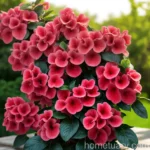
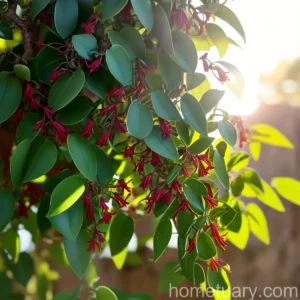
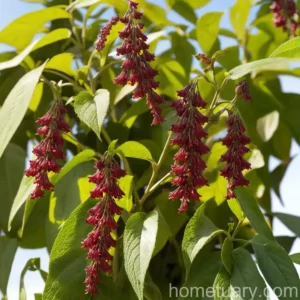
Weigela ‘Minuet’, a cultivar of the Weigela genus, is a deciduous shrub that belongs to the Caprifoliaceae family. It is renowned for its striking display of tubular flowers and its distinctive foliage, making it a favored choice for gardens and landscapes. The plant is characterized by its compact and mounded growth habit, reaching a moderate height and width, which makes it suitable for various planting locations.
Key Takeaways
Before delving into the specific care guidelines for Weigela ‘Minuet’, let’s summarize some key takeaways about this plant:
- Scientific Name: Weigela ‘Minuet’
- Genus: Weigela
- Cultivar: ‘Minuet’
- Family: Caprifoliaceae
- Type: Deciduous shrub
- Height: 3-4 feet
- Spread: 3-4 feet
- Flower Color: Pink
- Foliage Color: Green, sometimes with variegation
- Hardiness Zones: 4-8
- Attracts: Butterflies, hummingbirds
- **Low maintenance and versatile
Now, let’s explore the cultural uses and specific care requirements for Weigela ‘Minuet’.
Culture
Understanding the cultural needs and growing requirements of Weigela ‘Minuet’ is essential for ensuring its healthy development and bountiful blooms. From ensuring optimal sunlight exposure to providing adequate water and soil conditions, aligning with the plant’s specific cultural preferences is crucial for its overall well-being.
Let’s explore these cultural factors in detail:
Uses
Weigela ‘Minuet’ is a versatile plant that serves multiple functions in a garden or landscape. Its uses include:
- Ornamental Highlight: With its abundant pink blooms and graceful form, ‘Minuet’ serves as an eye-catching ornamental specimen in gardens and landscapes.
- Borders and Hedges: The compact growth habit makes it suitable for creating low hedges and delineating garden borders.
- Pollinator Attraction: The nectar-rich flowers attract and support pollinators such as butterflies and hummingbirds, contributing to the overall biodiversity of the garden.
The adaptable nature of Weigela ‘Minuet’ makes it a valuable addition to various garden settings, offering aesthetic appeal and ecological benefits.
Water
Establishing a proper watering regimen is crucial for the well-being of Weigela ‘Minuet’. While the plant exhibits moderate drought tolerance once established, consistent moisture is essential, especially during the establishment phase.
- Establishment Phase: Newly planted ‘Minuet’ shrubs require regular watering to aid in root establishment. Provide approximately 1-2 inches of water per week, either through rainfall or supplemental irrigation.
- Mature Plants: Once established, ‘Minuet’ shrubs typically display good tolerance to dry spells. However, during prolonged periods of drought, it is advisable to provide supplemental watering to ensure the plant’s vigor and flowering performance.
By monitoring the soil moisture and responding to the plant’s needs, gardeners can maintain an optimal balance to support the health and growth of Weigela ‘Minuet’.
Sunlight
Weigela ‘Minuet’ thrives in locations that offer abundant sunlight, which is essential for promoting vigorous growth and profuse blooming. When selecting a planting site for ‘Minuet’, prioritize areas with full to partial sunlight exposure.
- Ideal Sunlight: Aim to provide at least 6-8 hours of direct sunlight for ‘Minuet’ shrubs to flourish. Full sun exposure encourages robust flowering and maintains the plant’s compact growth habit.
- Partial Shade: While ‘Minuet’ prefers full sun, it can tolerate partial shade conditions. However, reduced sunlight may lead to fewer blooms and potential impacts on the plant’s overall vigor.
Ensuring adequate sunlight exposure is integral to maximizing the ornamental value and performance of Weigela ‘Minuet’ in the garden landscape.
Fertilizer
Appropriate fertilization practices contribute to the overall health and blooming potential of Weigela ‘Minuet’. By supplying essential nutrients, gardeners can support the plant’s growth and floral display.
- Fertilizer Type: Apply a balanced, slow-release fertilizer formulated for flowering shrubs in early spring, before the onset of new growth. Look for a fertilizer with an N-P-K ratio suited for promoting flowering and overall plant vitality.
- Application Method: Spread the fertilizer evenly around the root zone of ‘Minuet’, following the recommended dosage provided on the product label. Water the area thoroughly after application to facilitate nutrient uptake.
By incorporating a well-timed and balanced fertilization regimen, gardeners can optimize the flowering prowess and overall resilience of Weigela ‘Minuet’.
Soil
The soil composition and quality play a pivotal role in the growth and development of Weigela ‘Minuet’. Understanding the plant’s soil preferences enables gardeners to create an optimal growing environment for this charming shrub.
- Well-Drained Soil: ‘Minuet’ thrives in well-drained soil that prevents waterlogging and promotes healthy root development. Amend heavy clay soils with organic matter to enhance drainage and create an ideal planting site.
- pH Range: Weigela ‘Minuet’ performs best in slightly acidic to neutral soil conditions, with a pH range of 6.0-7.0. Conduct a soil test to assess the pH level and make necessary amendments to achieve the desired range.
By providing a suitable soil foundation, gardeners can foster the vigor and longevity of Weigela ‘Minuet’ within the garden landscape.
Pruning
Pruning is a key component in maintaining the attractive form and abundant flowering of Weigela ‘Minuet’. Strategic pruning practices help shape the shrub, remove spent blooms, and rejuvenate the plant for continued vigor.
Here are essential guidelines for pruning Weigela ‘Minuet’:
- Spring Pruning: Perform light pruning immediately after the spring flowering period to remove any dead or damaged wood and shape the shrub. This allows sufficient time for new growth and bud development for the following year’s blooms.
- Renovation Pruning: To rejuvenate older ‘Minuet’ shrubs, consider renovation pruning by removing one-third of the oldest stems at ground level. This stimulates fresh growth and enhances the shrub’s overall appearance.
- Regular Maintenance: Throughout the growing season, periodically remove spent flowers to encourage additional blooming and maintain a tidy appearance.
By adhering to appropriate pruning techniques, gardeners can ensure that Weigela ‘Minuet’ remains an aesthetic asset within the garden landscape.
Propagation
Propagating Weigela ‘Minuet’ allows gardeners to expand their plant collection and share this delightful shrub with fellow enthusiasts. While ‘Minuet’ can be propagated through various methods, stem cuttings remain a popular and reliable approach for obtaining genetic replicas of the parent plant.
Consider the following steps for propagating Weigela ‘Minuet’ from stem cuttings:
- Selection of Cuttings: In late spring to early summer, select healthy, non-flowering stems from the current season’s growth for propagation purposes.
- Cutting Preparation: Prepare 4-6 inch stem cuttings, ensuring each cutting includes several leaf nodes. Remove the lower leaves to expose the nodes for improved rooting.
- Rooting Medium: Dip the base of the cuttings in rooting hormone to promote swift root development. Plant the cuttings in a well-draining, sterile rooting medium such as perlite or vermiculite.
- Rooting Environment: Place the cuttings in a warm and humid environment, such as a greenhouse or enclosed propagation tray, to facilitate root establishment.
- Root Development: Monitor the cuttings for signs of new growth and root formation, which typically occurs within 4-6 weeks.
- Transplanting: Once sufficient roots have developed, carefully transplant the rooted cuttings into individual containers or a prepared garden bed.
By following these propagation steps, gardeners can successfully propagate Weigela ‘Minuet’ and continue to enjoy its ornamental qualities in multiple garden locations.
Container Popularity
The compact size and ornamental allure of Weigela ‘Minuet’ make it well-suited for container cultivation. Whether displayed on patios, balconies, or as focal points in garden settings, potted ‘Minuet’ shrubs provide versatility and visual appeal.
Consider these factors for growing Weigela ‘Minuet’ in containers:
- Container Selection: Choose a large and sturdy container with sufficient drainage holes to accommodate the shrub’s root system and support healthy growth.
- Potting Mix: Utilize a high-quality potting mix amended with organic matter to ensure both moisture retention and adequate drainage.
- Watering: Monitor the moisture levels in the container, ensuring even moisture during the growing season, and adjusting the frequency based on environmental conditions.
- Overwintering: In regions with harsh winters, protect potted ‘Minuet’ shrubs by providing insulation or relocating containers to a sheltered environment.
By cultivating Weigela ‘Minuet’ in containers, gardeners can capitalize on its ornamental value and integrate the shrub into diverse gardening scenarios.
Common Diseases and Pests
Despite its overall resilience, Weigela ‘Minuet’ is susceptible to certain diseases and pest infestations. Familiarizing oneself with these potential issues empowers gardeners to implement preventative measures and timely interventions to safeguard the health of their ‘Minuet’ shrubs.
Common Diseases
Weigela ‘Minuet’ may encounter the following diseases, necessitating prompt attention and appropriate management strategies:
- Powdery Mildew: A fungal disease that manifests as a powdery, white coating on the foliage, leading to reduced vigor and aesthetic decline. Prevent powdery mildew by ensuring proper air circulation and avoiding overhead irrigation.
- Leaf Spot: Fungal leaf spot diseases can affect the foliage of ‘Minuet’, causing dark, irregular spots and potential defoliation. Maintain garden hygiene and promptly remove and dispose of affected leaves to mitigate the spread of leaf spot.
Recognizing the symptoms and implementing cultural practices such as proper spacing, adequate air movement, and proactive disease management contributes to minimizing the impact of these common diseases on Weigela ‘Minuet’.
Disease Diagnosis
Timely identification and diagnosis of diseases affecting Weigela ‘Minuet’ are vital for instituting targeted control measures. If gardeners notice unusual symptoms or changes in the plant’s appearance, it is advisable to seek assistance from local extension services or experienced horticulturists for accurate disease diagnosis.
By promptly addressing disease concerns, gardeners can prevent the escalation of issues and preserve the health and vitality of their ‘Minuet’ shrubs.
Common Pests
Weigela ‘Minuet’ may attract certain pests that can compromise the plant’s aesthetics and overall well-being. Vigilance and proactive pest management are crucial for mitigating potential pest infestations.
Some common pests that may affect Weigela ‘Minuet’ include:
- Aphids: These small, sap-feeding insects can cluster on the tender shoots and foliage of ‘Minuet’, causing distortion and honeydew secretion. Employ natural predators or targeted insecticidal treatments to manage aphid infestations.
- Spider Mites: Spider mites may infest ‘Minuet’ shrubs, particularly during dry and hot weather. Regularly hose down the foliage to minimize mite populations and consider applying horticultural oil as a preventive measure.
By monitoring the plant for pest activity and implementing integrated pest management strategies, gardeners can safeguard the health and appearance of Weigela ‘Minuet’ from potential pest pressures.
Botanist’s Tips
Drawing on botanical insights and practical observations, botanist’s tips offer valuable guidance for cultivating Weigela ‘Minuet’ and optimizing its performance within diverse garden settings.
Consider these botanist’s tips for ‘Minuet’ shrubs:
- Selecting Companion Plants: Pair Weigela ‘Minuet’ with complementary perennials and shrubs to create visually appealing garden compositions. Consider the plant’s blooming season, foliage colors, and growth habits when selecting suitable companions.
- Seasonal Care: Adhere to seasonal care practices, such as mulching in spring to conserve soil moisture and moderate temperature fluctuations, and winter protection measures in colder climates to shield the plant from harsh conditions.
- Wildlife Attraction: Harness the ornamental and ecological allure of ‘Minuet’ by incorporating it into wildlife-friendly garden designs that attract and support pollinators such as butterflies and hummingbirds.
By integrating these botanist’s tips into the cultivation of Weigela ‘Minuet’, gardeners can elevate their gardening experiences and enhance the visual impact of their landscapes.
Fun Facts
Delving into the intriguing aspects of Weigela ‘Minuet’ enriches the gardening journey and deepens an appreciation for this captivating and charismatic shrub.
Explore these fun facts about Weigela ‘Minuet’:
- Hybrid Origins: Weigela ‘Minuet’ is a cultivar resulting from selective breeding and hybridization, combining desirable traits from different Weigela species to yield its unique attributes.
- Fragrant Flowers: In addition to their visual allure, the tubular blooms of ‘Minuet’ emit a subtle, sweet fragrance, enhancing the sensory experience of the garden.
- Attractive Foliage: The foliage of ‘Minuet’ not only serves as an elegant backdrop to the vibrant blooms but also exhibits variegated patterns in some cultivars, adding visual interest throughout the growing season.
By uncovering these captivating fun facts, gardeners and enthusiasts can develop a deeper connection to Weigela ‘Minuet’ and its role within the landscape.
Links to External Resources
For further exploration and in-depth information on Weigela ‘Minuet’ and related gardening topics, consider the following external resources:
- American Horticultural Society
- Royal Horticultural Society
- University Cooperative Extension Services
- Botanical Gardens and Arboreta
- Plant Pathology and Entomology Resources
Unearthing insights from reputable organizations and horticultural institutions expands the knowledge base and enriches the gardening journey for ‘Minuet’ enthusiasts.
Conclusion
Weigela ‘Minuet’ exudes charm and elegance, captivating the hearts of gardening enthusiasts and landscape aficionados. With its vibrant blooms, adaptable nature, and ornamental allure, ‘Minuet’ serves as a prized addition to diverse gardening scenarios, enriching outdoor spaces with its presence.
By embracing the cultural guidelines, recognizing potential challenges, and tapping into insightful recommendations, gardeners can cultivate Weigela ‘Minuet’ with confidence and reap the rewards of its enduring beauty and appeal.
Through this comprehensive exploration, we have unveiled the essence of Weigela ‘Minuet’, delving into its care essentials, ornamental attributes, and enriching characteristics, thereby fostering a deeper appreciation for this delightful plant.
So, whether you are envisioning a blossoming garden border, a wildlife-friendly landscape, or an alluring container display, Weigela ‘Minuet’ stands ready to infuse your outdoor realm with grace and splendor, elevating the artistry and allure of your horticultural pursuits.
Remember to savor the moments spent in the company of ‘Minuet’, marveling at its radiant blooms, relishing its fragrance, and celebrating its place in your garden tapestry.
Disclaimer: The content provided in this article is for informational purposes only and does not constitute professional horticultural advice. Always seek guidance from local gardening experts for tailored recommendations and plant care assistance.