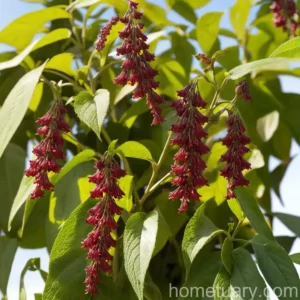
All About Weigela (Weigela hortensis)
Introduction
Welcome to our comprehensive guide on Weigela hortensis, a beautiful and versatile shrub that has been adored by gardeners and landscapers for generations. In this article, we will delve into the intricacies of caring for Weigela hortensis, its unique cultural requirements, popular uses, as well as its propagation and maintenance techniques. By the end of this guide, you will have a deep understanding of how to cultivate and maintain Weigela hortensis to ensure that it thrives in your garden or landscape.
What is Weigela (Weigela hortensis)?
Weigela hortensis, commonly known as Weigela, is a flowering shrub belonging to the family Caprifoliaceae. Native to East Asia, particularly China, Korea, and Japan, Weigela hortensis has captured the hearts of gardeners and plant enthusiasts worldwide due to its prolific flowering and low-maintenance nature. The genus name Weigela honors Christian Ehrenfried Weigel, a German scientist, and professor.
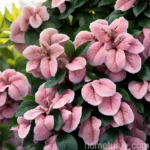
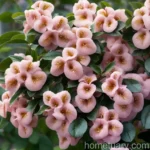
The Weigela genus comprises around 12 species of deciduous shrubs known for their vibrant, trumpet-shaped flowers that bloom in late spring to early summer. Weigela hortensis, in particular, is highly esteemed for its showy, tubular flowers, which are available in a myriad of colors ranging from white, pink, and red to various shades in between. The foliage of Weigela hortensis is generally mid-green, offering an attractive backdrop to the striking blossoms.
Key Takeaways – Weigela (Weigela hortensis)
Before we delve into the specifics of Weigela hortensis care and cultivation, let’s outline the key takeaways associated with this delightful shrub.
- Botanical Name: Weigela hortensis
- Common Name: Weigela
- Plant Type: Deciduous flowering shrub
- Flower Colors: White, pink, red, various hybrids
- Foliage: Mid-green
- Growing Zones: Typically hardy in USDA Zones 4-8
- Mature Height: 4-7 feet
- Watering Needs: Regular moisture, well-draining soil
- Sunlight Requirements: Full sun to partial shade
- Soil Type: Well-draining, fertile soil
- Pruning: Prune after flowering to encourage new growth and maintain shape
- Uses: Borders, hedging, specimen planting, and mixed shrub borders
- Common Pests: Aphids, spider mites
- Common Diseases: Powdery mildew, leaf spot
Culture
Uses
Weigela hortensis is a versatile shrub that is widely utilized in various landscaping and gardening applications. Some of its common uses include:
- Borders: Weigela hortensis is often planted as edging or border shrubs in gardens to delineate planting beds and pathways.
- Hedging: Due to its dense growth habit and profuse flowering, Weigela hortensis is employed as a decorative hedge, providing visual interest and seasonal blooms.
- Specimen Planting: The striking flowers and foliage of Weigela hortensis make it an excellent focal point in gardens, where it is showcased as a standalone specimen plant.
- Mixed Shrub Borders: Weigela hortensis can be integrated into mixed shrub borders to add color and texture, complementing other plant varieties.
- Container Planting: Certain dwarf varieties of Weigela hortensis are well-suited for container planting on patios, balconies, or as accent plants in urban landscapes.
Water
Weigela hortensis thrives in moist, well-draining soil. While it is essential to keep the soil consistently moist, it is vital to avoid waterlogging, which can lead to root rot and other moisture-related issues. During extended dry periods, supplemental watering is beneficial, particularly for newly planted shrubs or those in containers. A 2-3 inch layer of organic mulch around the base of the plant aids in moisture retention and regulates soil temperature.
Sunlight
For optimal growth and flowering, Weigela hortensis prefers full sun to partial shade. In regions with hot summers, providing afternoon shade can prevent excessive stress on the plants and help preserve soil moisture. However, it’s important to strike a balance, ensuring that the shrubs receive adequate sunlight to promote abundant flowering and healthy foliage.
Fertilizer
Applying a balanced, slow-release fertilizer formulated for flowering shrubs in early spring encourages vigorous growth and abundant blooms. It is imperative to follow the manufacturer’s recommendations regarding application rates and frequency to avoid over-fertilization, which can lead to excessive vegetative growth at the expense of flowering. Additionally, incorporating organic matter into the soil during planting or as a top dressing in subsequent years enriches the soil and sustains the long-term health of Weigela hortensis.
Soil
Weigela hortensis flourishes in well-draining, loamy soil with good fertility. A slightly acidic to neutral pH range (6.0-7.5) is ideal for promoting nutrient uptake and overall plant health. Prior to planting, it is advantageous to amend heavy or compacted soils with organic matter such as compost, peat moss, or aged manure to enhance drainage and soil structure. Regularly testing the soil pH and nutrient levels aids in making informed amendments and ensuring an optimal growing environment for Weigela hortensis.
Pruning
Pruning plays a crucial role in maintaining the shape, size, and blooming capacity of Weigela hortensis. The following are some essential pruning tips for Weigela shrubs:
- Timing: Prune Weigela hortensis immediately after flowering, typically in late spring to early summer. This timing allows the shrub to set flower buds for the following year while still permitting ample time for new growth to mature before the onset of winter.
- Removal of Old Wood: Periodically removing older, woody stems at ground level rejuvenates the plant and encourages the development of fresh, vigorous growth.
- Deadheading: Promptly removing spent flowers not only enhances the plant’s appearance but also stimulates the production of additional blooms, prolonging the flowering period.
- Thinning: Thinning out congested or crossing branches enhances air circulation within the shrub, reducing the risk of fungal diseases and pest infestations.
- Shaping: Prune Weigela hortensis to maintain the desired shape and size, ensuring a balanced and aesthetically pleasing appearance within the landscape.
Propagation
Weigela hortensis can be easily propagated through several methods, including:
- Softwood Cuttings: Take 4-6 inch cuttings from the current season’s growth in early summer. Remove the lower leaves, dip the cut ends in rooting hormone, and plant the cuttings in a well-draining propagation medium. Place the cuttings in a warm, humid environment, and roots should develop within several weeks.
- Hardwood Cuttings: Hardwood cuttings are collected during the dormant season (late fall to early spring). Select mature, disease-free stems and cut them into 6-8 inch sections. These cuttings are then planted in a prepared propagation bed or container and kept in a sheltered location until new growth emerges.
- Division: Established Weigela hortensis shrubs can be divided during the early spring. Carefully dig up the plant, ensuring that the root ball remains intact. Gently tease the roots apart and replant the divided sections, ensuring adequate moisture and protection from direct sunlight until they become established.
Container Popularity
Weigela hortensis is well-suited for container planting, especially in urban and small-space gardens. Its moderate growth habit, colorful blooms, and ease of maintenance make it an attractive choice for potted displays on patios, decks, and balconies. The following are some popular container cultivars of Weigela hortensis:
- Weigela florida ‘French Lace’: A compact, mounding cultivar with golden-edged variegated leaves and pink flowers.
- Weigela florida ‘My Monet’: An eye-catching dwarf variety featuring green and white variegated leaves and soft pink blooms.
- Weigela florida ‘Midnight Wine’: A diminutive cultivar with deep burgundy foliage and contrasting pink flowers, ideal for small containers and urban settings.
Common Diseases
Like many ornamental shrubs, Weigela hortensis is susceptible to certain diseases, often related to environmental stress and inadequate growing conditions.
Disease Diagnosis
Some common diseases that affect Weigela hortensis include:
- Powdery Mildew: This fungal disease manifests as a powdery, white coating on the leaves and stems. It thrives in humid conditions and is often exacerbated by poor air circulation and excessive moisture. To prevent powdery mildew, ensure proper spacing between plants, avoid overhead watering, and provide adequate sunlight and ventilation.
- Leaf Spot: Leaf spot diseases are characterized by the development of dark, irregular spots on the foliage. These diseases are often associated with prolonged periods of moisture on the leaves and can be managed through good sanitation practices, well-draining soil, and the removal of infected plant material.
- Anthracnose: This fungal disease causes dark, sunken lesions on the stems and branches of Weigela hortensis. Pruning out affected branches and maintaining proper growing conditions can help mitigate the impact of anthracnose on the shrub.
Common Pests
Several common pests can potentially infest Weigela hortensis, leading to aesthetic damage and diminished plant vigor. Vigilance and proactive pest management strategies can help keep infestations at bay.
Botanist’s Tips
Here are some insightful tips for successful Weigela hortensis cultivation:
- Companion Planting: Pair Weigela hortensis with other flowering shrubs, such as hydrangeas, spirea, and mock orange, to create visually captivating and biodiverse garden landscapes. Additionally, interplanting with pollinator-friendly perennials and herbs supports beneficial insect populations and enhances the ecological value of the garden.
- Wildlife Habitat: Weigela hortensis not only attracts pollinators with its nectar-rich flowers but also provides cover and nesting sites for small birds and beneficial insects. Integrating Weigela hortensis into wildlife-friendly gardens contributes to the overall biodiversity and ecological balance of the landscape.
Fun Facts
- The genus name “Weigela” pays tribute to Christian Ehrenfried Weigel, a distinguished German scientist and professor renowned for his contributions to botany and plant taxonomy.
- Weigela hortensis has been extensively hybridized, giving rise to a plethora of cultivars with diverse flower colors, foliage patterns, and growth habits. This extensive hybridization has contributed to the plant’s widespread popularity and adaptability in various garden settings.
Links to External Resources
For further exploration of Weigela hortensis and related topics, consider exploring the following external resources:
In conclusion, Weigela hortensis, with its captivating flowers, adaptable nature, and straightforward care requirements, stands as a testament to the enduring appeal of ornamental shrubs within the gardening and horticultural community. By embracing the nuances of Weigela hortensis culture, understanding its uses, and implementing best practices for its care, you can create thriving and enchanting landscapes that showcase the beauty and resilience of this exceptional shrub. Whether utilized as a standalone focal point, an integral component of mixed borders, or a charming potted display, Weigela hortensis continues to enchant and inspire with its enduring allure.
References and Additional Resources
- Weigela – Wikipedia: https://en.wikipedia.org/wiki/Weigela
- Weigela – Fine Gardening: https://www.finegardening.com/plant/weigela
- Weigela Plant Care – The Spruce: https://www.thespruce.com/growing-weigela-1315771