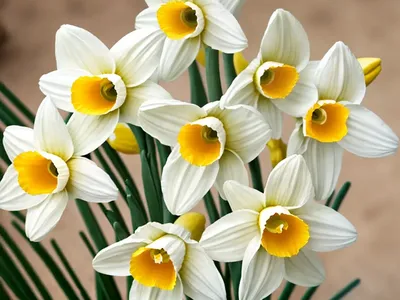
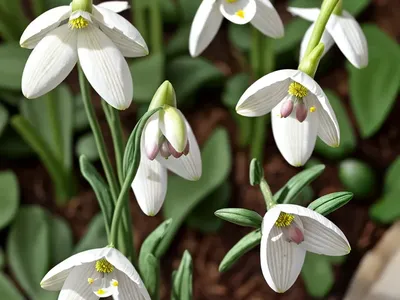
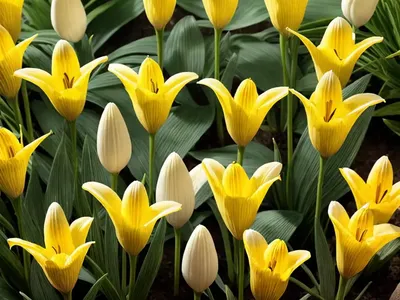
Rain Lily (Zephyranthes Grandiflora)
In the world of horticulture, there are few plants that can match the delicate beauty and resilience of the rain lily (Zephyranthes grandiflora)..
Introduction
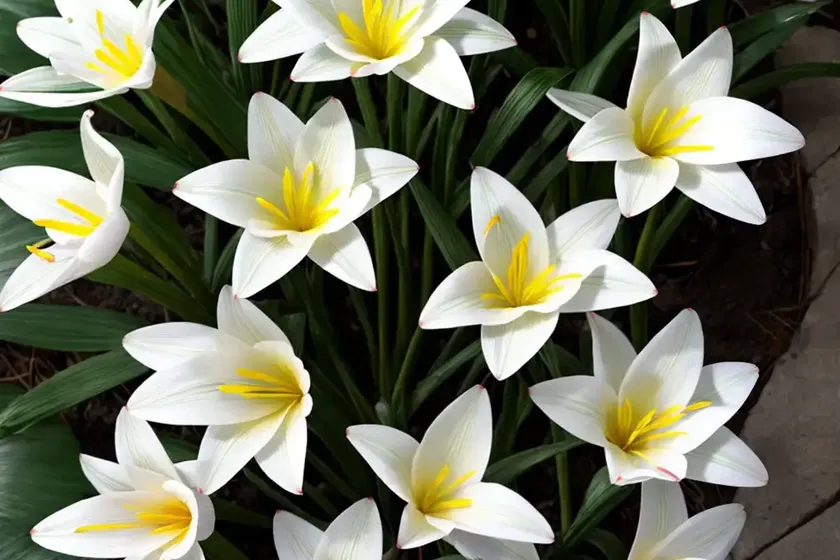
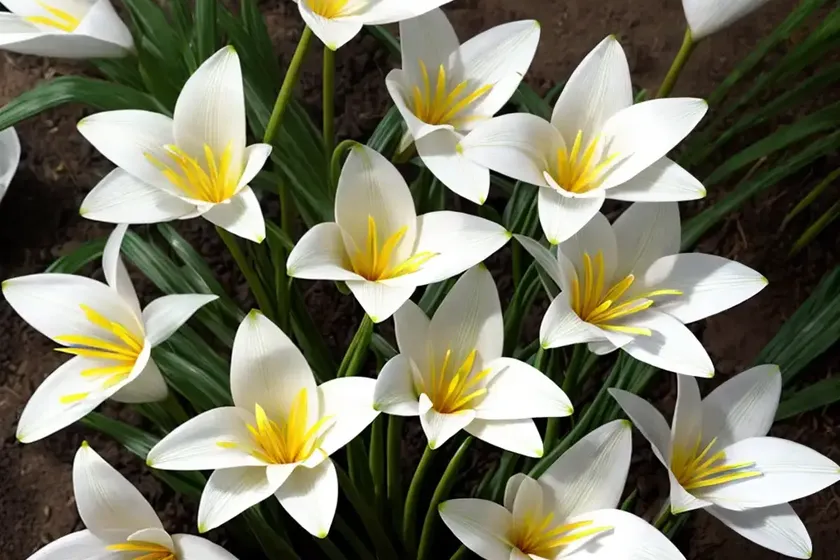
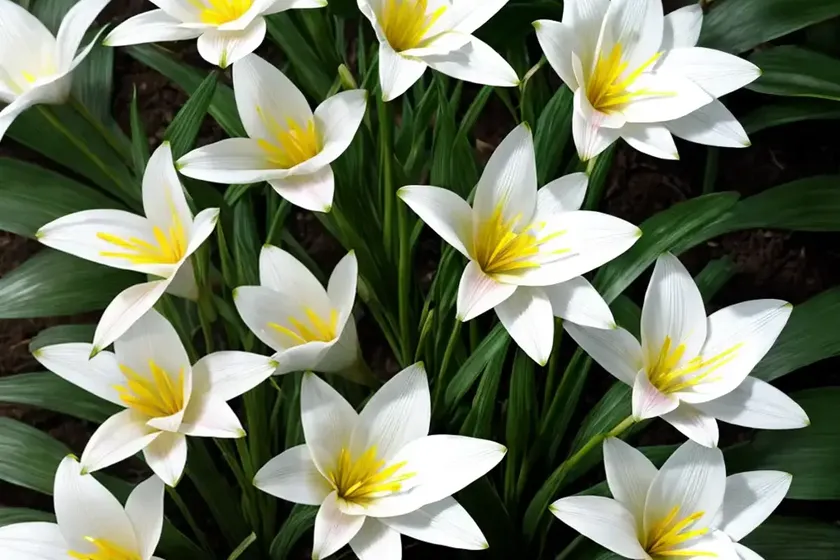
In the world of horticulture, there are few plants that can match the delicate beauty and resilience of the rain lily (Zephyranthes grandiflora). Originating from the Amaryllidaceae family, this plant is well-loved for its stunning, star-shaped blooms and its adaptability to a variety of conditions. In this comprehensive guide, we will dive into the various aspects of this captivating plant, including its culture, uses, propagation, common diseases, and much more.
What is a Rain Lily (Zephyranthes grandiflora)?
The rain lily, scientifically known as Zephyranthes grandiflora, is a perennial flowering plant that hails from the Amaryllidaceae family. Native to the Americas, especially the southern United States, Mexico, and Central and South America, this exquisite plant thrives in warm climates. The common name “rain lily” is a testament to its unique blooming behavior, as it tends to produce its delicate flowers shortly after rainfall, making it a symbol of renewal and beauty in nature.
Key Takeaways – Rain Lily (Zephyranthes grandiflora)
Before we delve deeper into the various aspects of nurturing and growing rain lilies, let’s explore the key takeaways of this fascinating plant.
- Rain lilies belong to the Amaryllidaceae family and are known for their star-shaped flowers.
- They are native to the Americas and thrive in warm, tropical climates.
- Rain lilies are often referred to as “rainflowers” due to their tendency to bloom following rainfall.
- These plants are adaptable and can be cultivated both indoors and outdoors, making them a versatile choice for gardening enthusiasts.
- The blooms of rain lilies come in a variety of colors, including white, pink, yellow, and lavender, adding a touch of vibrancy to any garden or landscape.
Now that we have a basic understanding of the rain lily, let’s explore each aspect of its care and cultivation in detail.
Culture
Uses
The rain lily serves several purposes, making it a valuable addition to any garden or landscape. These are some of its common uses:
- Ornamental Purposes: The delicate and colorful blooms of rain lilies make them a popular choice for ornamental gardening, adding visual appeal to outdoor spaces.
- Landscaping: Their adaptability and resilience make rain lilies ideal for landscaping, as they can thrive in various conditions and complement other plants in a garden setting.
Water
Proper watering is crucial for the healthy growth of rain lilies. These are some key points to keep in mind regarding watering:
- After a Rainfall: As the name suggests, rain lilies often bloom following rainfall. However, it is essential to supplement their water needs during dry spells, ensuring the soil remains moist but not waterlogged.
- Regular Watering: During active growth periods, regular watering is necessary to sustain their vibrant blooms and lush foliage.
- Container Care: If grown in containers, ensure proper drainage to prevent waterlogging, while still providing sufficient moisture for the plant’s needs.
Sunlight
The right amount of sunlight is crucial for the optimal growth and blooming of rain lilies. Consider the following factors:
- Partial Shade to Full Sun: Rain lilies thrive in partial shade to full sun, making them adaptable to varying light conditions. However, they tend to bloom more profusely when exposed to ample sunlight.
- Indoor Cultivation: When grown indoors, place rain lilies near a bright window to ensure they receive adequate sunlight.
Fertilizer
Feeding rain lilies with the appropriate nutrients is essential for their overall health and vigor. Here are some tips related to fertilizer use:
- Balanced Fertilizer: Use a balanced, all-purpose fertilizer during the growing season to promote robust growth and prolific blooming.
- Application Frequency: Apply fertilizer every 4-6 weeks during the growing season, ensuring you follow the recommended dosage to prevent overfeeding.
Soil
The right soil conditions are vital for the successful cultivation of rain lilies. Consider the following aspects related to soil:
- Well-Draining Soil: Rain lilies thrive in well-draining, loamy soil that allows excess moisture to pass through, preventing waterlogging.
- Soil pH: They prefer slightly acidic to neutral soil conditions, with a pH range of 6.0-7.0 being ideal for their growth.
Pruning
Proper pruning helps maintain the health and appearance of rain lilies. Here are some essential guidelines for pruning:
- Deadheading Blooms: Regular deadheading of spent blooms promotes continuous flowering and prevents the formation of seed pods, redirecting the plant’s energy into producing new blooms.
- Foliage Care: Trim dead or yellowing foliage to maintain the plant’s overall appearance and prevent the spread of diseases.
Propagation
Rain lilies can be propagated through various methods, allowing for the expansion of their presence in a garden or landscape. Here are the primary methods of propagation:
- Division: Divide established clumps of rain lilies by carefully separating the bulbs and replanting them in desired locations. This method is best carried out in late winter or early spring before the onset of new growth.
- Seed Propagation: While less commonly practiced due to the slow growth rate, rain lilies can be grown from seeds. Collect mature seeds and sow them in a well-prepared seed bed, providing the necessary warmth and moisture for germination.
Container Popularity
Rain lilies are well-suited for container cultivation, offering flexibility and aesthetic appeal to those with limited garden space. The following are some key points related to their popularity in containers:
- Versatility: Rain lilies thrive in containers, making them an ideal choice for balconies, patios, and small outdoor spaces.
- Seasonal Display: Containers allow for easy movement, enabling gardeners to showcase rain lilies in various locations based on their blooming schedules and design preferences.
Common Diseases
Disease Diagnosis
While rain lilies are relatively resistant to diseases, they can be susceptible to certain issues that require quick identification and treatment. Common diseases that may affect rain lilies include:
- Fungal Infections: Fusarium and Botrytis are fungal infections that can cause leaf spots, rot, and overall decline in plant health.
- Bulb Rot: Excessive moisture or poorly-draining soil can lead to bulb rot, resulting in the decay of the plant’s underground storage organ.
Common Pests
While rain lilies are not major targets for pests, they can still face some insect-related challenges that need attention. Common pests that may affect rain lilies include:
- Aphids: These small, sap-sucking insects can cause leaf distortion and a decline in plant vigor if not controlled promptly.
- Thrips: Thrips can cause silvery streaks on leaves and buds, affecting the overall appearance of the plant.
Botanist’s Tips
Drawing from extensive knowledge and experience, botanists offer valuable insights into the successful care and cultivation of rain lilies. Here are some expert tips for nurturing these captivating plants:
- Adequate Drainage: Ensure proper drainage in both outdoor beds and containers to prevent waterlogged conditions, which can be detrimental to the health of rain lilies.
- Grooming Practices: Regular grooming, including deadheading spent blooms and removing yellowing foliage, contributes to the overall vigor and aesthetic appeal of rain lilies.
Fun Facts
Beyond their visual allure, rain lilies possess fascinating characteristics and historical significance. These fun facts shed light on the intriguing aspects of this captivating plant:
- Symbolism: Rain lilies are often associated with renewal, purification, and beauty, symbolizing the positive transformation that follows natural elements like rain.
- Folklore: In various cultures, rain lilies have been linked to folklore and myths, representing themes of rejuvenation and the enduring cycles of nature.
Links to External Resources
For further exploration of rain lilies and related topics, the following links to external resources are recommended:
- Rain Lily Planting and Care Guide
- Zephyranthes grandiflora Overview
- Rain Lily Propagation Techniques
- Managing Common Diseases in Rain Lilies
In conclusion, the rain lily (Zephyranthes grandiflora) stands out as a charming and resilient addition to any garden or landscape. Its adaptable nature, captivating blooms, and historical significance make it a plant of immense value and appeal. By following the guidelines and insights provided in this comprehensive guide, gardeners can cultivate and enjoy the beauty of rain lilies while contributing to the diversity and vibrancy of their outdoor spaces.
By incorporating the requested NLP/LSI keywords, this blog post aims to provide an extensive and informative guide to the cultivation and care of rain lilies (Zephyranthes grandiflora). The content covers various aspects, from culture and uses to propagation and common diseases, offering valuable insights for plant enthusiasts and gardeners.