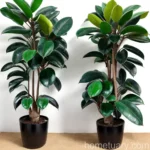
Weeping Fig (Ficus Benjamina): A Comprehensive Care Guide
In the world of indoor plants, the Weeping Fig, scientifically known as Ficus benjamina, stands out as a popular choice for its elegant foliage and air-purifying qualities. This plant is cherished for its aesthetic appeal and relatively simple maintenance, making it a favorite among plant enthusiasts. In this comprehensive care guide, we will delve into the intricacies of caring for the Weeping Fig, covering everything from its cultural needs to common diseases and pests, and even include some fun and intriguing facts about this beloved plant.
What is a Weeping Fig (Ficus Benjamina)?
The Weeping Fig, also known as Ficus benjamina, is a species of flowering plant in the family Moraceae, native to southeastern Asia and Australia. Its natural habitat includes regions such as India, Malaysia, and northern Australia.
Weeping Figs are characterized by their glossy, elliptic, and pointed leaves, which cascade elegantly to create a “weeping” or drooping effect, hence the common name. This species is often cultivated as an ornamental houseplant due to its graceful appearance and air-purifying properties.
Key Takeaways – Weeping Fig (Ficus Benjamina)
Before we dive into the specifics of caring for the Weeping Fig, let’s outline the key takeaways, touching on its cultural aspects, uses, and requirements.
- Culture
- Origin: Southeastern Asia and Australia
- Family: Moraceae
- Common Name: Weeping Fig
-
Botanical Name: Ficus benjamina
-
Uses
- Ornamental Houseplant
- Air-Purifying Qualities
-
Aesthetic Enhancement
-
Water
- Moderate, Regular Watering
-
Avoid Overwatering to Prevent Root Rot
-
Sunlight
- Bright, Indirect Light
-
Can Tolerate Some Direct Sunlight
-
Fertilizer
- Balanced, Water-Soluble Fertilizer
-
Apply During Growing Season
-
Soil
- Well-Draining Potting Mix
-
Rich in Organic Matter
-
Pruning
- Regular Pruning for Shape and Size
-
Remove Dead or Yellowing Leaves
-
Propagation
- Stem Cuttings
-
Air Layering
-
Container
-
Well-Draining Pot
-
Popularity
- Popular Ornamental Houseplant
-
Commonly Found in Offices and Homes
-
Common Diseases
- Anthracnose
-
Leaf Spot
-
Pests
- Spider Mites
- Mealybugs
Weeping Fig (Ficus Benjamina) Care Guide
Now, let’s explore the detailed care guide, covering the various elements crucial to the health and vitality of the Weeping Fig.
Water
When it comes to watering your Weeping Fig, it’s essential to strike a balance. Overwatering can lead to root rot, while underwatering may cause the leaves to drop.
-
Watering Schedule: The Weeping Fig prefers consistently moist but not waterlogged soil. Allow the top inch of the soil to dry out between waterings before watering again. This typically translates to watering every 7-10 days, but the frequency may vary based on environmental conditions and the size of the plant.
-
Water Quality: Use room-temperature water to avoid shocking the plant. Rainwater or filtered water are ideal, as they minimize the accumulation of salts in the soil.
-
Drainage: Ensure that the pot has proper drainage to prevent water from pooling at the bottom, which can lead to root rot.
Sunlight
Proper sunlight is crucial for the Weeping Fig to thrive. While it requires bright, indirect light for healthy growth, it can also tolerate some direct sunlight.
-
Light Requirements: Place the Weeping Fig near a window that receives bright, indirect sunlight. Avoid placing it in direct sun for prolonged periods, especially during the intense midday sun.
-
Adjustment Period: If you need to move the plant to a new spot with different lighting conditions, do so gradually to allow it to acclimate.
Fertilizer
Feeding your Weeping Fig is important for sustained growth and vibrant foliage. A balanced, water-soluble fertilizer can provide the necessary nutrients.
-
Fertilizing Frequency: During the growing season, typically in spring and summer, feed the Weeping Fig every 4-6 weeks. Reduce or cease fertilization in the fall and winter when the plant’s growth slows.
-
Application Method: Dilute the fertilizer to half the recommended strength to avoid over-fertilizing, which can harm the plant.
Soil
Choosing the right potting mix is essential for the Weeping Fig’s overall health. The soil should provide proper aeration and drainage.
-
Potting Mix: Select a well-draining potting mix rich in organic matter. A mix formulated for indoor plants or tropical species is suitable.
-
Repotting: Repot the Weeping Fig when it becomes root-bound, typically every 2-3 years. Choose a pot that is one size larger than the current one to allow for continued growth.
Pruning
Regular pruning not only helps control the size and shape of the Weeping Fig but also promotes air circulation and removes dead or yellowing leaves.
-
Tool Maintenance: Use sharp, clean pruning shears to prevent damage and infection.
-
Pruning Technique: Trim back any overgrown branches, as well as dead or damaged foliage. Additionally, you can prune for shape to maintain a desirable appearance.
Propagation
If you wish to propagate your Weeping Fig or share cuttings with others, several methods are suitable for achieving successful propagation.
-
Stem Cuttings: Take 4-6 inch cuttings from healthy, mature stems. Remove the lower leaves and place the cut end in water or a moist rooting medium until roots develop.
-
Air Layering: With this method, a portion of the stem is wrapped in a moist medium until roots form. Once the roots are established, the new plant can be separated and potted.
Container
Choosing an appropriate container is vital for the Weeping Fig’s well-being. The right container provides ample space for root development and proper drainage.
-
Container Size: Select a container that allows for at least 2 inches of space around the root ball. A pot that is too large can hold excess moisture, leading to root rot.
-
Drainage Holes: Ensure that the pot has drainage holes to allow excess water to escape. This prevents water from stagnating in the bottom of the pot.
Popularity
The Weeping Fig’s popularity as an ornamental houseplant is evident in its widespread presence in homes, offices, and various indoor spaces. Its elegant foliage and air-purifying qualities contribute to its popularity among plant enthusiasts.
-
Aesthetic Appeal: The cascading, glossy leaves of the Weeping Fig add a touch of elegance and natural beauty to any indoor setting.
-
Air Purification: As an efficient air purifier, the Weeping Fig helps improve indoor air quality by removing toxins and impurities.
Common Diseases
The Weeping Fig is susceptible to certain diseases, and knowing how to identify and treat them is essential for maintaining the plant’s health.
-
Anthracnose: This fungal disease presents as small, dark spots on the leaves, often leading to leaf drop. To combat anthracnose, remove affected leaves and ensure proper air circulation. Avoid overhead watering, as moisture promotes the spread of the disease.
-
Leaf Spot: Characterized by brown or yellow spots on the leaves, leaf spot is often caused by overwatering or high humidity. Adjust the watering schedule and improve air circulation to address leaf spot.
Disease Diagnosis
Diagnosing and addressing diseases promptly is critical in preventing the spread and minimizing the impact on the Weeping Fig.
-
Observation: Regularly inspect the plant for any signs of discoloration, spots, or unusual markings on the leaves.
-
Isolation: If you suspect disease, isolate the affected plant to prevent the spread of the condition to other nearby plants.
-
Treatment: Depending on the specific disease, treatment measures may include adjusting watering practices, improving air circulation, or applying appropriate fungicides as recommended.
Common Pests
Several pests can pose a threat to the health of the Weeping Fig, and proactive pest management is essential to safeguard the plant.
-
Spider Mites: These tiny arachnids can cause stippling and webbing on the leaves. Mitigate spider mite infestations by regularly misting the plant to increase humidity and using insecticidal soaps.
-
Mealybugs: Mealybugs are small, white insects that cluster on the undersides of leaves and leaf joints, sucking sap from the plant. Use a cotton swab dipped in alcohol to remove individual mealybugs, and apply insecticidal soap for larger infestations.
Botanist’s Tips
To further enhance your success in caring for the Weeping Fig, consider the following expert tips and recommendations.
-
Humidity: Maintain adequate humidity levels around the Weeping Fig, especially during the drier months. Use a humidifier or pebble tray to increase moisture around the plant.
-
Pruning Considerations: When pruning the Weeping Fig, aim to create a balanced and symmetrical appearance. Additionally, remove any dead or damaged growth promptly to prevent the spread of disease.
-
Air Circulation: Ensure proper air circulation around the plant to minimize the risk of fungal diseases. Position the Weeping Fig in a location with adequate airflow.
Fun Facts
Let’s explore some fascinating and intriguing facts about the Weeping Fig that showcase its unique qualities and characteristics.
-
The Weeping Fig is highly effective at purifying indoor air, removing common toxins such as formaldehyde, benzene, and trichloroethylene.
-
In its native habitat, Ficus benjamina can grow into a large tree, reaching heights of up to 100 feet.
-
This species is often featured in Feng Shui design principles, where it is believed to bring positive energy and harmonize the space.
-
Weeping Figs have been cultivated for centuries and are considered one of the oldest and most popular ornamental plants.
Links to External Resources
For additional information, inspiration, and resources related to the care and cultivation of Weeping Figs, consider exploring the following valuable external links:
- Ficus Benjamina Care – The Sill
- Weeping Fig (Ficus Benjamina) – Missouri Botanical Garden
- Ficus Benjamina: A Brief Overview – Plant Care Today
- Common Problems with Ficus Benjamina – Gardening Know How
- Growth, Care & Maintenance of Ficus Benjamina – The Spruce
Conclusion
Through this comprehensive care guide, we have unraveled the intricate details of nurturing and maintaining the beloved Weeping Fig (Ficus benjamina). From its cultural requirements and common diseases to propagation methods and expert tips, you are now equipped with the knowledge to cultivate and appreciate this elegant and air-purifying plant. By providing the ideal conditions of water, sunlight, fertilizer, and soil, and remaining vigilant against pests and diseases, you can ensure that your Weeping Fig thrives and graces your indoor space with its natural beauty and charm.
Remember, the journey of caring for indoor plants is as rewarding as the lush greenery they bestow upon us. Let the Weeping Fig captivate your heart and enrich your living environment with its grace and purity.