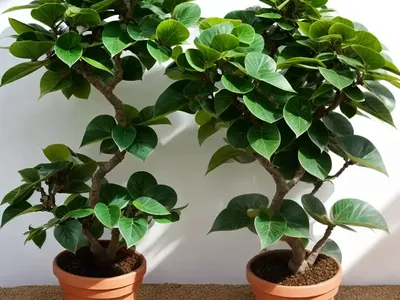
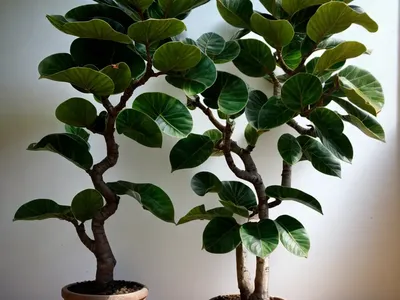
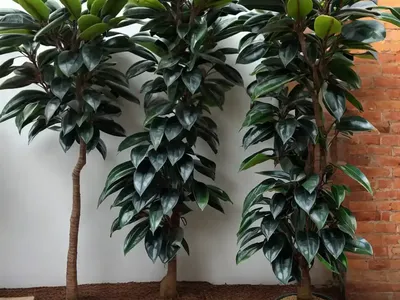
Rubber Plant (Ficus Elastica)
Plants have always intrigued us with their diverse forms and functions. One such plant that has captured the interest of plant enthusiasts and homeowners.
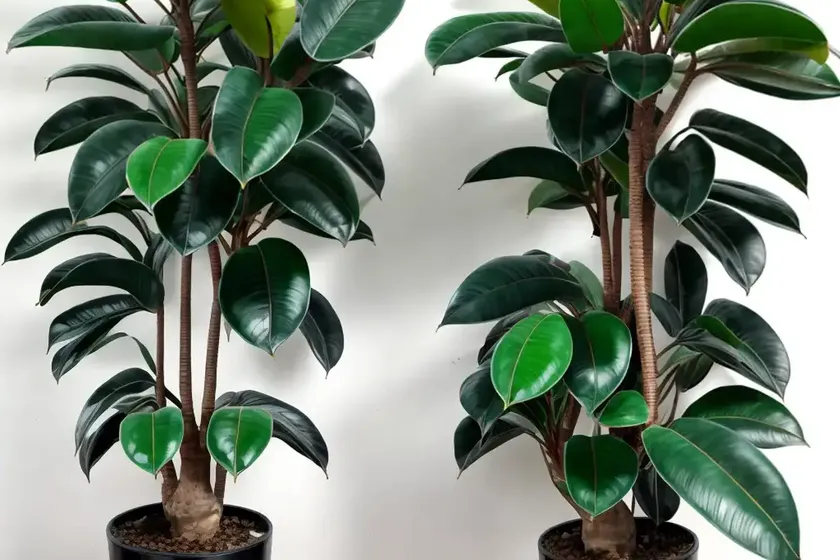
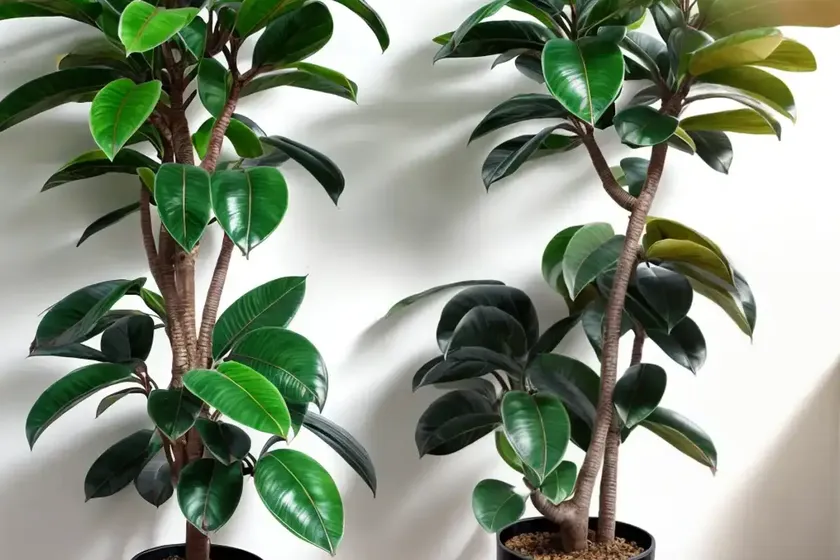
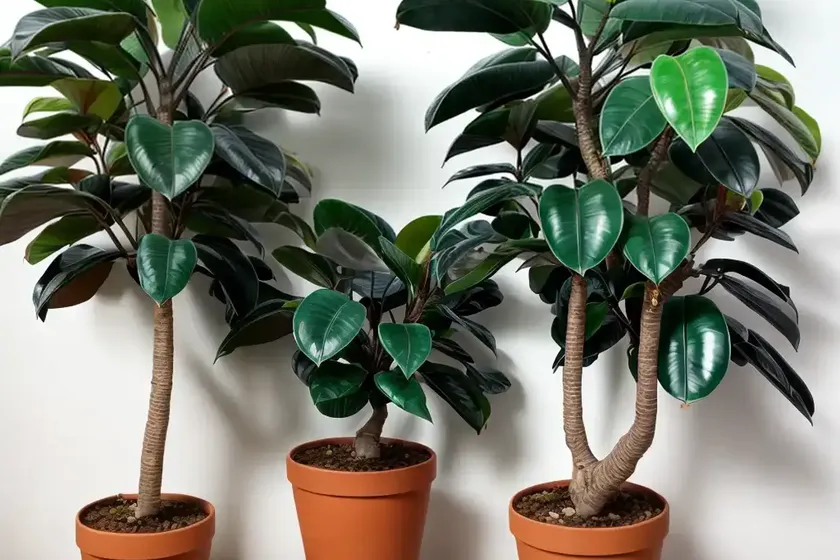
Plants have always intrigued us with their diverse forms and functions. One such plant that has captured the interest of plant enthusiasts and homeowners alike is the Rubber Plant, scientifically known as Ficus elastica. This tropical plant with its glossy leaves and impressive size is a favorite for indoor cultivation. In this comprehensive guide, we will delve into the various aspects of caring for a Rubber Plant, from its cultural requirements to its propagation, diseases, and pests.
What is the Rubber Plant (Ficus elastica)?
The Rubber Plant, or Ficus elastica, is a species of fig tree native to Southeast Asia. It belongs to the Moraceae family, which includes other well-known plants such as the Fiddle Leaf Fig (Ficus lyrata) and the Mulberry tree (Morus species). The Rubber Plant is known for its large, leathery leaves and upright growth habit, making it a popular choice for both indoor and outdoor landscapes.
Key Takeaways – Rubber Plant (Ficus elastica)
- Scientific Name: Ficus elastica
- Common Names: Rubber Plant, Rubber Tree
- Family: Moraceae
- Native Habitat: Southeast Asia
- Growth Habit: Evergreen tree
- Uses: Ornamental, air purifier
- Toxicity: Mildly toxic to pets and humans if ingested
Culture
The cultural requirements of the Rubber Plant are crucial to its health and overall growth. From ideal growing conditions to maintenance practices, let’s explore the various aspects of providing suitable culture for Ficus elastica.
Uses
Ornamental Plant
The Rubber Plant is primarily cultivated for its ornamental value. Its large, dark green leaves and imposing presence make it a striking addition to any indoor space or tropical garden. The plant’s aesthetic appeal is often enhanced by its ability to grow into a sizable, tree-like structure over time.
Air Purification
In addition to its visual allure, the Rubber Plant also contributes to the indoor environment by purifying the air. Like many other houseplants, Ficus elastica has been found to absorb and break down air pollutants, thus improving air quality within homes and offices.
Water
Proper watering is essential for the health and vitality of the Rubber Plant. While it is relatively tolerant of occasional dry spells, consistent moisture is important for optimal growth.
Frequency
- Water the Rubber Plant when the top 1-2 inches of the soil feel dry to the touch.
- In general, aim to water the plant every 1-2 weeks during the growing season (spring and summer) and reduce frequency during the dormant period (fall and winter).
Watering Methods
- Water thoroughly until the excess water drains from the bottom of the pot.
- Avoid letting the plant sit in standing water, which can lead to root rot.
Sunlight
Proper sunlight exposure is crucial for the Rubber Plant’s growth and leaf development.
Light Requirements
- Place the Rubber Plant in bright, indirect light for the best results.
- It can also tolerate some direct sunlight, particularly in the morning or late afternoon.
- Avoid prolonged exposure to intense, direct sunlight, as it can scorch the leaves.
Fertilizer
Regular fertilization helps promote healthy growth and foliage color in the Rubber Plant.
Frequency
- Fertilize the plant every 2-4 weeks during the growing season (spring and summer) when it is actively growing.
- Reduce or cease fertilization during the dormant period (fall and winter).
Fertilizer Type
- Use a balanced, water-soluble fertilizer formulated for houseplants.
- Dilute the fertilizer to half the recommended strength to prevent over-fertilization.
Soil
Choosing the right type of soil is crucial for ensuring proper drainage and root health in the Rubber Plant.
Soil Requirements
- Plant the Rubber Plant in well-draining, peat-based potting mix with perlite or sand to improve aeration and drainage.
- Avoid heavy, compacted soils that retain excess moisture.
Pruning
Pruning is an important aspect of Rubber Plant care, particularly for maintaining its shape and size.
Pruning Techniques
- Trim overgrown or leggy stems to encourage a bushier growth habit.
- Remove any damaged, yellowing, or diseased leaves promptly to prevent the spread of pests and diseases.
Propagation
Propagating the Rubber Plant allows for the creation of new plants and is a popular practice among plant enthusiasts.
Propagation Methods
- Propagate the Rubber Plant through stem cuttings taken during the growing season.
- Place the cuttings in water or a well-draining propagation medium until they develop roots.
Container
Choosing the right container for the Rubber Plant is essential for its overall health and growth.
Container Size
- Select a pot that provides ample room for the plant’s roots to spread while avoiding excessive soil moisture.
- Transplant the Rubber Plant to a slightly larger container every 2-3 years to accommodate its growth.
Popularity
The Rubber Plant, with its attractive foliage and relatively low maintenance requirements, has gained immense popularity as an indoor ornamental plant. Its versatility and adaptability to various indoor conditions make it a favorite choice for homes, offices, and public spaces.
Common Diseases and Pests
Despite being a resilient plant, the Rubber Plant is susceptible to certain diseases and pests which can impact its overall health and appearance.
Common Diseases
1. Leaf Spot
- Signs: Circular brown spots on the leaves.
- Causes: Fungal infection due to excessive moisture or poor air circulation.
- Treatment: Improve air circulation and avoid overhead watering. Apply a fungicidal spray if needed.
2. Root Rot
- Signs: Wilting, yellowing leaves and a foul odor from the soil.
- Causes: Overwatering and poorly draining soil.
- Treatment: Adjust the watering frequency and repot the plant in well-draining soil.
3. Powdery Mildew
- Signs: Powdery white patches on the leaves.
- Causes: Fungal infection favored by high humidity and poor air circulation.
- Treatment: Improve air circulation and use a fungicidal spray as necessary.
Disease Diagnosis
Symptoms: When diagnosing diseases in the Rubber Plant, observe the following symptoms:
– Leaf discoloration or spots
– Wilting or drooping leaves
– Mold or mildew growth on foliage
– Foul odor from the soil
Treatment: Identifying the specific disease and addressing its underlying causes is crucial. Maintain proper cultural practices and, if necessary, use appropriate fungicidal or bactericidal treatments.
Common Pests
1. Spider Mites
- Signs: Fine webbing on the plant, stippled and discolored leaves.
- Treatment: Use insecticidal soap or neem oil to control spider mite infestations.
2. Mealybugs
- Signs: White, cottony masses on the leaves and stems.
- Treatment: Remove mealybugs manually and use insecticidal soap or neem oil for persistent infestations.
3. Scale Insects
- Signs: Hard, brown scales on the stems and leaves.
- Treatment: Remove scale insects manually and apply horticultural oil or insecticidal soap.
Botanist’s Tips
- Maintain Consistent Care: Providing consistent watering, light, and fertilization helps the Rubber Plant thrive.
- Regular Inspections: Periodically inspect the plant for signs of pests and diseases to address them promptly.
- Prune Wisely: Use sharp, clean pruners to trim the Rubber Plant and promote healthy growth.
Fun Facts
- The milky white sap of the Rubber Plant was once used to produce natural rubber, hence its common name.
- In its native habitat, Ficus elastica can reach towering heights of 100 feet or more.
Links to External Resources
[1] American Horticultural Society – Rubber Plant Care Guide
[2] The Spruce – Growing and Caring for Rubber Plants
[3] University of Florida IFAS Extension – Ficus elastica Plant Care
[4] Royal Horticultural Society – Ficus elastica Propagation Techniques
[5] Missouri Botanical Garden – Common Diseases of Ficus elastica
In conclusion, the Rubber Plant (Ficus elastica) is a captivating and versatile plant that adds a touch of elegance to any indoor setting. By understanding its cultural requirements, engaging in regular care, and promptly addressing any issues, plant enthusiasts can enjoy the beauty and benefits of this remarkable tropical species. With the right attention and care, the Rubber Plant can thrive and become a beloved part of any plant collection or home decor.