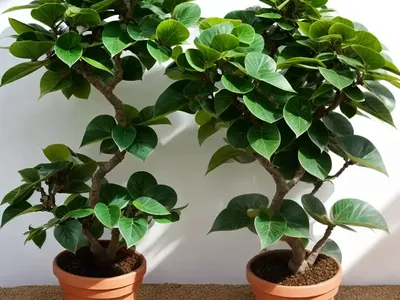
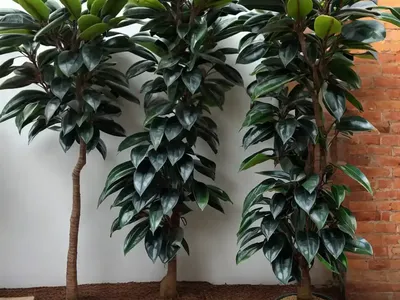
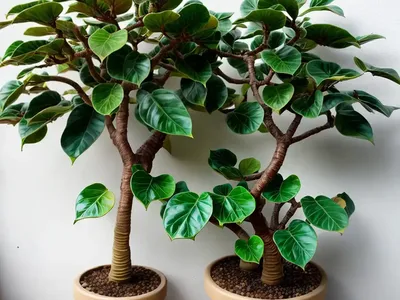
Fig (Ficus Microcarpa Hillii)
Plants, in all their diverse forms and functions, play an integral role in our natural environment and in our lives. Fig (Ficus Microcarpa Hillii) is one.
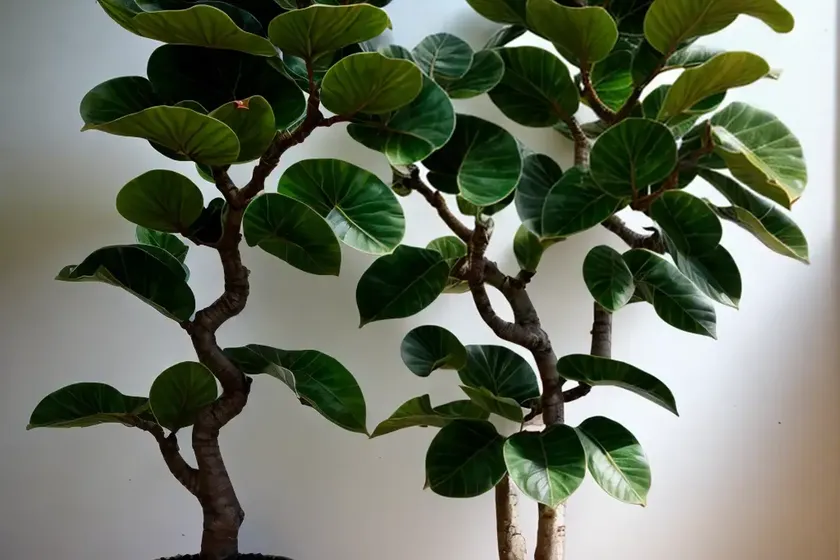

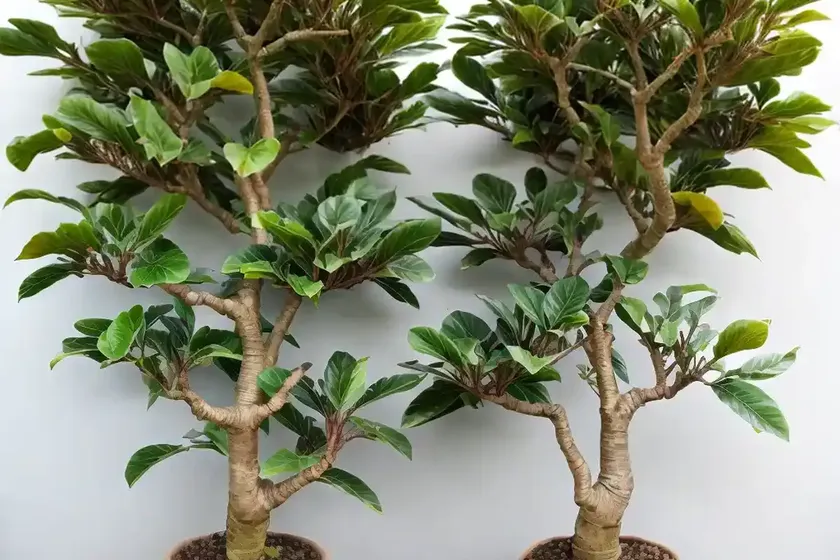
Plants, in all their diverse forms and functions, play an integral role in our natural environment and in our lives. Fig (Ficus Microcarpa Hillii) is one such plant that has garnered attention for its exceptional beauty and versatility. In this comprehensive guide, we will delve into the world of Fig (Ficus Microcarpa Hillii), exploring its unique characteristics, understanding its culture, uses, care, and maintenance, as well as uncovering some interesting facts and tips for plant enthusiasts.
What is Fig (Ficus Microcarpa Hillii)?
Fig (Ficus Microcarpa Hillii), also known as Hill’s Weeping Fig, is a beautiful and popular ornamental tree that belongs to the Ficus genus. It is native to Asia and Australia, and it is widely cultivated for its attractive foliage and versatility in landscaping.
This evergreen tree is known for its dense, weeping canopy and glossy, dark green leaves, making it a stunning addition to gardens, parks, and indoor spaces. With proper care and maintenance, Fig (Ficus Microcarpa Hillii) can thrive for many years, adding natural beauty and a sense of tranquility to its environment.
Key Takeaways – Fig (Ficus Microcarpa Hillii)
Before we delve into the specifics of caring for Fig (Ficus Microcarpa Hillii), let’s take a moment to highlight some key takeaways about this remarkable plant.
- Name: Fig (Ficus Microcarpa Hillii)
- Family: Moraceae
- Type: Evergreen tree
- Height: Up to 60 feet (18 meters) when grown outdoors
- Uses: Ornamental purposes, landscaping, indoor decoration
- Notable Features: Weeping foliage, glossy dark green leaves, aerial roots
- Native Range: Asia and Australia
Now that we’ve familiarized ourselves with the basic characteristics of Fig (Ficus Microcarpa Hillii), let’s explore the essential aspects of its culture, uses, and care.
Culture
Cultivating Fig (Ficus Microcarpa Hillii) involves understanding and providing for its specific cultural needs. By meeting these requirements, you can encourage healthy growth and vibrant foliage, ensuring that the plant thrives in its environment.
Uses
Before diving into the specific care requirements, it’s essential to understand the possible uses of Fig (Ficus Microcarpa Hillii). This versatile plant has several potential uses, both indoors and outdoors.
- Ornamental Purposes: Fig (Ficus Microcarpa Hillii) is primarily grown for its ornamental value. Its graceful weeping form, glossy foliage, and unique aerial roots make it a perfect choice for enhancing the aesthetic appeal of gardens, parks, and landscapes.
- Indoor Decoration: With the right conditions, Fig (Ficus Microcarpa Hillii) can thrive indoors, making it an attractive choice for decorating homes, offices, and other indoor spaces.
The various uses of Fig (Ficus Microcarpa Hillii) highlight its adaptability and aesthetic appeal, making it a popular choice among plant enthusiasts and landscapers.
Water
Proper watering is crucial for the health and vitality of Fig (Ficus Microcarpa Hillii). Understanding its water needs and maintaining an appropriate watering regimen can greatly impact the plant’s overall well-being.
- Watering Frequency: Fig (Ficus Microcarpa Hillii) generally prefers consistently moist soil, but it is essential to allow the soil to dry slightly between waterings. Overly wet or waterlogged soil can lead to root rot, while drought stress can cause leaf drop and decline.
- Indoor Care: When grown indoors, Fig (Ficus Microcarpa Hillii) should be watered when the top inch of the soil feels dry. Avoid overwatering, as it can lead to waterlogged soil and potentially cause root issues.
- Outdoor Care: In outdoor settings, Fig (Ficus Microcarpa Hillii) may require more frequent watering, especially during hot and dry periods. Providing a deep, thorough watering when the soil becomes dry to the touch is generally recommended.
Understanding the specific water requirements of Fig (Ficus Microcarpa Hillii) is essential for maintaining its health and promoting lush, vibrant foliage.
Sunlight
As with most plants, adequate sunlight is crucial for the growth and development of Fig (Ficus Microcarpa Hillii). Understanding its sunlight requirements and providing appropriate light conditions can significantly impact its overall well-being.
- Indoor Lighting: When grown indoors, Fig (Ficus Microcarpa Hillii) thrives in bright, indirect light. Positioning it near a sunny window or under fluorescent grow lights can help maintain its vigor and promote healthy growth.
- Outdoor Exposure: When cultivated outdoors, Fig (Ficus Microcarpa Hillii) favors partial to full sun. It can tolerate a wide range of light conditions but generally benefits from receiving several hours of direct sunlight each day.
By ensuring that Fig (Ficus Microcarpa Hillii) receives adequate sunlight, you can enhance its foliage density and overall appearance, promoting a thriving and visually appealing plant.
Fertilizer
Fertilizing Fig (Ficus Microcarpa Hillii) is essential for providing the necessary nutrients to support its growth and vitality. Understanding the appropriate fertilizer regimen and schedule can contribute to the plant’s overall health and vigor.
- Indoor Fertilization: When grown indoors, Fig (Ficus Microcarpa Hillii) benefits from regular fertilization during the growing season. Using a balanced, water-soluble fertilizer every four to six weeks can help support active growth and lush foliage.
- Outdoor Fertilization: For outdoor cultivation, applying a slow-release, balanced fertilizer in the spring can provide Fig (Ficus Microcarpa Hillii) with the nutrients it needs for the upcoming growing season. Additionally, a supplemental application in midsummer can help sustain its vigor throughout the year.
Fertilizing Fig (Ficus Microcarpa Hillii) in accordance with its specific needs can promote healthy growth, vibrant foliage, and overall resilience.
Soil
Understanding the soil preferences of Fig (Ficus Microcarpa Hillii) is vital for creating an optimal growing environment. By providing well-suited soil conditions, you can foster robust growth and lush foliage.
- Indoor Soil Requirements: When grown indoors, Fig (Ficus Microcarpa Hillii) thrives in a well-draining potting mix that retains moisture without becoming waterlogged. Using a blend of peat, perlite, and organic matter can create an ideal growing medium for indoor cultivation.
- Outdoor Soil Preferences: In outdoor settings, Fig (Ficus Microcarpa Hillii) prefers well-drained, fertile soil with a slightly acidic to neutral pH. Amending the soil with organic matter, such as compost or well-rotted manure, can improve its texture and nutrient content, supporting the plant’s vigor and growth.
By providing Fig (Ficus Microcarpa Hillii) with a suitable growing medium, you can establish an environment conducive to its well-being and flourishing foliage.
Pruning
Pruning is an essential aspect of Fig (Ficus Microcarpa Hillii) care, allowing for the maintenance of its size and shape, as well as the promotion of dense, healthy growth. Understanding the proper pruning techniques and timing is vital for maximizing the plant’s aesthetic appeal and overall vigor.
Pruning Techniques
Employing appropriate pruning techniques can help manage the size and form of Fig (Ficus Microcarpa Hillii), fostering its visual appeal and health.
- Formative Pruning: When young, Fig (Ficus Microcarpa Hillii) can be shaped through formative pruning to establish its desired structure and form. Removing unwanted branches and encouraging a central leader can promote a well-balanced and attractive canopy.
- Maintenance Pruning: Regular maintenance pruning, such as removing dead or diseased branches, promoting airflow, and shaping the canopy, can help maintain Fig (Ficus Microcarpa Hillii)’s overall health and aesthetic appeal.
By effectively employing pruning techniques tailored to Fig (Ficus Microcarpa Hillii)’s needs, you can sculpt and maintain a visually stunning and well-structured plant.
Propagation
Fig (Ficus Microcarpa Hillii) can be propagated through various methods, allowing for the expansion of its presence in both indoor and outdoor settings. Understanding the propagation techniques can enable plant enthusiasts to cultivate new specimens with ease.
- Stem Cuttings: Propagating Fig (Ficus Microcarpa Hillii) from stem cuttings is a common and effective method. By taking a healthy, actively growing cutting and providing the appropriate rooting conditions, new plants can be established.
- Air Layering: Air layering, a technique in which a portion of a branch is encouraged to develop roots while still attached to the parent plant, can also be used to propagate Fig (Ficus Microcarpa Hillii). Once roots have formed, the new plant can be separated and potted up.
Understanding and utilizing propagation techniques suited to Fig (Ficus Microcarpa Hillii) can facilitate the expansion of its presence and the enjoyment of its unique attributes.
Container Popularity
Fig (Ficus Microcarpa Hillii) is a popular choice for container cultivation due to its manageable size, graceful foliage, and adaptability. When grown in containers, it can serve as an attractive addition to indoor and outdoor spaces, offering versatility and aesthetic appeal.
- Indoor Containers: Cultivating Fig (Ficus Microcarpa Hillii) indoors in containers allows plant enthusiasts to enjoy its beauty and benefits within the confines of their homes. Its graceful, weeping form and glossy foliage make it a charming and visually striking addition to interior spaces.
- Outdoor Containers: Placing Fig (Ficus Microcarpa Hillii) in outdoor containers enables individuals to enhance the aesthetic appeal of their patios, decks, and garden areas. Its adaptability to container cultivation makes it an ideal choice for those seeking to augment their outdoor environment with natural beauty.
The popularity of cultivating Fig (Ficus Microcarpa Hillii) in containers highlights its versatility and aesthetic appeal, making it a desirable plant for various settings.
Common Diseases
Fig (Ficus Microcarpa Hillii) is susceptible to certain diseases that can impact its health and vitality. Understanding these common diseases and their characteristics is essential for implementing effective management strategies.
Disease Diagnosis
Diagnosing and addressing diseases that affect Fig (Ficus Microcarpa Hillii) is crucial for preventing their spread and minimizing their impact on the plant’s overall well-being.
- Leaf Spot: Leaf spot diseases, caused by various fungal pathogens, can lead to the formation of discolored spots on the foliage. These spots may enlarge and coalesce, potentially leading to premature leaf drop and diminished vigor.
- Root Rot: Excessive moisture and poorly drained soil can contribute to root rot, a fungal disease that affects the plant’s root system. Symptoms include wilting, yellowing foliage, and root discoloration.
By recognizing the symptoms and characteristics of common diseases that affect Fig (Ficus Microcarpa Hillii), plant enthusiasts and cultivators can take proactive measures to minimize their impact and promote the plant’s health.
Common Pests
Fig (Ficus Microcarpa Hillii) can fall victim to various pests that can compromise its health and aesthetic appeal. Understanding these common pests and their behaviors can aid in implementing effective pest management strategies.
Pest Identification
Identifying and addressing pests that affect Fig (Ficus Microcarpa Hillii is essential for preventing damage and maintaining the plant’s overall vigor.
- Aphids: These small, sap-sucking insects can infest the foliage of Fig (Ficus Microcarpa Hillii), leading to distorted growth and the secretion of honeydew. Severe infestations can result in stunted growth and diminished vitality.
- Spider Mites: These tiny arachnids can cause stippling and discoloration of Fig (Ficus Microcarpa Hillii) leaves, often leading to decreased photosynthetic capacity and vigor.
By understanding the characteristics and behaviors of common pests that afflict Fig (Ficus Microcarpa Hillii), plant enthusiasts can implement integrated pest management strategies to mitigate their impact and foster a healthy plant.
Botanist’s Tips
As a plant scientist passionate about the cultivation and care of Fig (Ficus Microcarpa Hillii), I would like to share some valuable tips and insights to help plant enthusiasts successfully grow and enjoy this remarkable plant.
- Monitor Watering: Pay close attention to the plant’s watering needs, ensuring that the soil moisture remains consistent and adequate. Avoid overwatering, as it can lead to root issues, and prevent drought stress by ensuring proper hydration.
- Provide Adequate Light: Whether grown indoors or outdoors, ensure that Fig (Ficus Microcarpa Hillii receives appropriate light conditions. Adjust the plant’s placement as needed to maintain its vitality and promote lush, healthy foliage.
- Prune Strategically: Regular pruning, when done strategically, can help shape Fig (Ficus Microcarpa Hillii and maintain its aesthetic appeal. Remove dead or diseased branches, and encourage a well-structured canopy to promote the plant’s health and visual allure.
Implementing these tips can contribute to the successful cultivation and care of Fig (Ficus Microcarpa Hillii), enabling plant enthusiasts to enjoy its beauty and benefits to the fullest.
Fun Facts
To further appreciate the unique characteristics and allure of Fig (Ficus Microcarpa Hillii), here are some captivating and intriguing fun facts about this remarkable plant:
- Air-Purifying Qualities: Fig (Ficus Microcarpa Hillii) is known for its air-purifying capabilities, removing harmful toxins from the surrounding environment and improving indoor air quality.
- Aesthetic Versatility: With its graceful weeping form and glossy foliage, Fig (Ficus Microcarpa Hillii is a versatile plant that can complement various design styles and landscaping themes.
- Cultural Significance: In certain cultures, Fig (Ficus Microcarpa Hillii) holds cultural and symbolic significance, often representing resilience, longevity, and natural beauty.
These fun facts shed light on the diverse appeal and fascinating attributes of Fig (Ficus Microcarpa Hillii), further enhancing its allure and value for plant enthusiasts and cultivators.
Links to External Resources
For plant enthusiasts seeking additional information, guidance, and resources related to Fig (Ficus Microcarpa Hillii) care and cultivation, I have compiled a list of helpful and informative external resources:
- Ficus Microcarpa Hillii Care Guide
- Pruning Techniques for Ficus Microcarpa Hillii
- Propagation Tips for Fig (Ficus Microcarpa Hillii)
- Comprehensive Guide to Fig Tree Varieties
- Indoor Fig Tree Care and Maintenance
These external resources provide valuable insights, tips, and guidance for cultivating and caring for Fig (Ficus Microcarpa Hillii), enriching the knowledge and expertise of plant enthusiasts and amateur botanists alike.
In conclusion, Fig (Ficus Microcarpa Hillii) stands as a remarkable and versatile plant that captures the imagination and admiration of plant enthusiasts and cultivators. By understanding its culture, uses, care requirements, and maintenance, individuals can successfully cultivate and enjoy the beauty and benefits of this exceptional plant. Here’s to the enduring allure and timeless elegance of Fig (Ficus Microcarpa Hillii) – a true gem in the world of plants.