Weeping Bottlebrush (Callistemon Viminalis)
Welcome to my in-depth guide on the Weeping Bottlebrush plant, scientifically known as Callistemon Viminalis. As a plant scientist, I have conducted.

Introduction
Welcome to my in-depth guide on the Weeping Bottlebrush plant, scientifically known as Callistemon Viminalis. As a plant scientist, I have conducted extensive research on this fascinating plant, and I am excited to share with you everything you need to know about its culture, uses, care, and much more. From its unique characteristics to its role in landscaping and wildlife support, this comprehensive guide will provide you with valuable insights into the world of Weeping Bottlebrush.
What is Weeping Bottlebrush (Callistemon Viminalis)?
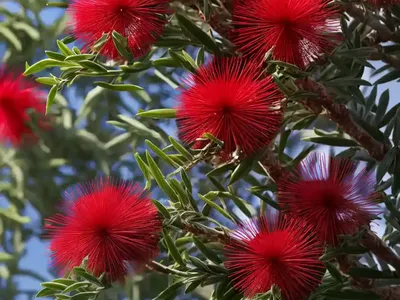
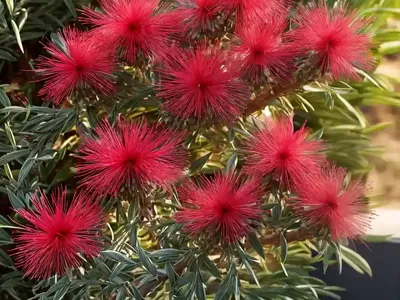
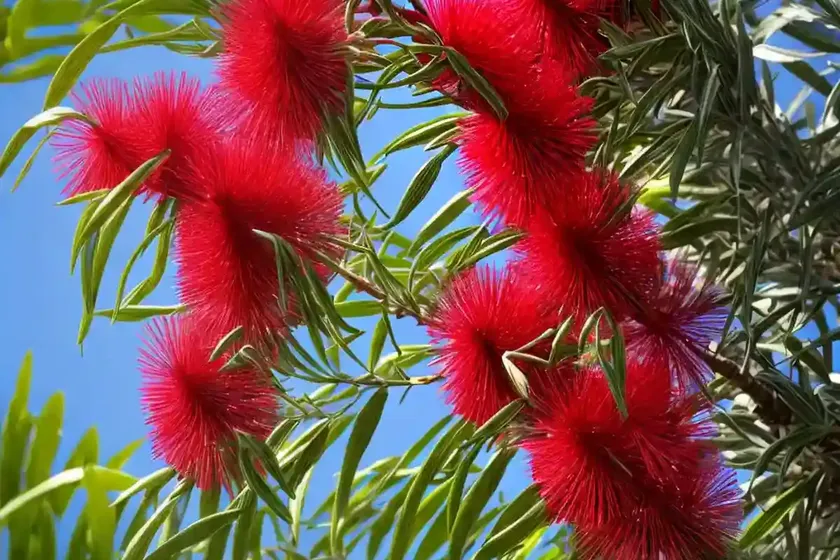
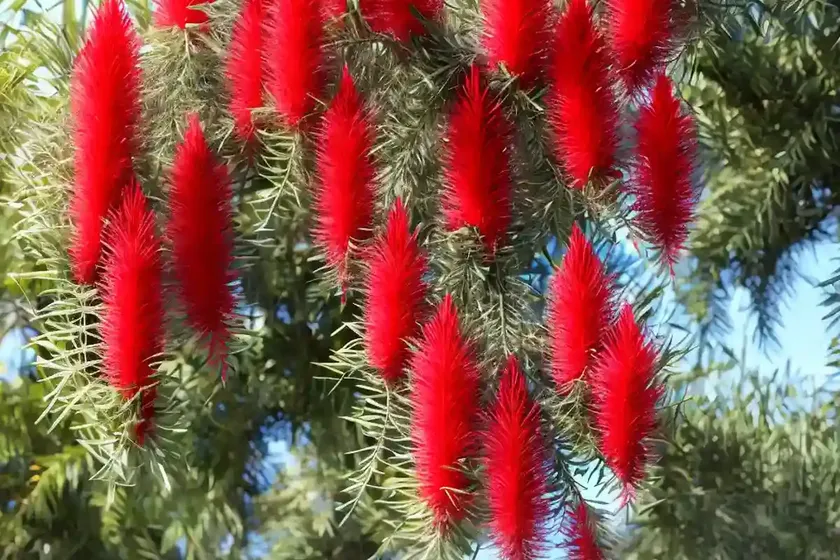
The Weeping Bottlebrush is an evergreen shrub or small tree that belongs to the myrtle family, Myrtaceae. This plant is native to Australia, specifically in the coastal regions of New South Wales and Queensland. It is known for its pendulous, brush-like flowers that resemble a traditional bottle scrubbing brush, hence the common name “Bottlebrush”.
The scientific name, Callistemon Viminalis, reflects its distinctive characteristics – “Callistemon” is derived from the Greek words “kalli” and “stemon”, meaning beautiful stamens, referring to the prominent, colorful stamens of the flowers. The specific epithet “Viminalis” is derived from the Latin word “vimen”, which means flexible or pliant, alluding to the weeping habit of the plant.
Key Takeaways – Weeping Bottlebrush (Callistemon Viminalis)
Before delving into the specifics of the Weeping Bottlebrush, let’s provide an overview of the key takeaways that we will be exploring in detail throughout this guide. These key takeaways will serve as our roadmap to understanding the culture, care, and uses of the Weeping Bottlebrush:
- Culture
- Uses
- Water
- Sunlight
- Fertilizer
- Soil
- Pruning
- Propagation
- Container Popularity
- Container
- Common Diseases
- Disease Diagnosis
- Common Pests
- Botanist’s Tips
- Fun Facts
Now, let’s embark on a journey into the diverse and captivating world of the Weeping Bottlebrush.
Culture
Native Habitat
Callistemon Viminalis is indigenous to the coastal regions of eastern Australia, where it thrives in a variety of habitats, including moist gullies, stream banks, and moist or wet forests. The plant demonstrates a remarkable tolerance for different soil types, from sandy to clay-based soils, and is often found in swampy or waterlogged areas.
Landscape Uses
The Weeping Bottlebrush has gained popularity as a decorative and ornamental plant in landscapes, gardens, and urban environments. Its striking, vibrant flowers and attractive foliage make it a desirable choice for hedges, borders, and garden specimen planting. Furthermore, the weeping habit of the plant adds a unique architectural element to landscaping, especially in contemporary and naturalistic garden designs.
The captivating appearance and wildlife-attracting qualities of the Weeping Bottlebrush also make it a valuable addition to wildlife gardens, coastal gardens, and drought-tolerant landscapes. The plant’s ability to attract pollinators, such as bees and birds, adds ecological value to its presence in diverse landscape settings.
Planting Tips
When considering the cultivation of Weeping Bottlebrush, it is essential to select a suitable planting site that provides adequate space for the plant to grow and express its weeping form. Full sun to partial shade is ideal for promoting vigorous growth and profuse flowering. It is important to ensure well-draining soil, as the plant can be susceptible to root rot in waterlogged conditions.
In terms of soil pH preferences, Callistemon Viminalis exhibits adaptability to a wide pH range, typically thriving within slightly acidic to slightly alkaline soils. It is recommended to provide consistent moisture, particularly during the establishment phase, to facilitate robust root development and overall plant health.
Uses
Ornamental Value
The Weeping Bottlebrush is primarily valued for its ornamental attributes, making it a sought-after plant for enhancing the visual appeal of landscapes and gardens. The pendulous, crimson or scarlet flowers, which bloom in terminal spikes, create a stunning display during the flowering season, attracting attention and admiration from enthusiasts and passersby alike.
The visual interest offered by the distinctive flowers and the dense, evergreen foliage of the Weeping Bottlebrush contributes to its usage in various landscape design applications, including:
-
Specimen Planting: The plant is often utilized as a standalone feature to draw focus and provide a focal point in garden beds or landscape settings. Its weeping form lends an elegant and graceful quality to the composition, showcasing the plant’s unique silhouette and floral display.
-
Hedging and Screening: When planted in rows or clusters, the Weeping Bottlebrush can serve as an effective hedge or screening plant, offering privacy and beauty simultaneously. The dense growth habit and arching branches create a natural partition, ideal for delineating boundaries or shielding specific areas within the landscape.
-
Container Gardening: Due to its ability to thrive in containers, Callistemon Viminalis is frequently incorporated into container gardens, patio settings, and urban landscapes. The striking appearance of the plant makes it a captivating addition to outdoor spaces, balconies, and courtyards, adding vibrant color and texture to the surroundings.
Wildlife Support
In addition to its visual appeal, the Weeping Bottlebrush plays a significant role in supporting wildlife, particularly pollinators and avian species. The nectar-rich flowers of the plant attract bees, butterflies, and nectar-feeding birds, such as honeyeaters, lorikeets, and hummingbirds, contributing to the ecological balance and biodiversity within the surrounding ecosystem.
The brush-like inflorescences of the Weeping Bottlebrush provide a valuable food source for nectar-feeding animals, facilitating pollination and ecological interactions. The plant’s dense foliage also offers shelter and nesting sites for birds, enhancing its role as a habitat provider in urban, suburban, and natural environments.
Medicinal and Culinary Uses
Beyond its horticultural significance, Callistemon Viminalis holds cultural and traditional importance in indigenous Australian communities, where it has been utilized for various medicinal and culinary purposes. The leaves and flower extracts of the plant have been employed in traditional herbal medicine, known for their antimicrobial and anti-inflammatory properties.
In indigenous herbal practices, preparations derived from the Weeping Bottlebrush were used to address ailments such as colds, coughs, and skin conditions, demonstrating the plant’s therapeutic potential. Furthermore, the aromatic foliage of the plant has been utilized for crafting herbal teas and infusions, infusing a delicate citrus-like flavor.
It is important to note that any utilization of the plant for medicinal or culinary purposes should be approached with caution and respect for traditional knowledge, ensuring ethical and sustainable practices.
Water
Proper watering is essential for the healthy growth and vitality of the Weeping Bottlebrush. Understanding the water requirements of Callistemon Viminalis is crucial for maintaining optimal plant health and promoting abundant flowering. Here are key considerations for watering the Weeping Bottlebrush:
Watering Frequency
As a general guideline, newly planted Weeping Bottlebrush specimens require regular watering to establish a strong root system. It is recommended to provide consistent moisture, ensuring that the root ball remains evenly moist, but not waterlogged, during the initial growth phase. Once the plant is established, it shows good tolerance to moderate drought conditions, though regular watering during prolonged dry periods is beneficial for promoting flowering and overall vigor.
Soil Moisture Levels
Monitoring soil moisture levels is crucial for determining the watering needs of the Weeping Bottlebrush. It is advisable to perform a simple soil moisture test by gently probing the soil near the root zone. If the soil feels dry to the touch at a depth of 2-3 inches, it indicates the need for watering. However, it is important to avoid overwatering, as excessively soggy conditions can lead to root rot and other detrimental issues.
Drought Tolerance
Callistemon Viminalis exhibits notable tolerance to drought once established, making it a suitable choice for water-wise gardening and arid landscape environments. The plant’s resilience to dry spells is attributed to its adaptive root system and ability to store water in its stems and foliage. In regions characterized by periodic drought conditions, the Weeping Bottlebrush offers an attractive, low-maintenance landscaping option that conserves water without compromising visual appeal.
Watering Tips
When watering the Weeping Bottlebrush, it is advisable to utilize a deep, thorough watering approach, allowing the water to penetrate the root zone effectively. This encourages the development of deep roots and enhances the plant’s ability to withstand dry periods. Applying a layer of organic mulch around the base of the plant assists in moisture retention, soil insulation, and weed suppression, contributing to the overall water management strategy for the Weeping Bottlebrush.
Sunlight
The Weeping Bottlebrush thrives in sunny to partially shaded environments, showcasing optimal growth and prolific flowering when provided with the appropriate sunlight exposure. Understanding the sunlight requirements of Callistemon Viminalis is fundamental for ensuring its vigor and enhancing its ornamental value. Here’s a detailed exploration of the sunlight preferences and considerations for the Weeping Bottlebrush:
Sun Exposure
Adequate sunlight is crucial for promoting robust growth and profuse flowering in the Weeping Bottlebrush. The plant thrives in full sun to partial shade, with an emphasis on receiving at least 6-8 hours of direct sunlight per day for optimal performance. When situated in a location with abundant sunlight, the Weeping Bottlebrush demonstrates vigorous growth, vibrant foliage, and an abundance of striking flowers, contributing to its visual allure in the landscape.
Sunlight Intensity
In terms of sunlight intensity, the Weeping Bottlebrush exhibits adaptability to varying light conditions, encompassing full exposure to bright, direct sunlight and partial exposure in dappled or filtered light settings. While the plant flourishes in sun-drenched locations, it also adapts well to partial shade, particularly in regions characterized by intense heat or prolonged periods of sunlight. Partial shade can mitigate potential stress from extreme heat and sun exposure, fostering a balanced and healthy growth habit.
Sunlight Considerations
When planning the placement of Weeping Bottlebrush within the landscape, it is essential to consider the orientation and microclimates of the planting site. Assessing the angle of sunlight exposure and potential shading from nearby structures or trees aids in determining the most suitable location for the plant. Additionally, the utilization of the Weeping Bottlebrush in outdoor living spaces, such as patios and courtyards, should account for the desired sun exposure preferences to optimize the plant’s performance and aesthetic appeal.
Heat and Sun Stress
In regions characterized by high temperatures and intense sunlight, the Weeping Bottlebrush may benefit from supplemental care to mitigate heat and sun stress. Providing adequate irrigation during hot, dry conditions and implementing mulching practices can assist in regulating soil moisture levels and minimizing water loss through evaporation. Furthermore, temporary shading or protection from harsh afternoon sun exposure can reduce potential stress on the plant, ensuring its resilience and vitality in challenging environmental conditions.
Fertilizer
Fertilization plays a vital role in sustaining the growth, flowering, and overall health of the Weeping Bottlebrush. By understanding the fertilizer requirements and best practices for Callistemon Viminalis, gardeners and landscape enthusiasts can optimize the plant’s performance and ensure its long-term vitality. Here’s an in-depth exploration of the fertilization guidelines for the Weeping Bottlebrush:
Nutrient Needs
The Weeping Bottlebrush thrives in nutrient-rich soil, benefitting from the presence of essential macronutrients and micronutrients that support vigorous growth and prolific flowering. When situated in well-balanced, fertile soils, the plant exhibits enhanced vitality, robust foliage development, and an abundance of vibrant, brush-like flowers. To meet the nutrient needs of Callistemon Viminalis, it is important to incorporate a tailored fertilization regimen that addresses the plant’s specific requirements.
Fertilizer Types
Incorporating a balanced, slow-release fertilizer formulated for flowering shrubs and ornamental plants is recommended for the Weeping Bottlebrush. Such fertilizers typically contain a balanced NPK (nitrogen, phosphorus, potassium) ratio, along with essential micronutrients, ensuring comprehensive nutrient uptake and sustained plant health. Slow-release formulations provide a consistent supply of nutrients over an extended period, supporting steady growth and flowering without the risk of rapid nutrient leaching or excessive vegetative expansion.
Fertilization Timing
The application of fertilizers for the Weeping Bottlebrush should align with the plant’s natural growth and flowering cycles to maximize the efficacy of nutrient uptake and utilization. Fertilization is ideally conducted during the early spring, just before the onset of new growth and flowering, to provide the plant with essential nutrients for the upcoming growing season. Additionally, a supplemental application of fertilizer in early summer can bolster the plant’s vigor and sustain flowering performance throughout the season.
Fertilizer Application
When applying fertilizer to the Weeping Bottlebrush, it is crucial to follow the manufacturer’s recommendations regarding the proper dosage and application methodology. Broadcasting the fertilizer evenly around the root zone of the plant and gently incorporating it into the topsoil ensures uniform nutrient distribution and minimizes the risk of localized nutrient imbalances. It is important to avoid direct contact of concentrated fertilizers with the foliage or stems of the plant, as this can lead to potential leaf burn or tissue damage.
Environmental Considerations
In regions with high rainfall or irrigated landscapes, it is essential to account for potential nutrient leaching and runoff when implementing fertilization practices. Choosing slow-release formulations that are less prone to leaching, adjusting the fertilizer dosage based on environmental conditions, and incorporating organic amendments to improve soil structure can contribute to sustainable and environmentally responsible fertilization for the Weeping Bottlebrush.
Soil
The soil composition and quality significantly influence the growth, resilience, and overall performance of the Weeping Bottlebrush. Understanding the soil requirements and preferences of Callistemon Viminalis is fundamental for providing an optimal growing environment and fostering the plant’s long-term vitality. Here’s an in-depth exploration of the soil considerations for the Weeping Bottlebrush:
Soil Type
Callistemon Viminalis showcases adaptability to a wide range of soil types, encompassing sandy soils, loamy soils, and clay-based soils. The plant’s remarkable tolerance to variable soil textures is attributed to its adaptive root system and resilience to soil moisture fluctuations. In well-draining soils, the Weeping Bottlebrush demonstrates robust growth and flowering, exemplifying its adaptability to diverse soil conditions.
Soil pH Preferences
The Weeping Bottlebrush exhibits flexibility in adapting to different soil pH ranges, thriving in slightly acidic to slightly alkaline soils. The plant’s capacity to tolerate pH variations contributes to its versatility in various landscape settings, enabling it to flourish in regions with moderately acidic to mildly alkaline soils. Soil pH levels ranging from 5.5 to 7.5 are generally conducive to the growth and development of Callistemon Viminalis, facilitating optimal nutrient uptake and metabolic processes within the plant.
Soil Drainage
Optimal soil drainage is critical for the Weeping Bottlebrush, as excessive waterlogging can result in root suffocation and susceptibility to diseases. In poorly drained or compacted soils, the risk of root rot and waterlogged conditions increases, posing a threat to the plant’s overall health. Implementing measures to enhance soil drainage, such as incorporating organic matter, creating raised planting beds, or installing subsurface drainage systems, supports the Weeping Bottlebrush’s resilience to waterlogged soils and promotes aeration of the root zone.
Soil Moisture Regulation
Regulating soil moisture levels is essential for sustaining the vigor and vitality of the Weeping Bottlebrush. Employing mulching practices around the base of the plant assists in soil moisture retention, weed suppression, and temperature moderation, creating an optimal microenvironment for the plant’s root system. Additionally, regular monitoring of soil moisture, particularly during periods of intense heat or extended dry spells, enables timely irrigation to maintain adequate moisture levels and mitigate potential water stress on the plant.
Soil Preparation
Prior to planting or transplanting the Weeping Bottlebrush, preparing the soil to meet the plant’s needs is pivotal for establishing a conducive growing environment. Incorporating organic amendments, such as well-rotted compost or aged manure, enhances soil structure, fertility, and microbial activity, improving the overall health and productivity of the planting site. Thoroughly loosening or aerating the soil and addressing any compaction issues contribute to optimal root penetration and establishment of the Weeping Bottlebrush.
Pruning
Pruning is a fundamental aspect of Weeping Bottlebrush care, serving to maintain the plant’s shape, promote flowering, and rejuvenate growth. Understanding the principles of pruning and the specific techniques for Callistemon Viminalis is essential for optimizing the plant’s visual appeal and longevity. Here’s an in-depth exploration of the pruning considerations for the Weeping Bottlebrush:
Pruning Timing
The ideal timing for pruning the Weeping Bottlebrush is after the flowering period has concluded, typically in late spring or early summer. Conducting pruning during this phase allows for the removal of spent flowers, dead or damaged branches, and excessive foliage without compromising the potential for future flowering. By pruning after the blooming season, the plant can allocate resources to new growth and bud development for the upcoming flowering cycle.
Pruning Objectives
Pruning the Weeping Bottlebrush serves several key objectives that contribute to the plant’s overall health, aesthetics, and functionality within the landscape. The primary objectives of pruning include:
-
Shaping: The weeping form of the Weeping Bottlebrush can be enhanced through selective pruning to maintain a balanced and graceful silhouette. Thinning out excessive growth, particularly within the interior of the plant, promotes a well-defined and airy structure that accentuates the cascading branches and vibrant foliage.
-
Flower Production: By removing spent flowers and shaping the plant, pruning encourages the development of new flower buds and rejuvenates the Weeping Bottlebrush for the subsequent flowering season. Pruning also facilitates air circulation and light penetration, contributing to improved flowering potential and flowering density.
-
Health and Vigor: Pruning out dead or diseased branches, as well as crossing or crowded growth, promotes overall plant health and vigor by reducing potential sources of stress and disease. Establishing a balanced framework of branches and foliage facilitates optimal nutrient distribution and supports the plant’s resilience in the face of environmental challenges.
Pruning Techniques
When pruning the Weeping Bottlebrush, employing proper techniques ensures the maintenance of the plant’s natural form and minimizes the risk of stress or damage. Key pruning techniques for Callistemon Viminalis include:
-
Deadheading: Removing spent flowers promptly after the flowering period prevents seed formation and promotes energy redirection towards vegetative growth and future flowering. Deadheading also enhances the overall visual appeal of the plant by tidying its appearance and preventing unsightly seed capsules from forming.
-
Thinning: Thinning out excess, overcrowded, or tangled growth within the plant’s canopy aids in improving air circulation, light penetration, and disease prevention. Selectively pruning branches that cross or rub against each other reduces the likelihood of damage and encourages the development of a well-spaced and balanced canopy.
-
Rejuvenation: Conducting rejuvenation pruning, particularly on older or overgrown specimens, involves selective removal of older branches, followed by rejuvenating the plant through the promotion of new growth. This technique revitalizes the Weeping Bottlebrush by stimulating fresh, vigorous growth and rejuvenating its ornamental and functional qualities.
Pruning Tools
Utilizing the appropriate pruning tools and equipment is crucial for achieving clean, precise cuts and minimizing potential harm to the Weeping Bottlebrush. Essential pruning tools for Callistemon Viminalis