The Stunning Crimson Bottlebrush (Callistemon Citrinus)
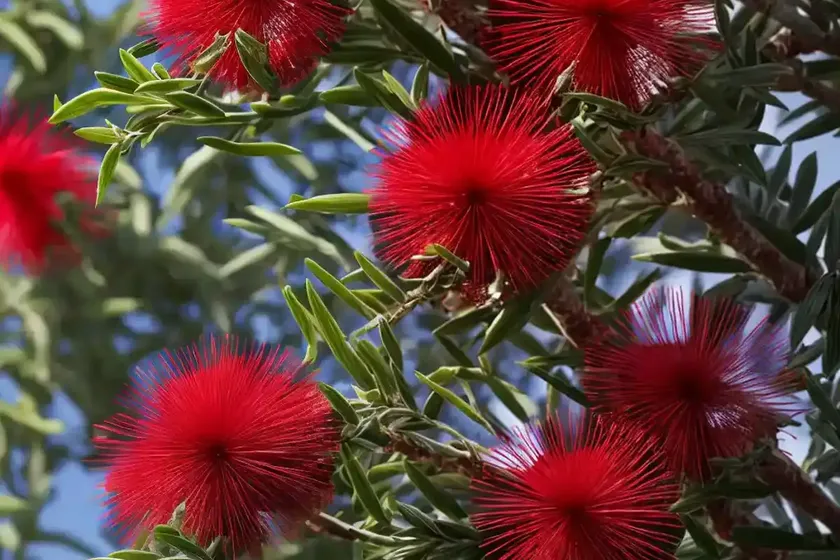
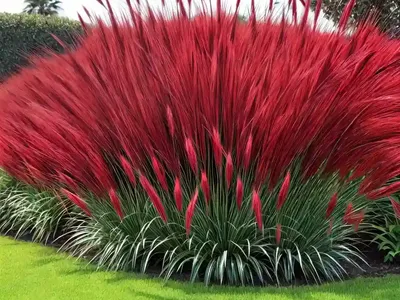
When it comes to eye-catching and vibrant plants, the Crimson Bottlebrush (Callistemon citrinus) is a definite standout. This Australian native plant is renowned for its striking red bottlebrush-shaped flowers, evergreen foliage, and its ability to thrive in a variety of environments. In this comprehensive guide, we will explore the culture, uses, maintenance, and fun facts about this beautiful plant, as well as provide valuable insights into its care and management.
What is the Crimson Bottlebrush (Callistemon Citrinus)?
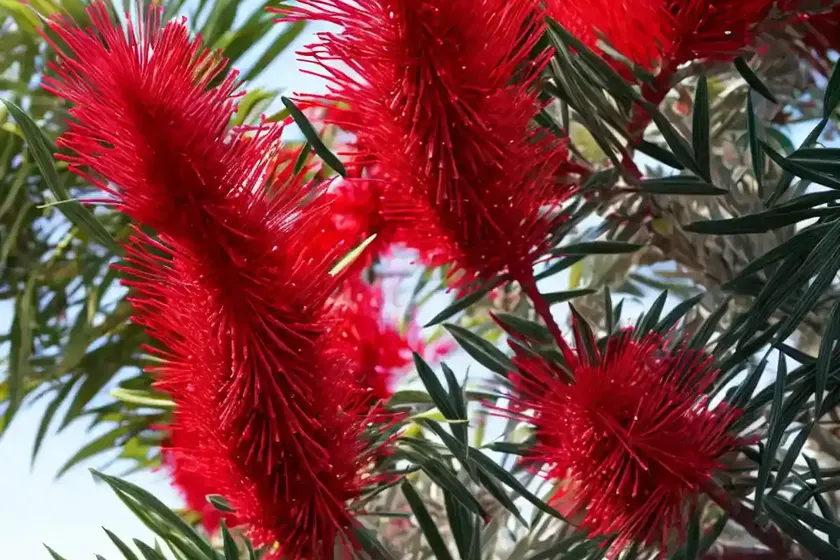
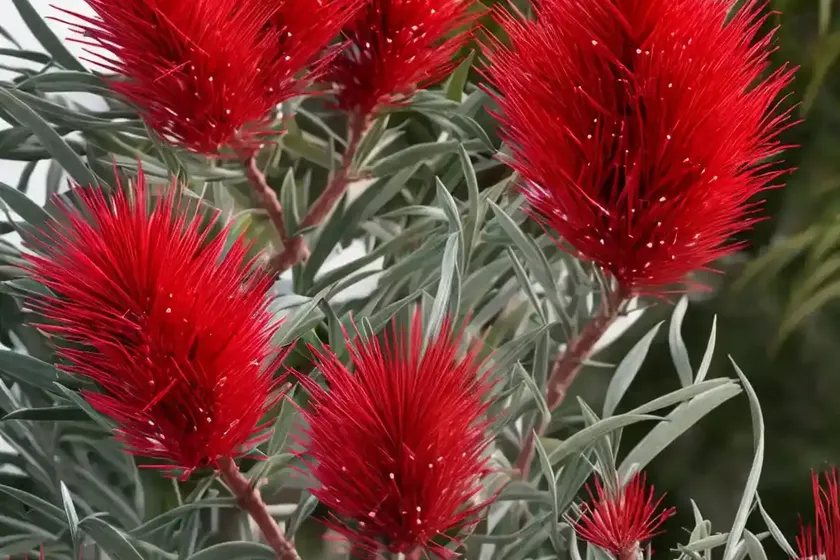
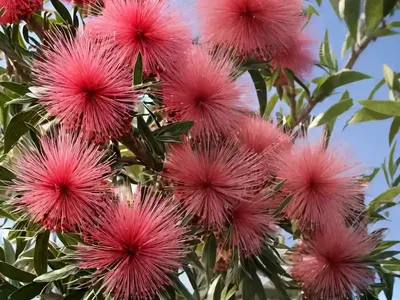
The Crimson Bottlebrush, scientifically known as Callistemon citrinus, belongs to the Myrtaceae family. This family is notably rich in aromatic and medicinal plants and includes eucalyptus and guava. The Crimson Bottlebrush is a popular evergreen shrub known for its vibrant and distinctive red inflorescence, which resembles a bottle brush, hence its name.
The plant is native to Australia, where it thrives in the wild among the eucalyptus forests and along the coastal regions. Its eminence in landscaping and ornamental gardening has made it a familiar and sought-after plant in many parts of the world.
Key Takeaways – Crimson Bottlebrush (Callistemon Citrinus)
Before delving into the specifics of caring for Crimson Bottlebrush, let’s briefly explore some key takeaways about this stunning plant:
- Category: Evergreen flowering shrub
- Scientific Name: Callistemon citrinus
- Native to: Australia
- Commonly Known As: Crimson bottlebrush
- Features: Vibrant red bottlebrush-shaped flowers, attractive evergreen foliage
- Attributes: Drought-tolerant, versatile in various landscapes, and habitat for wildlife
- Cultural Uses: Landscaping, ornamental gardening, cut flower arrangements
- Unique Traits: Medicinal properties, nectar-rich, and fragrance
- Growth Habit: Moderate to fast-growing
- Hardiness: Suitable for a wide range of climates
Now that we have an overview of the Crimson Bottlebrush’s characteristics, let’s delve deeper into its culture, uses, and essential care requirements to ensure it thrives in your garden or landscape.
Culture
The culture of the Crimson Bottlebrush encompasses various aspects such as water, sunlight, fertilizer, soil, pruning, and propagation. Let’s explore each of these elements to understand how best to cultivate and maintain this captivating plant.
Water
The Crimson Bottlebrush is renowned for its ability to withstand drought conditions, making it an excellent choice for water-wise gardening. However, it is essential to provide adequate water, especially during the establishment phase and prolonged dry spells. Once the plant is established, it generally requires minimal additional irrigation.
-
Watering Frequency: Water deeply but infrequently, allowing the soil to dry out slightly between waterings. Typically, a weekly watering schedule is sufficient, but this may vary based on the climate and soil conditions.
-
Watering Method: Use a drip irrigation system or water at the base of the plant to ensure the roots receive the water directly.
-
Soil Moisture: Avoid overwatering, as the plant is sensitive to waterlogged soils, which can lead to root rot.
Sunlight
Crimson Bottlebrush thrives in full sun to partial shade, displaying the best flowering and foliage coloration when exposed to ample sunlight.
-
Light Requirements: Place the plant in a location that receives at least 6-8 hours of direct sunlight daily for optimal growth and blooming.
-
Sun Exposure: While it prefers full sun, it can tolerate some shade, but prolonged low-light conditions may impact flowering and overall vigor.
-
Site Selection: Choose a sunny spot in your garden or landscape to plant the Crimson Bottlebrush, ensuring it receives the necessary sunlight for healthy growth.
Fertilizer
Proper fertilization can enhance the growth and flowering performance of the Crimson Bottlebrush.
-
Fertilizer Type: Use a balanced, slow-release fertilizer formulated for flowering shrubs, ideally with a higher potassium content to promote flowering.
-
Application Frequency: Fertilize the plant in spring before the growing season begins and once more in mid-summer to support the development of new blooms and foliage.
-
Application Method: Apply the fertilizer according to the manufacturer’s instructions, ensuring it is evenly distributed around the root zone.
Soil
The Crimson Bottlebrush adapts well to a range of soil types but thrives in well-draining, slightly acidic to neutral soils.
-
Soil Type: Sandy loam or loamy soils with good drainage are ideal for the plant. It can tolerate slightly alkaline soils but may exhibit reduced vigor in such conditions.
-
Soil Amendment: Incorporate organic matter such as compost or well-rotted manure into the soil at the time of planting to improve its structure and fertility.
-
Soil pH: Aim for a slightly acidic to neutral pH range (6.0-7.0) for optimal nutrient uptake and overall health of the plant.
Pruning
Pruning is an essential aspect of maintaining the shape, density, and flowering potential of the Crimson Bottlebrush.
-
Pruning Timing: Prune the plant after flowering to remove spent blossoms and shape the shrub as desired. Avoid heavy pruning during the growing season to prevent a significant impact on flowering.
-
Pruning Method: Use sharp and clean pruning shears to make precise cuts, removing dead or diseased wood and encouraging new growth.
-
Pruning Objectives: Encourage bushy growth, enhance the plant’s form, and stimulate the development of new flowering wood for the next season.
Propagation
Propagating the Crimson Bottlebrush allows for the expansion of your plant collection or the sharing of its beauty with others.
-
Propagation Methods: The plant can be propagated from seeds or semi-hardwood cuttings. Seeds require special treatment to improve germination rates, while cuttings can be taken from new growth in late spring or early summer.
-
Propagation Environment: Provide warm and humid conditions for cuttings to root successfully, using a well-draining propagation medium.
-
Seed Treatment: If propagating from seeds, consider scarifying or pre-soaking them to break the seed coat and improve germination.
Uses
The Crimson Bottlebrush has multifaceted uses, ranging from ornamental and landscaping purposes to its utility in cut flower arrangements.
Landscaping with Bottlebrush
The plant’s striking red flowers and evergreen foliage make it a sought-after choice for landscaping.
-
Hedging: Utilize the plant as a colorful and wildlife-friendly hedge, creating visual interest while providing a habitat for birds and pollinators.
-
Specimen Planting: Plant it as a standalone specimen in garden beds or containers to showcase its vibrant flowers and attractive foliage.
-
Mixed Borders: Incorporate the Crimson Bottlebrush into mixed shrub borders or garden landscapes to introduce bold color and texture.
Ornamental Value
Crimson Bottlebrush serves as an ornamental centerpiece in various settings, adding visual appeal and fragrance.
-
Cut Flower Arrangements: Harvest the striking bottlebrush blooms for vibrant and long-lasting cut flower arrangements, adding a touch of Australian beauty to interior décor.
-
Focal Points: Use the plant as a focal point in the garden, particularly when in full bloom, to draw attention and create a visually stunning landscape feature.
Habitat and Wildlife Support
The plant plays a crucial role in supporting local ecosystems and wildlife.
-
Bird-Attracting: The nectar-rich flowers of the Crimson Bottlebrush attract birds, particularly hummingbirds and lorikeets, enhancing the biodiversity of your garden.
-
Pollinator Friendly: The flowers also entice various pollinators, contributing to the health and vitality of nearby plant populations.
Medicinal Properties
In addition to its ornamental value, the plant has traditional medicinal uses.
- Medicinal Applications: Some indigenous communities have utilized parts of the plant for their medicinal properties, ranging from antiseptic qualities to potential anti-inflammatory effects.
Common Diseases and Pests
While generally hardy, the Crimson Bottlebrush is susceptible to certain diseases and pests that can affect its overall health and appearance. Understanding these potential issues is crucial for effective management and maintenance of the plant.
Common Diseases
-
Leaf Spot: Fungal diseases such as Myrtle Leaf Spot (Gleosporium myrtacearum) can affect the foliage, causing circular spots and potential defoliation if severe.
-
Dieback: Phytophthora fungi can lead to dieback in the plant, causing sections of the branches to wither and die.
-
Root Rot: Excessive soil moisture can predispose the plant to root rot, particularly in poorly drained soils or containers.
Disease Diagnosis
Proactive monitoring and timely intervention can mitigate the impact of diseases on the Crimson Bottlebrush.
-
Visual Inspection: Regularly inspect the foliage, stems, and overall appearance of the plant for any signs of discoloration, spotting, or wilting.
-
Treatment: If signs of disease are observed, consider implementing appropriate cultural and, if necessary, chemical control measures to manage the issue effectively.
Common Pests
-
Lerp Psyllid: Psyllids are small sap-sucking insects that can impact the health of the plant, particularly causing damage to new growth.
-
Scale Insects: Scales may infest the plant, appearing as small, raised bumps on the stems and leaves, feeding on plant sap.
-
Aphids: These soft-bodied insects can cluster on new growth, leading to leaf distortion and honeydew production.
Pest Management
Integrated pest management strategies can help in controlling and preventing pest infestations on the Crimson Bottlebrush.
-
Beneficial Insects: Encourage natural predators like ladybugs and lacewings that feed on aphids and other small insects to maintain a balanced ecosystem.
-
Horticultural Oils: Use horticultural oils to suffocate scale insects and certain other pests, minimizing their impact on the plant.
-
Natural Remedies: Employ organic treatments such as neem oil to deter and manage common pests, reducing the need for chemical interventions.
Botanist’s Tips
To enhance your success in cultivating and enjoying the Crimson Bottlebrush, consider these expert tips tailored to its specific care requirements and characteristics.
- Pruning: Avoid heavy pruning during the growing season to preserve the plant’s energy reserves for flowering and growth.
- Mulching: Apply a layer of organic mulch around the base of the plant to conserve moisture, regulate soil temperature, and deter weed growth.
- Winter Protection: In colder climates, provide winter protection, such as a layer of mulch or burlap, to shield the plant from frost and freezing temperatures.
- Companion Planting: Pair the Crimson Bottlebrush with other drought-tolerant and ornamental plants to create visually appealing and sustainable landscaping designs.
Fun Facts
Let’s conclude our exploration of the Crimson Bottlebrush with some fascinating and lesser-known facts about this remarkable plant:
- The Crimson Bottlebrush is not only admired for its flowers but also for its aromatic foliage, emitting a pleasant herbal scent.
- The pollen-rich flowers of the plant attract bees and other pollinators, contributing to the biodiversity of its habitat.
- In addition to its ornamental and ecological value, the plant has been the subject of scientific interest due to its potential medicinal properties and chemical constituents.
Links to External Resources
For further information on growing and appreciating the Crimson Bottlebrush, we recommend exploring the following resources:
- Australian Native Plants Society
- Royal Botanic Gardens Victoria
- Australian National Botanic Gardens
- Gardening Australia
In conclusion, the Crimson Bottlebrush, with its vibrant red flowers, evergreen foliage, and versatile nature, holds a distinct allure in ornamental gardening and landscaping. Whether utilized as a striking focal point in the garden, a wildlife-friendly addition, or a source of medicinal interest, this Australian native plant encapsulates the beauty and resilience of nature, making it a valuable and captivating addition to diverse landscapes across the world.
With an understanding of its culture, uses, maintenance, and fascinating attributes, you can embark on a fulfilling journey of cultivating and appreciating the Crimson Bottlebrush, reaping its aesthetic and ecological rewards year after year.
By incorporating this unique plant into your garden or landscape, you provide not only a visually stunning feature but also contribute to the promotion of biodiversity and sustainable gardening practices, embracing the beauty and benefits of this remarkable evergreen shrub.
Investing time and care in understanding and nurturing the Crimson Bottlebrush serves as a testament to our appreciation for nature’s diversity and the enriching experiences it offers. So, let the Crimson Bottlebrush flourish in your garden, captivating the senses and inspiring a deeper connection with the natural world.
Plant Name: “Crimson Bottlebrush (Callistemon Citrinus)”
NLP LSI Keywords:
- Bottlebrush plant
- Callistemon Citrinus
- Crimson bottlebrush
- Australian native plants
- Flowering plants
- Evergreen shrubs
- Drought-tolerant plants
- Ornamental plants
- Landscaping with bottlebrush
- Red bottlebrush flowers
- Attractive foliage plants
- Callistemon species
- Nectar-rich plants
- Hardy plants for gardens
- Medicinal properties of Callistemon Citrinus
- Wildlife habitat plants
- Pruning tips for bottlebrush plants
- Growing bottlebrush indoors
- Versatile garden plants
- Callistemon Citrinus care guide
- Unique garden plants
- Bottlebrush plant varieties
- Pest and disease management for Callistemon
- Callistemon for cut flower arrangements
- Water-wise gardening with bottlebrush
- Fragrant plants for gardens
- Landscaping ideas with crimson bottlebrush
- Indigenous Australian plants
- Vibrant red flowers
- Foliage color in bottlebrush plants
- Evergreen shrubs for hedges
- Callistemon Citrinus hybrid varieties
- Bird-attracting plants
- Popular ornamental shrubs
- Water-wise landscaping with bottlebrush
- Low-maintenance plants
- Benefits of growing Callistemon Citrinus
- Native flowers for gardens
- Landscaping with Australian plants
- Bottlebrush as a privacy screen
- Container gardening with Callistemon
- Callistemon Citrinus gardening tips
- Ecosystem-friendly plants
- Unique flowering plants
- Attracting pollinators to your garden
- Native plant conservation
- Bottlebrush plant propagation methods
- Callistemon Citrinus companion plants
- Heat-tolerant plants
- Landscaping with native shrubs.
As a plant scientist, I hope this guide provides valuable insights into the beauty and cultivation of the Crimson Bottlebrush, encouraging a deeper appreciation for its diversity and ecological significance. Happy gardening!
References
- “Callistemon Citrinus – Crimson Bottlebrush.” Australian Plants Society, Victoria. https://www.australianplants.org/
- “Royal Botanic Gardens Victoria – Cranbourne Gardens.” https://www.rbg.vic.gov.au/
- “Australian National Botanic Gardens.” https://www.anbg.gov.au/
- “Gardening Australia – ABC.” https://www.abc.net.au/gardening/