Bottlebrush (Callistemon)
The bottlebrush (Callistemon) is a unique and captivating plant that belongs to the Myrtaceae family. Its name “bottlebrush” is derived from its striking.
Introduction to Bottlebrush
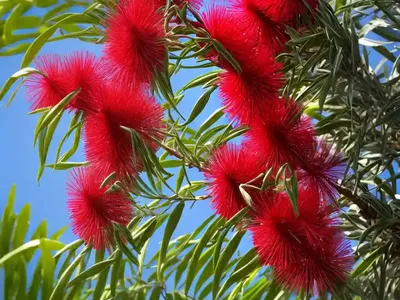
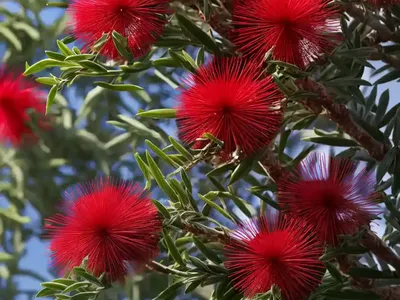
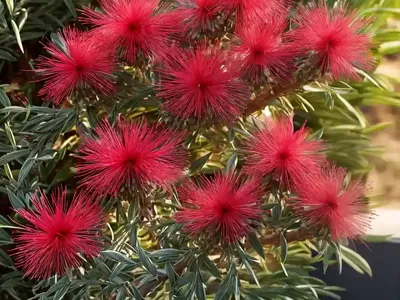
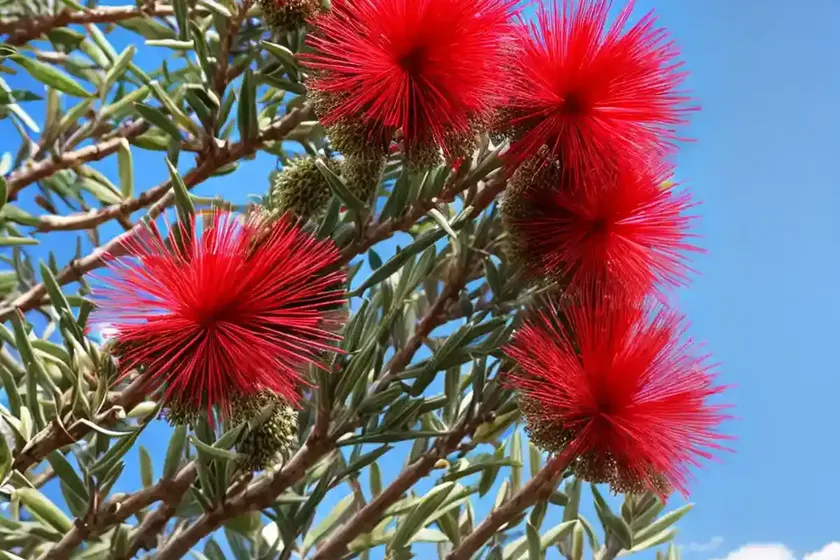
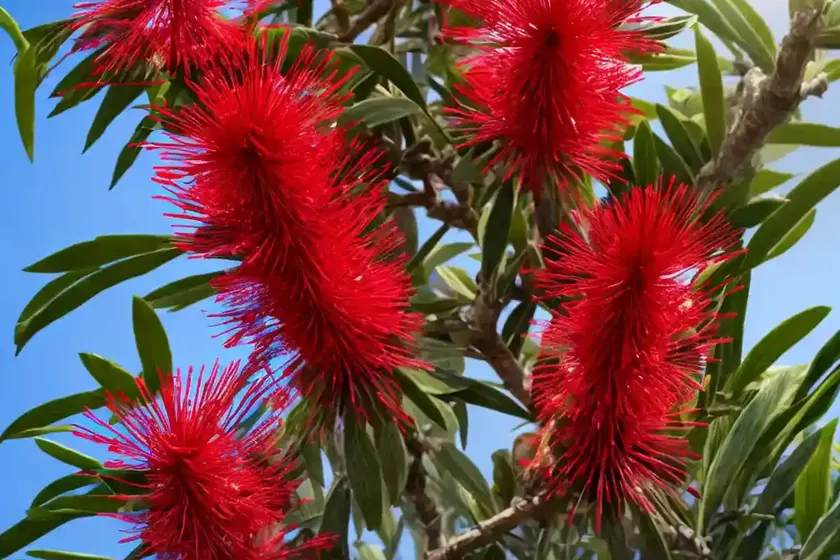
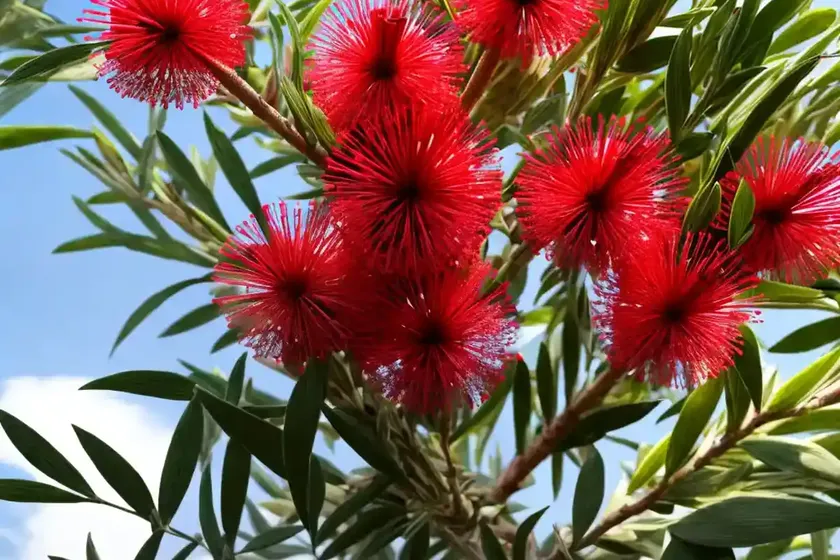
The bottlebrush (Callistemon) is a unique and captivating plant that belongs to the Myrtaceae family. Its name “bottlebrush” is derived from its striking, cylindrical, brush-like flowers that closely resemble a traditional bottle brush. Callistemon comprises approximately 34 species, all of which are native to Australia, with a few found in New Caledonia and other nearby regions. These plants are renowned for their vibrant and dazzling red, pink, or crimson flower spikes, which add a spectacular touch to home gardens, landscapes, and various natural settings.
Bottlebrush plants are notably hardy, versatile, and adaptable, making them an excellent choice for both novice and seasoned gardeners. With proper care and attention, these plants can thrive in a wide array of climates, soil types, and light conditions. They are also capable of attracting pollinators, such as bees and butterflies, making them a valuable addition to wildlife gardens.
In this comprehensive guide, we will delve into the different aspects of bottlebrush plants, including their cultivation, care, uses, and more. By the end of this article, you will have gained extensive knowledge on how to cultivate and maintain bottlebrush plants, along with valuable insights into their ecological and horticultural significance. Let’s embark on an enlightening journey into the world of bottlebrush plants.
Key Takeaways on Bottlebrush (Callistemon)
Bottlebrush (Callistemon) plants are replete with intriguing features and characteristics, ranging from their ecological benefits to their remarkable adaptability. Here are the key takeaways about bottlebrush plants:
-
Callistemon Plant Care: Bottlebrush plants require attentive and diligent care, encompassing proper watering, sunlight exposure, soil quality, and pruning techniques.
-
Bottlebrush Plant Types: The Callistemon genus comprises various plant species, each distinguished by unique attributes, flower colors, and growth habits, providing diverse options for gardeners.
-
Callistemon Pruning Tips: Regular pruning is essential for maintaining the health, shape, and vigor of bottlebrush plants, and understanding the correct pruning techniques is vital for optimal growth.
-
Growing Bottlebrush Plants: Exploring the optimal conditions for growing bottlebrush plants, including considerations for climate, water requirements, and suitable companions for co-planting.
-
Bottlebrush Plant Species: A comprehensive overview of the different species within the Callistemon genus, highlighting their individual characteristics and distribution.
-
Callistemon Flower Colors: Bottlebrush plants exhibit a stunning array of flower colors, from vibrant reds to delicate pinks, adding an enchanting visual allure to any landscape.
-
Bottlebrush Shrub Varieties: An exploration of the diverse shrub varieties of bottlebrush, each with its own unique features and growth patterns.
-
How to Propagate Callistemon: Understanding the various methods for propagating bottlebrush plants, such as through seeds, cuttings, or other propagation techniques.
-
Bottlebrush Diseases and Pests: Identifying common diseases and pests that affect bottlebrush plants, and implementing effective measures for disease prevention and control.
-
Callistemon Plant Benefits: Recognizing the ecological and horticultural benefits of bottlebrush plants, from attracting wildlife to their potential medicinal properties.
-
Bottlebrush Landscaping Ideas: Creative and inspirational ideas for incorporating bottlebrush plants into landscaping designs and garden settings.
-
Callistemon for Wildlife Gardens: Exploring the role of bottlebrush plants in creating wildlife-friendly gardens and their contribution to biodiversity conservation.
-
Growing Bottlebrush in Containers: Guidelines and tips for successfully cultivating bottlebrush plants in containers, enabling their growth in various urban and space-limited environments.
-
Callistemon Companion Plants: Identifying suitable companion plants to complement and enhance the visual appeal and growth of bottlebrush plants.
-
Bottlebrush Pollination Process: Shedding light on the pollination process of bottlebrush plants, along with their significance in supporting pollinators and ecosystems.
-
Callistemon Plant Characteristics: A detailed exploration of the distinctive characteristics of bottlebrush plants, encompassing foliage, flowers, and growth habits.
-
Bottlebrush in Coastal Gardens: Understanding the suitability of bottlebrush plants for coastal gardens, considering their salt tolerance, wind resistance, and aesthetic qualities.
-
Callistemon Plant Facts: Uncovering fascinating facts and trivia about bottlebrush plants, enriching your knowledge and appreciation for these remarkable species.
-
Bottlebrush Plant Symbolism: Exploring the symbolic meanings associated with bottlebrush plants in various cultures, traditions, and folklore.
-
Callistemon Plant Hardiness: Assessing the hardiness of bottlebrush plants in different climates and regions, guiding selection based on cold and heat tolerance.
-
Bottlebrush Water Requirements: Understanding the specific water needs of bottlebrush plants, considering factors such as rainfall, irrigation, and drought resistance.
-
Callistemon Medicinal Properties: Discovering potential medicinal properties or traditional uses of bottlebrush plants, reflecting their cultural and historical significance.
-
Bottlebrush Pruning Techniques: Delving into the art and science of pruning bottlebrush plants, encompassing timing, strategies, and its impact on growth and flowering.
-
Callistemon for Cut Flowers: Evaluating the suitability of bottlebrush flowers for cut arrangements, exploring their longevity and aesthetic appeal.
-
Bottlebrush Soil Preferences: Assessing the ideal soil conditions for bottlebrush plants, encompassing acidity, drainage, and soil composition.
-
Callistemon Plant Size: Understanding the growth potential and size variations of bottlebrush plants, aiding in garden planning and spacing considerations.
-
Bottlebrush Plant Lifespan: Exploring the lifespan and longevity of bottlebrush plants, from their establishment to maturity and potential lifespan extensions.
-
Callistemon Propagation Methods: A detailed overview of the various methods for propagating bottlebrush plants, ensuring successful reproduction and expansion.
-
Bottlebrush Sun Exposure: Understanding the light requirements of bottlebrush plants, from full sun to partial shade, and their impact on growth and flowering.
-
Callistemon as a Hedge Plant: Assessing the suitability of bottlebrush plants for hedging, considering their density, growth rate, and trimming requirements.
-
Bottlebrush Flower Structure: Examining the intricate and distinctive flower structure of bottlebrush plants, highlighting their floral anatomy and reproductive features.
-
Callistemon Drought Tolerance: Understanding the drought tolerance and resilience of bottlebrush plants, enabling their cultivation in arid and water-stressed environments.
-
Bottlebrush Plant Folklore: Uncovering the cultural and folkloric traditions surrounding bottlebrush plants, revealing their significance in myths, legends, and traditions.
-
Callistemon Native Habitats: Exploring the natural habitats and distribution of bottlebrush plants in their native range, providing insights into their ecological niche and adaptability.
-
Bottlebrush Winter Care: Guidelines and considerations for winter care and protection of bottlebrush plants in colder climates, ensuring their vitality and survival.
-
Callistemon in Xeriscaping: Assessing the suitability of bottlebrush plants for xeriscaping, given their water-wise characteristics and adaptability to arid landscapes.
-
Bottlebrush Plant Symbolism: Expanding on the symbolic meanings associated with bottlebrush plants, from cultural symbolism to their representation in literature and art.
-
Callistemon Bark Characteristics: Examining the unique bark characteristics of bottlebrush plants, encompassing texture, color, and its ornamental value.
-
Bottlebrush Attract Butterflies: Understanding the role of bottlebrush plants in attracting and supporting butterfly populations, contributing to biodiversity conservation.
-
Callistemon for Bee Gardens: Exploring the value of bottlebrush plants in bee-friendly gardens, providing nectar and pollen resources for vital pollinators.
-
Bottlebrush Plant Uses: Unveiling the diverse uses and applications of bottlebrush plants, from ornamental landscaping to potential culinary or industrial uses.
-
Callistemon in Australian Gardens: Recognizing the cultural and horticultural significance of bottlebrush plants in Australian gardens and landscapes.
-
Bottlebrush Pruning Schedule: Establishing a pruning schedule and calendar for maintaining the health and vitality of bottlebrush plants throughout the year.
-
Callistemon for Privacy Screens: Evaluating the suitability of bottlebrush plants for creating privacy screens and barriers, considering their density and growth habit.
-
Bottlebrush Plant Adaptations: Investigating the unique adaptations of bottlebrush plants to various environmental conditions, showcasing their resilience and flexibility.
-
Callistemon Fragrance Profile: Exploring the aromatic qualities of bottlebrush flowers and foliage, adding a sensory dimension to their horticultural appeal.
-
Bottlebrush Bird Attractor: Recognizing the role of bottlebrush plants as bird attractors, creating habitats and food sources for diverse avian species.
-
Callistemon Folklore and Myths: Delving into the rich folklore and myths surrounding bottlebrush plants, from indigenous legends to contemporary tales.
-
Bottlebrush as a Bonsai Plant: Exploring the potential for cultivating bottlebrush plants as bonsai specimens, highlighting their suitability for miniature landscapes.
-
Callistemon in Traditional Medicine: Investigating the traditional medicinal uses or cultural significance of bottlebrush plants in indigenous or traditional healing practices.
Bottlebrush (Callistemon) Cultivation
Plant Overview
Bottlebrush plants are renowned for their striking and distinctive features, making them a desirable addition to gardens and landscapes. Here are some essential characteristics and attributes of bottlebrush plants:
- Botanical Name: Callistemon spp.
- Family: Myrtaceae
- Native Range: Australia, New Caledonia, and neighboring regions.
- Flower Characteristics: Cylindrical, brush-like flowers in vibrant hues of red, pink, or crimson.
- Foliage: Aromatic, lance-shaped leaves with varying shades of green.
- Growth Habit: Evergreen shrubs or small trees with a dense and bushy appearance.
- Size: Mature plants can range from 3 to 15 feet in height and spread, depending on the species and growth conditions.
- Hardiness: Varies among species, with some varieties exhibiting cold tolerance while others thrive in warmer climates.
Uses of Bottlebrush Plants
Bottlebrush plants offer a wide range of uses and applications, making them versatile and valuable in different contexts:
- Ornamental Landscaping: Bottlebrush plants are frequently used as ornamental specimens in gardens, parks, and public landscapes, owing to their vibrant flowers and attractive foliage.
- Wildlife Gardens: These plants attract pollinators, including bees, butterflies, and hummingbirds, contributing to the biodiversity and ecological balance of wildlife-friendly gardens.
- Hedging and Screening: Certain dense and compact varieties of bottlebrush are suitable for creating hedging and screening barriers, providing privacy and visual delineation in outdoor spaces.
- Container Cultivation: Due to their adaptability to container growth, bottlebrush plants are ideal for urban gardens, patios, and balconies, adding a touch of nature to confined spaces.
- Cut Flowers: The striking and long-lasting flower spikes of bottlebrush plants make them suitable for cut flower arrangements, bringing their unique beauty indoors.
Environmental requirements
Understanding the specific environmental requirements of bottlebrush plants is essential for providing them with optimal growing conditions. Here are key considerations for nurturing healthy bottlebrush plants:
- Water: Bottlebrush plants generally require moderate to regular watering, with a focus on maintaining consistent soil moisture, especially during periods of active growth and flowering. However, they are also capable of tolerating short periods of drought once established.
- Sunlight: These plants thrive in full sun to partial shade conditions, with a preference for ample sunlight to promote robust growth and prolific flowering. Adequate sunlight exposure is vital for maximizing the ornamental appeal of bottlebrush plants.
- Soil: Well-draining, slightly acidic to neutral soil with good fertility is ideal for bottlebrush plants. They are adaptable to a wide range of soil types, provided the soil is well-draining to prevent waterlogging.
- Fertilizer: Application of a balanced, slow-release fertilizer in spring and early summer can promote healthy growth and flowering. However, excessive fertilization should be avoided, as it may lead to lush foliage at the expense of flowers.
Bottlebrush Planting Instructions
When planting bottlebrush, it is crucial to follow the appropriate procedures to ensure the successful establishment and growth of these remarkable plants. Here are the essential steps for planting bottlebrush:
-
Site Selection: Choose a location with ample sunlight and well-draining soil, avoiding low-lying or waterlogged areas. Consider the mature size of the plant and provide adequate spacing between specimens to accommodate their growth.
-
Soil Preparation: Prepare the planting area by loosening the soil and incorporating organic matter to improve fertility and drainage. This step facilitates root establishment and enhances the overall vigor of the plant.
-
Planting Hole: Dig a planting hole that is slightly wider and at the same depth as the root ball or container. Gently loosen the roots if the plant is root-bound, ensuring they are free to spread and establish in the surrounding soil.
-
Positioning: Place the bottlebrush plant in the center of the hole, ensuring it is positioned at the same level as the surrounding soil. Backfill the hole with soil and gently firm it around the base of the plant.
-
Watering: After planting, thoroughly water the newly planted bottlebrush to settle the soil and provide initial moisture to the roots. Maintain regular watering during the establishment phase, especially during periods of low rainfall.
-
Mulching: Apply a layer of organic mulch around the base of the plant, extending to the drip line if possible. Mulch helps conserve soil moisture, suppresses weeds, and provides organic matter as it decomposes.
-
Staking and Support: In windy or exposed locations, staking may be necessary to support the young plant and prevent damage from wind or movement. Use flexible ties to secure the plant to the stake, allowing slight movement for natural development.
-
Maintenance: Monitor the newly planted bottlebrush for signs of stress, disease, or watering issues. Regular inspection and care during the establishment phase are essential for the plant’s long-term health and vitality.
Watering Bottlebrush Plants
Proper watering is crucial for the health and vigor of bottlebrush plants, ensuring they receive adequate moisture without the risk of waterlogging. Understanding the watering needs and habits of bottlebrush plants can help facilitate optimal growth and flowering. Here are some watering guidelines for bottlebrush plants:
-
Establishment Phase: Newly planted bottlebrush plants require careful and regular watering to aid in root establishment and acclimatization to the planting site. Ensure the soil remains consistently moist during the initial phase of growth.
-
Mature Plants: Once established, bottlebrush plants exhibit moderate drought tolerance and can withstand periods of reduced moisture. However, it is essential to provide regular watering during dry spells to support healthy growth and flowering.
-
Seasonal Adjustments: Adjust the frequency of watering based on seasonal changes and weather conditions. During hot and dry periods, increase watering frequency to prevent drought stress, while reducing watering in cooler and wetter seasons.
-
Soil Moisture: Monitor the soil moisture levels by inserting a finger into the soil to assess its dampness. Avoid overwatering, as excessively wet soils can lead to root rot and other moisture-related issues.
-
Watering Depth: When watering, ensure the moisture penetrates the root zone of the bottlebrush plant, reaching the deeper roots. Deep, infrequent watering encourages strong root development and resilience to drought.
-
Morning Watering: Watering bottlebrush plants in the morning allows excess moisture to evaporate during the day, reducing the risk of fungal diseases or moisture-related issues.
Sunlight Requirements for Bottlebrush Plants
Bottlebrush plants thrive in bright sunlight and warm conditions, making them well-suited to a variety of sunny landscapes and garden settings. Understanding the sunlight requirements of bottlebrush plants is essential for optimizing their growth and flowering. Here are some key aspects of sunlight exposure for bottlebrush plants:
-
Full Sun: Bottlebrush plants perform best when grown in full sun, receiving at least 6-8 hours of direct sunlight each day. Full sun exposure promotes vigorous growth, enhances flower production, and intensifies the coloration of the flowers.
-
Partial Shade: While bottlebrush plants prefer full sun, they can tolerate partial shade, especially in hot climates or during the peak of summer. Partial shade can protect the plants from excessive heat and sun exposure, particularly in regions with intense sunlight.
-
Sunlight Intensity: In cooler climates or regions with milder sunlight, positioning bottlebrush plants in a location with the most intense sunlight can help maximize their growth and flowering potential.
-
Morning Sun: Morning sunlight is particularly beneficial for bottlebrush plants, as it energizes the plants and facilitates photosynthesis before the heat of the day intensifies.
-
Shade Considerations: When providing partial shade for bottlebrush plants, ensure the shade does not obstruct essential sunlight, such as morning or late afternoon light, which is crucial for their overall health and flowering.
Fertilizing Bottlebrush Plants
Fertilizing bottlebrush plants is an important aspect of their care, as it can enhance their vigor, growth, and flowering performance. However, careful consideration and moderation are key to avoiding overfertilization, which can lead to excessive foliage at the expense of flowers. Here are some key points to consider when fertilizing bottlebrush plants:
-
Fertilizer Selection: Use a balanced, slow-release fertilizer that is specifically formulated for flowering shrubs or woody ornamentals. These fertilizers typically contain an equal or slightly higher proportion of phosphorus, which supports flower production and root development.
-
Application Timing: Apply fertilizer in early spring, just before the onset of new growth, and again in early summer to support the plant’s blooming phase. Avoid fertilizing in late summer or fall, as this can stimulate late, tender growth that may be susceptible to cold damage.
-
Moderation: Apply fertilizer according to the recommended dosage on the product label, and avoid overfertilizing, as excessive nutrients can lead to imbalanced growth, reduced flowering, and potential environmental impacts.
-
Incorporating Organic Matter: If soil improvement is needed, incorporate organic matter such as compost or well-rotted manure into the soil around the base of the plant. This enhances soil fertility, moisture retention, and overall nutrient availability.
-
Mulch Application: Mulch provides a slow release of nutrients as it decomposes, enriching the soil and reducing the need for synthetic fertilizers. Apply a layer of organic mulch around the base of the plant, ensuring it does not directly contact the stem or trunk.
Soil Considerations for Bottlebrush Plants
Understanding the soil preferences of bottlebrush plants is essential for providing them with suitable growing conditions and maintaining their long-term health. Considerations such as soil pH, drainage, and fertility play a crucial role in the successful cultivation of bottlebrush plants. Here are some key soil considerations for bottlebrush plants:
-
Soil pH: Bottlebrush plants prefer slightly acidic to neutral soil with a pH ranging from 5.5 to 7.0. Testing the soil pH can help determine if any amendments are necessary to achieve the optimal pH range for bottlebrush cultivation.
-
Drainage: Well-draining soil is essential for bottlebrush plants, as they are susceptible to root rot and other moisture-related issues in poorly drained or waterlogged soils. Amend heavy clay soils with organic matter to improve drainage.
-
Soil Texture: Bottlebrush plants can adapt to a variety of soil textures, including loamy, sandy, or sandy loam soils, provided