Calathea Pilosa (Ctenanthe ‘golden Mosaic’)
The world of botanical beauty is truly diverse, and the Calathea Pilosa, also known as Ctenanthe ‘Golden Mosaic’, is undoubtedly one of the most.
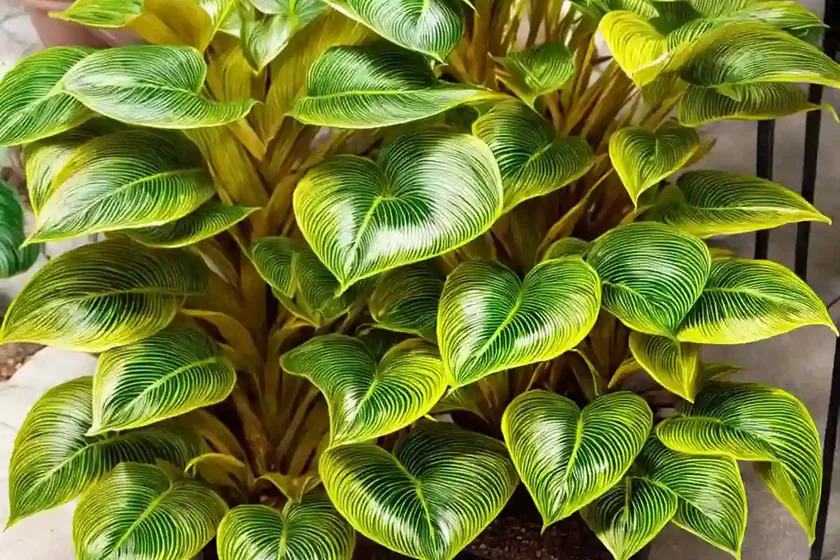
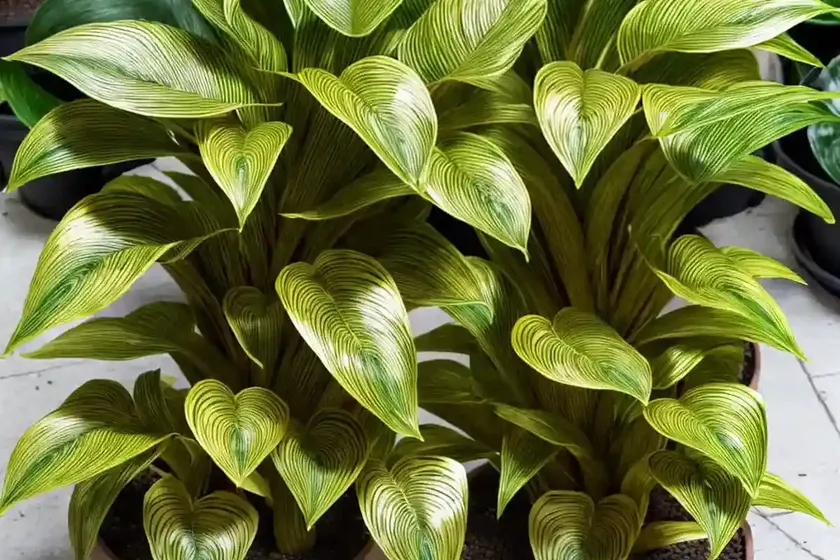
The world of botanical beauty is truly diverse, and the Calathea Pilosa, also known as Ctenanthe ‘Golden Mosaic’, is undoubtedly one of the most captivating members. With its striking foliage and unique characteristics, this plant has become a favorite among plant enthusiasts and interior decor aficionados alike. In this comprehensive guide, we will explore the captivating world of Calathea Pilosa, delving into its cultural significance, uses, care requirements, and much more.
What is Calathea Pilosa (Ctenanthe ‘Golden Mosaic’)?
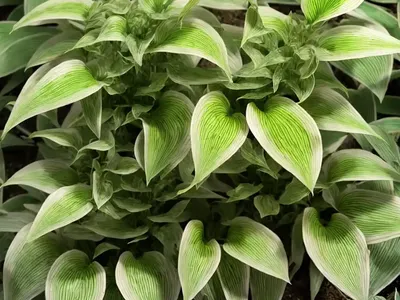
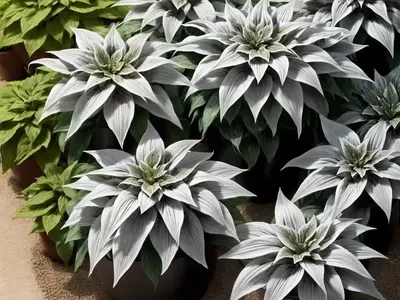
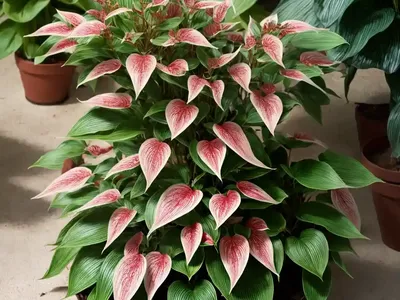
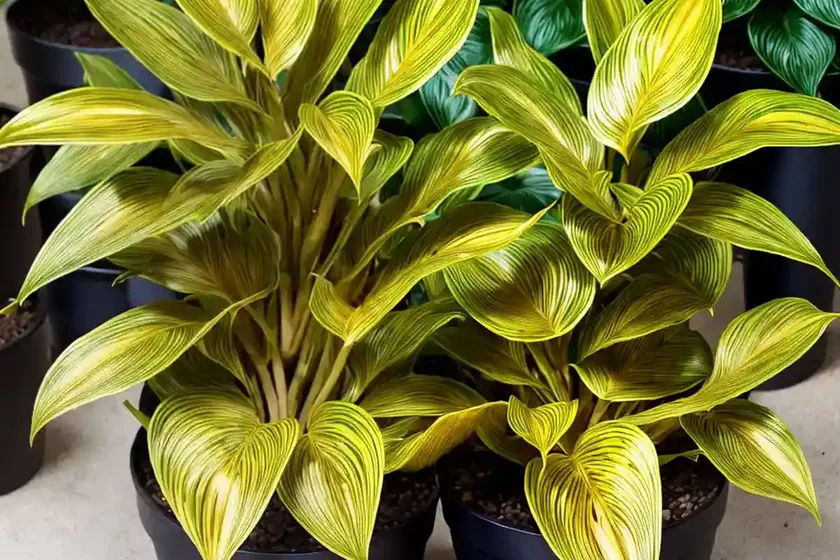
The Calathea Pilosa, commonly referred to as Ctenanthe ‘Golden Mosaic’, is an enchanting species revered for its ornately patterned leaves and vibrant colors. Belonging to the Marantaceae family, this plant is recognized for its striking visual appeal, making it a popular choice for indoor spaces. The unique foliage of the Calathea Pilosa features a mosaic-like pattern with a stunning combination of greens, yellows, and creamy whites, creating a mesmerizing display that easily captures the attention of onlookers.
Key Takeaways – Calathea Pilosa (Ctenanthe ‘Golden Mosaic’)
Before delving deeper into the various aspects of caring for the Calathea Pilosa, let’s take a moment to highlight the key takeaways associated with this exquisite plant.
- Culture: Understanding the cultural significance and symbolism associated with the Calathea Pilosa.
- Uses: Exploring the versatile applications of this plant, from decorative purposes to air purifying qualities.
- Water: Unveiling the specific watering needs and requirements for maintaining optimal moisture levels.
- Sunlight: Establishing the ideal sunlight conditions for promoting healthy growth and vibrant foliage.
- Fertilizer: Delving into the role of fertilizers and the recommended feeding regimen for the Calathea Pilosa.
- Soil: Analyzing the preferred soil composition and attributes that support the plant’s well-being.
- Pruning: Techniques for maintaining the plant’s form and addressing any unruly growth.
- Propagation: Understanding the methods for propagating the Calathea Pilosa and expanding its presence.
- Container: Optimal container selection and the impact of pot size on the plant’s development.
- Popularity: Gaining insights into the widespread appeal and popularity of the Calathea Pilosa.
- Common Diseases: Recognizing potential diseases and effective strategies for prevention and treatment.
- Common Pests: Identifying common pests that may affect the Calathea Pilosa and implementing pest control measures.
- Botanist’s Tips: Expert advice and tips for nurturing and highlighting the distinct features of this plant.
- Fun Facts: Discovering intriguing and lesser-known facts about the Calathea Pilosa.
- Links to External Resources: Accessing additional information and resources to further enhance your understanding of this captivating plant.
Culture
In various cultures, plants often hold symbolic significance and are associated with specific meanings and traditions. Similarly, the Calathea Pilosa has garnered cultural significance in different regions around the world. Its vibrant and intricate foliage contributes to its role as a symbol of beauty, harmony, and nature’s elegance.
In addition to its visual allure, the Calathea Pilosa has been embraced for its positive impact on indoor environments. With its air-purifying qualities and calming presence, it has become a staple in homes, offices, and public spaces, contributing to an atmosphere of tranquility and well-being.
Uses
The Calathea Pilosa offers a multitude of uses that extend beyond its ornamental value. From a decorative standpoint, it serves as a stunning focal point, adding color and vibrancy to any indoor setting. Its striking foliage makes it a popular choice for enhancing interior decor, whether placed on tabletops, shelves, or as part of a larger plant display.
Moreover, the air-purifying properties of the Calathea Pilosa are particularly noteworthy. As it actively contributes to improving indoor air quality, it promotes a healthier and more rejuvenating environment. This attribute has led to its widespread incorporation in spaces where air purification is of utmost importance, such as bedrooms, living areas, and workspaces.
Water
Understanding the specific water requirements of the Calathea Pilosa is paramount in ensuring its well-being. As with many plants, achieving the right balance of moisture is crucial for maintaining the health and vitality of the Calathea Pilosa.
The watering needs of the Calathea Pilosa can be summarized as follows:
| Water Requirements | Details |
|---|---|
| Frequency | Regular, but allowing the soil to dry slightly between waterings. |
| Watering Technique | Directly water the soil, avoiding the foliage to prevent water accumulation. |
| Water Quality | Use room temperature water to avoid shocking the plant. |
| Signs of Overwatering | Yellowing leaves, wilting, or the presence of root rot. |
| Signs of Underwatering | Drooping leaves, dry and crispy edges, and overall lack of turgidity. |
The key to successful watering lies in observing the plant’s specific response to moisture levels, allowing the soil to partly dry before providing further hydration. Maintaining a consistent watering routine while accounting for seasonal variations is vital for the well-being of the Calathea Pilosa.
Sunlight
Rationally selecting the location for your Calathea Pilosa is pivotal, as it directly impacts the plant’s growth and vitality. When considering sunlight requirements, the following considerations should be taken into account:
| Sunlight Requirements | Details |
|---|---|
| Light Conditions | Indirect light or partial shade, avoiding direct sunlight that can scorch the foliage. |
| Ideal Location | Areas with filtered light, such as near east or north-facing windows. |
| Light Duration | Maintains consistent, moderate light levels throughout the day. |
The Calathea Pilosa thrives in environments that offer gentle, filtered light, mimicking its natural habitat in the tropical undergrowth. Excessive exposure to direct sunlight can lead to leaf burn and discoloration, necessitating careful consideration when choosing the plant’s placement within your space.
Fertilizer
Fertilization plays a vital role in sustaining the health and vigor of the Calathea Pilosa. Providing the plant with essential nutrients at the appropriate intervals promotes robust growth and the development of its distinctive foliage.
Consider the following fertilizer guidelines for effectively nourishing the Calathea Pilosa:
| Fertilizer Guidelines | Details |
|---|---|
| Fertilizer Type | Balanced, water-soluble fertilizer specifically formulated for foliage plants. |
| Feeding Frequency | Monthly during the growing season, reducing to every 6-8 weeks in winter. |
| Dilution Ratio | Follow manufacturer’s recommendations for dilution strength. |
| Application | Apply the diluted fertilizer to moist soil, avoiding direct contact with the leaves. |
Balanced fertilizer with a 1:1:1 ratio can provide the necessary nutrients for the Calathea Pilosa, ensuring optimal growth and sustained vibrancy. It is essential to adjust the feeding frequency according to the plant’s growth patterns and seasonal variations.
Soil
Creating a conducive growing medium is pivotal in facilitating the healthy development of the Calathea Pilosa. The soil requirements for this plant align with the conditions prevalent in its natural habitat, thereby aiming to replicate its native environment to the best extent possible.
The ideal soil composition for the Calathea Pilosa can be described as follows:
| Soil Composition | Details |
|---|---|
| Texture | Well-draining, light, and porous to prevent waterlogging. |
| Organic Matter Content | Rich in organic material, such as peat moss or compost, to maintain moisture and promote root health. |
| pH Level | Slightly acidic (pH 6.0-6.5), mimicking the conditions found in tropical ecosystems. |
| Aeration | Adequate aeration to facilitate root respiration and prevent compacting. |
By prioritizing a well-draining and nutrient-rich soil blend, you provide the Calathea Pilosa with an environment conducive to its growth and vitality.
Pruning
Pruning serves as a strategic practice for managing the growth and aesthetics of the Calathea Pilosa. By selectively trimming foliage and addressing any unruly growth, you can maintain the plant’s form and promote ongoing health and vibrancy.
Pruning techniques for the Calathea Pilosa encompass the following aspects:
- Leaf Trimming: As leaves age or exhibit damage, carefully trim them at the base to maintain the plant’s visual appeal.
- Alleviating Crowding: Address any overcrowding of foliage to promote better air circulation and prevent the development of pests and diseases.
- Deadheading: Remove spent blooms or discolored sections to encourage ongoing growth and maintain the plant’s vigor.
Through proactive pruning and maintenance, you can cultivate a visually appealing and healthy Calathea Pilosa that remains an impeccable addition to any indoor setting.
Propagation
Expanding your collection of Calathea Pilosa or gifting this captivating plant to fellow enthusiasts involves mastering the art of propagation. By understanding the various propagation methods and their applicability to the Calathea Pilosa, you can confidently embark on the journey of nurturing new generations of this remarkable species.
Propagation techniques for the Calathea Pilosa encompass the following approaches:
- Division: Separating the plant into sections, each containing roots and a portion of the stem, to create individual plants.
- Rhizome Cuttings: Nurturing new plants from sections of the rhizome, ensuring the presence of viable growing points for each cutting.
- Leaf Cuttings: Propagating new plants from individual leaf segments, carefully attending to their placement and humidity levels to facilitate rooting.
By employing the most suitable propagation method and providing the necessary care, you can propagate the Calathea Pilosa successfully, further spreading its allure and impact.
Container
Pairing the Calathea Pilosa with an appropriate container is crucial for promoting its growth and ensuring overall well-being. Containers serve as the foundation for the plant’s growth, providing stability, adequate space for root development, and a conducive environment for flourishing.
Consider the following factors when selecting a container for the Calathea Pilosa:
- Size: Choose a container that allows ample room for root growth and expansion, preventing overcrowding and promoting stability.
- Drainage: Ensure the presence of drainage holes to facilitate proper water drainage and prevent waterlogging.
- Material: Opt for containers made from porous materials that promote aeration and prevent moisture retention around the roots.
- Aesthetics: Select a container that complements the visual appeal of the Calathea Pilosa and enhances its presence as a decorative element.
By thoughtfully considering these factors, you can align the container’s characteristics with the specific needs of the Calathea Pilosa, creating an environment that fosters its flourishing.
Popularity
The Calathea Pilosa has garnered significant popularity owing to its charismatic foliage and captivating presence. As an indoor plant, it has found widespread appeal among plant enthusiasts, interior designers, and individuals seeking to introduce natural beauty into their living and working spaces.
The allure of the Calathea Pilosa can be attributed to:
- Aesthetic Appeal: The stunning mosaic-like patterns adorning the leaves capture attention and evoke admiration, making the Calathea Pilosa a visually captivating choice.
- Low Maintenance: With proper care and attention to its specific needs, the Calathea Pilosa proves to be a low-maintenance yet visually rewarding addition to indoor environments.
- Air-Purifying Qualities: Its ability to actively contribute to improved air quality adds to its appeal, especially in settings where air purification is a priority.
- Interior Decor Impact: As a decorative element, the Calathea Pilosa enhances interior spaces, introducing vibrant colors and a touch of nature to various settings.
The widespread popularity of the Calathea Pilosa underscores its status as a beloved plant revered for its ornate beauty and enriching presence.
Common Diseases
Despite its resilience, the Calathea Pilosa is susceptible to certain diseases and health issues that require prompt attention and appropriate measures for resolution. Recognizing the symptoms of common diseases is vital for implementing timely interventions.
Key diseases that may affect the Calathea Pilosa include:
- Leaf Spot: Characterized by the presence of dark spots or lesions on the leaves, potentially leading to leaf yellowing and decay.
- Root Rot: Excessive moisture or poor drainage can cause root rot, evident through wilting, yellowing leaves, and a foul odor from the soil.
- Powdery Mildew: Manifests as a white, powdery coating on the leaves, hindering photosynthesis and overall plant health.
- Bacterial Blight: Identified by water-soaked lesions on the leaves, which may spread rapidly and cause extensive damage.
Swift reactions to the onset of these diseases, such as adjusting watering practices, improving air circulation, and targeted treatment with suitable remedies, are essential for mitigating their impact and supporting the plant’s recovery.
Disease Diagnosis
Accurately diagnosing diseases affecting the Calathea Pilosa is essential for implementing the most effective treatment strategies. When observing the plant for signs of distress, consider the following diagnostic steps:
- Visual Examination: Inspect the foliage, stems, and soil for any visible symptoms, such as spots, discoloration, or signs of decay.
- Assess Soil Moisture: Determine the moisture levels in the soil, as excessively wet conditions can predispose the plant to root rot and related issues.
- Review Care Practices: Evaluate your watering, lighting, and fertilization routines to identify any potential factors contributing to the plant’s decline.
- Isolate Affected Areas: If specific sections of the plant exhibit symptoms, consider isolating them to prevent the spread of diseases to healthy portions.
By systematically approaching the diagnosis process and actively addressing the identified issues, you can ensure timely and precise interventions to aid the Calathea Pilosa’s recovery.
Common Pests
Pests pose a potential threat to the health and vitality of the Calathea Pilosa, necessitating vigilant monitoring and prompt pest control measures. Certain pests are known to target this plant, calling for proactive prevention and intervention to preserve its well-being.
Common pests that may affect the Calathea Pilosa include:
- Spider Mites: Infestations of spider mites can lead to stippling on the leaves and the formation of fine webbing, signaling their presence.
- Aphids: These small, sap-sucking insects can cluster on the foliage, causing distortion and yellowing of leaves and excreting honeydew.
- Mealybugs: Mealybugs may appear as white, cottony masses on the plant, particularly in leaf axils and on the stems, sapping vital nutrients.
- Fungus Gnats: These small, flying insects may be observed around the soil, indicating their presence and potential harm to the plant’s roots.
Vigilance in monitoring the Calathea Pilosa for signs of pest activity and employing targeted pest control methods, such as insecticidal soaps or horticultural oils, is essential for safeguarding the plant against pest infestations.
Botanist’s Tips
Drawing from the expertise of seasoned botanists and horticulturists, the following tips encompass valuable insights and recommendations for effectively caring for the Calathea Pilosa:
- Sufficient Humidity: The Calathea Pilosa benefits from higher humidity levels, which can be achieved through regular misting, a humidifier, or a pebble tray placed beneath the plant.
- Temperature Considerations: Avoid exposing the plant to temperature extremes and drafts, aiming to maintain consistent, moderate temperatures conducive to its well-being.
- Interactive Foliage: The Calathea Pilosa exhibits fascinating leaf movements, as its leaves open and close in response to daily light conditions, adding an interactive element to its allure.
- Mild Cleaning: Gently clean the leaves with a damp cloth to remove dust and maintain their vibrant appearance, avoiding the use of leaf shine products that can clog leaf pores.
- Routine Inspection: Periodically inspect the plant for signs of pests, diseases, or nutrient deficiencies, ensuring proactive management of any emerging issues.
By incorporating these expert tips into your care regimen, you can optimize the health and vibrancy of your Calathea Pilosa, fostering its captivating presence in your indoor spaces.
Fun Facts
Explore some captivating and lesser-known facts about the Calathea Pilosa, shedding light on its unique traits and intriguing characteristics:
-
The Calathea Pilosa exhibits nyctinasty, a phenomenon where its leaves open and close in response to changes in light and temperature, creating an engaging display.
-
With its air-purifying qualities, the Calathea Pilosa contributes to a healthier indoor environment by removing certain airborne pollutants and enhancing air quality.
-
As part of the Marantaceae family, the Calathea Pilosa is closely related to other notable genera, including Maranta and Stromanthe, sharing common traits and characteristics.
-
The distinctive leaf patterns and colors of the Calathea Pilosa have inspired artistic interpretations, serving as a muse for designers, artists, and botanical enthusiasts.
-
The Calathea Pilosa is recognized for its stress tolerance, enduring fluctuations in humidity and light levels with resilience, further enhancing its appeal as an adaptable indoor plant.
Links to External Resources
For further exploration of the Calathea Pilosa and in-depth insights into its care, characteristics, and cultivation, consider accessing the following external resources:
- The Royal Horticultural Society (RHS) – Calathea: Marantaceae
- University of Florida IFAS Extension – Marantaceae: Prayer Plant Family
- Missouri Botanical Garden – Plant Finder: Calathea Pilosa
These authoritative resources offer a wealth of knowledge and guidance, enriching your understanding of the Calathea Pilosa and enhancing your ability to provide tailored care for this captivating plant.
Conclusion
In embracing the allure and charm of the Calathea Pilosa (Ctenanthe ‘Golden Mosaic’), we’ve delved into its cultural significance, care requirements, propagation methods, and several distinguishing features. With its captivating foliage and versatility as a decorative and air-purifying plant, the Calathea Pilosa has earned an esteemed place in the realm of indoor flora.
As you embark on your journey of nurturing and showcasing the remarkable Calathea Pilosa, remember to align the care practices and environmental conditions with its specific needs, ensuring that it thrives and sustains its enchanting presence in your indoor spaces. With a blend of attentiveness, knowledge, and appreciation for its unique traits, the Calathea Pilosa will undoubtedly captivate and enrich your botanical pursuits and interior landscapes.