Wavyleaf Mullein (Verbascum Sinuatum)
As a plant scientist, I am always intrigued by the diversity and complexity of plant species. One such fascinating plant that I would like to delve into is.
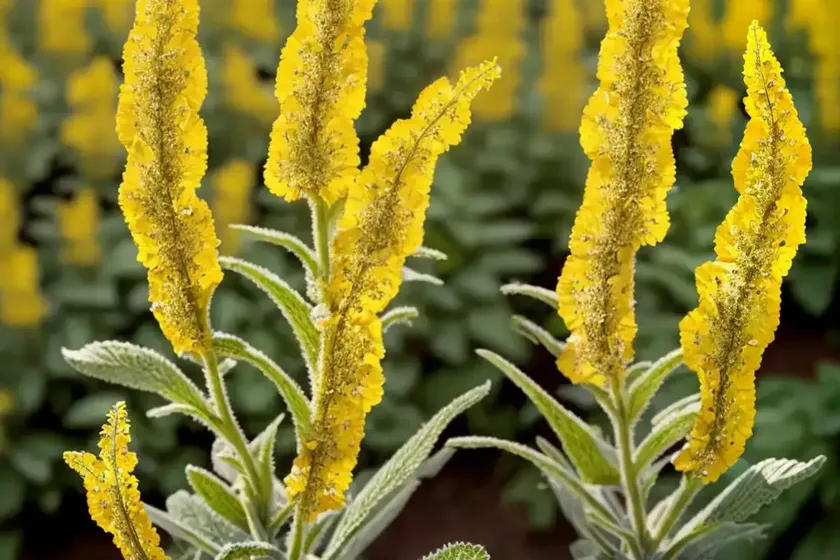
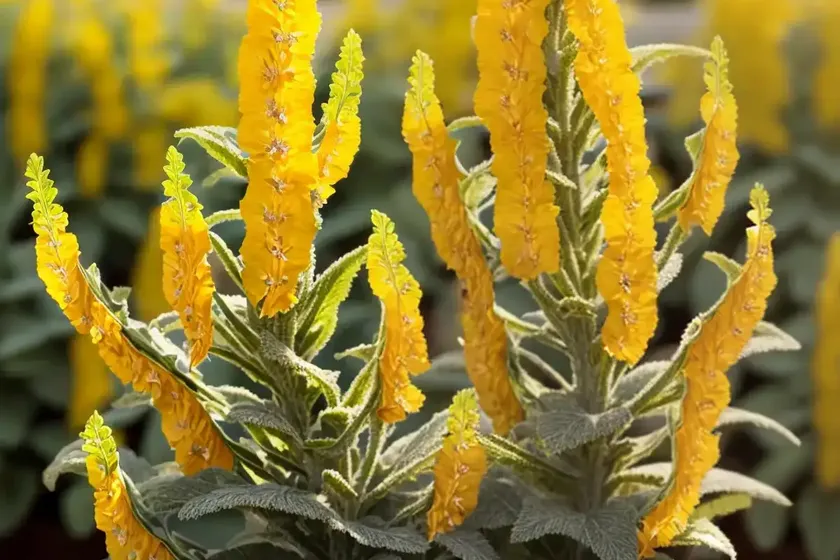
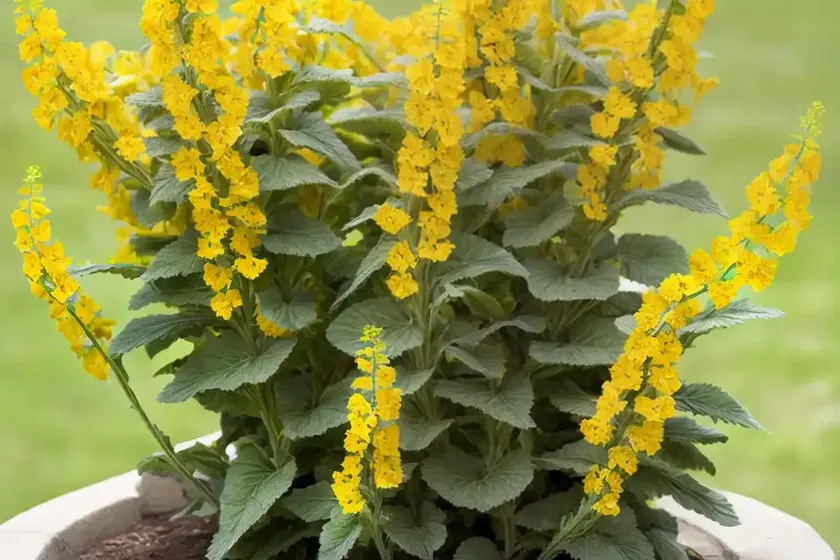
As a plant scientist, I am always intrigued by the diversity and complexity of plant species. One such fascinating plant that I would like to delve into is the Wavyleaf Mullein, scientifically known as Verbascum sinuatum. This distinctive plant carries a rich history, versatile uses, and a plethora of fascinating characteristics that make it a subject worthy of exploration.
What is the Wavyleaf Mullein (Verbascum sinuatum)?
Verbascum sinuatum, colloquially known as Wavyleaf Mullein, belongs to the Scrophulariaceae family and is indigenous to the Mediterranean region. This herbaceous perennial plant is characterized by its erect stem and eye-catching range of flowers, which exhibit various hues of yellow and purple. The leaves of the Wavyleaf Mullein are renowned for their uniquely undulating edges, which lend the plant its distinctive appearance.
Key Takeaways – Wavyleaf Mullein (Verbascum sinuatum)
Before delving deeper into the specifics of Wavyleaf Mullein, let’s glance at the key takeaways that will be explored in this comprehensive guide:
- Culture
- Uses
- Water
- Sunlight
- Fertilizer
- Soil
- Pruning
- Propagation
- Container Popularity
- Container Common Diseases
- Disease Diagnosis
- Common Pests
- Botanist’s Tips
- Fun Facts
- Links to External Resources
Now, let’s embark on an exciting journey to unravel the mysteries and marvels of this intriguing plant.
Culture
Cultivating the Wavyleaf Mullein warrants an understanding of its inherent cultural preferences. By catering to its specific cultural needs, one can ensure a thriving and vibrant plant that embodies the true essence of its species.
Water
Verbascum sinuatum favors well-drained soil and does not tolerate excessive moisture. When providing water, it is crucial to strike a balance. Water the plant deeply but infrequently, allowing the soil to dry out between waterings. This replicates the plant’s natural habitat and supports its optimal growth.
Sunlight
As a Mediterranean species, the Wavyleaf Mullein thrives in full sunlight. It revels in the warmth of the sun, necessitating at least 6-8 hours of direct sunlight each day to flourish. When planting, ensure that it is positioned in a location that receives abundant sunlight to support robust growth and prolific flowering.
Fertilizer
When it comes to fertilization, the Wavyleaf Mullein necessitates minimal intervention. It generally thrives in nutrient-poor soils, and excessive fertilization can result in an imbalance that hampers its growth. A light application of a balanced, organic fertilizer in early spring is generally sufficient to sustain the plant’s nutritional needs.
Soil
The Wavyleaf Mullein demonstrates a preference for well-drained, slightly alkaline soils. It can adapt to various soil types, including sandy and rocky substrates, as long as they offer adequate drainage. Maintaining a pH level between 6.5 to 7.5 is recommended to create an ideal growing environment for this species.
Pruning
Pruning is not a critical aspect of cultivating the Wavyleaf Mullein. However, removing spent flowers can prolong the flowering period and maintain the plant’s aesthetic appeal. Additionally, cutting back the stem after the flowering season can encourage the growth of new shoots, promoting a fuller and more robust plant in the subsequent year.
Uses
The Wavyleaf Mullein boasts a rich tapestry of uses that extend beyond its ornamental value. From traditional medicinal applications to its role in contemporary landscaping, this intriguing plant offers an array of practical and aesthetic benefits.
-
Traditional Medicine: Across various cultures, the Wavyleaf Mullein has been utilized as a key component in herbal remedies. Its leaves, flowers, and roots have been employed to address respiratory ailments, soothe skin irritations, and alleviate discomfort associated with various conditions.
-
Ornamental Purposes: With its striking floral display and unique foliage, Verbascum sinuatum holds a prominent place in ornamental gardens and landscapes. Its vibrant flowers and distinct growth habit make it an eye-catching addition to any garden.
-
Wildlife Attraction: The vibrant flowers of the Wavyleaf Mullein act as a magnet for pollinators, including bees and butterflies. By incorporating this plant into garden spaces, one can actively contribute to the sustenance and preservation of local pollinator populations.
Propagation
Understanding the methods of propagating the Wavyleaf Mullein is instrumental in expanding its presence and fostering its growth in diverse settings.
Seed Propagation
Propagating the Wavyleaf Mullein from seeds is a straightforward and effective method. Sow the seeds in well-drained soil during the early spring, ensuring they are lightly covered with a layer of soil. With consistent moisture and sufficient sunlight, the seeds will germinate, giving rise to robust seedlings that can be transplanted to their desired locations.
Division
Another viable propagation method involves dividing established clumps of Wavyleaf Mullein. This process is typically carried out in the early spring, wherein the clumps are carefully separated and replanted in suitable locations. Division not only facilitates the expansion of Verbascum sinuatum but also revitalizes the parent plant, encouraging fresh growth.
Container Popularity
The Wavyleaf Mullein’s adaptability and striking appearance make it an exceptional candidate for container gardening. Its ability to thrive in confined spaces without compromising its ornamental value renders it a popular choice among gardening enthusiasts.
Container Common Diseases
When cultivating Verbascum sinuatum in containers, it is essential to be mindful of potential diseases that can affect the plant. Common issues include root rot and fungal diseases, which can arise due to overwatering and poor air circulation. Vigilance and a proactive approach to plant care are crucial in mitigating these risks.
Disease Diagnosis
Should the Wavyleaf Mullein display symptoms of disease, prompt diagnosis and targeted treatment are imperative. Identifying the specific disease afflicting the plant enables the implementation of effective remedial measures, safeguarding its health and vitality.
Common Pests
While the Wavyleaf Mullein is resilient to many pests, it can fall prey to certain intruders that necessitate diligent pest management.
Aphids
Aphids pose a potential threat to the Wavyleaf Mullein, particularly during periods of vigorous growth. These tiny pests can devastate the plant by feeding on its sap and transmitting diseases. Vigilance and the timely application of natural remedies or insecticidal soaps can effectively curtail aphid infestations.
Caterpillars
Certain caterpillar species have a penchant for feeding on the leaves of Verbascum sinuatum, potentially defoliating the plant and impeding its growth. Regular inspection and hand-picking caterpillars can help prevent significant damage and preserve the plant’s vitality.
Botanist’s Tips
As a plant scientist with a profound appreciation for the Wavyleaf Mullein, I have curated a set of essential tips to guide enthusiasts in the successful cultivation and preservation of this captivating species.
-
Native Range: Understanding the native habitat and range of the Wavyleaf Mullein provides valuable insights into its cultural requirements and growth habits. This knowledge empowers individuals to create environments that mimic the plant’s natural conditions, fostering its well-being.
-
Companion Plants: Incorporating companion plants that complement the Wavyleaf Mullein can enhance its visual appeal and provide mutually beneficial support. Species with similar cultural preferences and contrasting colors can create captivating garden compositions.
-
Herbal Remedy: Leveraging the medicinal properties of Verbascum sinuatum in the form of herbal remedies requires careful consideration and responsible utilization. Consulting with herbalists and experts in traditional medicine can shed light on the plant’s therapeutic potential and safe utilization practices.
Fun Facts
Unveiling the enchanting world of the Wavyleaf Mullein unveils a treasure trove of intriguing and delightful facts that add depth to its allure:
-
Ethnobotanical Significance: The Wavyleaf Mullein holds deep-seated cultural and ethnobotanical significance, with a legacy that spans diverse traditions and communities. Its folklore and historical applications elucidate the profound impact it has had on human societies over centuries.
-
Insect Pollination: By attracting a myriad of pollinators, including butterflies and bees, the Wavyleaf Mullein plays an integral role in sustaining local ecosystems and contributing to the biodiversity of its habitat.
Links to External Resources
For those eager to delve deeper into the realm of Verbascum sinuatum and broaden their understanding of its myriad facets, the following links to external resources offer a wealth of knowledge and insights into this captivating plant:
- Royal Horticultural Society – Verbascum sinuatum
- Missouri Botanical Garden – Growing Wavyleaf Mullein
- University of Maryland Extension – Verbascum sinuatum
- The Herb Society – Wavyleaf Mullein Medicinal Uses
In concluding this exploration of the captivating Wavyleaf Mullein, I trust that it has illuminated the myriad dimensions of this remarkable plant. From its rich cultural heritage to its versatile uses, and from its affinity for sunlight to its propagation methods, the Wavyleaf Mullein stands as a testament to nature’s ingenuity and the marvels that botanical realms encompass. Embracing the Wavyleaf Mullein not only enriches our gardens but also connects us to a heritage that transcends time, inviting us to cherish and preserve the natural wonders that grace our world.


