Crimson Sweet Watermelon (Citrullus Lanatus ‘Crimson Sweet’)
Watermelon, that quintessential summer treat, brings to mind memories of lazy days, picnics, and refreshing indulgence. The juicy, sweet flesh of a ripe.
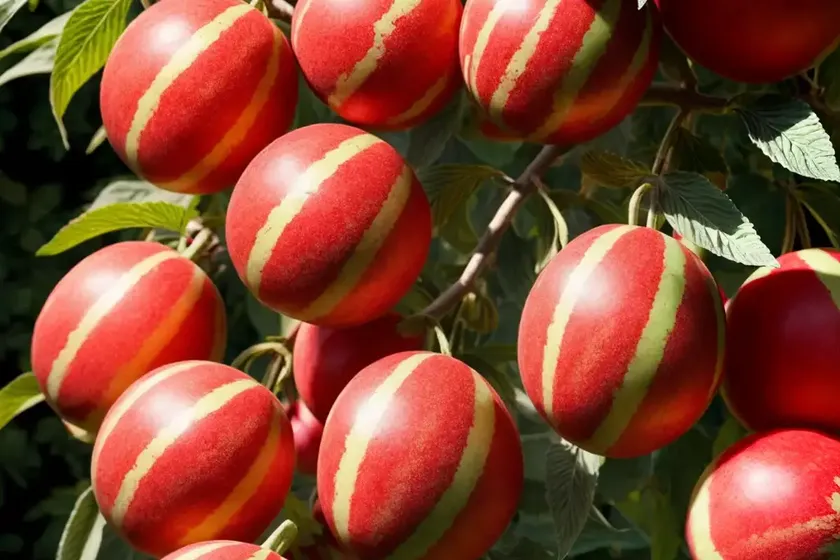
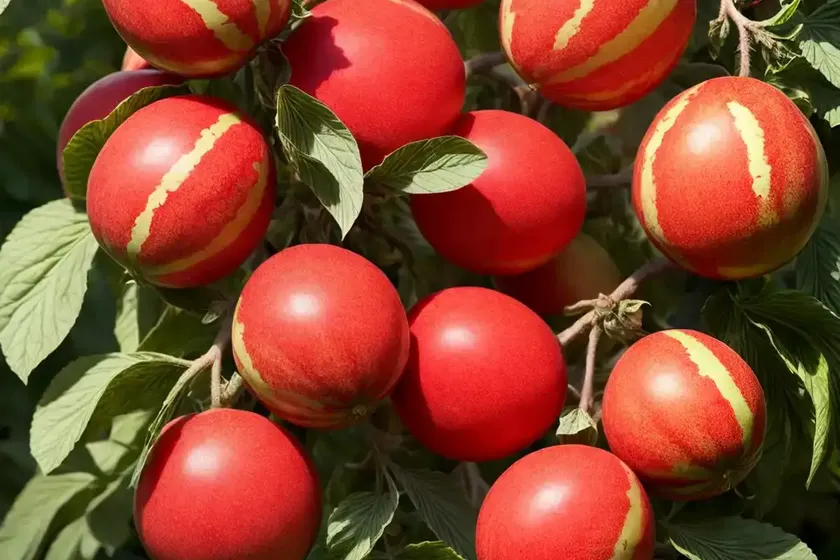
Watermelon, that quintessential summer treat, brings to mind memories of lazy days, picnics, and refreshing indulgence. The juicy, sweet flesh of a ripe watermelon is hard to resist, making it a beloved offering at backyard barbecues and family gatherings. Among the numerous varieties of watermelon, the Crimson Sweet holds a special place, known for its vibrant red flesh and exceptional sweetness. In this comprehensive guide, we’ll delve into all aspects of the Citrullus lanatus ‘Crimson Sweet’ watermelon, from cultivation and care to harvest and culinary uses.
Plant Name: “Crimson Sweet Watermelon (Citrullus lanatus ‘Crimson Sweet’)
What is the Crimson Sweet Watermelon?
The Crimson Sweet watermelon (Citrullus lanatus ‘Crimson Sweet’) is a type of watermelon known for its striking appearance and delectable flavor. This variety is cultivated for its large, oval-shaped fruits with a thick, dark green rind and vibrant red flesh. With its high sugar content and refreshing juiciness, the Crimson Sweet is a popular choice among watermelon enthusiasts.
Key Takeaways – Crimson Sweet Watermelon (Citrullus lanatus ‘Crimson Sweet’)
This section will provide a quick overview of the key aspects surrounding the cultivation, care, and utilization of Crimson Sweet watermelon.
Culture
- Botanical Name: Citrullus lanatus ‘Crimson Sweet’
- Maturity: 85-90 days
- Size: 20-25 pounds on average
- Flesh Color: Bright red
- Rind Pattern: Dark green with narrow stripes
Uses
- Fresh consumption
- Juicing
- Culinary applications (e.g., fruit salads, smoothies, and sorbets)
Water
- Adequate and consistent moisture is crucial, particularly during fruit development.
- Regular watering, aiming to keep the soil evenly moist but not waterlogged.
Sunlight
- Full sun; watermelons thrive in warm, sunny conditions.
Fertilizer
- Use a balanced fertilizer with a higher ratio of nitrogen early in the season, followed by a shift to a phosphorus-rich fertilizer during fruit development.
Soil
- Well-draining, nutrient-rich soil with a slightly acidic to neutral pH (6.0-7.0).
- Sandy loam or loamy soils are ideal for watermelon cultivation.
Pruning
- Selective pruning can encourage airflow and limit excessive vegetative growth.
- Removal of lateral shoots and tending to the main vine for better fruit development.
Propagation
- Typically grown from seeds, either directly sown or started indoors for transplanting.
Container Popularity
- Suitable for large containers, particularly dwarf or bush varieties.
Common Diseases
- Anthracnose
- Fusarium Wilt
- Powdery Mildew
- Downy Mildew
Disease Diagnosis
- Identification of symptoms and signs on leaves, stems, and fruits.
- Laboratory diagnosis for confirmation in case of uncertainty.
Common Pests
- Aphids
- Cucumber Beetles
- Squash Bugs
- Spider Mites
- Whiteflies
Botanist’s Tips
- Ensure proper pollination for good fruit set.
- Monitor for signs of pests and diseases to address issues promptly.
- Harvest at peak ripeness for the best flavor and texture.
Fun Facts
- The Crimson Sweet watermelon is known for its sweet, succulent flesh, making it a popular choice for fresh consumption and juicing.
- The use of watermelon rinds for pickling and preserving is a cultural tradition in some regions.
Links to External Resources
To further explore watermelon cultivation, care, and culinary inspirations, consider the following resources:
– National Gardening Association – Watermelons
– University of Florida IFAS Extension – Watermelon Fact Sheet
Watermelon Cultivation
Watermelon Varieties
A diverse array of watermelon varieties showcases variations in size, shape, rind patterns, and flesh color, catering to different preferences and growing conditions.
Growing Crimson Sweet Watermelon
Cultivating Crimson Sweet watermelon involves providing optimal growing conditions, managing pests and diseases, and ensuring proper care throughout the plant’s growth stages.
Watermelon Plant Care
Effective care practices encompass watering, fertilization, pest and disease management, and providing support for vine growth and fruit development.
Sweet and Juicy Watermelon
The appeal of sweet, juicy watermelon lies in its high water content and natural sugars, creating a refreshing and flavorful experience.
Citrullus lanatus Characteristics
Watermelon plants exhibit specific traits and attributes that define their growth habits, flowering patterns, and fruit development, contributing to their appeal as a popular garden crop.
Watermelon Nutrition Facts
Watermelons offer a hydrating and nutrient-dense profile, with notable levels of vitamins, minerals, and antioxidants.
Best Watermelon Varieties
Different watermelon varieties cater to distinct preferences, including size, flavor, seedlessness, and suitability for specific climates and growing conditions.
Benefits of Crimson Sweet Watermelon
The Crimson Sweet watermelon boasts exceptional sweetness, vibrant color, and a satisfying texture, making it a sought-after variety for both home growers and commercial producers.
Watermelon Plant Diseases and Treatments
How to Choose a Ripe Watermelon
Indicators of ripeness include the size, weight, and sound upon tapping, as well as the color and condition of the fruit’s underside.
Sweetest Watermelon Variety
Crimson Sweet stands out as a leading choice for its exceptional sweetness and flavor profile, placing it among the sweetest watermelon varieties available.
Watermelon Plant Propagation
Propagating watermelon typically involves saving and planting seeds from mature fruits, catering to the desire for specific traits and flavors.
Harvesting and Storing Watermelon
Crimson Sweet Watermelon Harvest
Harvesting at peak ripeness ensures the finest quality and flavor, with specific techniques for detaching the fruit from the vine without damaging the stem end.
Growing Watermelon at Home
Home cultivation offers the joy of tending to watermelon plants and relishing the rewards of freshly harvested, mouthwatering fruits.
Citrullus lanatus Planting Tips
Best practices for planting include selecting a suitable site, preparing the soil, and providing adequate spacing and support for vine growth.
Watermelon Plant Pests and Control
Watermelon Plant Pest
Identifying and addressing common pests such as aphids, cucumber beetles, and whiteflies is essential for preserving plant health and fruit production.
Citrullus lanatus ‘Crimson Sweet’ Profile
The distinct characteristics and traits of the Crimson Sweet watermelon make it an unparalleled choice for those seeking exceptional flavor and quality.
Watermelon Plant Pruning Techniques
Pruning practices aim to manage vine growth, enhance fruit development, and promote overall plant health, aligning with the specific requirements of watermelon cultivation.
In summary, the Crimson Sweet watermelon presents an enticing prospect for growers and enthusiasts, offering a delectable blend of sweetness, vivid color, and succulent texture. By understanding the nuances of its cultivation, care, and utilization, one can fully appreciate the allure of this beloved variety and relish the pleasures of a perfectly ripe and juicy Crimson Sweet watermelon.
With the proper knowledge and diligent attention, cultivating and enjoying Crimson Sweet watermelon becomes a gratifying endeavor, enriching the joys of the summer season and celebrating the bountiful gifts of nature.
Remember, the journey of nurturing and savoring Crimson Sweet watermelon is as delightful as the fruits it yields, inviting you to immerse yourself in the vibrant world of watermelon cultivation and experience the timeless delight of a sun-ripened, juicy slice of summer.
Reference Links
- National Gardening Association – Watermelons. https://garden.org/plants/group/watermelon/
- University of Florida IFAS Extension – Watermelon Fact Sheet. https://edis.ifas.ufl.edu/mv134