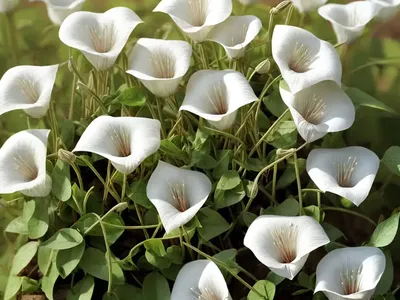
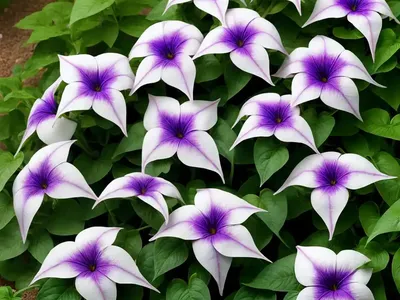
Water Spinach (Ipomoea Aquatica Forssk)
As a plant scientist, it is essential to delve into the diverse world of plants and understand their unique characteristics, cultivation techniques, and.
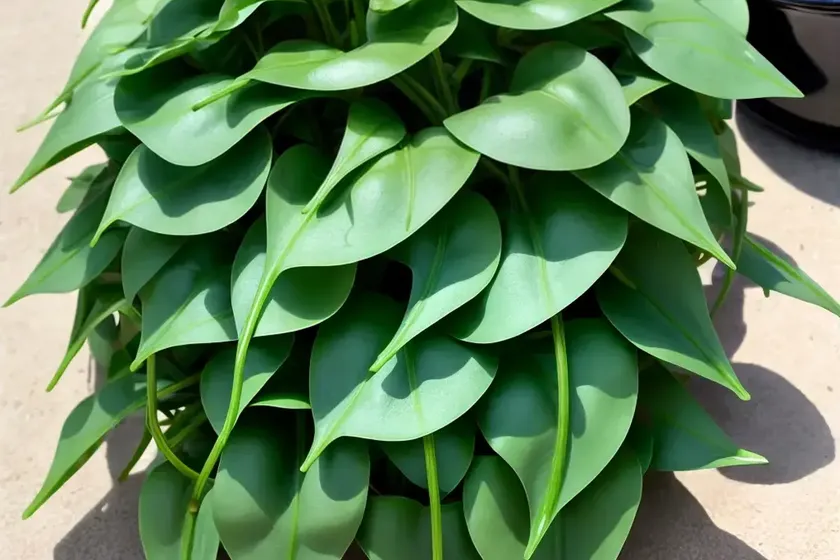
As a plant scientist, it is essential to delve into the diverse world of plants and understand their unique characteristics, cultivation techniques, and their significance in various cultural and culinary practices. In this comprehensive guide, we will explore the intriguing plant species known as Water Spinach (Ipomoea Aquatica Forssk) from an in-depth botanical and practical perspective. From its cultural significance to its culinary uses, along with tips for cultivation and disease management, this guide seeks to provide a holistic understanding of Water Spinach.
What is Water Spinach?
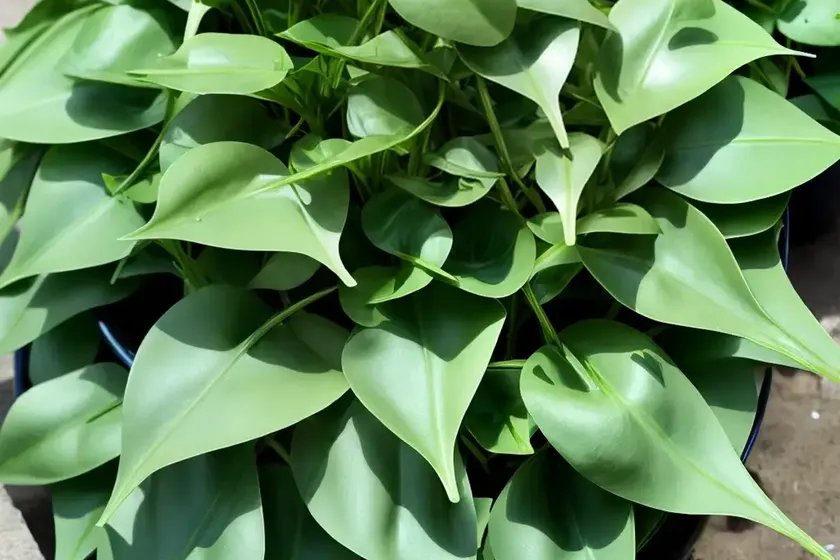
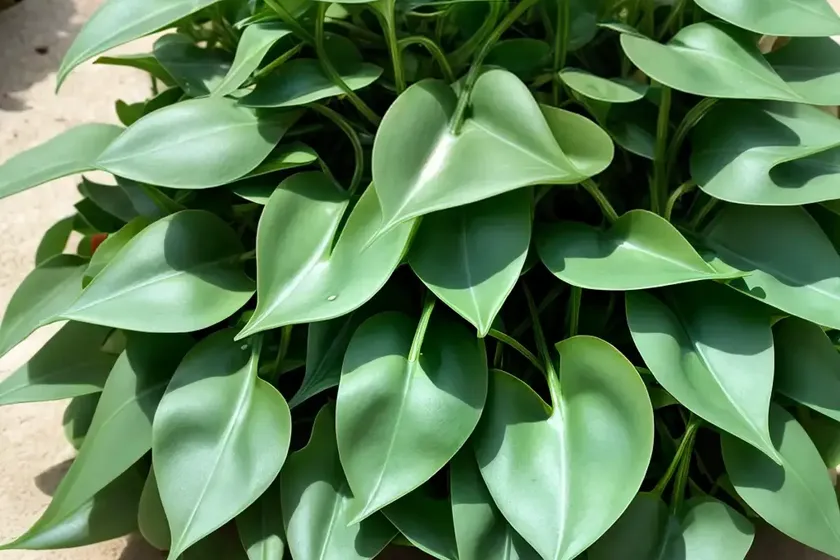
Water Spinach, scientifically known as Ipomoea Aquatica Forssk, is a semi-aquatic, tropical plant that belongs to the family Convolvulaceae. Commonly referred to as “kangkong” in Southeast Asia and ong choy in Chinese cuisine, Water Spinach is a staple green vegetable with a unique and tender texture, making it a popular choice in various culinary traditions. This leafy green plant is characterized by its hollow stems and arrow-shaped leaves, which commonly grow in water or moist soil.
Key Takeaways – Water Spinach (Ipomoea Aquatica Forssk)
Before delving into the various aspects of Water Spinach, it’s vital to highlight the key takeaways associated with this plant. From its cultural significance to its health benefits, here are the key points to keep in mind:
- Water Spinach is a semi-aquatic plant with hollow stems and arrow-shaped leaves.
- Culturally significant in Southeast Asian and Chinese cuisines, known as “kangkong” and “ong choy” respectively.
- Rich in essential nutrients and minerals, making it a valuable addition to a balanced diet.
- Thrives in water-rich environments and can be cultivated in home gardens with proper care and maintenance.
- Prone to certain diseases and pests, requiring careful monitoring and management during cultivation.
Now, let’s dive deeper into the various aspects associated with Water Spinach, including its cultural significance, uses, cultivation techniques, common diseases and pests, and essential tips for successful propagation and growth.
Water Spinach Culture
Uses
Water Spinach has been an integral part of culinary and cultural traditions in several regions, particularly in Southeast Asia and China. Let’s explore the diverse uses of Water Spinach:
-
Culinary Uses: It is renowned for its versatility in culinary applications, where it is used in stir-fries, soups, salads, and noodle dishes. The tender leaves and stems of Water Spinach add a unique texture and flavor to these dishes, making it a prized ingredient in traditional cuisines.
-
Nutritional Value: Water Spinach is appreciated for its high nutritional content, providing essential vitamins, minerals, and dietary fiber. It is known for its contribution to overall health and well-being, and its consumption is associated with various health benefits.
Water
Water is an essential element in the cultivation of Water Spinach due to its semi-aquatic nature. The plant thrives in moist soil or water-rich environments, making it well-suited for cultivation in wetlands or areas with access to ample water sources.
Sunlight
Water Spinach requires adequate sunlight to support its growth and photosynthetic processes. It is recommended to provide the plant with partial to full sunlight, ensuring that it receives around 4-6 hours of sunlight per day for optimal growth.
Fertilizer
When cultivating Water Spinach, it is crucial to provide the plant with a balanced fertilizer to support its nutrient requirements. A nitrogen-rich fertilizer can be beneficial for promoting vigorous leafy growth, contributing to the plant’s overall vitality.
Soil
When selecting a suitable soil type for Water Spinach, it is important to choose rich, loamy soil with good water retention properties. Additionally, the soil should be well-draining to prevent waterlogging, as the plant prefers consistently moist conditions without stagnant water.
Pruning
Regular pruning can help manage the growth and shape of Water Spinach plants, particularly in home garden settings. Pruning can be performed by removing excess foliage and maintaining a desirable plant size, promoting healthy regrowth and productive harvests.
Propagation
Water Spinach can be propagated through stem cuttings or by sowing seeds in well-prepared soil or water environments. Stem cuttings are a popular and effective method for propagating Water Spinach, allowing for the cultivation of new plants from healthy stem segments.
Container Popularity
In urban and home gardening settings, Water Spinach is gaining popularity as a container plant due to its adaptability to growing in water or moist soil. It offers an attractive option for individuals with limited garden space, allowing them to cultivate this versatile green vegetable on balconies, patios, or indoor hydroponic setups.
Common Diseases and Pests
Disease Diagnosis
Water Spinach is susceptible to certain diseases that can affect its overall health and productivity. Common diseases that may affect Water Spinach include:
-
Leaf Spot: Characterized by the development of dark spots on the leaves, leaf spot disease can impact the plant’s photosynthetic capabilities and weaken its vitality.
-
Powdery Mildew: A fungal infection that manifests as powdery white patches on the leaf surface, powdery mildew can affect the plant’s overall vigor and aesthetic appeal.
Common Pests
Pest infestations can pose significant challenges to the successful cultivation of Water Spinach, requiring vigilant monitoring and proactive management. Common pests that may affect Water Spinach include:
-
Aphids: These small, sap-sucking insects can cluster on the tender growth of Water Spinach, causing damage to the leaves and potentially transmitting viral diseases.
-
Leaf Miners: The larvae of leaf miner flies can infest the leaves of Water Spinach, creating winding tunnels within the leaf tissue and impacting the plant’s overall health.
Botanist’s Tips
As a botanist, here are some essential tips for cultivating and caring for Water Spinach:
-
Select a Suitable Growing Site: Choose a location with access to ample sunlight and water, providing the ideal environment for Water Spinach to thrive.
-
Monitor Moisture Levels: Maintain consistently moist conditions for Water Spinach, whether it is grown in soil or water, ensuring that the plant’s water requirements are met.
-
Implement Disease and Pest Management: Regularly inspect the plants for signs of diseases and pests, taking proactive measures to address any issues that may arise and prevent their spread.
-
Harvest Responsibly: When harvesting Water Spinach, practice responsible harvesting techniques to ensure the continued regrowth and productivity of the plant.
-
Adapt to Container Cultivation: If cultivating Water Spinach in containers, ensure that the growing environment meets the plant’s moisture and sunlight needs, facilitating successful growth and development.
Fun Facts
Let’s explore some intriguing and lesser-known facts about Water Spinach:
-
In traditional Chinese medicine, Water Spinach is considered to have cooling properties, and its consumption is believed to help balance the body’s internal heat.
-
The leaves and stems of Water Spinach are known for their crisp texture and mild flavor, making them a versatile ingredient in various culinary preparations.
Links to External Resources
To further enrich your understanding of Water Spinach, explore the following external resources:
- Nutritional Value of Water Spinach
- Cultural and Culinary Significance of Water Spinach in Southeast Asia
- Traditional Uses of Water Spinach in Chinese Medicine
In conclusion, understanding the intricacies of cultivating Water Spinach and appreciating its cultural and culinary significance provides insight into the diverse world of plant science. From its unique adaptation to water-rich environments to its valuable contributions to traditional cuisines, Water Spinach embodies both botanical fascination and practical utility. By incorporating the principles of plant care and cultivation techniques, individuals can experience the satisfaction of cultivating this versatile green vegetable, enhancing their culinary endeavors and embracing the richness of nature’s bounty.
By delving into the diverse uses of Water Spinach, its cultural significance, cultivation techniques, and essential tips for overcoming common challenges, we have established a comprehensive understanding of this remarkable plant species. Whether savored in a flavorful stir-fry or nurtured in a home garden, Water Spinach continues to inspire and enrich our culinary experiences, embodying the harmony between nature and culture.