Water Pennywort (Hydrocotyle)
In the world of aquatic and semi-aquatic plants, Hydrocotyle, commonly known as Water Pennywort, stands out for its unique characteristics and versatile.
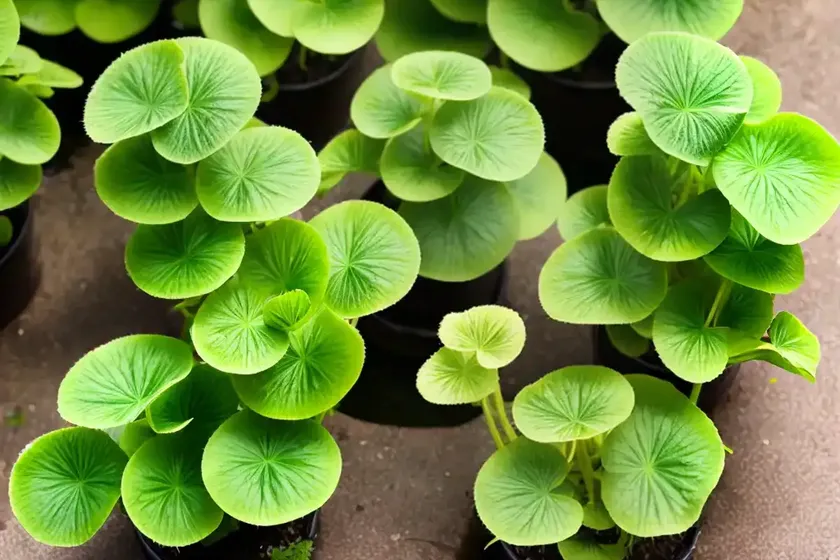
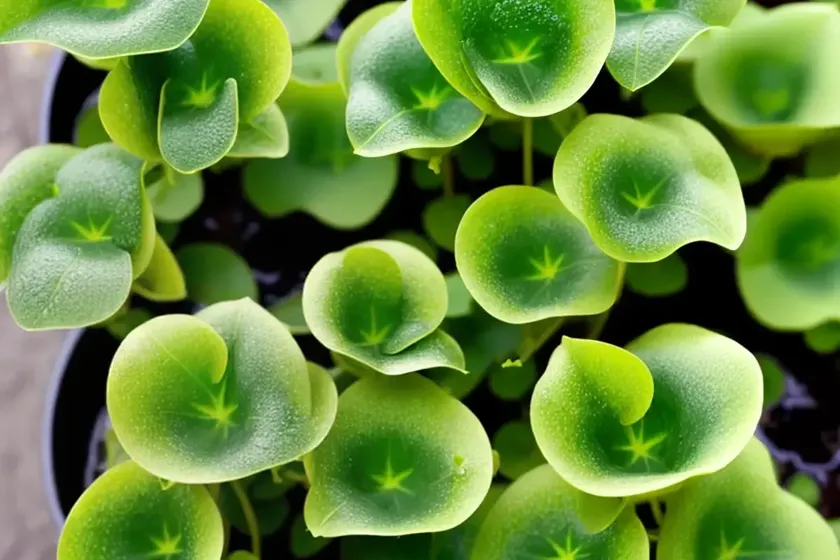
In the world of aquatic and semi-aquatic plants, Hydrocotyle, commonly known as Water Pennywort, stands out for its unique characteristics and versatile uses. This guide will delve into the diverse aspects of this plant, including its culture, uses, maintenance, and more. Whether you’re a beginner looking to introduce Hydrocotyle into your garden, a seasoned aquascaper, or a herbal enthusiast, this guide aims to provide valuable insights into the world of Water Pennywort.
What is Plant: Water Pennywort (Hydrocotyle)?
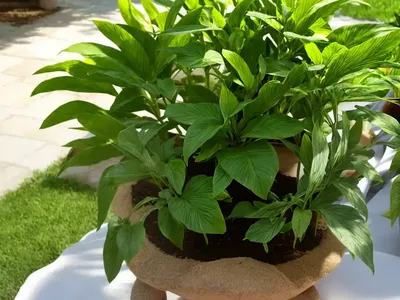
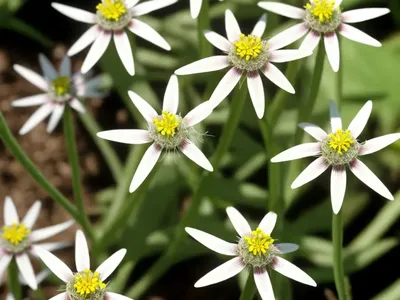
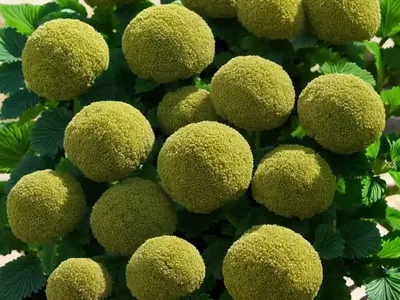
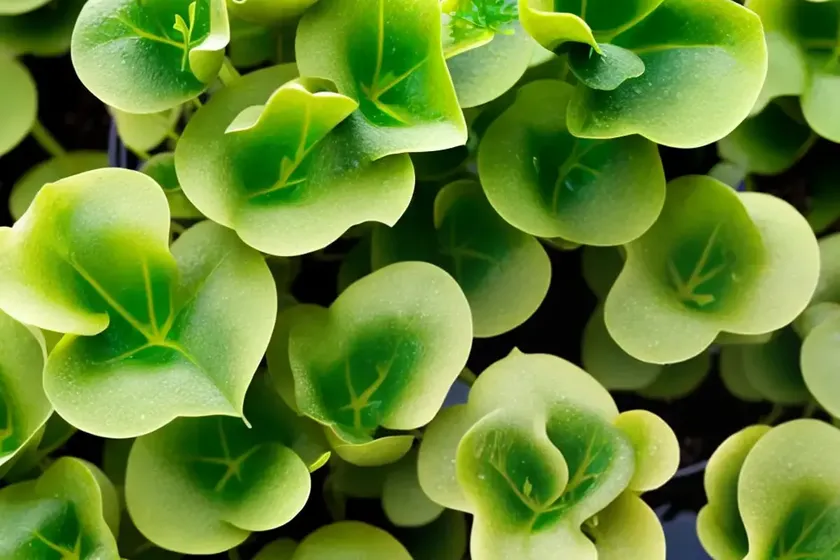
Water Pennywort, or Hydrocotyle, refers to a genus of prostrate, creeping, or floating perennial herbs found in damp or aquatic environments. It belongs to the family Araliaceae and encompasses numerous species that are distributed across various regions, including tropical, subtropical, and temperate zones. This plant genus is recognized for its round or kidney-shaped leaves and its proclivity for moist or wet habitats.
Key Takeaways – Water Pennywort (Hydrocotyle)
This section will serve as a roadmap for our discussion on Hydrocotyle. It will provide an outline of the topics we will explore in detail, ensuring a comprehensive understanding of this fascinating plant.
- Culture
- Uses
- Water
- Sunlight
- Fertilizer
- Soil
- Pruning
- Propagation
- Container Popularity
- Container Common Diseases
- Disease Diagnosis
- Common Pests
- Botanist’s Tips
- Fun Facts
- Links to External Resources
Let’s begin our exploration of Hydrocotyle by examining its cultural requirements.
Culture
Understanding the cultural needs of Hydrocotyle is crucial for its successful growth and maintenance. This section will delve into the essential cultural elements for cultivating Water Pennywort, including water, sunlight, fertilizer, and soil requirements.
Water
Hydrocotyle, as its common name suggests, has an affinity for water. Its natural habitat often includes damp soil near water bodies, making it a prime choice for aquatic gardens, pond edges, or moist terrariums. When grown as a terrestrial plant, it requires consistently moist soil to thrive. Adequate water provision is essential, but oversaturation should be avoided, as it can lead to root rot and other related issues.
Sunlight
In terms of sunlight, Hydrocotyle exhibits adaptability to various light conditions. It can tolerate partial shade to full sun, depending on the specific species and the prevailing climate. In tropical regions, it may benefit from partial shade to shield it from intense sunlight, while in temperate climates, it can thrive in full sun. As a general guideline, providing moderate, indirect sunlight is suitable for most Hydrocotyle species, especially when grown as terrestrial plants.
Fertilizer
When cultivated in terrestrial settings, Hydrocotyle will benefit from a balanced, water-soluble fertilizer formulated for leafy plants. Applying the fertilizer at half-strength, as per the manufacturer’s instructions, during the growing season can support robust and healthy growth. When cultivating Hydrocotyle in aquatic environments, such as aquariums or water gardens, it largely derives nutrients from the water and substrate, reducing the need for additional fertilization.
Soil
Hydrocotyle thrives in well-draining, nutrient-rich soil. For terrestrial cultivation, a mix of loamy soil and organic matter, such as compost or peat moss, can provide an ideal growing medium. This combination ensures both adequate moisture retention and sufficient aeration for the roots. In aquatic settings, a substrate formulated for aquatic plants is recommended, providing the necessary support for the plant’s growth and establishment.
Understanding the cultural requirements of Hydrocotyle is fundamental for its successful cultivation. Whether it’s providing the ideal water conditions or ensuring appropriate exposure to sunlight, these factors play a pivotal role in the plant’s overall health and vigor.
Uses
Hydrocotyle boasts a wide array of uses, ranging from decorative and ornamental purposes to its role in herbal and ecological contexts. Understanding these diverse applications can further enhance the appreciation of this versatile plant.
Decorative and Ornamental Purposes
In aquascaping and landscaping, Hydrocotyle is highly valued for its aesthetic appeal and functional characteristics. Its trailing, compact growth habit makes it a popular choice for foreground planting in aquariums, where it forms dense mats, contributing to the visual depth and texture of the aquascape. Additionally, its low-growing and spreading nature makes it an excellent ground cover in moist garden beds, adding a lush, verdant carpet to the landscape.
Ecological Significance
Beyond its ornamental attributes, Hydrocotyle plays a significant role in ecological restoration and water quality enhancement. When used in riparian buffer zones or wetland gardens, it aids in stabilizing soil, preventing erosion, and promoting habitat diversity. Furthermore, its capacity for nutrient uptake and filtration contributes to improving water quality in aquatic ecosystems, making it a valuable component in ecological conservation and restoration efforts.
Herbal and Medicinal Uses
Several species of Hydrocotyle have been traditionally utilized for their medicinal properties in various cultures. Known for its anti-inflammatory and analgesic properties, Hydrocotyle has found applications in herbal medicine for treating conditions such as arthritis, skin ailments, and respiratory issues. Its potential as an herbal remedy underscores its multifaceted significance beyond its horticultural and ecological roles.
By encompassing such a wide spectrum of uses, Hydrocotyle emerges as a plant of multifaceted value, serving decorative, ecological, and medicinal purposes.
Pruning
Regular pruning is essential for maintaining the aesthetic appeal and health of Hydrocotyle. This section will outline the basic principles of pruning and provide guidance on how to effectively manage the growth of Water Pennywort.
Basic Pruning Techniques
Hydrocotyle is characterized by its vigorous growth and creeping nature, which necessitates regular pruning to prevent it from becoming invasive while maintaining its desired form. When pruning Hydrocotyle in aquatic environments, such as ponds or aquariums, it’s crucial to use specialized aquatic plant scissors or shears to ensure precise and gentle trimming, minimizing disturbance to the substrate and neighboring plants or aquatic life.
When managing Hydrocotyle in terrestrial settings, such as gardens or terrariums, regular trimming with sharp, sterilized garden shears will help control its growth and prevent it from overshadowing other plantings or encroaching on pathways. By following the natural contours of the plant and strategically trimming overgrown or leggy sections, a compact and well-maintained appearance can be achieved.
Maintenance Pruning
Regular maintenance pruning, such as removing dead or yellowing leaves and controlling excessive runners, is integral to promoting healthy growth and preventing the plant from exhausting its resources on unproductive foliage or unchecked expansion. It’s important to monitor the plant regularly and address any signs of overgrowth or decline promptly, ensuring its vitality and overall well-being.
By implementing targeted pruning practices, Hydrocotyle can be managed effectively to maintain its aesthetic appeal and prevent it from encroaching on its surroundings.
Propagation
Propagating Hydrocotyle offers an opportunity to expand its presence in the garden or create new plantings. Whether through division, stem cuttings, or runners, understanding the propagation methods for Water Pennywort can be valuable for both novice and experienced gardeners.
Division
Dividing established clumps of Hydrocotyle is a straightforward and reliable method for propagation. When the plant has formed dense mats or clusters, carefully dividing the clumps into smaller sections, each with viable roots and shoots, allows for the creation of new plantings. These divisions can then be replanted in suitable locations, where they will establish themselves and continue to grow.
Stem Cuttings
Taking stem cuttings from healthy, actively growing Hydrocotyle plants provides an effective means of propagation. Selecting vigorous stems and cleanly cutting them at a node or internode, then planting them in a moist, well-draining rooting medium, can yield new plants within a few weeks. With adequate moisture and indirect light, these cuttings will develop roots and establish themselves as independent plants.
Runners
Some species of Hydrocotyle produce runners, or stolons, which can be encouraged to root and form new plants. By gently bending the runners to make contact with the substrate and ensuring consistent moisture, these runners will develop roots and generate new plantlets, contributing to the plant’s expansion and propagation.
By leveraging these simple and effective propagation methods, the presence of Hydrocotyle can be expanded in the garden, enabling its continued growth and contribution to the aesthetic and ecological dynamics of the landscape.
Container Popularity
The popularity of container gardening has surged in recent years, and Hydrocotyle has emerged as a favored choice for such settings. Its compact growth habit, adaptability to moist conditions, and aesthetic appeal make it well-suited for container cultivation.
Key Considerations for Container Usage
When selecting a container for Hydrocotyle, factors such as adequate drainage, sufficient depth for root development, and appropriate size to accommodate its spreading nature should be taken into account. Additionally, using a well-draining potting mix formulated for container plants and ensuring consistent moisture levels are crucial for the plant’s success in containers.
Container Planting Ideas
Hydrocotyle’s versatility and adaptability make it an ideal candidate for various container planting ideas. Whether it’s a hanging basket, a decorative planter on a patio, or a part of a mixed container garden, the use of Hydrocotyle can add a distinctive touch to the overall composition, enhancing the visual and textural diversity of the container display.
Maintenance in Containers
Regular monitoring of moisture levels, appropriate fertilization, and periodic pruning are essential aspects of maintaining Hydrocotyle in containers. By attending to these maintenance tasks, the plant’s vigor and attractiveness can be preserved, ensuring its continued contribution to the container garden.
Common Diseases
While Hydrocotyle is generally resilient, it can be susceptible to certain diseases, especially when grown under conditions unfavorable to its health. Recognizing and addressing these common diseases is crucial for preserving the plant’s well-being and vitality.
Disease Diagnosis
Common diseases that affect Hydrocotyle include fungal infections, such as leaf spot and powdery mildew, and bacterial diseases that manifest as rot or blight. Recognizing the symptoms of these diseases, which may include discoloration, lesions, or wilting, is essential for accurate diagnosis and prompt intervention.
Disease Management
Employing preventive measures, such as promoting good air circulation, avoiding excessive moisture on foliage, and practicing proper sanitation, can mitigate the risk of diseases affecting Hydrocotyle. Additionally, utilizing fungicidal or bactericidal treatments, as per the specific disease and its severity, can aid in controlling and managing the spread of diseases.
Common Pests
Hydrocotyle is relatively resistant to pest infestations, owing to its robust growth and tolerance to various environmental conditions. However, occasional pest issues may arise, necessitating vigilant monitoring and targeted interventions to mitigate their impact.
Pest Identification
Common pests that may affect Hydrocotyle include aphids, spider mites, and snails, particularly in aquatic environments. Identifying the presence of these pests through visual inspection and their characteristic damage symptoms is crucial for initiating appropriate pest management measures.
Pest Management
Implementing non-invasive pest management strategies, such as the introduction of natural predators or the use of mild insecticidal soaps for controlling aphids and spider mites, can effectively address pest issues without causing harm to the environment or beneficial organisms. In the case of snails, manual removal and the use of barriers, such as copper tape, can aid in preventing their access to Hydrocotyle.
By vigilantly monitoring for potential pest issues and adopting targeted pest management approaches, the overall health and vitality of Hydrocotyle can be safeguarded, allowing it to thrive without significant pest-related setbacks.
Botanist’s Tips
Drawing upon the collective wisdom and experience of botanists and horticultural experts can provide valuable insights into the successful cultivation and management of Hydrocotyle. This section will highlight some key tips offered by professionals in the field.
Tip 1
“Maintain consistent moisture levels, ensuring that the soil or substrate remains evenly moist without becoming waterlogged, to support healthy growth and development of Hydrocotyle.”
Tip 2
“Utilize Hydrocotyle as a companion plant in terrariums or vivariums, where its low-growing, trailing habit can contribute to the overall lushness and visual appeal of the enclosed environment.”
Tip 3
“Consider the specific cultural requirements of different Hydrocotyle species, as certain varieties may have distinct preferences in terms of light exposure, moisture levels, and temperature range.”
By integrating these valuable tips into the cultivation and management of Hydrocotyle, enthusiasts and horticultural practitioners can optimize the plant’s potential and ensure its thriving presence in various settings.
Fun Facts
Exploring the intriguing and captivating aspects of Hydrocotyle through fun facts can engender a deeper appreciation for this remarkable plant.
- Hydrocotyle is part of the Apiaceae family, which makes it a relative of culinary herbs such as parsley, dill, and cilantro.
- Certain species of Hydrocotyle are utilized in traditional medicine for their anti-inflammatory and wound-healing properties, reflecting the plant’s historical significance.
- The unique circular or kidney-shaped leaves of Hydrocotyle can vary in size and color, contributing to its visual allure and diversity.
By uncovering these fun facts, a richer understanding of Hydrocotyle’s botanical and cultural significance can be attained, fostering a deeper connection to this plant.
Links to External Resources
For further exploration and in-depth information on Hydrocotyle, the following external resources are recommended:
- Aquascaping with Hydrocotyle
- Herbal Uses of Hydrocotyle
- Propagation Techniques for Hydrocotyle
- Container Gardening Ideas with Hydrocotyle
Each of these resources provides valuable insights and practical guidance on various aspects of Hydrocotyle, catering to enthusiasts, professionals, and hobbyists alike.
In conclusion, Water Pennywort (Hydrocotyle) epitomizes versatility and value, encompassing decorative, ecological, and medicinal significance. Through its adaptable nature and cultural flexibility, it has secured a prominent place in diverse settings, from aquatic environments to terrestrial landscapes. By understanding and embracing the dynamics of Hydrocotyle, enthusiasts and practitioners can derive immense enjoyment and utility from this exceptional plant, enriching their horticultural pursuits and ecological stewardship.
Water Pennywort care, Hydrocotyle plant varieties, Hydrocotyle cultivation, Water Pennywort planting tips, Hydrocotyle propagation methods, Water Pennywort in aquariums, Benefits of Water Pennywort, Hydrocotyle for freshwater tanks, growing Water Pennywort indoors, Hydrocotyle aquascaping, Water Pennywort as a groundcover, Hydrocotyle in ponds, Tips for maintaining Water Pennywort, Hydrocotyle herbal uses, Water Pennywort in landscaping, Hydrocotyle for shaded areas, Water Pennywort and water quality, Hydrocotyle as a floating plant, Water Pennywort in natural ecosystems, Hydrocotyle for terrariums, Water Pennywort pH requirements, Hydrocotyle as a trailing plant, Water Pennywort in wetland gardens, Hydrocotyle adaptability, Water Pennywort for water filtration, Hydrocotyle medicinal properties, Water Pennywort and biodiversity, Hydrocotyle as a border plant, Water Pennywort for erosion control, Hydrocotyle in bog gardens, Water Pennywort and nitrogen cycling, Hydrocotyle for biofiltration, Water Pennywort and fish compatibility, Hydrocotyle as a field marker, Water Pennywort and oxygenation, Hydrocotyle as a pond cover, Water Pennywort and wildlife habitat, Hydrocotyle for moisture-loving plants, Water Pennywort root structure, Hydrocotyle and plant competition, Water Pennywort in water gardens, Hydrocotyle as a dense groundcover, Water Pennywort as a perennial, Hydrocotyle for seed dispersal, Water Pennywort as a shade plant, Hydrocotyle and wetland restoration, Water Pennywort and insect attraction, Hydrocotyle as an aquatic oxygenator, Water Pennywort as an herbal remedy, Hydrocotyle in rain gardens.
Remember to use these keywords appropriately within the content and always focus on creating valuable and informative material for your readers.