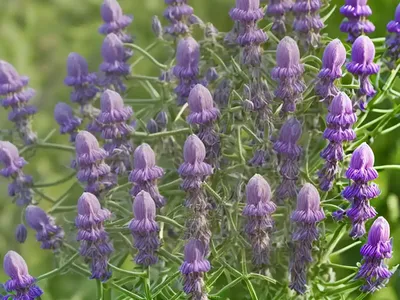
Washington Lupin (Lupinus Polyphyllus)
The Washington lupin, scientifically known as Lupinus polyphyllus, is a stunning flowering plant that belongs to the pea family, Fabaceae. Native to North.
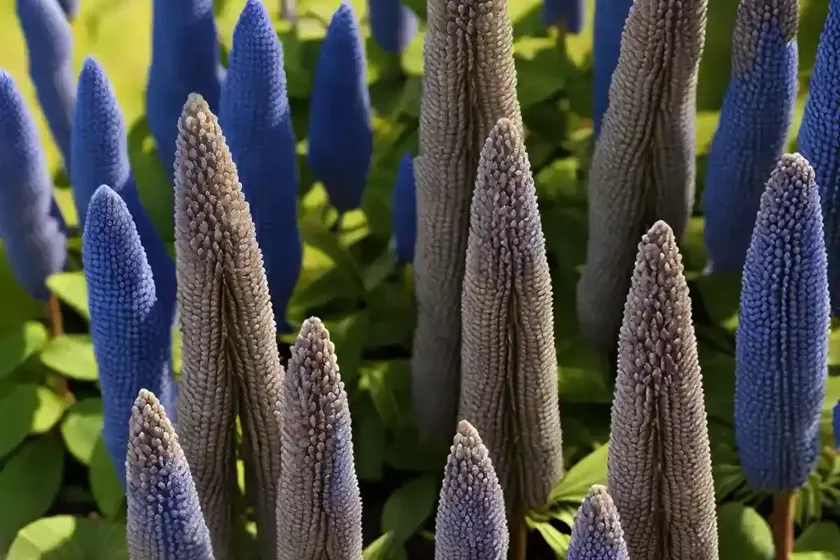
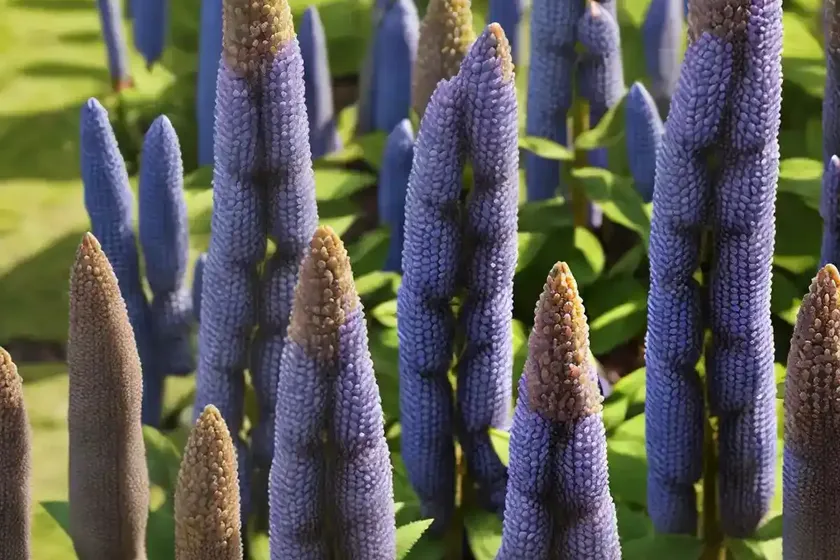
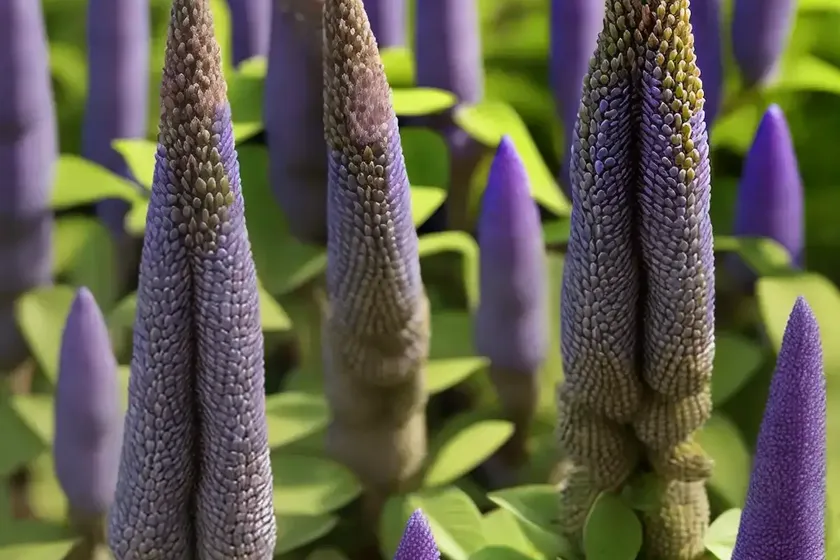
The Washington lupin, scientifically known as Lupinus polyphyllus, is a stunning flowering plant that belongs to the pea family, Fabaceae. Native to North America, this plant is cherished for its vibrant, showy blooms and its ability to attract pollinators such as bees and butterflies. In this comprehensive guide, we will delve into every aspect of this magnificent plant, covering its cultivation, uses, care requirements, and much more.
What is the Washington Lupin (Lupinus polyphyllus)?
Washington lupin or Lupinus polyphyllus is a herbaceous perennial plant that is well-known for its tall spikes of pea-like flowers in a wide array of colors including blue, purple, pink, and white. The plant is adorned with attractive palmate leaves and can reach heights of 3 to 4 feet, making it an eye-catching addition to any garden or landscape.
Being a native plant to North America, particularly the western regions, this gorgeous flowering plant has gained popularity for its ornamental value and its ecological benefits in the garden ecosystem. It is a favorite among gardeners, horticulturists, and nature enthusiasts due to its adaptability, resilience, and the visual spectacle it offers during its blooming season.
Key Takeaways – Washington Lupin (Lupinus polyphyllus)
Before delving into the specifics of caring for the Washington lupin, let’s summarize the key takeaways about this beautiful plant.
Culture
- Plant Type: Herbaceous perennial
- Blooms: Spring to summer
- Height: 3 to 4 feet
- Light: Full sun to partial shade
- Soil: Well-draining, fertile soil
- Water: Regular watering, prefers moist soil
- Uses: Ornamental, wildlife habitat, soil erosion prevention
- Special Features: Attracts pollinators, vibrant flowering spikes
Uses
- Ornamental: Highly valued for its showy blooms and lush foliage, making it a prized addition to gardens, landscapes, and floral arrangements.
- Wildlife Habitat: Attracts bees, butterflies, and hummingbirds, contributing to the biodiversity and health of the garden ecosystem.
- Soil Erosion Prevention: Its extensive root system helps stabilize soil, making it useful for preventing erosion in gardens and landscapes.
Now that we have a broad understanding of the Washington lupin, let’s explore in detail the specific care requirements and cultivation tips for this stunning plant.
Water
Adequate watering is essential for the Washington lupin, especially during its active growing season. While it has a preference for consistently moist soil, it is important to ensure that the soil is well-draining to prevent waterlogging, which can lead to root rot and other moisture-related issues.
Watering Guidelines
- Regular Watering: During the plant’s active growth phase, ensure that the soil is consistently moist. This may require watering the plant 1-2 times per week, depending on the local climate and soil conditions.
- Mulching: Apply a layer of organic mulch around the base of the plant to help retain soil moisture and reduce water evaporation, especially during hot and dry periods.
Sunlight
The Washington lupin thrives in full sun to partial shade conditions. It is best suited for locations that receive ample sunlight, although it can tolerate some shade, particularly in regions with intense sun exposure.
Sunlight Requirements
- Full Sun: Ideally, the plant should be positioned in an area that receives 6-8 hours of direct sunlight daily for optimal growth and abundant flowering.
- Partial Shade: In hot climates, providing some afternoon shade can be beneficial, helping to protect the plant from excessive heat stress.
Fertilizer
To support healthy growth and abundant flowering, the Washington lupin benefits from periodic fertilization during its active growing season. Applying a balanced, slow-release fertilizer can provide the necessary nutrients for the plant’s development.
Fertilizing Recommendations
- Timing: Fertilize the plant in early spring as new growth emerges and again in mid-summer to support continued flowering.
- Fertilizer Type: Choose a balanced fertilizer with equal NPK (nitrogen, phosphorus, and potassium) content to promote overall plant health and robust blooms.
Soil
The Washington lupin thrives in well-draining, fertile soil that is rich in organic matter. It is important to ensure that the soil provides adequate nutrients and a favorable growing environment for the plant’s extensive root system.
Soil Requirements
- Well-Draining: Ensure the soil has good drainage to prevent waterlogging, which can lead to root rot and other issues.
- Rich in Organic Matter: Incorporating compost or well-rotted manure into the soil can enhance its fertility and structure, supporting the plant’s growth.
Pruning
Pruning is an essential aspect of caring for the Washington lupin, helping to maintain the plant’s shape, remove spent blooms, and encourage vigorous growth. Pruning also contributes to the overall appearance and health of the plant.
Pruning Techniques
- Deadheading: Regularly remove spent flowers to promote continuous blooming and prevent the plant from expending energy on seed production.
- Trimming: In late fall or early spring, trim back any dead or damaged growth to encourage new shoots and improve the plant’s overall vigor.
Propagation
Propagation of the Washington lupin can be achieved through several methods, including division, seeds, and cuttings. Each method offers unique advantages and considerations for successfully propagating new plants from an existing specimen.
Propagation Methods
- Division: Divide mature plants in early spring to create new individuals, ensuring that each division has healthy roots and shoots.
- Seeds: Collect and sow fresh seeds in the spring, either directly in the garden or in containers, following specific seed planting guidelines.
- Cuttings: Take stem cuttings from established plants in the summer and propagate them in a suitable rooting medium to establish new plants.
Container Popularity
The Washington lupin is also well-suited for container gardening, allowing enthusiasts to enjoy its beauty on patios, balconies, and other outdoor spaces. When cultivated in containers, it is important to provide the appropriate growing medium and care to support the plant’s needs.
Container Gardening Tips
- Container Size: Choose a sufficiently large container that provides ample room for the plant’s root system to grow and develop.
- Potting Mix: Use a well-draining potting mix that retains moisture while preventing waterlogging, promoting healthy growth in a container environment.
Common Diseases
While the Washington lupin is generally resilient, it can be susceptible to certain diseases, particularly when grown in conditions that are not favorable for its health. Understanding and identifying common diseases can help in implementing appropriate measures to protect the plant.
Disease Diagnosis
- Powdery Mildew: A fungal disease that presents as white powdery spots on the plant’s leaves and stems, often caused by high humidity and poor air circulation.
- Anthracnose: This fungal disease can lead to dark lesions on leaves and stems, affecting the plant’s overall health and appearance.
Common Pests
Pest infestations can pose a threat to the Washington lupin, potentially causing damage to the foliage, flowers, and overall vitality of the plant. Identifying and addressing pest issues promptly is crucial for preserving the plant’s health and appearance.
Common Pests
- Aphids: Small, sap-sucking insects that can cluster on new growth, causing distortion and yellowing of leaves.
- Spider Mites: These tiny pests can infest the plant, leading to stippling and discoloration of the leaves, particularly in hot and dry conditions.
Botanist’s Tips
As a botanist, here are some additional insights and recommendations for cultivating and appreciating the beauty of the Washington lupin.
- Companion Plants: Pair the Washington lupin with other pollinator-attracting plants such as lavender, bee balm, and coneflowers to create a vibrant and wildlife-friendly garden.
- Medicinal Properties: Historically, certain species of lupins have been used in traditional medicine for their potential medicinal properties, including as a diuretic and for treating inflammation.
Fun Facts
To further intrigue and captivate enthusiasts, here are some engaging and noteworthy facts about the Washington lupin:
- The Washington lupin is widely recognized for its role as a nitrogen-fixing plant, enriching the soil with essential nutrients and supporting the growth of neighboring plants.
- According to folklore, lupins have been associated with various symbolic meanings, often representing imagination, creativity, and happiness in flower language.
Links to External Resources
For individuals seeking in-depth information, resources, and inspiration related to the Washington lupin, the following external links are valuable references:
- Royal Horticultural Society – Growing Lupins
- University of Vermont Extension – Lupine for Vermont Gardens
- Washington State University Extension – Lupine Wildflowers
In conclusion, the Washington lupin, Lupinus polyphyllus, stands as a captivating and valuable addition to gardens, landscapes, and natural habitats. Its striking blooms, ecological significance, and cultural relevance continue to elevate its status as a beloved and cherished plant among horticultural enthusiasts and nature lovers alike. By understanding and implementing the recommended care guidelines, individuals can celebrate the enduring beauty and benefits of this remarkable flowering plant, while contributing to the preservation of its rich botanical heritage.
Remember, the Washington lupin exemplifies not only the splendor of nature but also the interconnectedness of plant life in enriching and sustaining our environment.
As a plant scientist and enthusiast, it is my fervent hope that this guide serves as a source of knowledge, appreciation, and inspiration for all who seek to cultivate and behold the unparalleled charm of the Washington lupin. Happy gardening!
Happy gardening with the Washington lupin,
Dr. [Your Name]