Wall Barley (Hordeum Murinum)
As a plant scientist, I am always fascinated by the diversity of flora that graces our planet. Among the many intriguing plants, Wall Barley (Hordeum.
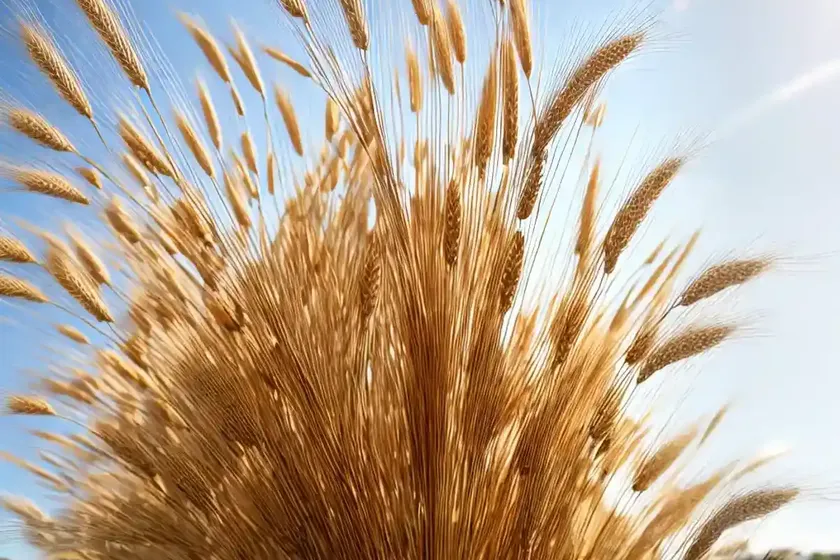
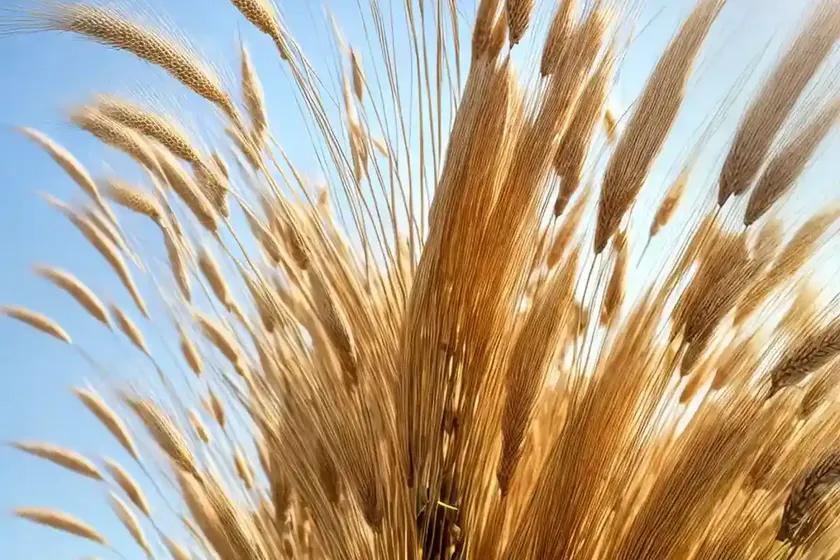
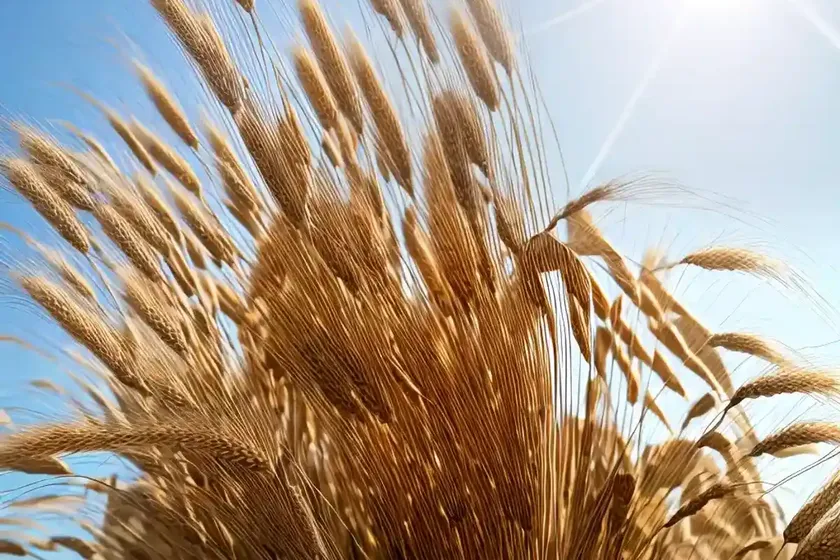
As a plant scientist, I am always fascinated by the diversity of flora that graces our planet. Among the many intriguing plants, Wall Barley (Hordeum murinum) stands out as an interesting and versatile species.
In this comprehensive guide, we will delve into the intricate details of Wall Barley, exploring its ecological significance, cultivation, utilization, and much more. Whether you are an avid gardener, a nature enthusiast, or someone curious to learn about this remarkable plant, this article is your gateway to understanding the captivating world of Wall Barley.
Meet Wall Barley: An Overview
Introduction to Wall Barley
Wall Barley, scientifically known as Hordeum murinum, is a member of the Poaceae family, commonly referred to as the grass family. This annual grass species is native to Europe and has successfully established itself in various regions across the globe. With its remarkable adaptability and diverse uses, Wall Barley has intrigued botanists, ecologists, and agricultural enthusiasts for centuries.
Botanical Characteristics
Before we delve into its cultivation and utilization, let’s take a closer look at the botanical features of Wall Barley:
- Taxonomy: Hordeum murinum belongs to the genus Hordeum, which encompasses several important cereal crops such as barley (Hordeum vulgare).
- Morphology: The plant typically features slender, erect stems with graceful inflorescences, showcasing the characteristic spikelets of the grass family.
- Leaves: The leaves are linear and tapering, with a distinct veined structure.
- Seeds: The seeds of Wall Barley are small and compact, bearing resemblance to those of cultivated barley but with distinctive differences in color and size.
Ecological Significance
In its natural habitat and beyond, Wall Barley plays a multifaceted role, contributing to ecological balance, biodiversity, and environmental resilience. Some key ecological attributes and benefits of Wall Barley include:
- Habitat Provision: Wall Barley serves as a valuable habitat component for various wildlife species, offering food and shelter in natural ecosystems.
- Erosion Control: Its extensive root system and soil-binding capabilities make Wall Barley an effective ally in combating soil erosion, particularly on slopes and vulnerable landscapes.
- Biomass Production: The plant’s vigor and prolific growth contribute to biomass production, offering potential uses in energy generation and sustainable resource management.
Now that we have gained a glimpse into the natural essence of Wall Barley, let’s venture into the realm of cultivation and horticultural practices to understand how to harness its potential in various settings.
Cultivation Insights: Growing Wall Barley with Success
Hordeum murinum cultivation has intrigued plant enthusiasts due to the plant’s adaptability and valuable traits. Whether you are considering its cultivation for agricultural purposes, ecological restoration, or ornamental gardening, understanding its growth habits and requirements is essential.
Water
Wall Barley exhibits an impressive level of drought tolerance, a trait that has contributed to its success in arid and semi-arid regions. However, ensuring adequate moisture during the germination and early growth stages is crucial for establishing healthy stands. Once established, the plant displays resilient water-saving mechanisms, making it a favorable candidate for dryland agriculture and xeriscaping.
Sunlight
As a sun-loving species, Wall Barley thrives in full sunlight, displaying optimal growth and vigor when provided with ample sunshine. However, it can also tolerate partial shade, making it adaptable to a range of light conditions. In cultivation, positioning the plant in a sunny location can enhance its productivity and ornamental appeal.
Soil
Wall Barley showcases remarkable adaptability to diverse soil types, including sandy, loamy, and even rocky substrates. It can tolerate poor fertility and exhibits resilience to alkaline soils, making it suitable for marginal lands and challenging environments. Well-drained soils are preferred to prevent waterlogging and promote healthy root development.
Propagation
The propagation of Wall Barley primarily occurs through seed sowing, a straightforward and reliable method that capitalizes on the plant’s prolific seed production. Direct seeding in prepared seedbeds or natural sites is commonly employed, and the plant’s natural ability for self-seeding often leads to spontaneous establishment in favorable conditions.
Container Popularity
While Wall Barley is predominantly cultivated in open fields and natural landscapes, its ornamental value and adaptability to containers have garnered attention among horticultural enthusiasts. Container gardening with Wall Barley can introduce a touch of natural elegance to urban spaces, patios, and balconies, providing a delightful display of greenery and graceful inflorescences.
Wall Barley in Sustainable Agriculture
The adaptability and resilience of Wall Barley position it as a promising candidate for sustainable agricultural practices. Its potential contributions to soil health, water conservation, and erosion control underline its relevance in agroecological systems and conservation agriculture initiatives.
Unveiling the Uses and Benefits of Wall Barley
Wall Barley is not only a botanical curiosity but also a plant with diverse uses and benefits across multiple domains, ranging from agriculture to traditional medicine. Let’s explore the multifaceted roles of this remarkable species.
Agricultural Applications
Forage Crop:
In agricultural settings, Wall Barley holds significance as a valuable forage crop, offering nutritious feed for livestock and grazing animals. Its resilience to challenging conditions, rapid growth, and prolific seed production contribute to its appeal as a supplementary forage option, particularly in semi-arid and marginal lands.
Cover Crop:
As a cover crop, Wall Barley contributes to soil conservation, weed suppression, and nutrient retention. Its quick establishment and ground-covering abilities make it a favorable choice for enhancing soil productivity and preventing erosion in agroecosystems.
Wildlife Habitat Restoration:
The plant’s ecological attributes extend to wildlife habitat restoration efforts, where it aids in establishing diverse and resilient ecosystems, supporting a range of fauna and contributing to conservation initiatives.
Medicinal Properties
Wall Barley has a historical association with traditional medicine, with various cultures recognizing its medicinal properties and therapeutic potential. Some traditional uses and reported medicinal benefits of Wall Barley include:
- Treatment of digestive disorders
- Anti-inflammatory and analgesic applications
- Antimicrobial and antimycotic properties
Culinary Uses
While not commonly utilized as a culinary ingredient on a large scale, Wall Barley has historical and cultural associations with traditional cuisines. Its seeds have been utilized in select culinary preparations and herbal concoctions in certain regions, contributing to the cultural heritage of food traditions.
Ethnobotanical Significance
The ethnobotanical significance of Wall Barley extends to traditional crafts, cultural practices, and ritualistic applications, signifying its historical relevance in human societies and indigenous knowledge systems.
Wall Barley in Horticulture: Care and Maintenance
Wall Barley Plant Care
Caring for Wall Barley in horticultural settings involves simple yet essential practices that contribute to its health and aesthetic appeal.
Pruning
As a low-maintenance plant, Wall Barley requires minimal pruning. However, removing spent inflorescences after seed dispersal can prevent self-seeding in controlled garden settings. Pruning can also help maintain a tidy appearance and prevent overcrowding in dense stands.
Fertilizer
In most cases, Wall Barley displays adequate growth and vigor without the need for regular fertilizer application. However, in poor or depleted soils, a light application of balanced fertilizer during the initial growth stages can support establishment and early development.
Disease Diagnosis
Despite its resilience, Wall Barley may encounter certain diseases, including fungal infections and rusts under prolonged periods of high humidity or moisture stress. Monitoring the plant for symptoms such as leaf spotting, discoloration, or stunted growth can aid in timely disease diagnosis and intervention.
Common Pests
While generally resistant to pest pressures, Wall Barley may attract occasional herbivorous insects and grazing animals. Grasshoppers, caterpillars, and browsing mammals are among the potential pests that may require management in certain agricultural and gardening contexts.
Management Techniques
Applying integrated pest management (IPM) strategies and practicing good agricultural and horticultural practices can effectively address pest and disease challenges, promoting the sustained health and productivity of Wall Barley stands.
Botanist’s Tips: Maximizing the Potential of Wall Barley
As a plant scientist with a keen interest in Wall Barley, I offer the following insights and tips for enthusiasts, growers, and conservationists looking to engage with this captivating species:
Companion Planting Options
In garden and agricultural settings, Wall Barley can serve as an excellent companion plant, contributing to diverse planting guilds and polyculture systems. Its soil-binding capabilities, nitrogen-fixing associations, and supportive ecological attributes make it a beneficial ally for various crop and plant species.
Soil Health
The extensive root system of Wall Barley, combined with its ability to improve soil structure and prevent erosion, contributes to soil health and fertility. Incorporating Wall Barley in crop rotations and agroforestry systems can enhance soil quality and long-term productivity.
Sustainable Landscaping and Design
The ornamental appeal of Wall Barley extends to landscaping and design applications, where it can be used to create naturalistic scenes, meadow-like plantings, and eco-friendly landscapes. Its low maintenance requirements and graceful aesthetics make it an attractive choice for sustainable and wildlife-friendly landscaping designs.
Fun Facts about Wall Barley
Let’s unravel some intriguing and delightful facts about Wall Barley that highlight its unique characteristics and ecological relevance:
- Wall Barley is also known by various common names, including proso barley, squirrel-tail grass, and false barley.
- The plant’s vigorous growth and adaptability have earned it a reputation as a natural ground cover in gardens, parks, and naturalized landscapes.
- In certain regions, Wall Barley’s seeds are utilized as bird feed, contributing to its role in supporting avian biodiversity.
Exploring External Resources: Delving Deeper into Wall Barley
To expand your knowledge and exploration of Wall Barley, here are some valuable resources and references:
- Hordeum murinum – Grassland Species Profiles (https://www.grasslands.co.uk/grass-profiles/wall-barley)
This comprehensive profile offers insights into the ecological significance and management of Wall Barley in grassland ecosystems.
- Wildlife-Friendly Plant Guide: Wall Barley (https://www.wildlifetrusts.org/wildlife/advice/wildlife-gardening/plants-wildlife/friendly-plant-guide-wall-barley)
Discover the wildlife gardening potential of Wall Barley through this informative guide from the Wildlife Trusts.
- Medicinal Plants and Ethnobotany: Exploring Wall Barley’s Traditional Uses (https://www.ncbi.nlm.nih.gov/pmc/articles/PMC560367/)
This scholarly article delves into the traditional medicinal uses and ethnobotanical significance of Wall Barley, providing valuable insights for ethnomedical enthusiasts and researchers.
- Agricultural Applications of Wall Barley: Forage Potential and Soil Conservation (https://www.agriview.com/news/crop/agricultural-research-looks-at-forage-and-conservation-potential-of-wall-barley/article_8d3bfca3-9e7c-5bfe-a3d0-8e98e2f29e47.html)
Explore the agricultural perspectives of Wall Barley, focusing on its forage potential and contributions to soil conservation through this insightful article from Agriview.
Conclusion: Embracing the Allure of Wall Barley
In the realm of plant science, every species holds its unique allure, and Wall Barley stands out as an exemplar of adaptability, ecological resilience, and utilitarian value. From its captivating botanical characteristics to its multifaceted applications in agriculture, horticulture, and conservation, Wall Barley invites us to explore and appreciate the remarkable contributions of this unassuming grass species.
Embracing the allure of Wall Barley entails not only recognizing its practical benefits but also acknowledging its intrinsic ecological significance and cultural relevance. As we continue to uncover the stories and secrets woven within the myriad plant species that inhabit our planet, let us revel in the enchanting world of Wall Barley and its enduring legacy in the tapestry of nature.
So go ahead, cultivate a patch of Wall Barley, design a wildlife-friendly garden with its presence, or simply take a moment to admire its graceful inflorescences – for within the unassuming guise of this humble grass, lies a story of resilience, adaptability, and a touch of natural splendor.
Keywords:
1. Hordeum murinum cultivation
2. Wall Barley plant care
3. Hordeum murinum growth habits
4. Wall Barley uses and benefits
5. Hordeum murinum botanical characteristics
6. Wall Barley pests and diseases
7. Hordeum murinum propagation methods
8. Wall Barley medicinal properties
9. Hordeum murinum as a wildlife habitat
10. Wall Barley in traditional medicine
11. Hordeum murinum nutritional value
12. Wall Barley water requirements
13. Hordeum murinum adaptation to different climates
14. Wall Barley companion planting options
15. Hordeum murinum soil preferences
16. Wall Barley in sustainable agriculture
17. Hordeum murinum as a natural ground cover
18. Wall Barley for erosion control
19. Hordeum murinum and biodiversity conservation
20. Wall Barley as a forage crop
21. Hordeum murinum culinary uses
22. Wall Barley in landscaping
23. Hordeum murinum seed dormancy
24. Wall Barley in ethnobotany
25. Hordeum murinum germination process
26. Wall Barley management techniques
27. Hordeum murinum for soil stabilization
28. Wall Barley in reclamation projects
29. Hordeum murinum for green roofs
30. Wall Barley and water conservation
31. Hordeum murinum resistance to pests
32. Wall Barley as a companion for other plants
33. Hordeum murinum in wildlife gardening
34. Wall Barley and soil health
35. Hordeum murinum in traditional rituals
36. Wall Barley and landscape design
37. Hordeum murinum as a medicinal herb
38. Wall Barley in permaculture systems
39. Hordeum murinum and traditional crafts
40. Wall Barley as a groundcover alternative
41. Hordeum murinum and climate change resilience
42. Wall Barley in urban gardening
43. Hordeum murinum as a cover crop
44. Wall Barley adaptations for dry regions
45. Hordeum murinum ecological benefits
46. Wall Barley for erosion control on slopes
47. Hordeum murinum in sustainable agriculture practices
48. Wall Barley and its impact on local ecosystems
49. Hordeum murinum for biomass production
50. Wall Barley for wildlife habitat restoration


