Walking Iris (Neomarica Northiana)
The Walking Iris, scientifically known as Neomarica northiana, is a stunning and unique plant that belongs to the family Iridaceae. Native to Central.
What is the Walking Iris (Neomarica northiana)?
The Walking Iris, scientifically known as Neomarica northiana, is a stunning and unique plant that belongs to the family Iridaceae. Native to Central America and South America, this plant is renowned for its elegant appearance and the enchanting way it “walks” to propagate itself.
As a plant scientist and enthusiast, I am thrilled to share a comprehensive guide on how to care for this captivating plant, its cultural uses, and the best tips for its successful growth. From understanding its water and sunlight requirements to learning about propagation methods and common diseases, this guide aims to provide a wealth of knowledge for both novice and experienced plant lovers.
Key Takeaways – Walking Iris (Neomarica northiana)
Before delving into the finer details of caring for the Walking Iris, here are key takeaways that this guide will address:
– Plant Name: Walking Iris (Neomarica northiana)
– Native Habitat: Central America and South America
– Distinct Feature: Unique “walking” propagation
– Cultural Uses: Ornamental plant, landscaping projects
– Growth Conditions: Water, sunlight, fertilizer, soil, pruning, propagation
– Common Diseases: Diagnosis and prevention
– Popular for: Container gardening
– Common Pests: Identification and management
– Botanist’s Tips: Expert insights for healthy plant growth
– Fun Facts: Intriguing aspects about the Walking Iris
With these takeaways in mind, let’s embark on a journey to explore the alluring world of the Walking Iris.
Walking Iris (Neomarica northiana): Plant Profile
Plant Characteristics
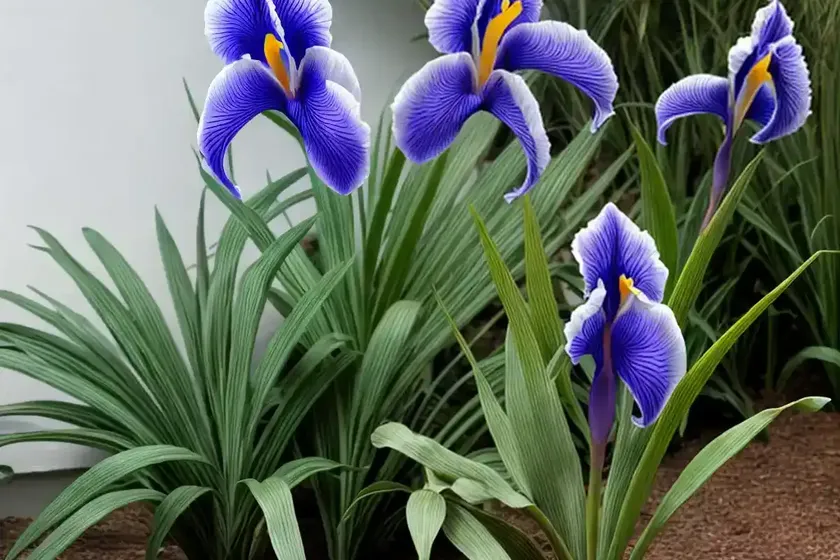
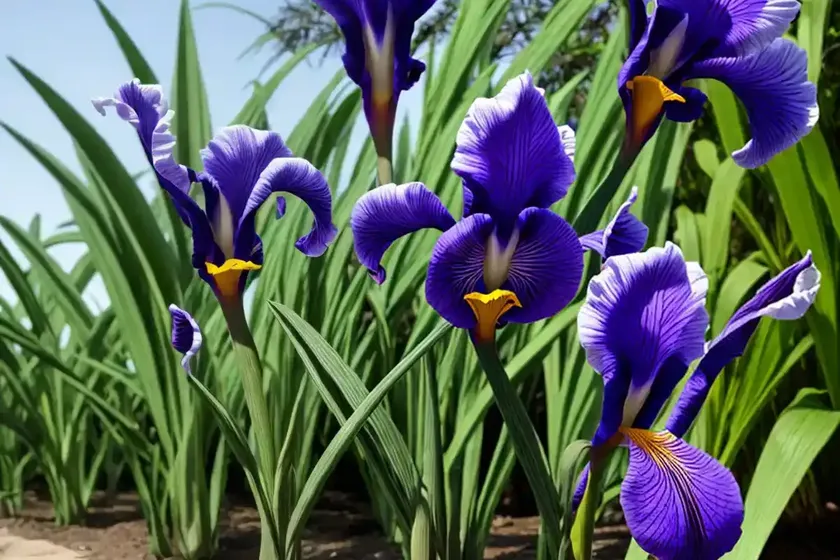
The Walking Iris, Neomarica northiana, is characterized by its graceful, sword-shaped leaves and stunning, orchid-like blooms. The plant showcases an exceptional walking behavior, where it propagates itself by producing plantlets on arching stems that eventually touch the ground and take root, thus earning its popular name.
Varieties and Flower Patterns
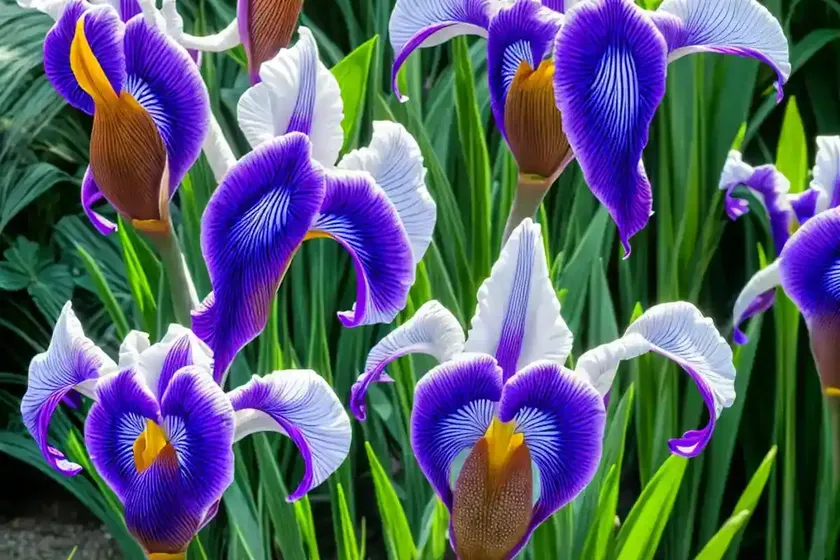
Neomarica northiana boasts several stunning varieties with distinct flower patterns and colors, adding to its allure as an ornamental plant. From vibrant blues and purples to soft creams and yellows, the Walking Iris offers a captivating array of flower patterns that vary across its different varieties.
Native Habitat and Landscapes
In its natural habitat, the Walking Iris thrives in the lush, tropical landscapes of Central America and South America. Its ability to thrive in diverse climates and soil conditions makes it a versatile choice for landscaping projects and ornamental gardening.
Historical and Cultural Significance
The Walking Iris holds cultural significance in various indigenous communities, who value its unique characteristics and vibrant blooms. Its historical significance and traditional uses further add to the allure and fascination surrounding this enchanting plant.
Now that we’ve familiarized ourselves with the basic profile of the Walking Iris, let’s explore the intricate details of nurturing and caring for this captivating plant.
Walking Iris (Neomarica northiana) Plant Care Guide
Caring for the Walking Iris is a rewarding experience that offers a touch of elegance and charm to any garden or indoor space. To ensure optimal growth and stunning blooms, it’s essential to understand the plant’s specific needs and the best practices for its care.
Water: Nurturing the Thirsty Roots
Proper watering is crucial for the health and vitality of the Walking Iris. Being mindful of the plant’s water requirements is essential to prevent issues such as root rot or dehydration. Consider the following tips when watering your Neomarica northiana:
– Moderate Moisture: The Walking Iris thrives in consistently moist, well-draining soil. It’s essential to maintain moderate moisture levels to support healthy root growth and blooming.
– Avoid Waterlogging: While the plant appreciates consistent moisture, it’s important to prevent waterlogging, which can lead to root rot. Ensure that the soil allows excess water to drain effectively.
– Watering Frequency: During the growing season, water the plant regularly, ensuring the top inch of the soil remains moist. In winter, reduce watering frequency while still ensuring the soil maintains moderate moisture.
Sunlight: Embracing the Warm Glow
Proper sunlight exposure plays a vital role in the Walking Iris’s growth and flowering patterns. Understanding the plant’s sunlight requirements is essential for fostering robust and vibrant blooms. Consider the following tips for sunlight exposure:
– Indirect Sunlight: The Walking Iris thrives in bright, indirect light. Placing the plant in a location with ample natural light, such as near a window or in a well-lit room, is ideal for its growth.
– Avoid Direct Sun: While the plant appreciates sunlight, it’s important to shield it from direct, intense sun exposure, especially during the hotter hours of the day. Direct sunlight can lead to leaf burn and affect the plant’s overall health.
Fertilizer: Nourishing for Flourishing Blooms
Supplying essential nutrients through proper fertilization is key to supporting the Walking Iris’s growth and flowering potential. Choosing the right fertilizer and applying it at the appropriate times is crucial for vibrant blooms and robust foliage. Consider the following tips for fertilizing your Neomarica northiana:
– Balanced Fertilizer: Select a balanced, water-soluble fertilizer designed for flowering plants. Apply the fertilizer during the growing season to support healthy bloom production and foliage growth.
– Frequency of Application: Fertilize the Walking Iris every 2-3 weeks during the active growing season, reducing frequency in winter. Follow the manufacturer’s guidelines for application rates and dilution.
Soil: Creating a Nourishing Foundation
Ensuring that the Walking Iris is planted in the right soil composition is essential for its overall health and vitality. The soil should provide adequate drainage while supplying essential nutrients for the plant’s growth. Consider the following soil tips for optimal plant health:
– Well-Draining Mix: Plant Neomarica northiana in a well-draining potting mix rich in organic matter. A mix consisting of peat moss, perlite, and compost will provide the ideal balance of moisture retention and drainage.
– Acidic pH: The Walking Iris prefers slightly acidic soil with a pH range of 5.5 to 6.5. Ensuring the soil pH is within this range will support optimal nutrient uptake and overall plant health.
Pruning: Shaping for Beauty
Regular pruning is beneficial for maintaining the Walking Iris’s attractive appearance and managing its growth. Understanding the best practices for pruning will help promote vigorous blooming and prevent overcrowding. Consider the following pruning tips:
– Deadhead Spent Blooms: Remove fading or spent blooms promptly to encourage continuous flowering and prevent the plant from expending energy on seed production.
– Trimming Foliage: Trim away any yellowing or damaged foliage to maintain the plant’s aesthetic appeal and encourage new growth.
Propagation: Nurturing New Growth
The unique propagation behavior of the Walking Iris is one of its most fascinating attributes. Understanding the methods for propagating Neomarica northiana will allow you to expand your plant collection and share its beauty with others. Consider the following propagation methods:
– Division: Propagate the Walking Iris by dividing the plant clumps, ensuring that each division has a healthy root system and suitable foliage. Replant the divisions in well-draining soil to support their establishment and growth.
– Propagation from Plantlets: Harvest the plantlets that develop on the arching stems and transplant them into individual containers with suitable potting mix. Provide proper care to facilitate their successful establishment as new plants.
Container Popularity: Embracing Potted Beauty
The Walking Iris is a popular choice for container gardening, bringing its elegance and charm to indoor and outdoor spaces. Understanding the best practices for growing Neomarica northiana in containers is essential for its successful cultivation. Consider the following container gardening tips:
– Suitable Containers: Choose well-draining containers with adequate drainage holes to prevent waterlogging and support healthy root growth.
– Indoor Placement: Position potted Walking Iris plants in locations with bright, indirect light, such as near windows or in well-lit rooms. Ensure that the plant receives adequate airflow and a consistent temperature.
Now that we’ve covered the essential aspects of caring for the Walking Iris, let’s turn our attention to common diseases, pests, and effective management practices.
Common Diseases and Pest Management for Walking Iris (Neomarica northiana)
Disease Diagnosis: Preventing Ailments
While the Walking Iris is relatively resilient, certain diseases can impact its health and vigor. Being able to identify common diseases and diagnose ailments promptly is crucial for preventing their spread and maintaining the plant’s vitality. Consider the following tips for disease diagnosis:
– Fungal Diseases: Watch for signs of fungal diseases such as leaf spot or powdery mildew. Ensure proper air circulation and avoid overhead watering to prevent the development of fungal infections.
– Bacterial Issues: Keep an eye out for bacterial diseases that can cause leaf browning or rot. Promptly remove affected foliage and adjust watering practices to mitigate bacterial concerns.
Common Pests: Identifying Troublesome Invaders
Pests, while not as common as diseases, can pose a threat to the Walking Iris’s overall health. Being able to identify common pests and implementing appropriate management measures is essential for protecting the plant. Consider the following pests and their management:
– Aphids and Spider Mites: Watch for signs of aphid infestations, which may appear as clusters of small, soft-bodied insects on the plant’s tender growth. Spider mites can also pose a threat, causing stippling and webbing on the foliage. Use insecticidal soap or horticultural oil to manage these pests effectively.
– Thrips: Thrips can damage the Walking Iris’s blooms by causing discoloration and deforming the flowers. Apply neem oil or insecticidal soap to control thrip infestations and protect the plant’s blooms.
Botanist’s Tips for Healthy Walking Iris Growth
As a plant scientist with a passion for the stunning Walking Iris, I’d like to share some expert tips that can contribute to the plant’s healthy growth and overall vitality. These tips encompass best practices as well as additional insights that can help enthusiasts nurture the Walking Iris to its fullest potential.
Tip 1: Moderate Moisture
Maintaining moderate soil moisture is key to supporting the Walking Iris’s growth, especially during the active growing season. Be mindful of watering practices to ensure consistent moisture without risking waterlogging.
Tip 2: Balanced Fertilization
Choosing a balanced, water-soluble fertilizer and applying it at the right intervals can bolster the plant’s blooming capacity and promote lush foliage growth.
Tip 3: Controlled Sunlight Exposure
Position the Walking Iris in a location that offers bright, indirect light while protecting it from direct, intense sunlight, especially during the peak hours of the day.
Tip 4: Vigilant Pest Monitoring
Regularly inspect the plant for signs of common pests and promptly address any infestations to prevent damage to the foliage and blooms.
Tip 5: Division Timing
When propagating the Walking Iris through division, ensure that the timing is favorable, typically during the active growing season, to support successful establishment of new plant clumps.
Tip 6: Pruning for Blooms
Regular deadheading of spent blooms and trimming of yellowing foliage can encourage continuous blooming and maintain the plant’s attractive appearance.
Tip 7: Preventative Disease Measures
Promote adequate airflow and be mindful of moisture levels to prevent the development of fungal and bacterial diseases, thus safeguarding the plant’s health.
Considering these expert tips and integrating them into the care routine for the Walking Iris can yield remarkable results, leading to vibrant blooms and a thriving plant.
Fun Facts About the Walking Iris (Neomarica northiana)
To further enrich our appreciation for the captivating Walking Iris, let’s explore some intriguing and delightful fun facts about this enchanting plant:
Fun Fact 1: Floral Frangrance
Certain varieties of Neomarica northiana are prized for their delightful floral fragrance, adding an extra sensory dimension to their allure.
Fun Fact 2: Natural Dyes
The leaves of the Walking Iris have been traditionally used as a source of natural dyes, showcasing the versatile and practical aspects of this plant.
Fun Fact 3: Wildlife Attraction
The vibrant blooms of the Walking Iris can attract pollinators such as butterflies and hummingbirds, contributing to the biodiversity of garden spaces.
Fun Fact 4: Botanical Symbolism
In various cultures, the Walking Iris holds symbolic significance, often representing resilience, renewal, and growth, reflecting its unique propagation behavior.
Fun Fact 5: Traditional and Medicinal Uses
In certain traditional practices, the Walking Iris has been utilized for its medicinal properties, highlighting its diverse cultural and practical value.
These fun facts shed light on the multi-faceted nature of the Walking Iris, encompassing its aesthetic allure, practical applications, and cultural significance.
Links to External Resources
For further exploration and in-depth information on the Walking Iris (Neomarica northiana) and related topics, I recommend delving into the following reputable external resources:
- Walking Iris Varieties and Flower Patterns: Link to Walking Iris Varieties
- Neomarica northiana Plant Care Tips: Link to Neomarica Care Tips
- Propagating Walking Iris (Neomarica northiana): Link to Propagation Methods
- Optimal Conditions for Walking Iris Growth: Link to Growth Conditions
- Common Diseases and Pests of Neomarica northiana: Link to Disease and Pest Management
These external resources will complement the insights shared in this comprehensive guide, providing valuable additional information and perspectives on the Walking Iris and related topics.
In Conclusion
The Walking Iris, Neomarica northiana, stands as a remarkable plant with a unique propagation behavior, stunning blooms, and a rich cultural and practical heritage. By understanding and implementing the best practices for its care, enthusiasts can enjoy the beauty and grace of the Walking Iris in their gardens, indoor spaces, and landscaping projects.
As we continue to appreciate and nurture the enchanting Walking Iris, may its elegance and resilience inspire and captivate us, further enriching our botanical journeys and our appreciation for the wonders of the natural world.
Remember that the care and attention we give to our plants not only nurture their growth, but also foster our own connection to nature and the enduring beauty it offers.
Happy gardening!
Disclaimer: The information provided in this guide is intended for informational purposes only. It is not a substitute for professional botanical or horticultural advice. Please consult with a qualified expert for personalized guidance on plant care and management.


