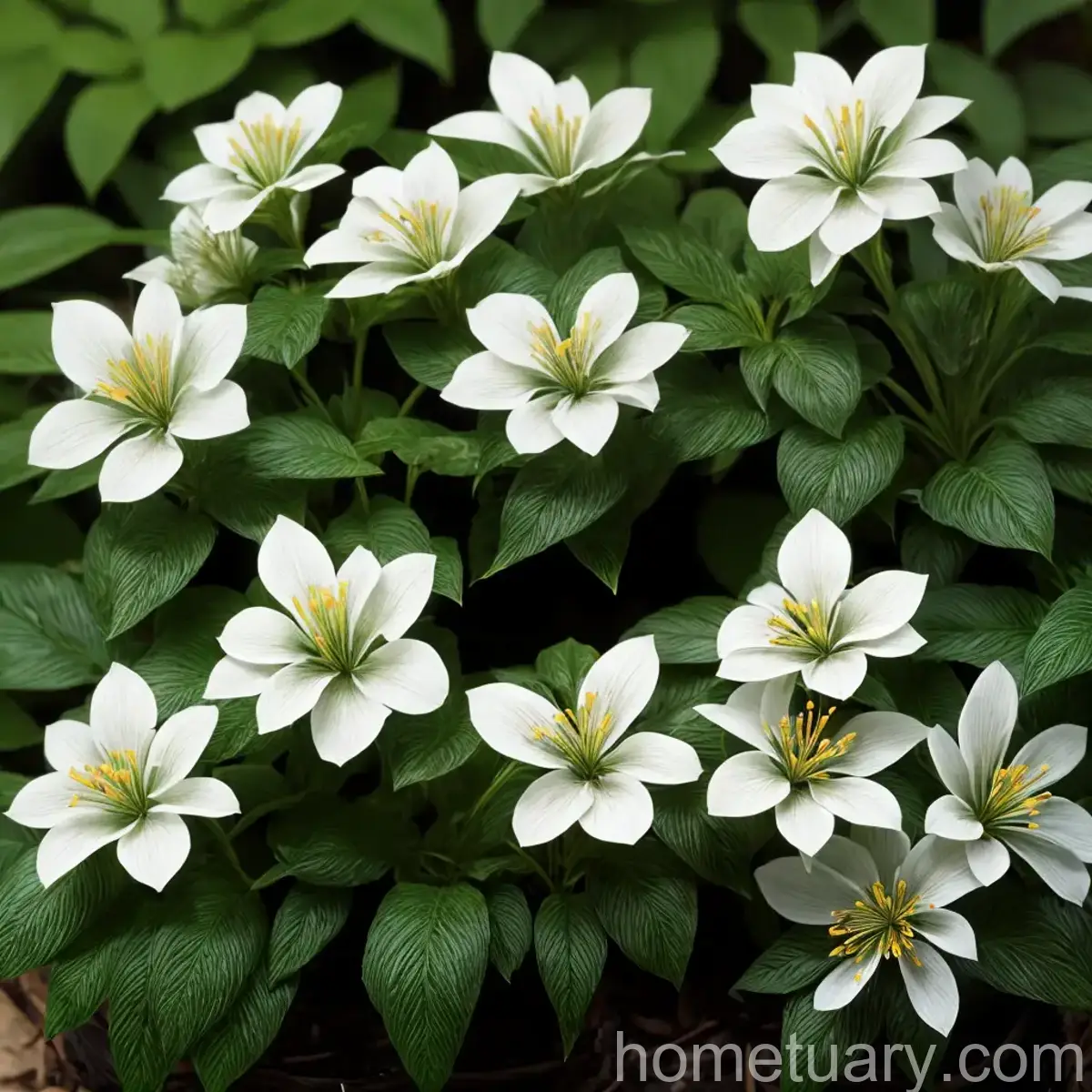
Waldsteinia Ternata: A Comprehensive Guide to Planting and Maintenance
Waldsteinia ternata, also known as barren strawberry, is a low-growing perennial plant that belongs to the Rosaceae family. It is native to Europe and parts of Asia, and it is valued for its attractive foliage and ability to form dense, weed-suppressing mats. In this comprehensive guide, we will explore everything you need to know about cultivating and caring for Waldsteinia ternata.
What is Waldsteinia Ternata?
Waldsteinia ternata is a robust, herbaceous plant with trifoliate leaves that resemble those of true strawberries. This low-maintenance perennial produces bright yellow, five-petaled flowers in spring and early summer, followed by small, strawberry-like fruit. The plant spreads through rhizomes, forming a dense mat that effectively suppresses weeds. Due to its ornamental value and ability to provide groundcover, Waldsteinia ternata is a popular choice for landscaping and gardening projects.
Key Takeaways
Before delving into the specific aspects of caring for Waldsteinia ternata, let’s summarize the key takeaways associated with this plant.
- Scientific Name: Waldsteinia ternata
- Common Name: Barren strawberry
- Family: Rosaceae
- Type: Herbaceous perennial
- Native Range: Europe and parts of Asia
- Key Features: Trifoliate leaves, yellow flowers, strawberry-like fruit, weed-suppressing mat formation
- Application: Groundcover, landscaping, erosion control
- Growth Habit: Low-growing, spreading via rhizomes
- Maintenance Level: Low
- Adaptability: Sun to partial shade, various soil types
- Hardiness Zones: 4-8
Now that we have a broad overview of Waldsteinia ternata, let’s dive into the specific aspects of cultivating and caring for this plant.
Culture
Cultivating Waldsteinia ternata involves understanding its preferences for water, sunlight, soil, and maintenance. By catering to its specific cultural requirements, you can encourage healthy growth and maximize its ornamental value.
Uses
Waldsteinia ternata serves several functional and aesthetic purposes in landscaping and gardening. Its common uses include:
- Groundcover: Due to its spreading nature and ability to form dense mats, Waldsteinia ternata is often employed as a groundcover plant.
- Erosion Control: The mat-forming habit of the plant makes it suitable for stabilizing slopes and preventing soil erosion.
- Ornamental Value: The trifoliate leaves and bright yellow flowers make Waldsteinia ternata an attractive addition to garden borders, rock gardens, and woodland settings.
- Weed Suppression: The dense growth habit of the plant contributes to effective weed suppression in garden beds and borders.
- Wildlife Support: The flowers of Waldsteinia ternata attract pollinators, making it beneficial for supporting biodiversity in the garden.
Water
Waldsteinia ternata prefers consistently moist but well-drained soil. During the establishment phase, adequate watering is crucial to support root development and ensure the plant’s resilience. Once mature, the plant exhibits a degree of drought tolerance but performs best with regular watering, especially during dry spells.
Sunlight
In terms of sunlight requirements, Waldsteinia ternata thrives in partial to full shade. While it can tolerate some sun exposure, particularly in cooler climates, it generally prefers shaded or dappled light conditions. When grown in full sun, the plant may require more frequent watering to maintain optimal moisture levels in the soil.
Fertilizer
Waldsteinia ternata is not particularly demanding in terms of fertilizer requirements. A balanced, all-purpose fertilizer can be applied in spring to support healthy growth and flowering. It’s important to follow the recommended application rates and avoid excessive fertilization, which can lead to lush foliage at the expense of flowers.
Soil
The plant adapts well to various soil types, provided they offer good drainage and adequate moisture retention. Loamy, well-structured soils with a slightly acidic to neutral pH are generally favorable for Waldsteinia ternata. Additionally, incorporating organic matter into the soil during planting can help improve its overall quality and water-holding capacity.
Pruning
Pruning requirements for Waldsteinia ternata are minimal, primarily focusing on the removal of spent flowers and any damaged or unsightly foliage. This can be carried out as needed throughout the growing season to maintain a tidy appearance and promote continued flowering. In late winter or early spring, a light shearing of the plant can revitalize its growth and enhance its overall appearance.
Propagation
Waldsteinia ternata can be propagated through division, allowing gardeners to expand their plantings or share specimens with fellow gardening enthusiasts. Division is typically carried out in spring or fall, and it involves separating the rhizomes and replanting them in suitable locations. By employing this propagation method, you can rejuvenate established clumps and establish new plantings with ease.
Container Popularity
While Waldsteinia ternata is often utilized as a groundcover in garden settings, it has also gained popularity as a container plant. The plant’s ability to form a dense, low-maintenance mat makes it well-suited for container gardening, where it can serve as an effective and attractive filler. When using Waldsteinia ternata in containers, it’s important to ensure ample drainage and provide regular watering to accommodate the restricted root space.
Common Diseases
Waldsteinia ternata exhibits good resistance to most common plant diseases, but there are a few issues that may affect its health and vigor. By familiarizing yourself with these potential diseases, you can take proactive measures to minimize their impact and maintain the plant’s well-being.
Disease Diagnosis
The following are some of the common diseases that may affect Waldsteinia ternata:
- Powdery Mildew: This fungal disease manifests as a powdery white coating on the leaves, leading to poor growth and reduced aesthetic appeal. It thrives in humid conditions and can be mitigated through proper spacing, adequate air circulation, and the application of fungicidal treatments if necessary.
- Crown Rot: Excessive soil moisture or poor drainage can contribute to crown rot, leading to the decay of the plant’s crown and root system. To prevent this issue, it’s important to ensure well-drained soil and avoid overwatering, particularly in areas prone to waterlogging.
- Leaf Spot: Leaf spot diseases may occur under prolonged periods of high humidity, resulting in the formation of spots or lesions on the foliage. Pruning out affected leaves and promoting good air circulation can help minimize the impact of this disease.
By promptly identifying and addressing these issues, you can uphold the health and vigor of Waldsteinia ternata in your garden or landscape.
Common Pests
While Waldsteinia ternata is relatively resistant to pest infestations, there are a few potential culprits that may require monitoring and management.
Botanist’s Tips
To ensure the successful cultivation and maintenance of Waldsteinia ternata, consider the following botanist’s tips:
- Mulching: Applying a layer of organic mulch around the base of the plant can help conserve moisture, regulate soil temperature, and suppress weed growth.
- Companion Planting: Pairing Waldsteinia ternata with compatible companion plants can enhance its visual appeal and ecological functionality. Consider shade-loving perennials and groundcovers that complement the characteristics of Waldsteinia ternata.
Fun Facts
- Waldsteinia ternata is named after Count Franz Adam von Waldstein, an Austrian naturalist and patron of botany.
- The plant’s fruit is technically edible but is not typically consumed due to its lack of flavor and small size.
Links to External Resources
For additional information on Waldsteinia ternata and related topics, explore the following resources:
In this comprehensive guide, we have explored the various facets of cultivating and caring for Waldsteinia ternata. Armed with insights into its cultural requirements, common uses, disease and pest management, and botanist’s tips, you can confidently incorporate this resilient and visually appealing plant into your landscape or garden. Whether you seek a low-maintenance groundcover, an ornamental addition to shaded areas, or an erosion-control solution, Waldsteinia ternata offers a versatile and attractive option for various gardening and landscaping applications.
References
The Plant List. (n.d.). Waldsteinia ternata (formerly Geum ternatum). The Plant List. http://www.theplantlist.org/tpl1.1/record/rjp-4127
Perennial Resource. (n.d.). Waldsteinia ternata (formerly Geum ternatum). Perennial Resource. https://www.perennialresource.com/plants/general-perennial/345_waldsteinia-ternata-formerly-geum-ternatum/
Missouri Botanical Garden. (n.d.). Waldsteinia ternata. Missouri Botanical Garden. https://www.missouribotanicalgarden.org/PlantFinder/PlantFinderDetails.aspx?taxonid=269751&isprofile=0&