Plant Scientist’s Guide to Calla Lily (Zantedeschia ‘Mango’)
Introduction to Calla Lily (Zantedeschia ‘Mango’)
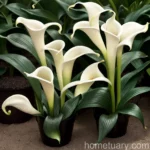
The enchanting calla lily, scientifically known as Zantedeschia ‘Mango’, is a captivating perennial plant acclaimed for its elegant and trumpet-shaped flowers. The ‘Mango’ variety of calla lily boasts vibrant, mango-colored blooms that add a touch of sophistication to any garden or indoor setting.
As a plant scientist with a passion for exploring the intricacies of flora, I am thrilled to delve into the world of Zantedeschia ‘Mango’. In this comprehensive guide, we will uncover the art of cultivating and caring for this exquisite plant, understanding its significance in various cultural contexts, and unraveling the anecdotal and therapeutic aspects associated with it.
Key Takeaways – Calla Lily (Zantedeschia ‘Mango’)
- Plant Name: Zantedeschia ‘Mango’
- Family: Araceae
- Common Name: Calla Lily
- Variety: ‘Mango’
- Plant Type: Perennial
- Bloom Color: Mango
- Sunlight: Partial to Full Sun
- Watering: Moderate
- Soil Type: Well-Draining, Rich Soil
- Hardiness Zones: USDA Zones 8-10
- Uses: Garden Plant, Cut Flower, Indoor Ornamental Plant
- Propagation: Rhizome Division
- Common Pests: Aphids, Thrips
- Common Diseases: Leaf Spot, Crown Rot
- Fertilization: Balanced Fertilizer
What is Calla Lily (Zantedeschia ‘Mango’)?
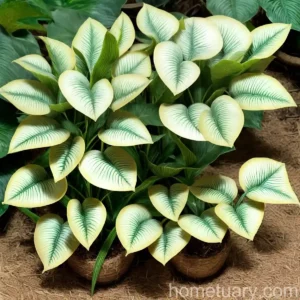
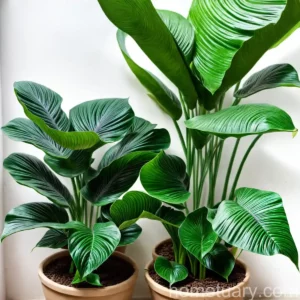
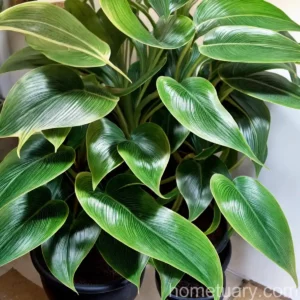
The Zantedeschia ‘Mango’ calla lily, belonging to the Araceae family, is a striking perennial plant celebrated for its exquisite flowers and lush foliage. The ‘Mango’ variety is distinguished by its captivating mango-colored blooms, adding a contemporary twist to the traditional elegance of calla lilies. This cultivar features rich, glossy, and arrow-shaped leaves that beautifully complement its vibrant flowers, creating an extraordinary visual spectacle.
Plant Description
- Flower Characteristics: Spathe and spadix, trumpet-shaped, vibrant mango color
- Foliage Characteristics: Rich green, arrow-shaped
- Plant Size: Compact, typically growing up to 12-18 inches in height
Plant Family
The calla lily belongs to the Araceae family, which encompasses a diverse range of plants, including members like anthuriums and philodendrons. This botanical family is renowned for its ornamental and often flamboyant inflorescences, making it a prominent choice in horticulture and floral arrangements.
Flower Meaning and Symbolism
Across various cultures and traditions, calla lilies carry symbolic significance. The ‘Mango’ variety, with its distinct color, can symbolize gratitude, appreciation, and admiration. It is often used in floral arrangements to convey warmth, elegance, and affection, making it an ideal choice for special occasions and heartfelt gestures.
Calla Lily (Zantedeschia ‘Mango’) Plant Care
Cultivating and nurturing the Zantedeschia ‘Mango’ calla lily involves a thoughtful balance of environmental conditions, attentive care, and a basic understanding of its cultural and horticultural requirements. Let’s explore the key factors and considerations for successfully caring for this captivating plant.
Water
The calla lily requires moderate and consistent watering to thrive, especially during its active growth phase and flowering period. Here are some essential watering guidelines to ensure the optimal health of Zantedeschia ‘Mango’:
- Water Requirements: Keep the soil consistently moist, but not waterlogged.
- Watering Frequency: Water the plant when the top inch of the soil feels dry to the touch.
- Avoid Overwatering: Ensure proper drainage to prevent waterlogging and root rot, particularly during the winter months.
Sunlight
Proper sunlight exposure is crucial for the growth and blooming of the Zantedeschia ‘Mango’ calla lily. Understanding its sunlight preferences and providing the right conditions can significantly influence the plant’s overall vigor and flowering performance:
- Light Preferences: Partial to Full Sun
- Ideal Placement: Choose a location with dappled sunlight or filtered light, especially in hotter climates.
- Protection from Harsh Sun: Shield the plant from intense midday sun, particularly in regions with scorching summers.
Fertilizer
Applying a balanced fertilizer at appropriate intervals can provide the necessary nutrients for the healthy growth and blooming of Zantedeschia ‘Mango’. Consider the following tips for effective fertilization:
- Fertilizer Type: Use a balanced, water-soluble fertilizer or a slow-release granular fertilizer.
- Application Frequency: Apply fertilizer every 4-6 weeks during the growing season (spring and summer).
- Avoid Over-Fertilization: Follow the recommended dosage to prevent fertilizer burn and potential damage to the plant.
Soil
The choice of soil and its quality significantly impacts the overall health and vigor of the Zantedeschia ‘Mango’ calla lily. Here are the essential soil considerations and guidelines for optimal plant growth:
- Soil Type: Well-draining, rich, and fertile soil with a slightly acidic to neutral pH (6.0-6.5).
- Organic Matter: Incorporate organic compost or well-rotted manure to enrich the soil and improve its texture.
- Avoid Compaction: Ensure good aeration and drainage to prevent waterlogging and root suffocation.
Pruning
Pruning plays a vital role in maintaining the plant’s shape, removing spent blooms, and managing its overall vitality:
- Remove Spent Blooms: Deadhead faded flowers and trim the stalks to encourage continuous blooming.
- Prune Yellowing Leaves: Trim yellowing or damaged leaves to maintain the plant’s aesthetic appeal and health.
Propagation
The propagation of Zantedeschia ‘Mango’ calla lily primarily involves rhizome division, a simple and effective method to create new plants:
- Propagation Timing: Divide and replant rhizomes in early spring before the active growth phase begins.
- Separation Technique: Carefully divide the rhizome clumps into sections with viable growth points, ensuring each division has healthy roots and shoots.
Container Gardening
For gardening enthusiasts with limited outdoor space or those aiming to create captivating indoor displays, container gardening offers a delightful opportunity to cultivate Zantedeschia ‘Mango’ calla lilies:
- Container Selection: Choose well-draining and appropriately sized containers to accommodate the plant’s growth and root development.
- Indoor Cultivation: Position the container in a well-lit area with indirect sunlight for indoor cultivation.
- Outdoor Containers: Select decorative containers to enhance the visual appeal of outdoor arrangements.
Popularity of Zantedeschia ‘Mango’
The Zantedeschia ‘Mango’ calla lily has swiftly gained popularity among gardening enthusiasts, florists, and landscape designers owing to its unique flower color and ornamental allure. Whether showcased in garden borders, carefully arranged in floral compositions, or featured in elegant indoor settings, the ‘Mango’ variety adds a captivating touch of vibrancy and sophistication.
Common Diseases and Disease Diagnosis
While calla lilies are generally resilient, they are susceptible to certain diseases and environmental stressors. Understanding the common diseases and their symptoms enables proactive management and effective disease diagnosis:
Common Diseases
- Leaf Spot: Characterized by circular, water-soaked, or dark spots on the leaves, often caused by fungal pathogens.
- Crown Rot: Manifests as wilting, yellowing, and eventual collapse of the plant due to excessive moisture and poor drainage.
Disease Diagnosis
- Visual Symptoms: Monitor the plant for discolored or spotted leaves, wilting, and overall decline in vigor.
- Soil and Drainage Check: Evaluate the soil moisture and drainage to identify potential causes of fungal infections and root rot.
- Isolation and Treatment: Isolate affected plants, improve growing conditions, and consider fungicidal treatments if necessary.
Common Pests and Pest Control
Like many ornamental plants, calla lilies may encounter pest infestations, with aphids and thrips being two of the most prevalent nuisances. Implementing proactive pest control measures and early detection can prevent extensive damage and preserve the plant’s vitality:
Common Pests
- Aphids: Small, sap-sucking insects that cluster on new growth, causing stunted growth and distorted foliage.
- Thrips: Tiny, slender insects that feed on flower buds and foliage, leading to discoloration and deformation.
Pest Control
- Natural Predators: Encourage the presence of beneficial insects like ladybugs and lacewings to control aphid populations.
- Horticultural Oils: Use horticultural oils to smother and deter thrips and aphids while minimizing harm to beneficial insects.
- Spraying Safeguards: Apply insecticidal soaps or neem oil with caution, ensuring thorough coverage and timing applications to minimize impact on non-target species.
Botanist’s Tips for Growing Zantedeschia ‘Mango’ Calla Lily
As a devoted plant scientist, I am delighted to share insightful tips for cultivating and nurturing the Zantedeschia ‘Mango’ calla lily. These expert recommendations aim to enhance your gardening experience and ensure the flourishing of this remarkable plant:
- Adequate Watering: Maintain consistent moisture levels, especially during the flowering period, to promote robust growth and blooming.
- Sunlight Moderation: Provide partial shade or filtered light in regions with intense sunlight to prevent leaf scorch and promote healthy foliage.
- Fertilization Balance: Apply a balanced fertilizer at recommended intervals to avoid over-fertilization and potential damage to the plant.
- Rhizome Division: Utilize the simple and effective method of rhizome division for propagating new plants and expanding your calla lily collection.
- Pest Vigilance: Monitor for pest activity regularly and proactively implement pest control measures to safeguard the plant’s vitality.
Fun Facts about Zantedeschia ‘Mango’ Calla Lily
Let’s uncover fascinating and delightful facts about the Zantedeschia ‘Mango’ calla lily, adding a touch of wonder to the captivating allure of this elegant plant:
- Color Symbolism: The vibrant mango-colored blooms of the ‘Mango’ variety symbolize enthusiasm, warmth, and positive energy, making them an ideal choice for uplifting floral arrangements.
- Diverse Cultural Significance: Calla lilies have diverse cultural significance and are associated with traits like purity, rebirth, and admiration across various traditions and customs.
- Artistic Inspirations: The graceful form and captivating color of calla lilies have been a perennial muse for artists, inspiring countless paintings, sculptures, and artistic creations.
- Wedding Flower Elegance: Calla lilies, including the ‘Mango’ variety, are coveted choices for sophisticated and elegant wedding bouquets and floral décor, lending an air of timeless grace to ceremonial celebrations.
- Medicinal Heritage: In traditional herbal medicine, certain parts of the calla lily were utilized for their potential therapeutic properties, although caution should be exercised due to their toxic nature.
Links to External Resources
For further exploration and in-depth understanding of Zantedeschia ‘Mango’ calla lilies, I highly recommend exploring the following external resources:
- Royal Horticultural Society – Zantedeschia Aethiopica
- University of Florida IFAS Extension – Calla Lily Production Guide
- American Society for the Prevention of Cruelty to Animals (ASPCA) – Toxic Plants for Dogs
- North Carolina State University – Calla Lily Diseases
With these comprehensive external resources, you can delve deeper into the world of Zantedeschia ‘Mango’ calla lilies, enriching your knowledge and appreciation for this extraordinary plant.
In summary, the Zantedeschia ‘Mango’ calla lily captivates with its striking mango-colored blooms, creating a visual spectacle that invokes warmth, elegance, and appreciation. Whether showcased in gardens, floral arrangements, or indoor settings, this remarkable plant holds an enduring appeal with its alluring flowers and cultural significance. Through attentive care, mindful cultivation, and an understanding of its horticultural requirements, Zantedeschia ‘Mango’ continues to enchant and inspire, enriching our lives with its beauty and botanical allure.
As a plant scientist passionate about the magic of flora, I am honored to celebrate the splendor of the Zantedeschia ‘Mango’ calla lily and share its wondrous attributes with fellow enthusiasts and connoisseurs of natural beauty.
Do you have experiences or insights to share about Zantedeschia ‘Mango’ calla lilies? Feel free to engage in the discussion and enrich our collective knowledge of this captivating plant. Together, let’s embark on a botanical journey that celebrates the timeless elegance and enduring charm of calla lilies.
Remember, the world of plants holds a treasure trove of marvels, and within it, the Zantedeschia ‘Mango’ calla lily shines as a radiant gem, offering delight and inspiration to all who behold its exquisite allure.