Vitis ‘Regent’ (Grape Vine)
Grape vines are historically significant and hold a prominent place in the world of horticulture, particularly in viticulture, the agricultural practice of.
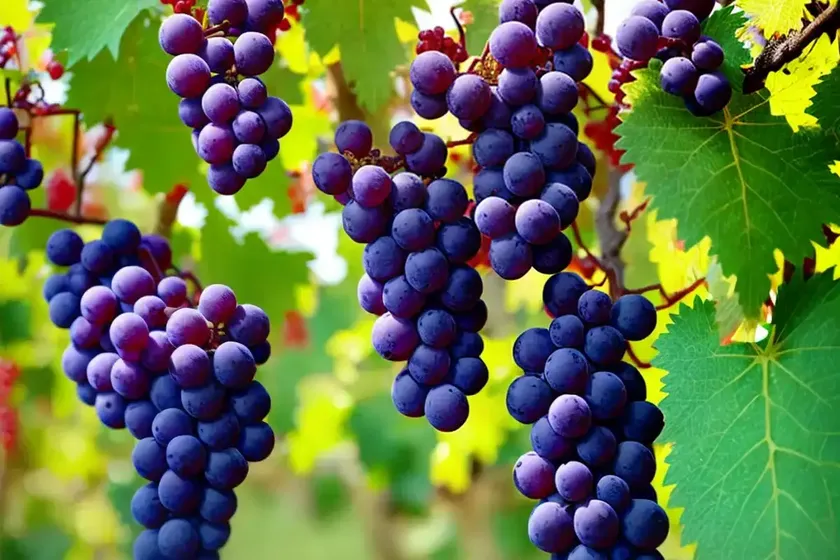
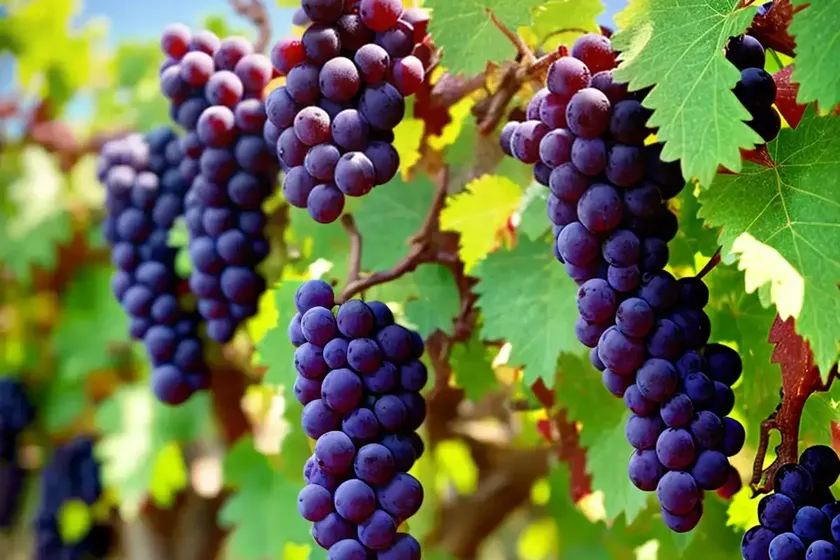
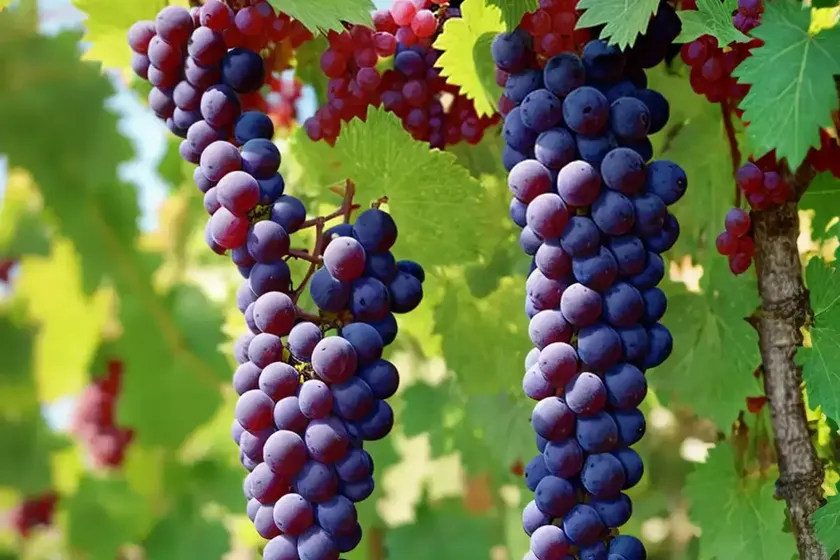
Grape vines are historically significant and hold a prominent place in the world of horticulture, particularly in viticulture, the agricultural practice of cultivating grapes. Vitis, the genus of grapevines, consists of approximately 79 species of vining plants that bear grapes. Among these species, Vitis ‘Regent’ stands out as an especially noteworthy grape vine cultivar due to its distinct characteristics, adaptability, and various uses. This comprehensive guide aims to provide plant enthusiasts and viticulturists with an in-depth understanding of Vitis ‘Regent’, covering its cultural preferences, uses, care requirements, common diseases, and more.
What is Vitis ‘Regent’ (Grape Vine)?
Vitis ‘Regent’ is a grape vine variety that has gained popularity for its versatility and resilience. It is known as a hybrid cultivar, resulting from the crossing of (Vitis vinifera x Vitis riparia) x Vitis ‘Brant’. This particular genetic combination has bestowed upon ‘Regent’ unique traits that make it highly sought after for both commercial and amateur cultivation. From grape production for winemaking to ornamental landscape appeal, Vitis ‘Regent’ offers a multitude of benefits, making it a desirable addition to any garden or vineyard.
Key Takeaways – Vitis ‘Regent’ (Grape Vine)
Before delving into the specifics of cultivating and caring for Vitis ‘Regent’, let’s take a look at some key takeaways regarding this grape vine variety.
- Scientific Name: Vitis ‘Regent’
- Variety: Grape Vine
- Uses: Wine production, ornamental purposes
- Cultural Preferences: Requires well-drained soil, adequate sunlight, regular pruning, and appropriate training
- Common Diseases: Downy mildew, powdery mildew
- Common Pests: Grape phylloxera, grape flea beetle
- Hardiness Zones: Generally suitable for zones 4-8
Now, let’s explore the intricacies of cultivating and caring for Vitis ‘Regent’ in detail, covering its culture, uses, water requirements, sunlight preferences, fertilizer needs, soil considerations, pruning techniques, propagation methods, popularity, common diseases, pest management, and various botanist’s tips.
Culture
The cultural requirements of Vitis ‘Regent’ form the foundation of its successful growth and development. Understanding its preferences in terms of water, sunlight, soil, and pruning is crucial for ensuring the health and productivity of this grape vine variety.
Water
-
Optimal Moisture Level: Vitis ‘Regent’ thrives in well-drained soil and moderate moisture levels. It is essential to avoid waterlogging, as excessively wet soil can lead to root rot and other detrimental conditions. Adequate drainage is key to maintaining the plant’s health and vigor.
-
Irrigation: During the growing season, consistent and moderate irrigation is recommended, particularly during dry spells. However, it is important to strike a balance and avoid overwatering, as excessive moisture can promote the development of certain diseases.
-
Watering Frequency: The frequency of watering should be adjusted based on environmental conditions, including rainfall and temperature. In hotter climates, more frequent watering may be necessary to sustain the plant’s moisture needs.
Sunlight
-
Sun Exposure: Vitis ‘Regent’ thrives in full sun to partial shade. Adequate sunlight is essential for the process of photosynthesis and the development of robust grape clusters. Therefore, planting in a location with ample sunlight exposure is highly advantageous for ensuring healthy growth and optimal fruit production.
-
Shading Considerations: While sunlight is crucial, in exceptionally hot climates, some level of shading during the hottest part of the day may be beneficial to prevent excessive heat stress on the plant.
Fertilizer
-
Nutrient Requirements: Vitis ‘Regent’ has specific nutrient needs during different stages of growth. Nitrogen, phosphorus, and potassium are essential for its overall development and fruit production. Additionally, micronutrients such as iron, zinc, and magnesium contribute to the plant’s vitality.
-
Fertilization Schedule: A balanced fertilizer application in early spring is recommended to support the plant’s initial growth. Subsequent applications may be necessary based on soil conditions and the plant’s overall vigor. Soil testing can provide valuable insights into the specific nutrient requirements of the grape vine.
-
Organic Options: Organic fertilizers, such as compost and well-aged manure, can be beneficial for enhancing soil fertility and promoting the growth of Vitis ‘Regent’. Their slow-release nature ensures a gradual and sustained supply of nutrients to the plant.
Soil
-
Soil Composition: Well-drained, loamy soil with good fertility is ideal for Vitis ‘Regent’. A pH level between 6.0 and 6.5 is optimal for ensuring the plant’s ability to absorb essential nutrients from the soil.
-
Soil Amendments: Periodic soil amendments, such as organic matter and compost, can improve soil structure and enhance fertility. These amendments aid in maintaining adequate moisture levels and supporting the overall health of the grape vine.
-
Drainage Considerations: Proper drainage is essential to prevent waterlogged soil, which can lead to root rot and other detrimental effects. Raised beds or soil mounds can be utilized to improve drainage in areas with suboptimal soil conditions.
Pruning
Pruning plays a pivotal role in the cultivation of Vitis ‘Regent’, influencing its growth pattern, fruit production, and overall health. Understanding the principles of pruning and applying appropriate techniques are essential for maximizing the plant’s potential.
Pruning Techniques
-
Winter Pruning: Conducted during the dormant season, typically in late winter or early spring, winter pruning aims to shape the vine, remove excessive growth, and promote the development of fruitful lateral shoots. It is important to remove old, unproductive wood to stimulate the formation of new canes.
-
Summer Pruning: In addition to winter pruning, selective summer pruning may be necessary to maintain an open canopy, ensure adequate air circulation, and manage vine vigor. Summer pruning also aids in controlling excessive vegetative growth and directing the plant’s energy towards fruit production.
-
Pruning Tools: High-quality pruning shears, loppers, and saws are essential for precision pruning. Sharp, clean cuts promote rapid healing and reduce the risk of introducing diseases.
-
Training Systems: Depending on the desired growth pattern and vineyard layout, various training systems, such as the vertical shoot positioning (VSP) and the Scott Henry system, can be utilized to effectively train and manage the growth of Vitis ‘Regent’.
Propagation
The propagation of Vitis ‘Regent’ offers the opportunity to expand its presence in both commercial vineyards and private gardens. Understanding the methods of propagation and selecting suitable planting material are essential for successful establishment and production.
-
Propagation Methods: Vitis ‘Regent’ can be propagated through several methods, including hardwood cuttings, softwood cuttings, and grafting. Each method has its own advantages and considerations, effectively meeting the specific needs of individual growers and horticultural practices.
-
Rootstock Selection: When propagating through grafting, the selection of appropriate rootstock is vital for imparting desirable traits such as disease resistance, tolerance to specific soil conditions, and compatibility with the scion.
Container Popularity
The appeal of cultivating Vitis ‘Regent’ in containers has been steadily growing, driven by its ornamental value, adaptability to confined spaces, and the possibility of successfully producing grapes in containers under the right conditions.
-
Container Size: When selecting a container for Vitis ‘Regent’, a large and sturdy container is essential to accommodate the plant’s vigorous growth and provide sufficient room for the development of its root system. A container with a capacity of 15-20 gallons or more is generally recommended for accommodating the grape vine.
-
Cultural Considerations: Container-grown grape vines require careful attention to watering, fertilization, and pruning to ensure proper growth and fruit production. Additionally, appropriate support, such as a trellis or stake, should be provided for the vine to climb and develop.
-
Overwintering: In regions with harsh winters, specific measures may be necessary to protect containerized Vitis ‘Regent’ from extreme cold temperatures, such as insulating the container or relocating it to a sheltered area.
Common Diseases
Vitis ‘Regent’ is susceptible to several diseases that can affect its growth, fruit quality, and overall vigor. Recognizing the symptoms and implementing preventive and management strategies are crucial for mitigating the impact of these diseases.
Disease Diagnosis
-
Downy Mildew (Plasmopara viticola): Recognized by the appearance of yellow, angular spots on the upper leaf surface and grayish-white sporulation on the lower leaf surface, downy mildew can significantly impact grape production. Implementing fungicidal sprays and practicing proper vineyard hygiene are effective management strategies.
-
Powdery Mildew (Erysiphe necator): Characterized by the presence of powdery white patches on leaves, shoots, and clusters, powdery mildew can lead to reduced photosynthetic capacity and compromised fruit quality. Timely application of fungicidal treatments and maintaining adequate airflow around the plant are critical for disease control.
Disease Prevention
-
Cultural Practices: Proper spacing between plants, adequate airflow, and regular pruning contribute to creating an environment less conducive to the development of fungal diseases. Minimizing excessive foliage density and maintaining good canopy management are essential for disease prevention.
-
Fungicidal Treatments: Regular application of fungicides, particularly during periods of high disease prevalence, can effectively prevent and manage the incidence of fungal diseases. A thorough understanding of the specific fungicides and their application guidelines is imperative for successful disease control.
Common Pests
In addition to diseases, Vitis ‘Regent’ is vulnerable to attacks from various pests, which can have a significant impact on the plant’s health and fruit production. Identifying and implementing strategies to manage these pests is essential for preserving the plant’s vitality.
Pest Management
-
Grape Phylloxera (Daktulosphaira vitifoliae): This notorious pest inflicts damage to grapevines by feeding on roots and leaves, potentially leading to reduced vigor and stunted growth. Utilizing resistant rootstocks and implementing integrated pest management (IPM) strategies are effective approaches for managing grape phylloxera.
-
Grape Flea Beetle (Altica chalybea): Feeding on foliage and causing characteristic shot-hole damage, grape flea beetles can pose a threat to the plant’s foliage and overall health. Consistent monitoring and the use of protective covers during vulnerable growth stages can help mitigate the impact of these pests.
Botanist’s Tips
Drawing insights from botanical expertise and practical experience, the following tips are designed to enhance the successful cultivation of Vitis ‘Regent’ and promote its optimal growth and fruit production.
-
Vigorous Rootstock Selection: When establishing a new vineyard or planting Vitis ‘Regent’, selecting a vigorous and well-adapted rootstock is vital for providing the plant with a solid foundation and inherent resilience.
-
Canopy Management: Proactive canopy management through strategic pruning and training leads to enhanced air circulation, decreased disease pressure, and improved sunlight exposure, all of which are crucial for developing healthy and flavorful grapes.
-
Site Selection: Prior to planting, carefully assess the site’s microclimate, soil composition, and drainage patterns to ensure an environment conducive to the successful growth and development of Vitis ‘Regent’.
Fun Facts
Dive into some intriguing and notable facts about Vitis ‘Regent’ that showcase its unique characteristics and contributions to the world of viticulture and horticulture.
-
Adaptability: Vitis ‘Regent’ is renowned for its adaptability to diverse climatic and soil conditions, showcasing its resilience and versatility as a grape vine cultivar.
-
Ornamental Appeal: Beyond its role in grape production, the elegant and verdant foliage of Vitis ‘Regent’ makes it a prized addition to gardens and landscapes, adding visual interest and natural beauty.
-
Wine Excellence: The grapes produced by Vitis ‘Regent’ are esteemed for their potential to produce high-quality wines, characterized by their nuanced flavors and distinct regional characteristics.
Links to External Resources
For further information and resources on Vitis ‘Regent’ grape vine cultivation, care, and management, consider exploring the following links:
- Grape Pruning: A Step-By-Step Guide
- Managing Grape Diseases: Critical Fungicide Application Timing
- The Contribution of Grapevines to Sustainability in Agriculture
In conclusion, Vitis ‘Regent’ (Grape Vine) stands as a remarkable cultivar with a rich botanical and viticultural significance. Whether it’s for wine production, ornamental allure, or horticultural intrigue, this versatile grape vine variety offers a compelling array of attributes and potential. By understanding its cultural preferences, effective management strategies, and leveraging botanical insights, enthusiasts and viticulturists can cultivate and treasure the inherent beauty and productivity of Vitis ‘Regent’.
The comprehensive guide aims to provide in-depth knowledge regarding the cultivation, care, and management of Vitis ‘Regent’ (Grape Vine) and covers its cultural preferences, uses, water requirements, sunlight preferences, fertilizer needs, soil considerations, pruning techniques, propagation methods, popularity, common diseases, pest management, and various botanist’s tips. For more information, feel free to refer to the provided external resources for additional insights and expertise.


