Vitis ‘King Of The North’ (Fox Grape)
Vitis ‘King of the North’, commonly known as the Fox Grape, is a captivating and resilient vine that holds a special place in the hearts of both home.
Introduction
Vitis ‘King of the North’, commonly known as the Fox Grape, is a captivating and resilient vine that holds a special place in the hearts of both home gardeners and commercial grape growers. Renowned for its luscious fruit and adaptability to various climates, this grapevine is a prized addition to any garden or vineyard. In this comprehensive guide, we will delve into the intricacies of cultivating and caring for Vitis ‘King of the North’, exploring its cultural significance, uses, growth requirements, and management. Whether you’re an avid gardener, a grape enthusiast, or a commercial grower, this extensive resource will equip you with the necessary knowledge to successfully cultivate and enjoy the bounty of the Fox Grape.
What is Vitis ‘King of the North’ (Fox Grape)?
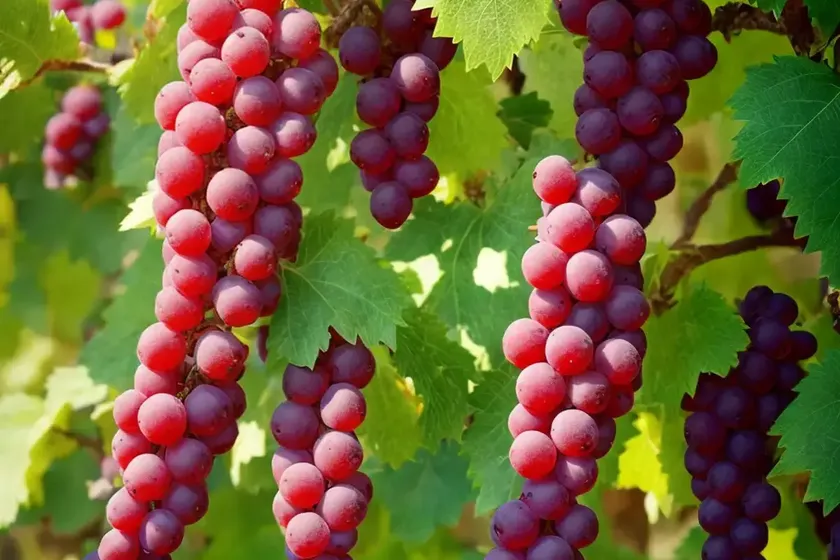
Vitis ‘King of the North’ is a cold-hardy grapevine species that belongs to the Vitis labrusca family. Originating from the northern regions of North America, particularly Minnesota, this cultivar bears round, dark blue grapes with a rich, sweet flavor. The Fox Grape is a vigorous deciduous vine that can reach impressive dimensions, producing luscious clusters of fruit and vibrant foliage. It is renowned for its exceptional resilience to harsh winters, pest resistance, and relatively low maintenance requirements, making it an ideal choice for gardeners and commercial growers in harsher climates.
The Fox Grape’s vigorous growth and adaptability enable it to thrive in a variety of environments, from subtropical regions to chilly northern landscapes. Its versatility and robust nature have cemented its status as a cherished species among grape enthusiasts, earning it the moniker “King of the North.”
Key Takeaways – Vitis ‘King of the North’ (Fox Grape)
Before we delve into the intricacies of cultivating and caring for Vitis ‘King of the North’, let’s explore some key takeaways about this exceptional grape variety:
- Scientific Name: Vitis ‘King of the North’
- Common Name: Fox Grape
- Family: Vitaceae
- Origin: North America
- Fruit Color: Dark Blue
- Flavor Profile: Rich and Sweet
- Growth Habits: Vigorous, Deciduous Vine
- Cold Hardiness: Resilient in Harsh Winter Conditions
- Resistance: Pest and Disease Resistant
- Uses: Culinary and Ornamental
Now that we have a fundamental understanding of Vitis ‘King of the North’, let’s embark on a detailed exploration of its cultivation, care practices, and utilization in both home gardens and commercial settings.
Culture
The culture of Vitis ‘King of the North’ encompasses a range of practices that are essential for its optimal growth and development. This section will explore the various cultural aspects, including watering, sunlight, fertilization, soil requirements, pruning, and propagation techniques that contribute to the successful cultivation of the Fox Grape.
Water
Proper watering is vital for the healthy growth and fruit production of Vitis ‘King of the North’. Adequate moisture levels are crucial, particularly during the initial stages of establishment and the fruit development phase. While the exact watering frequency may vary depending on the climate and soil conditions, it is generally recommended to maintain consistent soil moisture. However, it is important to avoid overwatering, which can lead to waterlogged soil and root rot, especially in poorly draining soils.
To facilitate efficient watering practices for Vitis ‘King of the North’, consider the following guidelines:
- Establishment Phase: During the first growing season, ensure that the vine receives regular watering to support root establishment. While the soil should be consistently moist, it is important to allow the surface to dry slightly between watering intervals to prevent waterlogged conditions.
- Fruit Development: As the Fox Grape begins to bear fruit, continue to monitor soil moisture levels closely. Adequate watering is crucial during this stage to support healthy fruit development and prevent issues such as fruit splitting.
- Drought Conditions: In regions prone to drought, provide supplemental irrigation as needed to prevent excessive water stress on the vine.
By maintaining a balanced approach to watering, you can promote the robust growth and fruitfulness of Vitis ‘King of the North’.
Sunlight
Like most grapevine species, Vitis ‘King of the North’ thrives in full sun exposure. Adequate sunlight is essential for the vine’s photosynthetic processes, fruit development, and overall vigor. When selecting a site for planting, prioritize locations that receive ample sunlight throughout the day, preferably with southern or southeastern exposure to maximize sun exposure.
Consider the following sunlight guidelines when cultivating Vitis ‘King of the North’:
- Site Selection: Choose a planting site that receives at least 6 to 8 hours of direct sunlight daily.
- Orientation: Optimal orientation for the vineyard or garden would be south-facing or southeast-facing, allowing for maximum exposure to the sun’s rays.
- Shading: Minimize shading from neighboring structures or tall vegetation that could impede sunlight penetration to the vine.
By ensuring that Vitis ‘King of the North’ receives ample sunlight, you can encourage vigorous growth, optimal fruit production, and overall vine health.
Fertilizer
Fertilization plays a pivotal role in providing essential nutrients to support the growth and productivity of Vitis ‘King of the North’. While Fox Grapes are relatively adaptable to various soil conditions, supplementing the soil with appropriate nutrients can enhance their overall vigor and fruit quality.
Consider the following fertilizer guidelines for cultivating Vitis ‘King of the North’:
- Soil Testing: Before applying fertilizers, conduct a soil test to assess nutrient levels and pH. This will guide the appropriate fertilization regimen based on specific soil requirements.
- Nutrient Balance: Select a well-balanced fertilizer formulated for fruit-bearing vines, such as a 10-10-10 or 8-8-8 NPK ratio. These fertilizers should provide a mix of nitrogen, phosphorus, and potassium, as well as essential micronutrients.
- Application Timing: Apply fertilizers in early spring before the onset of new growth. Avoid excessive nitrogen fertilization, as this can promote excessive vegetative growth at the expense of fruit production.
- Organic Amendments: Consider incorporating organic matter such as compost or well-rotted manure into the soil to improve its fertility and structure.
By adhering to a balanced and judicious fertilization regimen, you can promote the optimal growth and fruitfulness of Vitis ‘King of the North’ while maintaining soil health and sustainability.
Soil
The soil quality and composition are critical factors that influence the growth, fruit quality, and overall health of Vitis ‘King of the North’. While this grapevine is adaptable to various soil types, it thrives in well-draining, loamy soils with good fertility and a slightly acidic to neutral pH range.
Adhere to the following soil guidelines to provide an optimal growing environment for Vitis ‘King of the North’:
- Drainage: Ensure that the planting site has good drainage to prevent waterlogging, which can lead to root disorders and fungal issues.
- pH Range: Aim for a soil pH range of 6.0 to 6.5, which is conducive to nutrient uptake and overall vine health.
- Soil Texture: Loamy soils with a balanced mix of sand, silt, and clay are ideal for providing aeration, nutrient retention, and root development.
- Soil Amendments: If the soil lacks fertility or exhibits poor drainage, consider incorporating organic amendments such as compost or well-rotted manure to improve its structure and nutritional content.
By cultivating Vitis ‘King of the North’ in well-suited soil conditions, you can optimize its growth potential and fruit quality while minimizing the risk of soil-related issues.
Pruning
Pruning is an essential aspect of grapevine management, contributing to improved fruit production, vine structure, and disease prevention. Vitis ‘King of the North’ benefits from well-executed pruning practices, which help maintain the vine’s vigor and regulate fruit-bearing wood.
Consider the following principles for pruning Vitis ‘King of the North’ grapevines:
- Winter Pruning: Conduct pruning during the dormant season, typically in late winter or early spring before new growth emerges. This allows for the removal of dead or diseased wood, as well as the shaping of the vine’s structure.
- Spur Pruning: Utilize spur pruning to maintain fruiting wood and encourage the development of fruiting spurs. Retain a balanced number of buds per spur to promote fruitfulness while managing vine vigor.
- Canopy Management: As the vine grows, manage the canopy by thinning excess foliage to improve air circulation and light penetration. This can help reduce the risk of fungal diseases and promote even ripening of the fruit.
- Training Systems: Choose an appropriate training system, such as the high cordon, bilateral cordon, or single curtain, to support the vine’s growth and facilitate effective pruning.
By adhering to proper pruning techniques, you can optimize the fruit yield, vine structure, and overall health of Vitis ‘King of the North’, ensuring its long-term productivity and vitality.
Propagation
The propagation of Vitis ‘King of the North’ offers the opportunity to expand your vineyard or share this exceptional grape variety with fellow enthusiasts. While propagating grapes can be achieved through various methods, such as cuttings, layering, or grafting, each approach requires careful attention and expertise for successful results.
Explore the following propagation methods for Vitis ‘King of the North’ grapevines:
- Hardwood Cuttings: Gather hardwood cuttings from healthy, disease-free vines during the dormant season. Prepare the cuttings with at least three to four nodes and follow proper planting and care protocols to encourage successful rooting.
- Layering: Utilize the layering method by burying a section of a vine into the soil to promote root development. Once the layered section has established roots, it can be separated from the parent plant and transplanted.
- Grafting: Consider grafting Vitis ‘King of the North’ onto compatible rootstocks to impart specific traits such as disease resistance or adaptability to challenging soil conditions.
By mastering the art of grapevine propagation, you can expand your vineyard, share the virtues of Vitis ‘King of the North’ with others, and contribute to the preservation of this esteemed grape variety.
Container Popularity
The popularity of cultivating Vitis ‘King of the North’ in containers has surged among urban gardeners, balcony enthusiasts, and individuals seeking to maximize limited space without sacrificing the joy of growing grapes. Container cultivation offers a versatile approach to enjoying the beauty and bounty of the Fox Grape, allowing it to thrive in a confined environment with proper care and consideration.
Explore the following insights into the container popularity of Vitis ‘King of the North’:
- Space Efficiency: Container cultivation enables individuals with limited outdoor space to enjoy the benefits of growing grapes, making it an appealing option for urban dwellers and those with compact gardens.
- Portability: Containers provide the flexibility to move the grapevine, ensuring optimal sunlight exposure and protecting it from adverse weather conditions.
- Aesthetic Appeal: The lush foliage, winding vines, and eventual fruiting of Vitis ‘King of the North’ add aesthetic charm to patios, balconies, and outdoor living spaces, enhancing the visual appeal of the surroundings.
- Cultural Adaptability: The container approach extends the cultivation possibilities for Vitis ‘King of the North’, enabling grape enthusiasts in regions with challenging climates to enjoy this cold-hardy variety with tailored care.
By embracing container cultivation, grape enthusiasts can relish the beauty and harvest of Vitis ‘King of the North’, regardless of limited outdoor space or environmental constraints.
Common Diseases and Disease Diagnosis
Like all cultivated plants, Vitis ‘King of the North’ is susceptible to certain diseases and disorders that can impact its growth and fruit production. It is essential for grape growers to be vigilant in identifying and managing potential diseases to safeguard the health and vitality of their vineyards.
Common Diseases
Key among the diseases that may affect Vitis ‘King of the North’ are:
- Powdery Mildew: This fungal disease manifests as a white, powdery growth on the leaves, shoots, and clusters. It can impact fruit quality and overall vine health if left unaddressed.
- Downy Mildew: Recognized by yellow or brown lesions on the upper leaf surface and a downy, purplish growth on the undersides, downy mildew can lead to defoliation and reduced fruit quality.
- Botrytis Bunch Rot: Botrytis cinerea, the causal agent of this disease, can lead to grey mold on the grape clusters, especially in humid conditions or during extended wet periods.
- Anthracnose: Anthracnose appears as brown, sunken lesions on the fruit and foliage, potentially causing premature defoliation and reduced yield.
- Black Rot: This fungal disease results in dark, circular lesions on the leaves and fruit, often accompanied by fruit mummification and vine decline.
Disease Diagnosis
Accurate disease diagnosis relies on meticulous observation, symptom recognition, and, if necessary, laboratory analysis. Grape growers should be vigilant in monitoring the health of their vines and promptly identifying any signs of disease to facilitate timely intervention and management.
Key considerations for disease diagnosis and management include:
- Symptom Recognition: Familiarize yourself with the characteristic symptoms of common grape diseases, including leaf lesions, discoloration, fruit abnormalities, and fungal growth.
- Diagnostic Resources: Leverage resources such as extension services, agricultural agencies, or diagnostic laboratories to confirm disease identifications and obtain tailored management recommendations.
- Cultural Practices: Implement cultural practices that promote vine health and disease resistance, including proper spacing, canopy management, and adequate airflow to minimize disease pressure.
By maintaining a proactive approach to disease diagnosis and management, grape growers can protect the health and productivity of their Vitis ‘King of the North’ vineyards.
Common Pests
In addition to diseases, grapevines, including Vitis ‘King of the North’, may face challenges from a variety of pests that can impact their growth and fruitfulness. Understanding the common pests and implementing effective pest management strategies is essential in preserving the health and vitality of the grapevine.
Common Pests
The grapevine pests that commonly pose a threat to Vitis ‘King of the North’ include:
- Grape Phylloxera: These tiny insects can cause damage to the roots and foliage of grapevines, leading to stunted growth and vine decline.
- Japanese Beetles: Sustained feeding by Japanese beetles can result in defoliation and damage to fruit clusters, reducing the overall vigor of the vine.
- Grape Berry Moth: The larvae of grape berry moths can cause substantial damage to the grape clusters, leading to reduced fruit quality and yield.
- Spider Mites: Infestations of spider mites can cause stippling and discoloration on grape leaves, potentially impacting the vine’s photosynthetic capacity.
- Grapevine Leafhoppers: These pests can cause stippling and yellowing of grape leaves, affecting the vine’s overall health and fruit development.
Pest Management
Effective pest management involves a multifaceted approach that integrates preventive measures, cultural practices, and, if necessary, targeted intervention strategies to mitigate pest pressure and protect the vineyard.
Consider the following pest management techniques for Vitis ‘King of the North’:
- Integrated Pest Management (IPM): Implement an IPM approach that utilizes a combination of cultural, biological, and selective chemical controls to manage pest populations while minimizing environmental impact.
- Monitoring: Regularly inspect the vineyard for signs of pest activity, including feeding damage, pest presence, or egg deposition, to guide timely intervention.
- Cultural Controls: Incorporate practices such as weed management, appropriate irrigation, and the removal of alternative host plants to reduce pest habitats and minimize infestations.
- Biological Controls: Foster natural predator populations and beneficial organisms to assist in pest control, potentially reducing the need for chemical interventions.
By adopting proactive pest management strategies, grape growers can safeguard the health and productivity of Vitis ‘King of the North’ and minimize the impact of common grape pests.
Botanist’s Tips
Cultivating Vitis ‘King of the North’ (Fox Grape) can be a rewarding endeavor, offering the opportunity to relish the beauty of the vine, the lusciousness of its fruit, and the cultural significance of this esteemed grape variety. To ensure success in growing and caring for the Fox Grape, consider the following botanist’s tips:
- Site Selection: Choose a well-drained, sunny location for planting Vitis ‘King of the North’, prioritizing southern or southeastern exposure for optimal sun exposure.
- Soil Preparation: Conduct a soil test and amend the planting site with organic matter to improve soil fertility, structure, and drainage.
- Training and Pruning: Embrace proper training and pruning techniques to establish a well-structured vine that promotes fruitfulness and manages vine vigor.
- Fungal Disease Management: Implement preventive strategies, including appropriate canopy management and fungicidal treatments, to mitigate the risk of fungal diseases such as powdery mildew and downy mildew.
- Pest Vigilance: Regularly monitor the vineyard for signs of common grape pests and deploy integrated pest management practices to maintain pest populations at manageable levels.
By incorporating these botanist’s tips into your grape growing practices, you can enhance the resilience, productivity, and overall success of cultivating Vitis ‘King of the North’ in your garden or vineyard.
Fun Facts
To further enrich your appreciation for Vitis ‘King of the North’, here are some fun and intriguing facts about this esteemed grape variety:
- The Fox Grape (Vitis ‘King of the North’) derives its name from its exceptional cold-hardiness, making it well-suited for northern climates and challenging growing conditions.
- The Fox Grape is renowned for its rich, sweet flavor, making it a preferred choice for fresh consumption, winemaking, and culinary applications.
- Vitis ‘King of the North’ exhibits remarkable resistance to various grape diseases and pests, reducing the need for intensive chemical management.
- The leaves of Vitis ‘King of the North’ display vibrant autumn colors, adding a spectacular visual element to the landscape as the seasons transition.
These captivating facts offer a glimpse into the remarkable attributes and cultural significance of the Fox Grape, underscoring its value as a cherished grapevine variety.
Links to External Resources
For a deeper exploration of Vitis ‘King of the North’ (Fox Grape) and its cultivation, care, and utilization, consider the following external resources:
- University of Minnesota Extension – Grapes: Recommended Varieties
- National Grape Registry – Vitis labrusca Varieties
- Grape Growers of Ontario – Vitis vinifera, Vitis labrusca, Vitis hybrids
- Cornell University Viticulture and Enology Program
These resources provide comprehensive insights, research-based recommendations, and expertise on the cultivation, care, and management of Vitis ‘King of the North’ and other


