Viola X Wittrockiana (Pansy)
The Pansy, scientifically known as Viola x wittrockiana, is an enchanting plant that has captured the hearts of gardeners and plant enthusiasts around the.
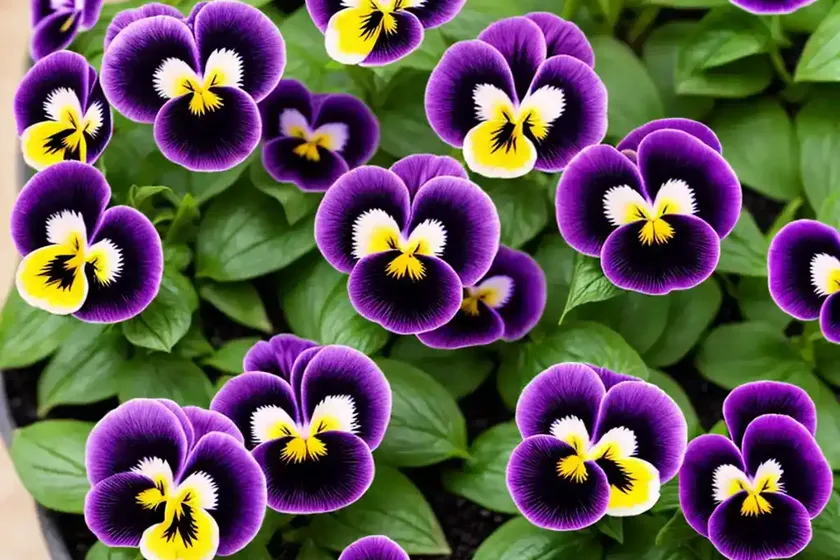
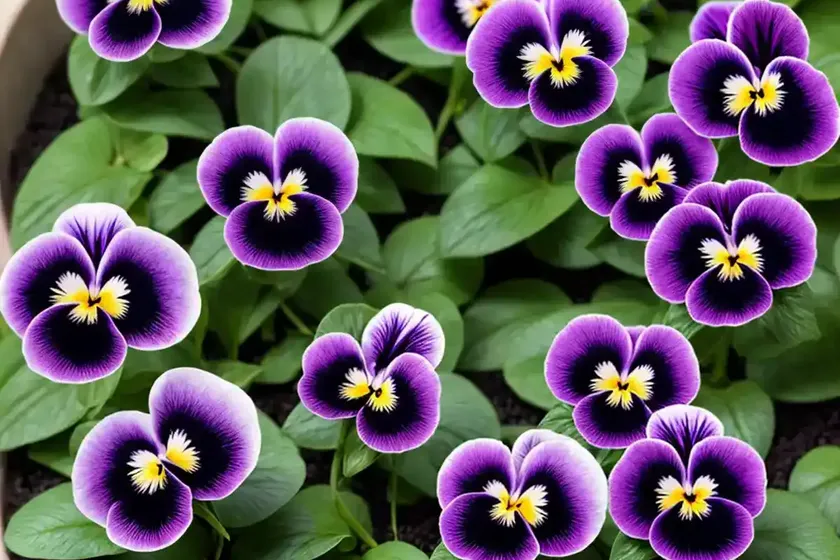
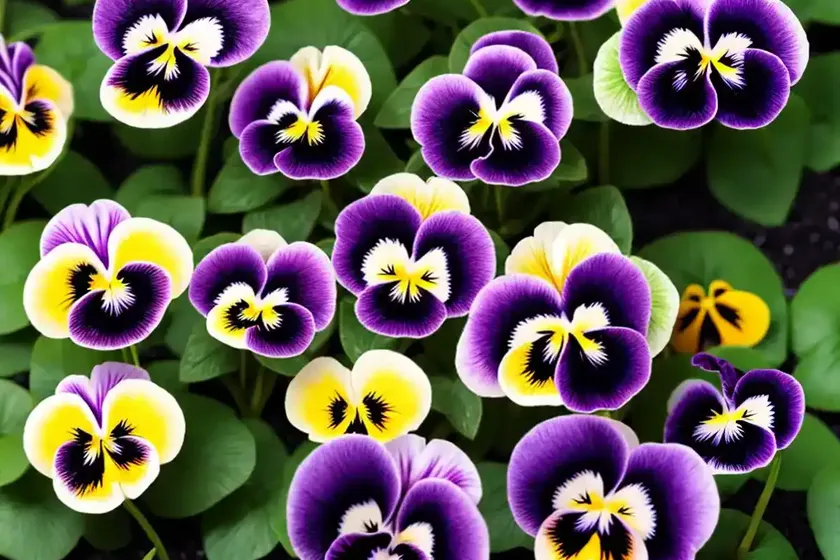
The Pansy, scientifically known as Viola x wittrockiana, is an enchanting plant that has captured the hearts of gardeners and plant enthusiasts around the world. With its vibrant colors and delicate petals, the Pansy is a popular choice for adding a pop of color to gardens, containers, and landscapes. In this comprehensive guide, we will delve into the intricate details of the Pansy plant, from its culture and uses to its care requirements, common diseases, and fascinating fun facts. By the end of this article, you will have a thorough understanding of how to cultivate and appreciate the beauty of Viola x wittrockiana.
Key Takeaways – Viola x wittrockiana (Pansy)
Before we embark on our exploration of the Viola x wittrockiana, let’s take a moment to preview the key takeaways of this article. These highlights will serve as a roadmap for our journey through the world of Pansies, ensuring that we cover all essential aspects of this captivating plant.
Culture
- Understanding the cultural requirements of Pansies, including their natural habitat and preferred growing conditions.
Uses
- Exploring the versatile uses of Viola x wittrockiana, from ornamental landscaping to culinary and medicinal applications.
Water
- Unveiling the optimal watering practices for Pansies, ensuring their hydration without overwatering.
Sunlight
- Shedding light on the sunlight preferences of Viola x wittrockiana and the impact of light exposure on their growth and blooming.
Fertilizer
- Nourishing our understanding of fertilization methods for Pansies to promote healthy growth and abundant flowering.
Soil
- Digging into the role of soil quality in the cultivation of Viola x wittrockiana, including the preferred soil type and pH levels.
Pruning
- Mastering the art of pruning Pansies to maintain their shape, encourage new growth, and prolong their blooming period.
Propagation
- Exploring the various methods of propagating Pansies, from seeds to cuttings, and division.
Container Popularity
- Discussing the popularity of growing Pansies in containers, along with the best practices for successful container gardening.
Container Common Diseases
- Identifying the common diseases that affect Pansies when grown in containers and strategies for prevention and management.
Disease Diagnosis
- Equipping ourselves with the knowledge to diagnose and treat potential diseases that may afflict Viola x wittrockiana.
Common Pests
- Understanding the pests that pose a threat to Pansies and implementing effective pest control measures.
Botanist’s Tips
- Unveiling expert tips and tricks for nurturing healthy and thriving Pansies.
Fun Facts
- Discovering little-known, fascinating facts about Viola x wittrockiana that add to the mystique of this beloved plant.
Links to External Resources
- Providing a curated list of external resources for further exploration of Pansies and related topics.
With these key takeaways in mind, let’s embark on our journey to unravel the beauty and intricacies of Viola x wittrockiana.
What is Viola x wittrockiana (Pansy)?
Viola x wittrockiana, commonly known as Pansy, is a charming flowering plant belonging to the Violaceae family. Originating from Europe and western Asia, the Pansy has captivated the hearts of gardeners for centuries with its captivating blooms and distinct “face-like” appearance, often featuring dark blotches akin to a human’s eyes.
The Pansy is a hybrid species derived from several wild Viola species, including Viola tricolor (Johnny Jump Up) and Viola lutea. Renowned for its wide range of colors and patterns, the Pansy blooms in shades of purple, blue, yellow, red, and white, often with delightful bi-color combinations that add a whimsical touch to gardens and landscapes.
Pansy Colors
Pansy blooms are renowned for their diverse array of colors, including but not limited to:
– Purple
– Blue
– Yellow
– Red
– White
– Bi-color combinations
The myriad of colors and patterns make Pansies a versatile and captivating addition to any garden or floral arrangement, allowing for endless creative possibilities in landscaping and design.
In addition to their striking colors, Pansy flowers emit a subtle, sweet fragrance that adds to their allure. The delicate scent, coupled with their charming appearance, makes Pansies a favorite among flower enthusiasts and gardeners alike.
Pansy Meaning and Symbolism
The Pansy flower has been imbued with various meanings and symbolisms across different cultures and historical periods. Traditionally, the Pansy has been associated with love, admiration, and remembrance. Its “face-like” appearance has also led to symbolic interpretations related to thoughtfulness, reflection, and deep contemplation.
Moreover, in the language of flowers, known as floriography, Pansies have held symbolic connotations that convey messages of loyalty, affection, and loving thoughts. These nuanced meanings have further enhanced the appeal of Pansies in floral arrangements and gift-giving traditions.
Now that we have familiarized ourselves with the captivating allure and symbolic significance of Pansies, let us delve into the intricacies of cultivating and caring for Viola x wittrockiana.
Culture
Understanding the cultural requirements of Pansies is crucial for successfully nurturing these delightful flowering plants. Culturally, Pansies thrive in cool and mild climates, making them a popular choice for both spring and fall planting. Before we delve into the specific cultural practices for Pansies, let’s explore their natural habitat and preferred growing conditions.
Natural Habitat
Pansies are native to Europe and western Asia, where they flourish in temperate regions characterized by cool, moist conditions. In the wild, Pansies are often found in woodland settings, along with rocky outcrops and meadow edges. Their preference for partial shade and well-draining, rich soil is reflective of their natural habitat.
Preferred Growing Conditions
To emulate the optimal growing conditions for Pansies, it is essential to create an environment that mimics their native habitat. When cultivating Pansies, keep the following growing conditions in mind:
-
Temperature: Pansies thrive in cooler temperatures, ideally between 45°F to 65°F (7°C to 18°C). They perform best in regions with mild summers and winters, making them well-suited for spring and fall planting.
-
Sunlight: While Pansies appreciate some sunlight, they prefer partial shade, especially in warmer climates. Providing them with dappled sunlight or morning sun with afternoon shade can help ensure their vibrant blooms and overall health.
-
Soil: Pansies thrive in well-draining, fertile soil with a slightly acidic to neutral pH (6.0 to 7.5). Amending the soil with organic matter, such as compost or peat moss, can provide the ideal growing medium for Pansies.
-
Water: Adequate moisture is essential for Pansies, but they are susceptible to root rot if overwatered. Be mindful of the soil moisture levels and ensure that the soil remains consistently moist, but not waterlogged.
Pansy Planting Guide
The planting guide for Pansies varies based on the climatic conditions in your region. Here are general guidelines for planting Pansies:
-
Spring Planting: In regions with milder winters, Pansies can be planted in early spring, around 4 to 6 weeks before the last expected frost date. This allows them to establish before the onset of warmer temperatures.
-
Fall Planting: For regions with hot summers, fall planting is ideal. Aim to plant Pansies in late summer to early fall, providing them with ample time to develop strong root systems before the arrival of frost.
-
Spacing: When planting Pansies, space them approximately 7 to 12 inches apart, allowing for adequate air circulation and room for growth.
-
Mulching: Apply a layer of organic mulch, such as straw or shredded bark, around the base of the plants to conserve moisture and regulate soil temperature.
By adhering to these cultural guidelines and understanding the preferred growing conditions of Pansies, you can lay a solid foundation for cultivating healthy, vibrant specimens in your garden.
Pansy Garden Ideas
With their charming blooms and captivating colors, Pansies offer an array of creative possibilities for garden design. Whether you’re planning a cozy cottage garden or a formal landscape, consider the following Pansy garden ideas to infuse your outdoor space with beauty and charm:
-
Mixed Borders: Incorporate Pansies into mixed borders alongside other spring and fall-blooming perennials and annuals. Complementary companions may include daffodils, tulips, violas, and alyssum, creating a tapestry of colors and textures.
-
Window Boxes and Containers: Adorn window boxes, hanging baskets, and containers with Pansies to bring cheerful accents to balconies, patios, and entryways. Mix and match different Pansy colors to create stunning arrangements that brighten up urban landscapes and small outdoor spaces.
-
Edging and Pathways: Use Pansies to line garden pathways or define the edges of flower beds. Their low-growing, compact habit makes them ideal for creating neat, colorful borders that guide the eye and add visual interest to the garden landscape.
-
Mass Plantings: Create captivating visual impact by mass planting Pansies in designated areas of the garden. Whether in monochromatic schemes or bold, contrasting combinations, mass plantings of Pansies can create a striking focal point that catches the eye.
Embracing these Pansy garden ideas can elevate the aesthetic appeal of your outdoor space while showcasing the vibrant beauty of Viola x wittrockiana.
Uses
The versatile nature of Pansies extends beyond their ornamental allure, encompassing a range of uses that span from culinary and medicinal applications to ornamental landscaping. Let’s explore the multifaceted uses of Viola x wittrockiana and the cultural significance of this beloved plant.
Ornamental Landscaping
Without a doubt, the primary use of Pansies is as ornamental plants that add a touch of enchantment to gardens, landscapes, and floral arrangements. Their charming blooms and captivating color palettes make them a popular choice for a variety of landscaping applications, including:
-
Bedding Plants: Pansies are often used as bedding plants in annual and perennial flower beds, where they contribute to seasonal displays of vibrant color.
-
Container Gardening: Their compact growth habit and ornamental appeal make Pansies well-suited for containers, window boxes, and hanging baskets, offering a versatile option for urban and small-space gardening.
-
Border Edging: Pansies’ low-growing nature and colorful blooms make them excellent candidates for edging along garden borders, pathways, and flowerbeds, providing a charming delineation of garden spaces.
Culinary and Medicinal Uses
Beyond their visual charm, Pansies have also found their way into culinary and medicinal practices, adding a delightful and beneficial dimension to their appeal.
-
Edible Flowers: Pansies are renowned for their edible flowers, which can be used to embellish salads, desserts, and beverages. Their delicate petals add a touch of whimsical elegance to culinary creations, making them a favorite among chefs, mixologists, and home cooks.
-
Medicinal Properties: In traditional herbal medicine, Pansies were esteemed for their therapeutic properties. From soothing skin irritations to alleviating respiratory discomfort, Pansies were historically utilized for their medicinal benefits, contributing to their cultural significance as a healing plant.
By recognizing the various uses of Pansies, we gain a deeper appreciation for their versatility and enduring appeal. Whether adorning garden landscapes or enriching culinary and medicinal endeavors, Viola x wittrockiana continues to captivate and inspire.
Water
Proper watering practices are crucial for the health and vitality of Pansies. Providing the appropriate amount of water ensures that the plants remain hydrated and thrive without being subjected to waterlogged conditions. Let’s delve into the optimal watering guidelines for Viola x wittrockiana.
Watering Frequency
The frequency of watering Pansies is largely dependent on the environmental conditions and the moisture retention capacity of the soil. Consider the following tips for establishing a watering routine for Pansies:
-
Newly Planted Pansies: After planting Pansies, it’s important to provide them with ample water to support the establishment of their root systems. Water newly planted Pansies immediately after planting and continue to monitor the soil moisture in the following weeks.
-
Soil Moisture: Check the moisture level of the soil regularly, especially during dry periods or when temperatures rise. While Pansies appreciate consistent moisture, avoid overwatering, as excessive water accumulation can lead to root rot and other water-related problems.
-
Watering Depth: When watering Pansies, aim to moisten the top 6 to 8 inches of soil. Deep, infrequent watering encourages the development of robust root systems and helps the plants withstand periods of drought more effectively.
Watering Methods
There are several methods for watering Pansies to ensure they receive the hydration they need while minimizing water waste. Consider the following watering techniques:
-
Direct Watering: Use a watering can or a garden hose with a gentle nozzle to water Pansies directly at the base of the plants. This allows the water to reach the root zone without splashing excessively on the foliage.
-
Drip Irrigation: Installing a drip irrigation system is an efficient method for delivering consistent moisture to Pansies. Drip emitters or soaker hoses can be used to water the plants slowly and directly at the soil level, minimizing water runoff and evaporation.
-
Mulching: Applying a layer of organic mulch around the base of Pansies helps retain soil moisture and reduce the frequency of watering. Mulch acts as a protective barrier, regulating soil temperature and preventing rapid moisture evaporation.
Water Requirements in Different Seasons
Understanding the seasonal water requirements of Pansies is essential for adapting your watering routine to their changing needs. Consider the following guidelines for watering Pansies in different seasons:
-
Spring and Fall: Pansies generally require moderate watering during spring and fall, their primary growing seasons. Monitor the soil moisture levels and adjust the frequency of watering based on the weather conditions.
-
Summer: In regions with hot summers, Pansies may require more frequent watering to combat the effects of heat stress and evaporation. Be attentive to signs of wilting or dry soil, and water Pansies early in the morning to minimize water loss through evaporation.
By tailoring your watering practices to the specific needs of Pansies and the prevailing environmental conditions, you can ensure that your plants receive the moisture necessary for their well-being and flourishing growth.
Pansy Water Requirements
Pansies have moderate water requirements, necessitating regular, consistent moisture to support their growth and blooming. The following factors contribute to their water requirements:
-
Soil Drainage: Pansies thrive in well-draining soil that allows excess water to escape, preventing waterlogged conditions that can lead to root rot.
-
Seasonal Variations: Adjust the frequency and volume of watering based on the season, with increased attention to moisture retention during warmer periods and reduced watering in cooler seasons.
-
Mature Plants vs. Seedlings: While newly planted Pansy seedlings require attentive watering to aid their establishment, mature plants are generally more resilient and have developed stronger root systems to withstand fluctuations in soil moisture.
By maintaining a vigilant approach to watering and tailoring your practices to the specific needs of Pansies, you can promote healthy growth and vibrant blooms throughout the growing season.
Sunlight
Sunlight is a vital factor that influences the growth, blooming, and overall health of Pansies. Understanding their sunlight requirements and how to provide them with the appropriate light conditions is essential for cultivating robust and floriferous plants.
Sunlight Preferences
Pansies exhibit a preference for partial shade, particularly in regions with warm temperatures. Consider the following points regarding their sunlight requirements:
-
Morning Sun, Afternoon Shade: In locations with moderate to hot climates, Pansies benefit from receiving morning sun and some exposure to dappled or partial shade in the afternoon. This balance protects them from intense midday sun, reducing the risk of heat stress and sunburn.
-
Filtered Light: Even in cooler climates, providing Pansies with filtered light or partial shade can help maintain the vibrant hues of their flowers and prevent premature wilting during the peak of summer.
-
Tolerance for Cool Conditions: Pansies exhibit a notable tolerance for cooler temperatures and can withstand light frosts, making them well-suited for early spring and fall planting when sunlight exposure may be more intense.
Sun Requirements in Different Seasons
Adapting your approach to sunlight provision based on the changing seasons is crucial for meeting the specific needs of Pansies. Consider the following guidelines for providing adequate sunlight to Pansies throughout the year:
-
Spring: In the spring, Pansies benefit from moderately sunny conditions, particularly as they establish their root systems and initiate robust growth. Ensure they receive ample morning light and partial shade to protect them from late spring sun.
-
Summer: As temperatures rise in the summer, provide Pansies with increased protection from direct midday and afternoon sun. Shading them from intense sunlight can prevent heat stress and maintain their bloom quality.
-
Fall: During the fall, continue to provide Pansies with a balance of morning sun and partial shade, enabling them to flourish in the milder temperatures and shifting light conditions.
Impact of Light Exposure on Blooming
The amount and quality of sunlight that Pansies receive directly impact their blooming patterns and overall performance. Here’s how light exposure influences their flowering:
-
Bloom Duration: Pansies generally exhibit prolonged blooming when they receive the ideal balance of sun and shade. By shielding them from excessive sunlight, you can extend the duration of their floral display.
-
Color Intensity: Adequate sunlight helps maintain the vibrant coloration of Pansy blooms, ensuring that they retain their characteristic hues and bi-color combinations.
-
Stress Reduction: Providing Pansies with the right amount of light minimizes stress on the plants, allowing them to channel their energy into healthy growth and abundant flowering.
By carefully managing the sunlight exposure for Pansies and customizing the light conditions to their preferences, you can promote their well-being and optimize their blooming potential.
Fertilizer
Fertilization plays a pivotal role in nurturing healthy, vibrant Pansies, providing them with essential nutrients to support vigorous growth and abundant flowering. Understanding the principles of fertilizing Pansies will empower you to meet their nutritional needs effectively.
Fertilizer Selection
Selecting the right type of fertilizer for Pansies is crucial for supplying them with the necessary nutrients without overwhelming them with excessive amounts of fertilizer salts. Consider the following points when choosing a fertilizer for Viola x wittrockiana:
-
Balanced Formulation: Opt for a balanced, all-purpose fertilizer with a relatively equal ratio of nitrogen, phosphorus, and potassium (N-P-K). A formulation such as 10-10-10 or 14-14-14 can provide the essential nutrients that Pansies require for healthy growth.
-
Slow-Release Granules: Consider using slow-release granular fertilizers designed for flowering plants or specifically formulated for annuals and perennials. Slow-release fertilizers provide a


