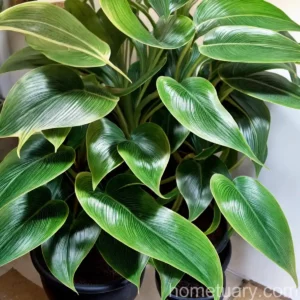
Zantedeschia ‘Captain Safari’ (Calla Lily): A Comprehensive Guide
Zantedeschia ‘Captain Safari’ is a stunning plant known for its unique appearance and versatility. Its elegant blooms and easy maintenance make it a popular choice for both indoor and outdoor gardening. In this comprehensive guide, we will delve into the various aspects of caring for this beautiful plant, including its cultural requirements, uses, and maintenance tips.
What is Zantedeschia ‘Captain Safari’ (Calla Lily)?
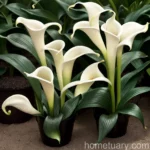
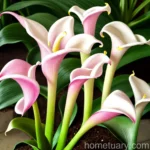
Zantedeschia, commonly known as Calla Lily, is a genus of flowering plants native to southern Africa. One of the notable cultivars within this genus is the ‘Captain Safari’ variety, which is celebrated for its striking appearance and relatively low-maintenance requirements. The ‘Captain Safari’ Calla Lily is renowned for its captivating flowers, which come in various shades of white, yellow, and pink.
Key Takeaways – Zantedeschia ‘Captain Safari’ (Calla Lily)
Before diving into the specifics of caring for the ‘Captain Safari’ Calla Lily, let’s explore some key takeaways about this plant:
- Culture
-
The ‘Captain Safari’ Calla Lily thrives in well-draining soil and requires regular watering to maintain moisture levels. It is also essential to provide the plant with adequate sunlight and to fertilize it during the growing season.
-
Uses
-
This cultivar is commonly used in garden landscapes, cut flower arrangements, and container gardening. Its elegant blooms make it a favorite for adding a touch of sophistication to any setting.
-
Water
-
Adequate watering is crucial for the ‘Captain Safari’ Calla Lily, as it prefers consistently moist soil. However, overwatering should be avoided to prevent root rot.
-
Sunlight
-
Providing the plant with partial to full sunlight is ideal for promoting healthy growth and prolific flowering.
-
Fertilizer
-
Regular fertilization during the growing season is recommended to support the ‘Captain Safari’ Calla Lily’s nutrient requirements and enhance blooming.
-
Soil
-
Well-draining, nutrient-rich soil with a slightly acidic to neutral pH is favorable for the optimal growth of this cultivar.
-
Pruning
-
Pruning spent blooms and damaged foliage helps maintain the plant’s appearance and encourages continuous flowering.
-
Propagation
-
Propagation through division of rhizomes is a common method for expanding the ‘Captain Safari’ Calla Lily population.
-
Container Popularity
-
The ‘Captain Safari’ Calla Lily is well-suited for container gardening, allowing for its cultivation in various settings, including balconies and patios.
-
Common Diseases
- The plant is susceptible to certain diseases, such as leaf spot and crown rot, which need to be managed effectively to ensure its health and vitality.
With these key takeaways in mind, let’s delve into the specific care requirements for the ‘Captain Safari’ Calla Lily and explore various aspects of its cultivation in detail.
Culture of Zantedeschia ‘Captain Safari’ (Calla Lily)
Caring for the ‘Captain Safari’ Calla Lily involves understanding its cultural requirements, including water, sunlight, fertilizer, soil, and pruning. By addressing these fundamental needs, you can ensure the plant’s healthy growth and abundant flowering.
Water
Adequate and timely watering is essential for maintaining the ‘Captain Safari’ Calla Lily’s health and vigor. However, overwatering should be avoided to prevent waterlogging and subsequent root rot. Here are some key considerations for watering the plant:
-
Regular Moisture: The ‘Captain Safari’ Calla Lily thrives in consistently moist soil. It is crucial to monitor soil moisture levels and water the plant when the top inch of soil begins to dry out. During the active growing season, this may require regular watering, especially during dry periods.
-
Avoid Waterlogging: While the plant appreciates moist soil, it is important to prevent waterlogging. Excess water around the roots can lead to rot and other health issues. Ensuring proper drainage in the soil and containers is vital for the plant’s overall well-being.
Sunlight
Proper sunlight exposure is vital for the ‘Captain Safari’ Calla Lily’s growth and flowering. Adequate sunlight ensures robust foliage and vibrant blooms. Here are some guidelines for providing the plant with the right amount of sunlight:
-
Partial to Full Sunlight: The ‘Captain Safari’ Calla Lily thrives in partial to full sunlight. It is recommended to position the plant where it receives at least 6 hours of sunlight per day. However, in regions with intense heat, providing partial shade during the peak afternoon hours can be beneficial.
-
Indoor Lighting: For indoor cultivation, placing the plant near a bright, south-facing window or providing supplemental grow lights can help meet its sunlight requirements.
Fertilizer
Fertilizing the ‘Captain Safari’ Calla Lily plays a crucial role in supporting its growth, blooming, and overall vitality. A balanced approach to fertilization ensures that the plant receives essential nutrients for its development. Consider the following when fertilizing the ‘Captain Safari’ Calla Lily:
-
Balanced Fertilizer: During the active growing season, apply a balanced, water-soluble fertilizer with a formulation such as 10-10-10. This balanced fertilizer provides essential macronutrients in proportions suitable for the plant’s needs. Follow the manufacturer’s recommendations for application rates and frequency.
-
Fertilization Frequency: In general, fertilize the ‘Captain Safari’ Calla Lily every 4 to 6 weeks during the growing season. However, avoid excessive fertilization, as it can lead to salt buildup in the soil and cause nutrient imbalances.
Soil
The choice of soil directly impacts the ‘Captain Safari’ Calla Lily’s growth and overall health. Well-draining, fertile soil with a slightly acidic to neutral pH creates an optimal environment for the plant. Consider the following soil-related factors for cultivating the ‘Captain Safari’ Calla Lily:
-
Well-Draining Soil: The plant thrives in well-draining soil to prevent waterlogging around the roots. A blend of loamy soil, organic matter, and perlite or coarse sand can improve soil drainage and aeration.
-
Acidic to Neutral pH: The ‘Captain Safari’ Calla Lily prefers soil with a pH range of 6.0 to 7.0. Conduct a soil pH test using a reliable pH meter or testing kit to ensure that the soil acidity is within the favorable range for the plant.
Pruning
Pruning is an important aspect of maintaining the ‘Captain Safari’ Calla Lily’s appearance and health. Regular removal of spent blooms and damaged foliage helps promote continuous flowering and prevents the plant from expending energy on non-functional parts. Here are some pointers for effective pruning:
-
Deadheading: Remove spent flowers by snipping them off just above the nearest healthy leaf or node. Deadheading encourages the plant to redirect its energy into producing new blooms rather than setting seeds.
-
Foliage Maintenance: Trim off any yellowing or damaged leaves to maintain the plant’s overall appearance. Use clean, sharp pruners to make precise cuts and reduce the risk of introducing infections.
Propagation of Zantedeschia ‘Captain Safari’ (Calla Lily)
Propagating the ‘Captain Safari’ Calla Lily allows for the expansion of its population and the creation of new plantings. Division of rhizomes is a common and effective method for propagating this cultivar. Here’s what you need to know about propagating the ‘Captain Safari’ Calla Lily through division:
Rhizome Division
-
Timing: Divide the rhizomes of the ‘Captain Safari’ Calla Lily in early spring, just before the start of the growing season. This timing allows the divided segments to establish new roots and start growing vigorously.
-
Rhizome Selection: Choose healthy, mature rhizomes with multiple visible growth points. These segments are more likely to develop into robust plants after division.
-
Division Process: Gently lift the plant from the soil, being careful not to damage the roots or rhizomes. Use a clean, sharp knife to divide the rhizomes into sections, ensuring that each segment has at least one growing point or bud.
-
Planting Divisions: Plant the divided rhizome segments in fresh, well-draining soil at the same depth as the parent plant. Water the newly planted divisions and place them in a location with adequate sunlight to facilitate their establishment.
Propagation through rhizome division is a rewarding way to propagate the ‘Captain Safari’ Calla Lily and create new plantings in your garden or landscape.
Container Gardening with Zantedeschia ‘Captain Safari’ (Calla Lily)
The ‘Captain Safari’ Calla Lily is well-suited for container gardening, offering the flexibility to cultivate this striking plant in various settings, including balconies, patios, and indoor spaces. When growing the ‘Captain Safari’ Calla Lily in containers, several factors need to be considered to ensure its optimal growth and performance.
Container Selection
Choosing the right container is crucial for the success of ‘Captain Safari’ Calla Lily’s growth in a confined environment. Consider the following factors when selecting a container:
-
Size: Opt for a spacious container that allows the plant’s roots to spread and develop freely. A container with a diameter of at least 12 inches provides ample space for the ‘Captain Safari’ Calla Lily to thrive.
-
Drainage Holes: Ensure that the selected container has adequate drainage holes to prevent water accumulation at the bottom. Proper drainage is essential for avoiding waterlogging, which can harm the plant’s roots.
-
Material: Porous materials such as terracotta or ceramic containers are favorable, as they allow for better aeration and moisture regulation in the soil. However, lightweight plastic or resin containers are more convenient for mobility and may be suitable for indoor settings.
Potting Mix
Choosing the right potting mix is essential for providing the ‘Captain Safari’ Calla Lily with a supportive and well-aerated environment in the container. Consider the following aspects when preparing the potting mix:
-
Well-Draining Blend: Use a well-draining potting mix that provides good aeration to the roots. A blend of peat moss, perlite, and coarse sand can create an ideal environment for the ‘Captain Safari’ Calla Lily in the container.
-
Nutrient Content: Incorporate organic matter or controlled-release fertilizer into the potting mix to provide essential nutrients for the plant’s growth. A balanced approach to nutrient availability promotes healthy foliage and prolific flowering.
Watering and Maintenance
Container-grown plants like the ‘Captain Safari’ Calla Lily require specific care to address their unique needs. Focus on the following aspects when caring for this cultivar in containers:
-
Watering: Monitor the moisture levels in the container regularly and water the plant when the top inch of soil feels dry. Containers may require more frequent watering, especially during hot and dry periods, to maintain adequate soil moisture.
-
Fertilization: Provide regular fertilization to the ‘Captain Safari’ Calla Lily in containers to support its nutrient requirements. A balanced, water-soluble fertilizer applied according to the manufacturer’s recommendations can promote healthy growth and blooming.
-
Maintenance: Prune spent blooms and damaged foliage as needed to maintain the plant’s appearance and encourage continuous flowering. Keep an eye out for signs of pests or diseases, addressing any issues promptly to preserve the plant’s health.
By addressing the specific needs of the ‘Captain Safari’ Calla Lily in a container setting, you can create a beautiful and vibrant display of this captivating plant in various indoor and outdoor environments.
Popularity of Zantedeschia ‘Captain Safari’ (Calla Lily)
The ‘Captain Safari’ Calla Lily’s popularity stems from its captivating blooms and relatively low-maintenance nature, making it a sought-after choice for gardeners and floral enthusiasts. Its versatility in various settings, including landscapes, cut flower arrangements, and container gardens, contributes to its widespread appeal. Here’s a closer look at the factors contributing to the popularity of this cultivar:
Garden Landscapes
In garden landscapes, the ‘Captain Safari’ Calla Lily adds a touch of elegance and sophistication with its graceful blooms and vibrant colors. Whether planted in clusters or used as accents within garden beds or borders, this cultivar creates visually stunning displays that capture attention and admiration.
Cut Flower Arrangements
The exquisite blooms of the ‘Captain Safari’ Calla Lily make it an ideal choice for cut flower arrangements, bouquets, and floral designs. Its long, graceful stems and alluring colors make it a popular selection for creating striking floral compositions for various occasions and events.
Container Gardens
The ‘Captain Safari’ Calla Lily’s adaptability to container gardening offers a wealth of possibilities for introducing this captivating plant to balconies, patios, and indoor spaces. Its compact yet impressive growth habit makes it well-suited for potted displays and accents, providing a touch of natural beauty in confined environments.
The ‘Captain Safari’ Calla Lily’s appeal in different settings and its capacity to enhance the visual appeal of diverse spaces contribute to its widespread popularity among gardening enthusiasts, florists, and landscapers.
Common Diseases of Zantedeschia ‘Captain Safari’ (Calla Lily)
Despite its overall resilience, the ‘Captain Safari’ Calla Lily is susceptible to certain diseases that can affect its health and appearance. Understanding these common diseases and their preventive measures is crucial for maintaining the plant’s vitality. Let’s explore some of the prevalent diseases that may impact the ‘Captain Safari’ Calla Lily:
Leaf Spot
Leaf spot, caused by various fungal pathogens, is a common issue that can affect the foliage of the ‘Captain Safari’ Calla Lily. It presents as dark or light spots on the leaves, which may gradually enlarge and lead to foliage yellowing and eventual defoliation if left unmanaged.
Preventive Measures:
- Ensure proper air circulation around the plant to minimize moisture on the foliage, as excess humidity can create a favorable environment for fungal diseases.
- Avoid overhead watering, particularly during periods of high humidity, to reduce moisture accumulation on the leaves.
- Remove and destroy affected leaves to prevent the disease from spreading to healthy parts of the plant.
Crown Rot
Crown rot, often caused by soil-borne fungal pathogens, can affect the base of the ‘Captain Safari’ Calla Lily, leading to wilting and decay of the affected tissues. This disease can be particularly detrimental if not addressed promptly.
Preventive Measures:
- Plant the ‘Captain Safari’ Calla Lily in well-draining soil to minimize water accumulation around the base of the plant, reducing the risk of crown rot.
- Ensure proper soil sanitation by removing and disposing of any debris or affected plant materials that can harbor fungal pathogens.
- Monitor soil moisture levels and adjust watering practices to prevent excessive wetness around the plant’s base.
Bacterial Soft Rot
Bacterial soft rot is a destructive disease that can affect the rhizomes and other below-ground parts of the ‘Captain Safari’ Calla Lily. It manifests as water-soaked and mushy areas on the affected tissues, often accompanied by a foul odor.
Preventive Measures:
- Plant the rhizomes at an appropriate depth and ensure adequate soil drainage to prevent waterlogging, which can create an environment conducive to bacterial soft rot.
- Avoid overwatering and prevent prolonged soil moisture, as excessively moist conditions can promote the development of bacterial pathogens.
- Implement proper sanitation practices when handling and planting rhizomes to minimize the risk of introducing bacterial pathogens to healthy plants.
By being vigilant about disease management and applying preventive measures, you can safeguard the ‘Captain Safari’ Calla Lily from common diseases and ensure its sustained health and vigor.
Disease Diagnosis and Management for Zantedeschia ‘Captain Safari’ (Calla Lily)
Diagnosing and effectively managing diseases that affect the ‘Captain Safari’ Calla Lily requires keen observation and timely intervention. By identifying the symptoms of common diseases and applying appropriate management strategies, you can mitigate the impact of diseases and preserve the plant’s well-being. Here’s a comprehensive overview of disease diagnosis and management for the ‘Captain Safari’ Calla Lily:
Disease Diagnosis
Before implementing management measures, it is crucial to accurately diagnose the diseases affecting the ‘Captain Safari’ Calla Lily. Pay close attention to the following aspects when diagnosing potential diseases:
-
Symptom Identification: Recognize the specific symptoms associated with common diseases, such as leaf spot, crown rot, and bacterial soft rot. These symptoms may include leaf discoloration, wilting, decay, and unusual growth patterns on the leaves, stems, or rhizomes.
-
Observation of Environmental Factors: Consider environmental conditions, including moisture levels, humidity, and air circulation, that may contribute to disease development. Assess whether these factors create favorable conditions for disease progression.
-
Pathogen Identification: Understand the causative agents of common diseases affecting the ‘Captain Safari’ Calla Lily, such as fungal pathogens responsible for leaf spot and crown rot, and bacterial pathogens associated with soft rot. Identifying the specific pathogens aids in determining the most effective management strategies.
Disease Management
Effectively managing diseases to protect the ‘Captain Safari’ Calla Lily involves employing preventive measures and, if necessary, applying targeted treatments. Consider the following approaches for disease management:
-
Cultural Practices: Maintain good cultural practices, including proper watering, soil drainage, and adequate spacing between plants, to reduce the likelihood of disease development. Additionally, ensure optimal plant nutrition and address any underlying stress factors that may make the plant more susceptible to diseases.
-
Sanitation: Practice thorough sanitation by removing and disposing of affected plant materials, such as diseased leaves and debris, to prevent the spread of pathogens. Clean and sterilize gardening tools to minimize the risk of transmitting diseases between plants.
-
Fungicidal Treatments: If fungal diseases such as leaf spot or crown rot become evident, consider applying fungicidal treatments approved for use on Calla Lilies. Follow the manufacturer’s instructions regarding application rates and timing to maximize the effectiveness of the treatments.
-
Bacterial Disease Management: For bacterial soft rot and similar diseases, focus on preventing excessive moisture around the rhizomes and applying bacterial antagonist treatments to suppress the proliferation of pathogenic bacteria.
Vigilance and proactive management are key to preserving the ‘Captain Safari’ Calla Lily’s health and minimizing the impact of diseases in its cultivation.
Common Pests Affecting Zantedeschia ‘Captain Safari’ (Calla Lily)
While relatively resilient, the ‘Captain Safari’ Calla Lily can be susceptible to certain pests that may target its foliage, flowers, or rhizomes. Understanding the common pests and their management is essential for mitigating potential damage and preserving the plant’s vitality and aesthetic appeal. Let’s explore some of the prevalent pests that may affect the ‘Captain Safari’ Calla Lily and the corresponding management strategies:
Aphids
Aphids are among the common pests that may infest the ‘Captain Safari’ Calla Lily, feeding on its tender growth and potentially causing distortion of the foliage and flower buds.
Management:
- Use a strong jet of water to dislodge aphids from the plant, particularly from the undersides of leaves where they often congregate.
- Consider introducing natural predators of aphids, such as ladybugs or lacewings, to the garden environment to help control their population.
- If infestations persist, application of insecticidal soap or horticultural oil can provide effective control while minimizing harm to beneficial insects.
Spider Mites
Spider mites are tiny pests that may infest the ‘Captain Safari’ Calla Lily, sucking sap from the foliage and causing