Viola Odorata (Sweet Violet)
In the world of horticulture, Viola odorata, more commonly known as the Sweet Violet, is a beloved and captivating species. This dainty plant has not only.
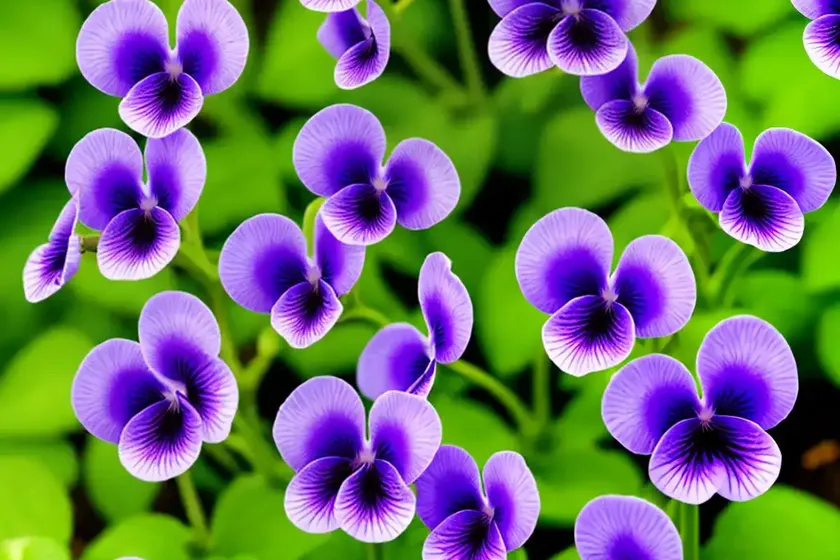
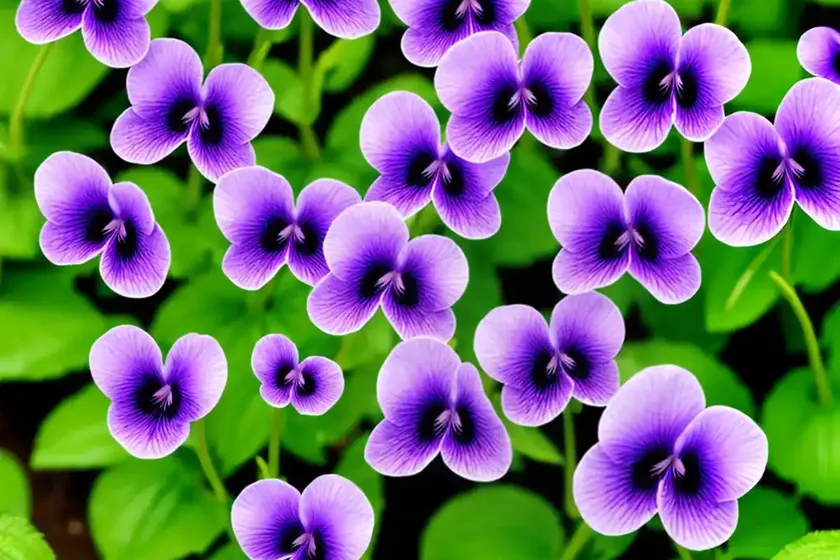
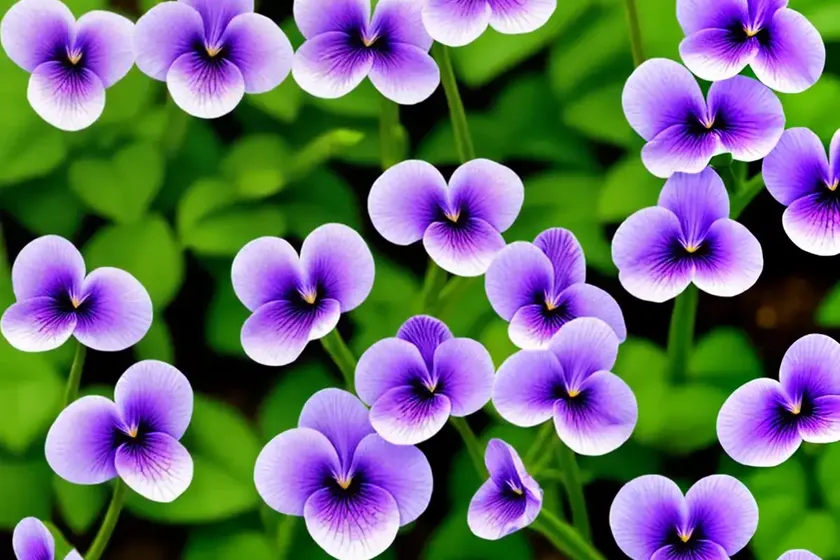
In the world of horticulture, Viola odorata, more commonly known as the Sweet Violet, is a beloved and captivating species. This dainty plant has not only bewitched the hearts of gardeners and plant enthusiasts but has also been revered for its cultural significance and traditional uses. In this comprehensive guide, we will delve into the various aspects of Viola odorata, including its culture, care, uses, and its role in folklore and natural remedies.
What is Viola Odorata (Sweet Violet)?
Viola odorata is a perennial species belonging to the Violaceae family. Originating from Europe and Asia, this beautiful plant has naturalized in many other regions globally. The Sweet Violet is renowned for its delicate, fragrant flowers and heart-shaped leaves, making it a popular choice for garden borders, rock gardens, and containers.
Characteristics of Viola Odorata
The Sweet Violet boasts several distinctive characteristics that contribute to its allure and desirability as a garden plant:
-
Fragrant Flowers: The flowers of Viola odorata emit a sweet, enchanting fragrance that adds to its allure. These blooms come in various shades of purple, blue, and white, creating a visually captivating display.
-
Heart-shaped Leaves: The plant’s leaves are heart-shaped and have a glossy, deep green hue, adding to its aesthetic appeal.
Viola Odorata Species
Within the Viola genus, Viola odorata is a prominent species cherished for its ornamental and cultural significance. This species has given rise to numerous cultivated varieties, each with its unique flower colors and characteristics, contributing to the plant’s diverse appeal.
Key Takeaways – Viola Odorata (Sweet Violet)
Before diving into the details of Viola odorata, let’s explore the key takeaways that will guide us through this comprehensive exploration.
-
Sweet Violet Flowers: Known for their delicate, fragrant blooms in shades of purple, blue, and white.
-
Uses: Embraced for its ornamental and traditional medicinal uses, adding to its cultural significance.
-
Culture: Requires moderate care, thriving in well-drained soil and partial shade.
-
Pruning: Beneficial for maintaining the plant’s vigor and promoting continuous flowering.
-
Propagation: Can be propagated through division or seeds, offering flexibility in plant multiplication.
-
Common Diseases: Susceptible to fungal infections, emphasizing the importance of good cultural practices.
-
Common Pests: Faces potential threats from aphids and slugs, requiring vigilance and proactive pest management.
-
Botanist’s Tips: Incorporating expert insights for successful cultivation and maintenance.
With these key highlights in mind, we will embark on an insightful journey into the world of Viola odorata, uncovering its cultural significance, uses, care requirements, and much more.
Culture of Viola Odorata
Cultivating Viola odorata successfully requires an understanding of its fundamental cultural needs, encompassing aspects such as water, sunlight, soil, and fertilizer. By mastering these essential elements, one can ensure the plant’s optimal growth and flourishing vitality.
Water
Proper moisture management is crucial for the health and vigor of Viola odorata. While it appreciates consistent moisture, the plant is sensitive to waterlogged conditions, which can lead to root rot and other ailments. To maintain an optimal moisture balance:
-
Watering Frequency: During the growing season, water the plant regularly, ensuring the soil remains consistently moist but not waterlogged.
-
Mulching: Application of a layer of organic mulch around the plant can aid in moisture retention, minimize weed growth, and offer some insulation to the roots.
-
Avoid Overhead Watering: Directing water at the base of the plant, avoiding wetting the foliage, can help minimize disease incidences and maintain leaf health.
Sunlight
Viola odorata thrives in partial shade, appreciating dappled sunlight and protection from intense midday sun, especially in warmer climates. Adequate sunlight is essential for promoting healthy flowering and robust growth, making thoughtful placement crucial for its cultivation success.
Fertilizer
Appropriate fertilization can enhance the growth and blooming capacity of Viola odorata, enriching the soil with essential nutrients. When considering fertilizer application:
-
Balanced Fertilizer: Utilize a balanced, slow-release fertilizer to provide a steady supply of nutrients to the plant without risk of over-fertilization.
-
Application Frequency: Apply fertilizer in the early spring before the onset of active growth, ensuring a judicious approach to prevent excessive nutrient accumulation.
-
Organic Amendments: Incorporating organic matter into the soil, such as compost or well-rotted manure, can contribute to long-term soil fertility and health.
Soil
The soil composition significantly impacts the plant’s overall health and vitality. Viola odorata thrives in well-drained, humus-rich soil with a slightly acidic to neutral pH range. When preparing the planting site or container:
-
Soil Composition: Utilize a mixture of organic matter, such as compost, and well-draining soil to achieve an ideal growing medium.
-
Soil pH: Aim for a pH level between 6.0 and 7.0, ensuring an environment conducive to nutrient uptake and overall plant health.
-
Container Cultivation: When growing Viola odorata in containers, select a high-quality potting mix with excellent drainage properties to mimic its preferred soil conditions.
Pruning Viola Odorata
Regular pruning and grooming contribute to the overall health, vigor, and aesthetic appeal of Viola odorata. By adopting proper pruning techniques, one can encourage continuous flowering and maintain a neat, compact plant form.
Deadheading
Removing spent flowers, a practice known as deadheading, can stimulate the production of new blooms and prevent the plant from expending energy on seed production. This simple yet effective technique promotes a prolonged flowering season and enhances the plant’s ornamental value.
Removal of Diseased Foliage
If any diseased or damaged foliage is observed, prompt removal is essential to prevent the spread of diseases and maintain the plant’s overall health. Pruning shears sanitized with rubbing alcohol can be utilized for this purpose, minimizing the risk of disease transmission.
Vigorous Growth Control
In instances of excessive vegetative growth, judicious pruning can help manage the plant’s size and maintain a desirable form. By selectively trimming back errant stems or overgrown areas, one can promote a balanced and aesthetically pleasing plant structure.
Propagation of Viola Odorata
Propagation offers the opportunity to expand one’s collection of Viola odorata or share the plant’s enchanting beauty with others. This process can be achieved through methods such as division, seed sowing, or even through leaf cuttings, each offering unique advantages and considerations.
Division
Division presents a straightforward and effective means of propagating Viola odorata, particularly during the plant’s dormancy period. To propagate through division:
-
Dormant Period: Wait until the plant enters its dormant phase, typically in late summer or early fall, to minimize transplant shock and optimize root establishment.
-
Careful Division: Using a sharp, sanitized tool, carefully divide the plant, ensuring each division possesses sufficient roots and healthy growth points.
-
Transplanting: Replant the divisions at the desired location, ensuring proper soil preparation and adequate moisture to support their establishment.
Seed Sowing
Seed propagation offers an alternative approach, allowing for the generation of new Viola odorata plants from collected or purchased seeds. When undertaking seed sowing:
-
Seed Collection: Harvest mature seeds from existing plants, ensuring they are fully ripened and free from mold or damage.
-
Sowing Depth: Sow the seeds at a shallow depth, lightly pressing them into the soil surface to ensure adequate contact for germination.
-
Moisture and Light: Maintain consistently moist soil and provide indirect light for seed germination, fostering the successful establishment of new seedlings.
Leaf Cuttings
Though less commonly practiced, leaf cuttings can be utilized to propagate Viola odorata, particularly for specialized breeding or conservation efforts. This method involves:
-
Healthy Leaves: Selecting healthy, disease-free leaves with strong petioles for cutting propagation.
-
Substrate Selection: Placing the leaf cuttings in a well-draining, sterile substrate to promote rooting and subsequent shoot development.
-
Humidity Control: Maintaining appropriate humidity levels around the cuttings to support their physiological processes and reduce desiccation risk.
By exploring these propagation techniques, one can expand their Viola odorata collection or engage in conservation efforts to preserve the plant’s genetic diversity.
Container Cultivation of Viola Odorata
Viola odorata lends itself exceptionally well to container cultivation, offering versatility in garden design and an enchanting presence on patios, balconies, and windowsills. When cultivating Viola odorata in containers, several key considerations can contribute to its successful growth and visual impact.
Pot Selection
Choosing the right container is essential for accommodating the plant’s growth requirements and aesthetic appeal. Factors to consider include:
-
Size and Depth: Select a container with sufficient soil volume and depth to support the plant’s root system and overall vitality.
-
Drainage Holes: Ensure the pot possesses adequate drainage holes to prevent waterlogging and root suffocation.
-
Material and Design: Opt for containers made from durable materials such as terracotta or high-quality plastics, balancing functionality with visual appeal.
Potting Mix
The selection of an appropriate potting mix significantly influences the plant’s growth and health when cultivated in containers. Considerations for potting mix composition include:
-
Well-draining Properties: Utilize a high-quality potting mix with excellent drainage capabilities, preventing excess moisture accumulation.
-
Nutrient Content: Incorporate a balanced blend of organic matter, perlite, and vermiculite to support the plant’s nutritional needs and root development.
-
Soil pH: Ensure the potting mix aligns with Viola odorata’s preferred pH range, promoting optimal nutrient uptake and subsequent growth.
Placement and Care
Proper placement and care are integral for the successful cultivation of Viola odorata in containers, ensuring its ornamental and cultural significance are upheld. Consider the following when caring for potted Sweet Violets:
-
Sunlight: Position the containers in areas with dappled sunlight, providing adequate light while shielding the plant from intense midday sun.
-
Watering: Monitor the soil moisture regularly, ensuring the plant receives consistent but not excessive watering to maintain optimal moisture levels.
-
Fertilization: Employ a balanced, slow-release fertilizer to nurture the plant, supplying essential nutrients for robust growth and flowering.
-
Pruning and Grooming: Maintain the plant’s form and health through regular deadheading, removal of diseased foliage, and occasional pruning as needed.
By incorporating these considerations into the cultivation of Viola odorata in containers, one can experience the plant’s timeless charm and fragrant blooms in varied garden settings.
Popularity of Viola Odorata
The enduring popularity of Viola odorata stems from its captivating appearance, enchanting fragrance, and rich cultural symbolism. This plant has found its place in the hearts and gardens of enthusiasts worldwide, fostering a sense of connection and appreciation for its timeless allure.
Garden Planting
Viola odorata’s appeal as a garden plant lies in its versatility, with the capacity to thrive in various garden settings, from traditional flower borders to woodland-inspired landscapes. Its charming blooms, modest growth habit, and adaptability contribute to its widespread cultivation in gardens and public spaces.
Container Gardening
As a container plant, Viola odorata offers an enchanting presence on patios, terraces, and balconies, elevating outdoor living spaces with its fragrant blooms and lush foliage. The versatility of container cultivation allows for creative design possibilities, making Sweet Violets a cherished addition to urban and suburban landscapes.
Cultural Significance
Beyond horticultural value, Viola odorata holds cultural significance, with the plant featuring prominently in folklore, literature, and traditional practices. Its fragrant flowers and rich symbolism have contributed to its integration into various cultural expressions and natural remedies, enriching the plant’s legacy and appeal.
Conservation Efforts
In recognition of its importance, efforts to preserve Viola odorata have gained traction, emphasizing the need to safeguard its genetic diversity and natural habitats. Through conservation initiatives and botanical gardens, the species’ long-term viability is being championed, reinforcing its enduring place in horticulture and conservation efforts.
The enduring popularity of Viola odorata reflects its timelessness, embracing tradition, and cultural value while captivating new generations with its captivating charm.
Common Diseases of Viola Odorata
Though Viola odorata is generally resilient, it can be susceptible to certain diseases that can affect its overall health and ornamental appeal. By understanding these common ailments, one can implement preventive measures and timely interventions to ensure the plant’s vigor and vitality.
Disease Diagnosis
When observing signs of distress in Viola odorata, it is essential to accurately diagnose the issue to provide targeted care and management. Common diseases that can affect Viola odorata include:
-
Powdery Mildew: Manifesting as a white, powdery coating on the foliage, powdery mildew can impair leaf function and hamper the plant’s overall health.
-
Root Rot: Overly saturated soil can lead to the development of root rot, causing root decline and compromising the plant’s ability to absorb water and nutrients.
-
Leaf Spot Diseases: Several fungal pathogens can cause leaf spot diseases, leading to the formation of conspicuous lesions on the foliage and potential defoliation.
To accurately diagnose these diseases, prompt identification of symptoms and, if necessary, consultation with a plant health professional can facilitate effective management strategies.
Common Pests Affecting Viola Odorata
In addition to diseases, Viola odorata can be susceptible to pest infestations that can compromise the plant’s aesthetics and health. Vigilance in pest identification and intervention is crucial for maintaining the plant’s vitality and ornamental appeal.
Aphids
Aphids are common pests that can affect Viola odorata, infesting the plant and causing damage through their feeding activity. Signs of aphid infestation may include distorted foliage, sticky honeydew residue, and the presence of the pests on the plant.
Slugs and Snails
These mollusks can pose a threat to Viola odorata, particularly in moist environments. Their feeding activity can lead to unsightly damage to the plant’s foliage and flowers, requiring proactive pest management measures.
Pest Management
To mitigate the impact of pests on Viola odorata, several strategies can be implemented, including:
-
Natural Predators: Encouraging the presence of natural predators such as ladybugs and lacewings, which can help control aphid populations through predation.
-
Barriers: Installing physical barriers or employing organic mulches to deter slugs and snails from reaching the plant and causing damage.
-
Safe Pest Controls: Utilizing safe and effective pest control methods, such as insecticidal soaps or horticultural oils, to manage pest infestations while minimizing environmental impact.
By incorporating these pest management strategies, one can safeguard Viola odorata and ensure its continued health and ornamental value.
Botanist’s Tips for Growing Viola Odorata
Drawing on expert insights and best practices, the cultivation of Viola odorata can be enhanced through the adoption of proven techniques and considerations, promoting the plant’s longevity, vitality, and ornamental appeal.
Soil Preparation
When preparing the planting site or container for Viola odorata, attention to soil quality and composition is paramount. Incorporating organic matter, ensuring proper drainage, and balancing pH levels are foundational for the plant’s health.
Mulching Benefits
The application of organic mulch around Viola odorata offers multiple benefits, such as moisture retention, weed suppression, and insulation of the plant’s root zone, contributing to its overall vigor and vitality.
Consistent Watering
Maintaining consistent moisture levels, avoiding extremes of dryness or waterlogging, is essential for Viola odorata’s well-being, supporting its growth, flowering, and overall health.
Vigilant Pest Management
Regular monitoring for pests and proactive intervention, utilizing safe and effective pest control methods, can prevent pest infestations from compromising the plant’s health and ornamental value.
Pruning for Health and Aesthetics
Regular deadheading, removal of diseased foliage, and selective pruning are integral for maintaining Viola odorata’s vitality, promoting continuous flowering, and preserving its aesthetic appeal.
By incorporating these botanist’s tips into the care and cultivation of Viola odorata, one can foster the plant’s enduring beauty and cultural significance in garden settings.
Fun Facts about Viola Odorata
Beyond its ornamental and cultural significance, Viola odorata boasts an array of intriguing and delightful attributes that contribute to its timeless allure and enchanting presence in gardens and landscapes.
-
Historical Symbolism: Viola odorata has been historically linked to sentiments of love, modesty, and faithfulness, making it a favored choice for symbolic floral gestures.
-
Medicinal Uses: The plant has a rich history of traditional medicinal uses, with its flowers and leaves featuring in herbal remedies and natural wellness practices.
-
Fragrant Essence: The sweet, captivating fragrance of Viola odorata flowers has inspired the creation of perfumes and potpourri, enriching indoor spaces with its delightful aroma.
-
Culinary Applications: The flowers of Viola odorata are edible, lending themselves to culinary applications such as garnishes and decorative accents in desserts and beverages.
-
Literary References: Viola odorata has featured in literature and folklore, symbolizing various themes and evoking romantic and poetic sentiments in literary works.
-
Natural Habitat: In its native habitats, Viola odorata can be found in woodlands, meadows, and hedgerows, thriving in dappled sunlight and rich, humus-rich soils.
Viola Odorata: Links to External Resources
For further exploration of Viola odorata, its uses, cultural significance, and conservation efforts, the following external resources offer valuable insights and information:
- Royal Horticultural Society: Viola odorata – RHS
- Missouri Botanical Garden: Viola odorata – Missouri Botanical Garden
- North American Native Plant Society: Sweet Violet – NANPS
- United States Department of Agriculture: Viola odorata – USDA
Conclusion
Viola odorata, the Sweet Violet, exudes an irresistible charm and timeless allure, captivating gardeners, plant enthusiasts, and cultural aficionados alike. Its delicate blooms, fragrant essence, and rich cultural symbolism have contributed to its enduring popularity and integration into diverse garden settings and cultural expressions.
By understanding the plant’s culture, care requirements, uses, and historical significance, one can fully appreciate the enchanting presence of Viola odorata in garden landscapes and its enduring legacy in horticulture and cultural traditions. Embracing its fragrant blooms, historical symbolism, and conservation significance, Viola odorata continues to enchant and inspire, serving as a bridge between nature’s beauty and cultural heritage.


