Vining Peperomia (Peperomia Dahlstedtii)
Welcome to the intriguing world of Vining Peperomia, also known as Peperomia Dahlstedtii. These captivating plants are not only easy to care for but also.
Welcome to the intriguing world of Vining Peperomia, also known as Peperomia Dahlstedtii. These captivating plants are not only easy to care for but also boast unique vining habits that make them a delightful addition to any indoor space. In this comprehensive guide, we’ll explore everything you need to know about Vining Peperomia, from their cultural requirements to propagation techniques and common pests. Whether you’re a seasoned plant enthusiast or a beginner looking to add greenery to your surroundings, this guide will provide you with the knowledge and tips to help your Vining Peperomia thrive.
What is Vining Peperomia (Peperomia Dahlstedtii)?
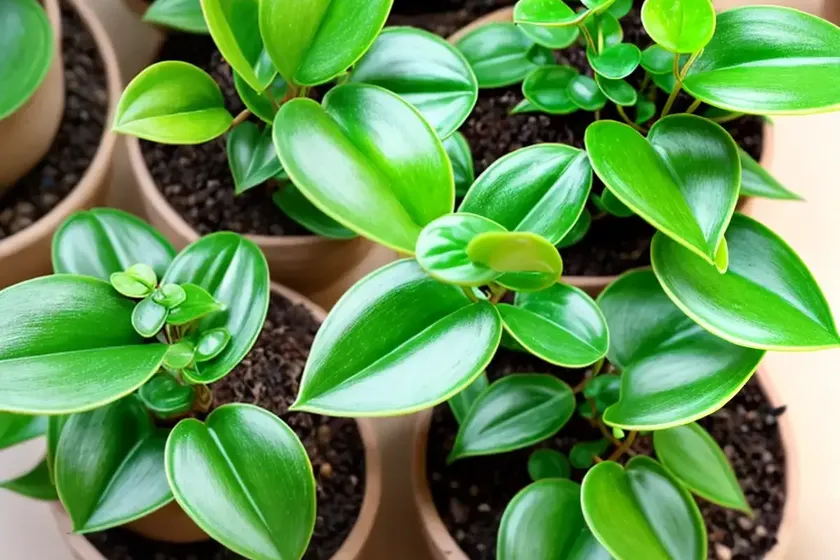
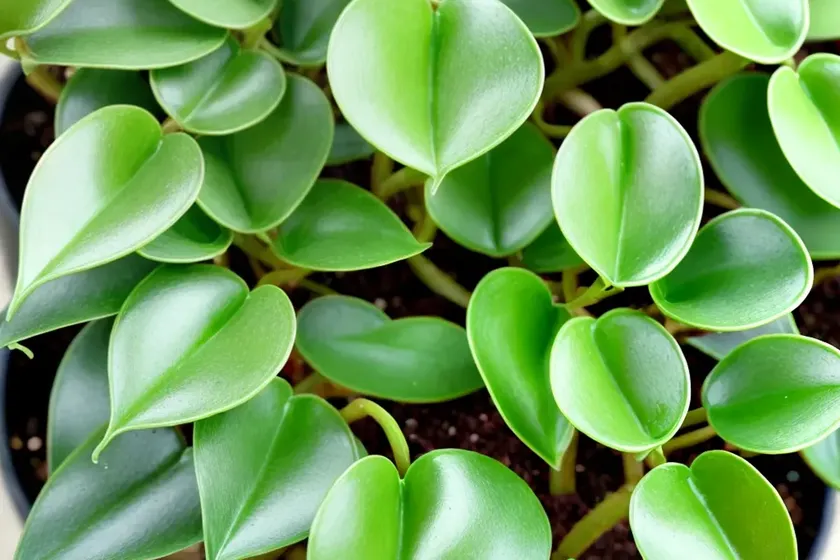
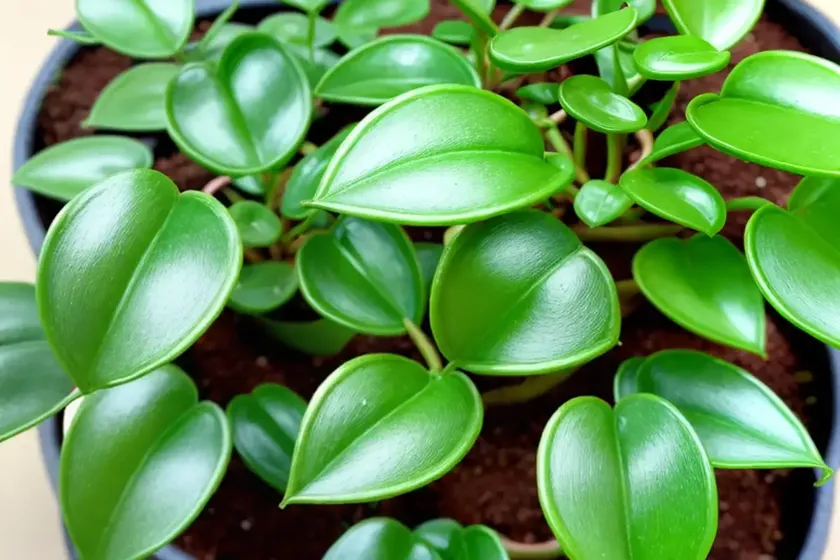
Vining Peperomia, scientifically known as Peperomia Dahlstedtii, belongs to the Peperomia genus, which encompasses over 1,000 diverse species of tropical and subtropical plants. This particular species is renowned for its vining growth habit, with its slender stems elegantly cascading over the edges of containers. The attractive foliage of Vining Peperomia is a standout feature, characterized by glossy, heart-shaped leaves adorned with stunning patterns and color variations.
The vining nature of Peperomia Dahlstedtii sets it apart from the typical upright growth habit of many other Peperomia species. This trailing tendency makes it an excellent choice for hanging baskets, terrariums, or as a trailing component in mixed planters. With the right care and conditions, Vining Peperomia can flourish and bring a touch of natural elegance to any indoor setting.
Key Takeaways – Vining Peperomia (Peperomia Dahlstedtii)
Before delving into the specifics of caring for Vining Peperomia, let’s summarize the key takeaways that we’ll explore in detail throughout this guide:
- Culture: Understanding the ideal cultural conditions for Vining Peperomia
- Uses: Exploring the versatile uses of this plant in indoor settings
- Water: Discussing the water requirements and best practices for watering Vining Peperomia
- Sunlight: Establishing the sunlight preferences for optimal growth
- Fertilizer: Identifying the suitable fertilizers and fertilization techniques
- Soil: Exploring the ideal soil composition and characteristics
- Pruning: Learning how and when to prune Vining Peperomia for a tidy appearance
- Propagation: Exploring various propagation methods for expanding your Vining Peperomia collection
- Container: Selecting suitable containers and potting techniques for Vining Peperomia
- Popularity: Understanding the growing popularity of Vining Peperomia in the world of indoor gardening
- Common Diseases: Identifying potential diseases and their management in Vining Peperomia
- Pests: Recognizing common pests and effective pest control strategies
- Botanist’s Tips: Gaining insights and tips from botanists and experienced growers
- Fun Facts: Discovering interesting and unique aspects of Vining Peperomia
- Links to External Resources: Providing access to further reading and resources for in-depth information
Now, let’s dive into the fascinating world of Vining Peperomia and explore each of these aspects in detail.
Culture of Vining Peperomia (Peperomia Dahlstedtii)
Understanding the cultural requirements of Vining Peperomia is essential for providing an environment where these plants can thrive. From ideal temperatures to humidity levels, let’s explore the cultural aspects that contribute to the well-being of Peperomia Dahlstedtii.
Ideal Conditions for Growth
Vining Peperomia, like many tropical plants, thrives in warm and humid conditions typical of their native habitat. When cultivating these plants indoors, it’s essential to replicate these optimal conditions to ensure their health and growth. Here are the key cultural factors to consider for Vining Peperomia:
- Temperature: Vining Peperomia prefers temperatures between 65°F and 75°F (18°C to 24°C). They are sensitive to cold temperatures and should be shielded from drafts and sudden temperature fluctuations.
- Humidity: Maintaining moderate to high humidity levels is beneficial for Vining Peperomia. In drier climates or indoor environments with low humidity, a humidifier or regular misting can help create an optimal microclimate for the plants.
- Air Circulation: While Vining Peperomia appreciates humidity, good air circulation is also important to prevent stagnant, overly damp conditions that can invite diseases or pests.
Water Requirements for Vining Peperomia
Proper watering is crucial for the health and vitality of Vining Peperomia. Understanding the water requirements and best practices for watering these plants will contribute to their overall well-being and growth. Let’s delve into the key aspects of watering Vining Peperomia:
Watering Guidelines
- Frequency: Vining Peperomia prefers slightly moist but not waterlogged soil. Allow the top inch of the soil to dry out before watering again. During the growing season, typically spring and summer, regular watering is necessary, while water should be reduced in the winter months when the plant is in a resting phase.
- Watering Technique: When watering, aim to moisten the soil evenly without allowing excess water to pool in the saucer or container. Ensure proper drainage to prevent waterlogging, which can lead to root rot.
- Water Quality: Use tepid, non-chlorinated water when watering Vining Peperomia. If possible, allow the water to sit for a day to let any chlorine evaporate before using it for watering.
Sunlight Preferences for Vining Peperomia
Understanding the sunlight requirements of Vining Peperomia is essential for providing the right exposure for optimal growth and foliage development. While these plants appreciate bright conditions, they are also adaptable to lower light settings. Let’s explore the sunlight preferences for Vining Peperomia:
Sunlight Guidelines
- Light Intensity: Vining Peperomia thrives in bright, indirect light. This can be achieved by placing them near a window with a sheer curtain to filter the direct sun’s intensity. They can also tolerate lower light conditions, although this may slow down their growth and affect the vibrancy of the foliage.
- Direct Sun Exposure: While Vining Peperomia can tolerate some direct morning or evening sun, it’s essential to shield them from harsh midday sunlight, which can scorch the leaves. Inadequate light can lead to leggy growth and sparse foliage, so finding the right balance is key.
Fertilizing Vining Peperomia
Fertilizing Vining Peperomia is an essential aspect of their care regimen. Providing the right nutrients will support their growth and ensure the overall health of the plants. Let’s explore the key considerations for fertilizing Vining Peperomia:
Fertilizer Recommendations
- Frequency: During the active growing season, from spring to early fall, you can feed Vining Peperomia with a balanced, water-soluble fertilizer every 4 to 6 weeks. As the growth slows down in fall and winter, reduce or completely suspend fertilization to align with their natural growth cycles.
- Dilution: When using a liquid fertilizer, dilute it to half the recommended strength to avoid the risk of over-fertilizing, which can cause damage to the plant’s roots.
- Nutrient Balance: Look for a balanced fertilizer with equal proportions of nitrogen, phosphorus, and potassium (e.g., a formulation like 10-10-10) to support overall growth and healthy foliage.
Soil Preferences for Vining Peperomia
The soil composition and characteristics play a significant role in the growth and well-being of Vining Peperomia. Understanding the ideal soil preferences will ensure that these plants have a supportive growing medium. Let’s delve into the key considerations for soil preferences:
Soil Composition
- Well-Draining Mix: Vining Peperomia thrives in a well-draining potting mix that provides good aeration while retaining moisture. A mix formulated for succulents or African violets is suitable for these plants, or you can create a custom blend by combining peat moss, perlite, and a small amount of organic matter for added richness.
- pH Level: The ideal soil pH for Vining Peperomia ranges from slightly acidic to neutral, around 6.0 to 7.0. Most commercial potting mixes or those formulated for tropical plants align with these pH preferences.
Pruning Vining Peperomia
Pruning Vining Peperomia serves multiple purposes, from maintaining their shape and appearance to encouraging bushier growth and managing any leggy stems. Knowing how and when to prune these plants is essential for keeping them looking their best. Let’s explore the key aspects of pruning Vining Peperomia:
Pruning Guidelines
- Removing Leggy Growth: If your Vining Peperomia starts to exhibit leggy or straggly growth, you can prune the stems back to promote branching and a fuller appearance. Use clean, sharp scissors or pruning shears to make precise cuts just above a leaf node.
- Trimming Overgrown Vines: As the vining nature of Peperomia Dahlstedtii becomes more pronounced, you may need to trim back excessively long vines to maintain a tidy appearance. Trim the vines to the desired length, ensuring that you make clean cuts to prevent damage to the plant.
- Propagation Through Pruning: One of the advantages of pruning Vining Peperomia is that the trimmings can be used for propagation, allowing you to expand your collection or share plants with fellow gardening enthusiasts.
Propagation Techniques for Vining Peperomia
Propagation is an exciting aspect of Vining Peperomia care, allowing you to create new plants from established ones. Understanding the various propagation methods and techniques will enable you to expand your Vining Peperomia collection. Let’s explore the key propagation techniques for these plants:
Propagation Methods
- Stem Cuttings: Propagating Vining Peperomia from stem cuttings is a straightforward and reliable method. Select a healthy stem tip with several leaves, preferably with a growth node, and make a clean cut just below a leaf node. Remove the lower leaves to expose the node and place the cutting in a suitable growing medium to root.
- Leaf Cuttings: While less common, Vining Peperomia can also be propagated from individual leaf cuttings. This method involves carefully removing a leaf from the stem and placing it in a moist growing medium, where it can develop roots and eventually give rise to a new plant.
- Division: As Vining Peperomia matures and develops multiple stems, you can consider dividing the plant by carefully separating the stems and roots to create individual plantlets. Each division should have a good root system and sufficient foliage to support its growth.
Selecting Suitable Containers for Vining Peperomia
The choice of containers and potting techniques plays a crucial role in the overall well-being and growth of Vining Peperomia. Providing a suitable environment for the plant’s roots to thrive is essential for their health. Let’s explore the key considerations for selecting suitable containers for Vining Peperomia:
Container Guidelines
- Drainage: Select containers with drainage holes to prevent waterlogging, which can lead to root rot. If using decorative cache pots without drainage, ensure that you can easily remove the inner pot to allow for proper drainage during watering.
- Size: Choose a container that accommodates the current root system of the plant, with a little room for future growth. Compact root systems are beneficial for Vining Peperomia, so avoid excessively large containers that can hold excess moisture around the roots.
- Material: Containers made of terracotta, concrete, or plastic are suitable for Vining Peperomia. Terracotta pots allow for breathability and help wick moisture away from the soil, while plastic pots retain moisture more effectively. Select a material that aligns with your watering habits and the plant’s specific needs.
Popularity of Vining Peperomia (Peperomia Dahlstedtii)
Vining Peperomia has been gaining popularity in the world of indoor gardening and plant enthusiasts, thanks to its unique vining habit and attractive foliage. Let’s explore the reasons behind the growing popularity of Vining Peperomia:
- Aesthetic Appeal: The vining growth habit of Peperomia Dahlstedtii adds an elegant and dynamic element to any indoor space, making it a sought-after choice for those looking to create lush, visually appealing displays.
- Adaptability: Vining Peperomia is adaptable to a range of light conditions, making it well-suited for indoor environments that may not receive direct sunlight. Their versatility and resilience make them an attractive choice for beginners and experienced gardeners alike.
- Easy Care: Compared to some other houseplants, Vining Peperomia is relatively low-maintenance, requiring moderate watering and adaptable to typical indoor temperatures. This easy-care nature makes them a preferred choice for busy individuals or those new to plant care.
Common Diseases Affecting Vining Peperomia
While Vining Peperomia is generally resilient, they can be susceptible to certain diseases under unfavorable conditions or incorrect care practices. Recognizing the signs of common diseases and understanding their management is essential for maintaining healthy plants. Let’s explore common diseases affecting Vining Peperomia:
Disease Diagnosis and Management
- Root Rot: Overwatering or poor drainage can lead to root rot in Vining Peperomia, characterized by wilting, yellowing of leaves, and a foul odor emanating from the soil. To manage root rot, ensure that the plant’s roots are not sitting in waterlogged soil and adjust the watering frequency as needed.
- Powdery Mildew: High humidity and poor air circulation can lead to the development of powdery mildew on Vining Peperomia. This fungal disease presents as a powdery white substance on the leaves. Increasing air circulation and reducing humidity can help prevent its occurrence.
- Leaf Spot Diseases: Various fungal and bacterial pathogens can cause leaf spot diseases in Vining Peperomia, leading to the development of dark spots or lesions on the foliage. Focusing on preventive measures such as proper air circulation, avoiding overhead watering, and maintaining proper hygiene around the plants can help minimize the risk of leaf spot diseases.
Common Pests Affecting Vining Peperomia
In addition to diseases, Vining Peperomia can also be vulnerable to infestations by common pests. Recognizing the signs of pest presence and implementing effective pest control measures is crucial for safeguarding the health of these plants. Let’s explore common pests affecting Vining Peperomia:
Pest Identification and Control
- Spider Mites: These tiny arachnids are a common nuisance for Vining Peperomia, causing stippling on the leaves, webbing, and overall decline in plant vigor. Controlling spider mites involves regularly inspecting the undersides of leaves, boosting humidity to discourage their proliferation, and using natural or chemical control methods as necessary.
- Mealybugs: Mealybugs are another common pest that can affect Vining Peperomia, often accumulating in the leaf axils and along the stems. An infestation can lead to stunted growth and a weakened appearance in the plant. Using insecticidal soaps or horticultural oils can help manage mealybug populations, in addition to physical removal of the pests with a cotton swab or spray of water.
- Fungus Gnats: These small, flying insects are attracted to the moist, organic matter in the soil of Vining Peperomia. While adult fungus gnats are more of a nuisance, their larvae can feed on plant roots, causing damage. Implementing proper watering practices and using sticky traps to capture adult fungus gnats can help manage their presence.
Botanist’s Tips for Vining Peperomia Care
Drawing from the expertise of botanists and experienced growers, here are some valuable tips and insights for the optimal care of Vining Peperomia:
Expert Recommendations
- Monitor Light Conditions: Keep an eye on the light levels around your Vining Peperomia. If the plant starts stretching towards the light or shows signs of etiolation, consider relocating it to a brighter spot.
- Regular Inspection: Take the time to regularly inspect your Vining Peperomia for signs of pests or diseases. Early detection and intervention can significantly improve the outcome of any potential issues.
- Adapt to Seasonal Changes: Adjust your care routine for Vining Peperomia according to seasonal changes in light, temperature, and humidity. This flexibility allows the plants to thrive year-round.
- Rotate Plants: Periodically rotate your Vining Peperomia to ensure balanced growth and prevent one side from receiving significantly more light than the other. This can help create a more symmetrical and aesthetically pleasing display.
Fun Facts About Vining Peperomia (Peperomia Dahlstedtii)
To appreciate the uniqueness of Vining Peperomia, here are some fun and interesting facts about these captivating plants:
Interesting Tidbits
- Epiphytic Relatives: While Vining Peperomia is not epiphytic itself, many Peperomia species in the wild grow as epiphytes, attaching themselves to trees and host plants in their native habitats.
- Variegated Leaf Forms: Vining Peperomia is known for its diverse leaf variegation, with patterns that can range from subtle silver or white markings to bold, contrasting stripes or splashes of color, adding to their visual appeal.
- Air-Purifying Qualities: Like many houseplants, Vining Peperomia contributes to improving indoor air quality by helping to remove pollutants and increasing oxygen levels, creating a healthier living environment.
Links to External Resources
For further information and resources on Vining Peperomia (Peperomia Dahlstedtii), consider exploring the following links:
- The American Phytopathological Society – Plant Health Progress
- University of Florida – IFAS Extension: Gardening Solutions
- The Royal Horticultural Society (RHS) – Plant Finder
- American Society for Horticultural Science (ASHS)
With its captivating vining habit, stunning foliage, and ease of care, Vining Peperomia (Peperomia Dahlstedtii) is an exceptional addition to any indoor garden or plant collection. By understanding and implementing the guidelines and tips provided in this comprehensive guide, you can ensure the optimal health and growth of your Vining Peperomia, creating a lush and inviting atmosphere in your living spaces.
Whether you’re drawn to the unique leaf patterns, the effortless care requirements, or the versatile uses of Vining Peperomia, these plants offer a delightful and rewarding gardening experience for enthusiasts of all levels. Embrace the charm of Vining Peperomia and enjoy the natural beauty they bring to your surroundings.
_*Disclaimer: The information provided in this guide is intended for educational purposes and


