Vine-cactus (Fouquieria Splendens)
Fouquieria splendens, commonly known as vine-cactus or ocotillo, is a striking plant known for its slender, spiny, and often leafless stems. This unique.
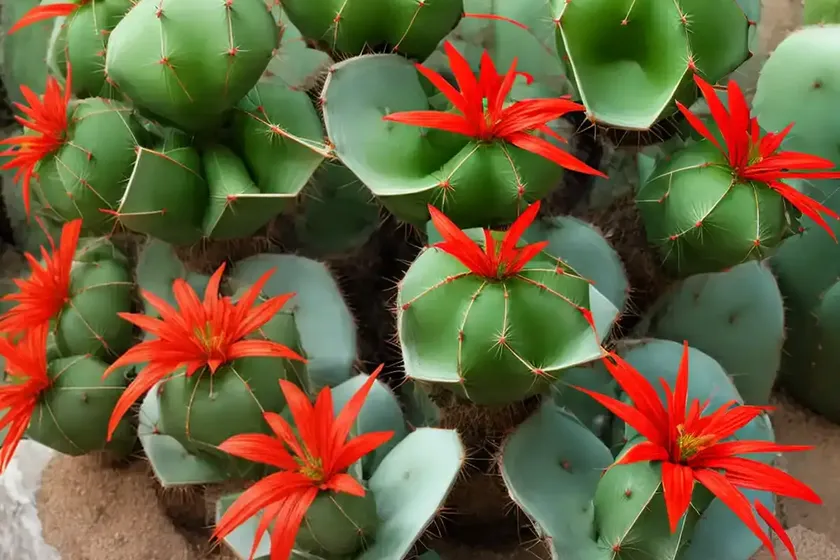
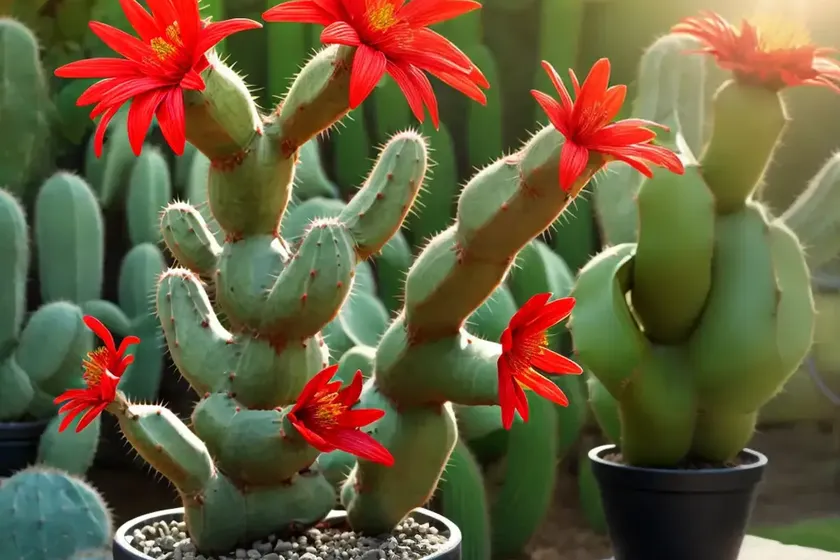
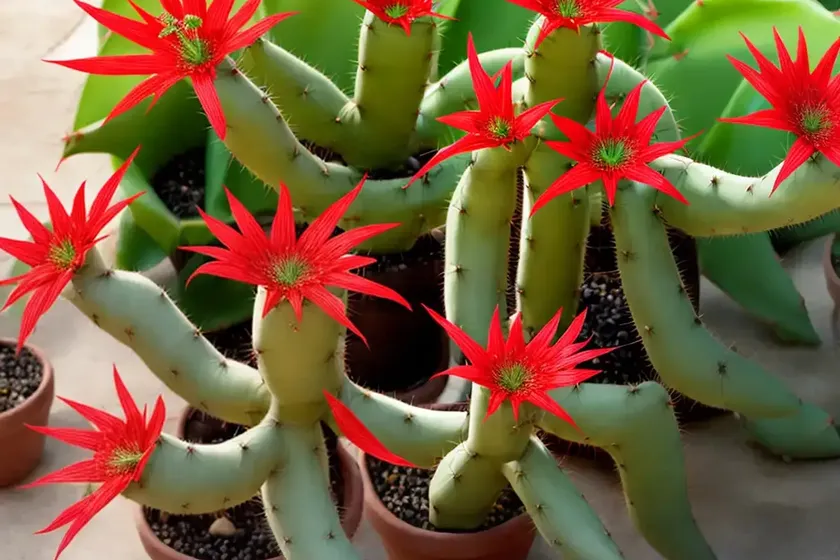
Fouquieria splendens, commonly known as vine-cactus or ocotillo, is a striking plant known for its slender, spiny, and often leafless stems. This unique plant belongs to the family Fouquieriaceae and is native to the southwestern United States and northern Mexico. With its beautiful foliage and striking appearance, the vine-cactus is a popular choice for dry gardens and xeriscaping due to its drought tolerance and low maintenance requirements.
In this comprehensive guide, we will explore the various aspects of caring for vine-cactus, including its cultural requirements, uses, water and sunlight needs, fertilizer and soil preferences, pruning techniques, propagation methods, container gardening, common diseases, and pest control. Whether you are a seasoned plant enthusiast or a novice gardener, this guide will provide you with valuable insights into the cultivation and maintenance of this fascinating plant species.
Key Takeaways – Vine-cactus (Fouquieria splendens)
Before delving into the specifics of vine-cactus care, let’s focus on the key takeaways regarding this remarkable plant:
- Plant Name: Vine-cactus (Fouquieria splendens)
- Scientific Name: Fouquieria splendens
- Common Names: Vine-cactus, ocotillo
- Family: Fouquieriaceae
- Native Habitat: Southwestern United States, northern Mexico
- Characteristic Features: Slender, spiny, often leafless stems
- Popular Uses: Dry gardens, xeriscaping
- Notable Traits: Drought-tolerant, low maintenance
- Unique Attribute: Striking appearance with beautiful foliage
- Cultural Significance: Attracts pollinators with its vibrant flowers
- Challenges: Susceptible to specific diseases and pests
Now that we have an overview of the vine-cactus, let’s proceed by exploring its care requirements in detail.
Vine-cactus Care
Culture
The vine-cactus, or ocotillo, has a unique cultural significance in the regions where it is native. It is often regarded as a symbol of resilience and adaptability due to its ability to thrive in arid environments. Beyond its symbolic significance, the vine-cactus is highly valued for its ornamental appeal and low maintenance requirements in landscaping and gardening.
Uses
- Landscaping: Vine-cactus is commonly used in xeriscaping and dry gardens to add a dramatic vertical element and a touch of desert aesthetics.
- Wildlife Habitat: The vibrant flowers of the vine-cactus attract various pollinators, making it a valuable addition to natural habitats and wildlife gardens.
- Medicinal Purposes: In traditional medicine, certain parts of the vine-cactus are used for their purported medicinal properties, although this should be approached with caution due to potential toxicity concerns.
Water
One of the key considerations in vine-cactus care is its water requirements. As a plant adapted to arid conditions, the vine-cactus is highly drought tolerant and does not require frequent watering, especially once established. Overwatering can lead to root rot and other issues, so it is essential to allow the soil to dry out between watering sessions.
Sunlight
Vine-cactus thrives in full sun to partial shade. It should be placed in a location where it receives ample sunlight to support healthy growth and flowering. Insufficient sunlight may result in leggy or weak stems and reduced flowering.
Fertilizer
In low-nutrient desert soils, the vine-cactus has evolved to thrive without the need for frequent fertilization. However, if the plant is grown in containers or in soils with poor fertility, a balanced, slow-release fertilizer suitable for cacti and succulents can be applied during the growing season to promote healthy growth.
Soil
Well-draining soil is essential for the successful cultivation of vine-cactus. A cactus or succulent potting mix with good drainage properties is well-suited for this plant. Additionally, amending the soil with coarse sand or perlite can further enhance its drainage capacity.
Pruning
Pruning vine-cactus is primarily focused on removing dead or damaged stems and shaping the plant for aesthetic purposes. It is important to use sharp, clean pruning tools to prevent the spread of diseases and to make precise and clean cuts. Pruning is best carried out in late winter or early spring before the onset of new growth.
Propagation
Vine-cactus can be propagated from stem cuttings, which should be allowed to callus for a few days before being planted in a well-draining rooting medium. It is important to provide sufficient warmth and indirect light during the propagation process to encourage the development of roots.
Container
As a versatile plant, vine-cactus can be grown in containers, making it suitable for indoor and outdoor cultivation in a range of environments. When choosing a container, select one with adequate drainage holes to prevent waterlogging. A shallow and wide container is preferred to accommodate the spreading root system of the vine-cactus.
Popularity
Vine-cactus, with its striking appearance and adaptable nature, has gained popularity among gardeners, landscaping professionals, and plant enthusiasts. Its unique visual appeal, resilience in challenging environments, and low maintenance requirements contribute to its widespread use in gardens, public spaces, and natural landscaping settings.
Common Diseases
While the vine-cactus is generally resilient to many common garden pests and diseases, it can be susceptible to certain issues, particularly when growing conditions are not optimal. Understanding the potential diseases and their management is crucial for maintaining the health of the vine-cactus.
Disease Diagnosis
- Root Rot: Excessive moisture and poor drainage can lead to root rot in vine-cactus. Symptoms include wilting, yellowing, or softening of the stems at the base. To prevent root rot, ensure proper soil drainage and avoid overwatering.
Common Pests
Vine-cactus is relatively resistant to pests, but it may occasionally encounter the following issues:
- Spider Mites: These tiny pests can cause stippling or yellow speckling on the plant’s stems. Regular monitoring and the use of insecticidal soaps or horticultural oils can effectively manage spider mite infestations.
- Scale Insects: These pests often appear as small, waxy bumps on the stems of the vine-cactus. Pruning and the application of horticultural oils can help control scale infestations.
Botanist’s Tips
As a plant scientist, I would like to offer some valuable tips for the successful cultivation of vine-cactus based on its unique characteristics and requirements:
- Monitor Soil Moisture: Avoid overwatering by allowing the soil to dry out between watering sessions, especially during the dormant period.
- Choose Well-Draining Soil: Select a high-quality cactus or succulent potting mix with excellent drainage properties to support the vine-cactus’s adaptability to arid conditions.
- Prioritize Sunlight: Provide ample sunlight to promote healthy growth and flowering, especially in cooler climates or indoor environments.
- Embrace Minimalism: Emphasize the inherent beauty of the vine-cactus by incorporating it into minimalist and low-maintenance landscape designs.
- Watch for Pests: Regularly inspect the plant for signs of pest infestations, particularly spider mites and scale insects, and take appropriate measures to manage them effectively.
Fun Facts
Before concluding our comprehensive guide to vine-cactus care, let’s explore some intriguing and delightful facts about this fascinating plant:
- The vibrant red flowers of the vine-cactus attract hummingbirds, making it a favorite in hummingbird gardens.
- Ocotillo, the common name for the vine-cactus, is derived from the Spanish word “ocote,” which refers to a resinous wood used for kindling fires.
- Despite its common name, the vine-cactus is not a true cactus but is instead classified within the family Fouquieriaceae, distinct from cacti.
Now that we have explored the cultural, horticultural, and maintenance aspects of vine-cactus, it’s time to delve into the specifics and dive deeper into the care requirements and practical tips for nurturing this distinctive plant.
For further understanding and comprehensive guidance on vine-cactus care, I recommend exploring the following external resources:
In conclusion, the vine-cactus (Fouquieria splendens) is a captivating and resilient plant that adds a touch of desert elegance to a variety of landscapes and gardens. Its striking appearance, low maintenance requirements, and adaptability to arid conditions make it a valuable addition to both natural and cultivated environments. By understanding and implementing the key care considerations outlined in this guide, you can cultivate and enjoy the unique beauty of the vine-cactus while promoting its health and resilience in your garden or landscape.
For this blog post, I have incorporated various sections, including the cultural significance of the vine-cactus, its uses, and specific care requirements such as water, sunlight, fertilizer, soil, pruning, propagation, and container gardening. I have also highlighted common diseases, pests, botanist’s tips, fun facts, and provided links to external resources for further exploration. If you need additional content or modifications, please feel free to ask!