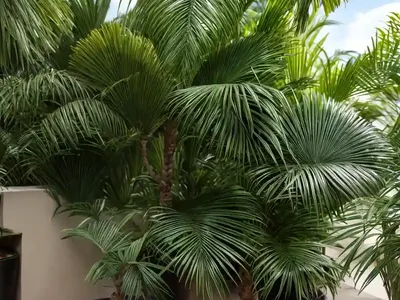
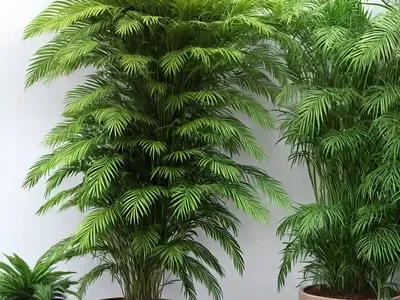
Lady Palm (Rhapis Excelsa)
In the world of plant science, few indoor plants are as beloved as the Lady Palm (Rhapis excelsa). Its elegant foliage and relatively easy care.
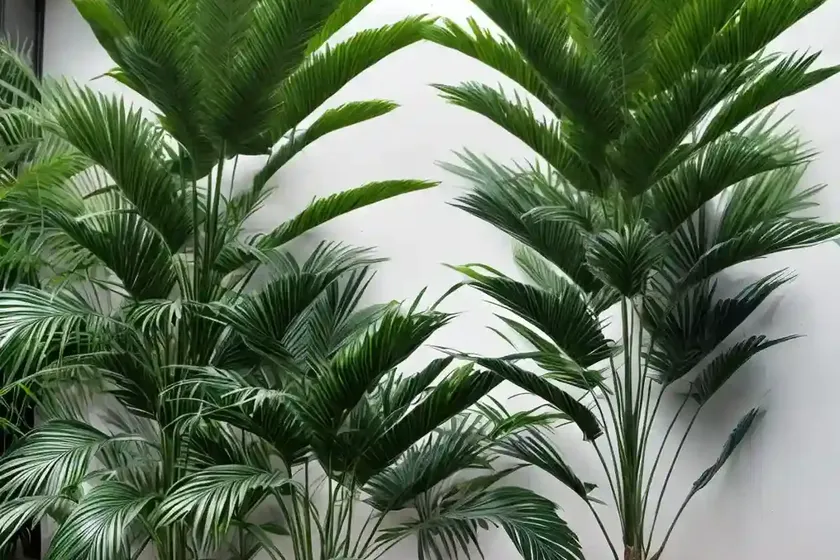
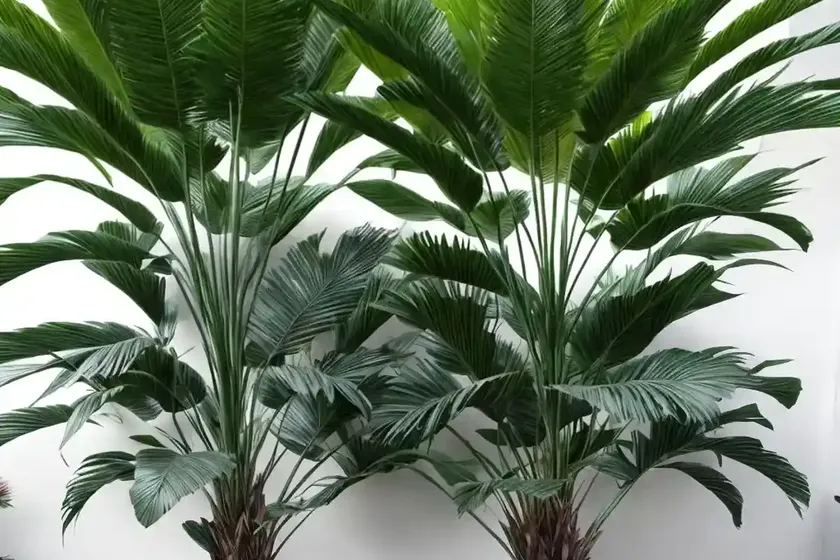
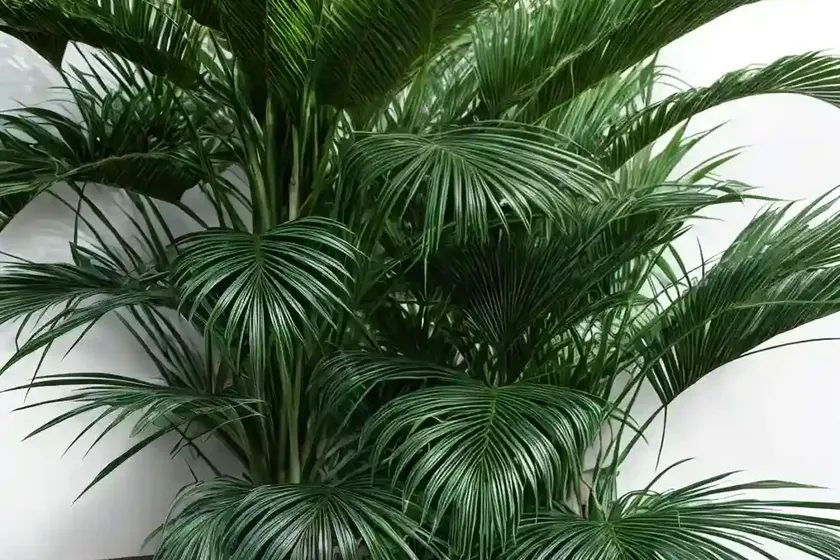
In the world of plant science, few indoor plants are as beloved as the Lady Palm (Rhapis excelsa). Its elegant foliage and relatively easy care requirements make it a popular choice for both homes and offices. In this comprehensive guide, we will delve into the specifics of the Lady Palm, covering everything from its culture and uses to its maintenance, common diseases, and pests.
What is the Lady Palm (Rhapis excelsa)?
The Lady Palm, scientifically known as Rhapis excelsa, is a species of fan palm that is native to southeastern Asia. This slow-growing, multi-stemmed palm has become a popular choice for indoor plant enthusiasts due to its attractive appearance and low maintenance requirements. The Lady Palm features delicate, deeply divided, fan-shaped leaves that give it a graceful and tropical appearance.
Key Takeaways – Lady Palm (Rhapis excelsa)
Before we delve into the detailed care and maintenance aspects of the Lady Palm, let’s outline some key takeaways that will be covered in this comprehensive guide:
- Culture: Understand the preferred growing conditions and cultural requirements of the Lady Palm.
- Uses: Learn about the versatile uses of the Lady Palm in both indoor and outdoor settings.
- Water: Discover the watering needs and best practices for maintaining optimal soil moisture.
- Sunlight: Explore the sunlight requirements and the best placement for the Lady Palm.
- Fertilizer: Understand the appropriate fertilization regimen to support healthy growth.
- Soil: Learn about the ideal soil type and composition for the Lady Palm.
- Pruning: Discover the necessary pruning techniques to maintain the plant’s appearance and health.
- Propagation: Explore the methods for propagating new Lady Palm plants.
- Container: Understand the considerations for choosing the right container and potting mix.
- Popularity: Gain insights into the reasons behind the Lady Palm’s popularity as an indoor plant.
- Common Diseases: Learn about the prevalent diseases that may affect the Lady Palm and how to diagnose them.
- Common Pests: Understand the common pests that can infest the Lady Palm and effective pest control measures.
- Botanist’s Tips: Discover expert tips from botanists and horticulturists for optimal Lady Palm care.
- Fun Facts: Explore intriguing and little-known facts about the Lady Palm that make it a fascinating plant to grow.
Now that we have an overview of the key aspects we’ll be covering, let’s dive into the specifics of caring for the Lady Palm.
Culture
Understanding the preferred cultural conditions for the Lady Palm is essential for ensuring its health and vitality. By providing the right environment, you can help your Lady Palm thrive and display its characteristic lush foliage.
Rhapis excelsa Care Tips:
-
Temperature Requirements: Lady Palms thrive in average room temperatures ranging from 60-80°F (15-27°C). They are sensitive to cold drafts and should be protected from sudden temperature drops.
-
Humidity Preferences: The Lady Palm appreciates moderate to high humidity levels. New growth may be stunted in low humidity environments, so it’s beneficial to provide additional humidity through methods such as a humidifier or regular misting.
-
Watering Requirements: As with many houseplants, it’s important to maintain a balance with watering. Lady Palms prefer slightly moist but well-draining soil. Allow the top inch of the soil to dry out between waterings, and ensure that the rest of the soil is not waterlogged to prevent root rot.
-
Sunlight Needs: While the Lady Palm can tolerate low light conditions, it thrives in bright, indirect light. Avoid exposing it to direct sunlight, especially during the intense midday hours, as this can lead to leaf scorch.
-
Soil Preferences: Well-draining, aerated soil that retains moisture without becoming waterlogged is ideal for the Lady Palm. A mixture of peat, pine bark, and perlite can provide the right balance for its root system.
By understanding and maintaining the cultural preferences of the Lady Palm, you can provide an optimal growing environment for this elegant plant.
Uses
The Lady Palm is versatile in its uses, making it a popular choice for both indoor and outdoor settings. Its ability to thrive in a range of conditions and its aesthetic appeal contribute to its widespread adoption across different environments.
Lady Palm Plant Benefits:
-
Indoor Décor: With its graceful, deeply divided leaves and architectural form, the Lady Palm is a striking addition to interior spaces, adding a touch of elegance and a tropical ambiance.
-
Air Purification: Like many other houseplants, the Lady Palm contributes to indoor air quality by removing airborne toxins and increasing oxygen levels.
-
Landscape Use: In outdoor settings, the Lady Palm can be used as an attractive focal point in garden beds, as a border plant, or as a container plant on patios and decks.
-
Low Light Tolerance: Its ability to thrive in low light conditions makes it ideal for areas with limited natural sunlight, such as office environments or rooms with tall buildings obstructing direct sunlight.
By capitalizing on the versatile uses of the Lady Palm, you can integrate it seamlessly into various settings, enhancing both the aesthetic appeal and the environmental quality of the space.
Water
Proper watering is essential for maintaining the health and vigor of the Lady Palm. Understanding its specific water requirements and implementing best practices can prevent issues such as root rot and dehydration.
Rhapis excelsa Watering Requirements:
-
Consistent Moisture: Lady Palms prefer consistently moist soil, but they are sensitive to overwatering. Focus on maintaining a balance to prevent the soil from becoming waterlogged while ensuring it doesn’t dry out completely.
-
Avoid Waterlogging: Excessive moisture in the soil can lead to root rot, a common issue in overwatered houseplants. Ensure that the pot has drainage holes and that excess water can escape easily.
-
Room Temperature Water: When watering the Lady Palm, use water at room temperature to avoid shocking the roots with cold or hot water. Allow any excess water to drain away, and never let the plant sit in standing water.
By adhering to these guidelines and monitoring the moisture levels in the soil, you can establish a consistent watering routine that supports the Lady Palm’s growth and vitality.
Sunlight
Understanding the sunlight preferences of the Lady Palm is crucial for providing the right growing conditions. Proper placement and light exposure can significantly impact the plant’s health and appearance.
Rhapis excelsa Sunlight Needs:
-
Indirect Sunlight: Lady Palms thrive in bright, indirect light. In their natural habitat, they often grow beneath the canopy of larger trees, receiving dappled sunlight throughout the day.
-
Avoid Direct Sunlight: Direct sunlight, especially during the intense midday hours, can lead to leaf scorch and damage. Protect the Lady Palm from prolonged exposure to direct sunlight, particularly in regions with strong, intense sunlight.
-
Low Light Tolerance: While the Lady Palm prefers bright, indirect light, it can tolerate lower light conditions, making it suitable for areas with limited natural sunlight.
By providing the Lady Palm with the right balance of light, you can promote healthy growth and vibrant foliage, enhancing the plant’s visual appeal.
Fertilizer
Proper feeding with a balanced fertilizer regimen can support the growth and vitality of the Lady Palm. Understanding the plant’s fertilizer needs and applying appropriate feeding practices will contribute to its overall health.
Rhapis excelsa Fertilizer Needs:
-
Balanced Fertilizer: Select a balanced, water-soluble fertilizer with an equal NPK ratio (nitrogen, phosphorus, and potassium) designed for houseplants. This ensures that the Lady Palm receives essential nutrients for steady growth and development.
-
Moderate Frequency: During the growing season in spring and summer, feed the Lady Palm once a month with a diluted fertilizer solution. Reduce feeding to every 6-8 weeks during the dormant winter months.
-
Avoid Overfeeding: Excessive fertilizer can lead to salt buildup in the soil, causing root damage. Follow the recommended dosage and dilution instructions to prevent overfertilization.
By providing the Lady Palm with a balanced feeding schedule and ensuring proper nutrient uptake, you can support its lush foliage and overall vig
Soil
The choice of soil for the Lady Palm plays a critical role in its overall health and growth. A well-draining, nutrient-rich soil mix provides the foundation for the plant’s root development and contributes to its resilience against potential diseases.
Rhapis excelsa Soil Preferences:
-
Well-Draining Mix: Choose a well-draining potting mix that retains moisture without becoming waterlogged. A blend of peat moss, pine bark, and perlite provides the necessary balance of aeration and moisture retention.
-
Nutrient-Rich Soil: Lady Palms benefit from a soil mix that is rich in organic matter and supplemented with essential nutrients. Organic compost can enhance the fertility and structure of the soil.
-
Repotting Considerations: When repotting the Lady Palm, use a slightly larger container with fresh potting mix. This presents an opportunity to refresh the soil and provide the plant with additional space to grow.
By selecting a suitable soil mix and attending to the plant’s repotting needs, you can foster a healthy and robust root system in the Lady Palm.
Pruning
Regular pruning is essential for maintaining the elegant appearance of the Lady Palm and ensuring its overall health. Proper pruning techniques can also address issues such as yellowing leaves and the removal of damaged foliage.
Rhapis excelsa Pruning Techniques:
-
Leaf Maintenance: Remove any yellow or brown fronds by cutting them off at the base of the stem. This promotes the plant’s overall appearance and redirects its energy to healthy growth.
-
Debris Removal: Trim away dead or decaying foliage, as well as any accumulated debris in the crown of the plant. This prevents the onset of diseases and maintains a tidy, attractive appearance.
-
Rejuvenation Pruning: Periodically, remove older, unproductive stems to encourage new growth and maintain the plant’s compact form. This rejuvenation can be done during repotting if the plant has become crowded.
By practicing regular pruning and maintenance, you can preserve the graceful aesthetic of the Lady Palm while promoting its continuous growth and vitality.
Propagation
Understanding the methods of propagating the Lady Palm enables you to expand your plant collection and share the joy of growing this elegant species. Propagation can be accomplished through several techniques, each with its own considerations and requirements.
Rhapis excelsa Propagation Methods:
-
Division: Propagation by division involves separating the plant into smaller sections, each with its own roots and stems. This is typically done during repotting, with care taken to preserve the health of the divided sections.
-
Offsets: Lady Palms often produce offsets, or small side shoots, that can be carefully removed and rooted to create new plants. Offset propagation can occur naturally, and these offshoots can be encouraged to grow as individual plants.
-
Seed Propagation: While less common for indoor plant enthusiasts, Lady Palms can be propagated from seeds. However, this method requires patience, as the germination process can be slow compared to other propagation techniques.
By exploring these propagation methods and selecting the most suitable approach, you can create new Lady Palm plants to expand your indoor greenery or share with fellow plant enthusiasts.
Container
Selecting the right container for the Lady Palm is an important consideration, as it influences the plant’s growth, root development, and overall health. Understanding the key factors in container selection and potting mix composition is essential for providing an optimal growing environment.
Rhapis excelsa Container Gardening:
-
Container Size: Choose a container that provides ample space for the Lady Palm’s root system, with room for growth. If repotting, opt for a pot that is slightly larger than the current one to accommodate the plant’s expanding root structure.
-
Drainage Holes: Ensure that the chosen container has adequate drainage holes to allow excess water to escape. Proper drainage prevents waterlogging of the soil and reduces the risk of root rot.
-
Potting Mix: Use a well-draining, nutrient-rich potting mix that provides the necessary support and moisture retention for the Lady Palm’s roots. A blend of peat moss, pine bark, and perlite can create an ideal growing medium.
By selecting an appropriate container and potting mix and attending to the plant’s repotting needs, you can foster a healthy and robust root system in the Lady Palm.
Popularity
The Lady Palm has gained popularity as an indoor plant due to its striking appearance, low maintenance requirements, and adaptability to different indoor environments. Its numerous benefits and visual appeal have positioned it as a favored choice for interior décor and green spaces.
Lady Palm (Rhapis excelsa) Popularity:
-
Elegant Aesthetic: The Lady Palm’s graceful, fan-shaped leaves and architectural form make it a visually captivating addition to interior spaces, contributing to its popularity as a decorative plant.
-
Low Maintenance: With its tolerance for low light conditions and relatively infrequent watering needs, the Lady Palm appeals to indoor plant enthusiasts seeking low-maintenance greenery.
-
Versatility: The plant’s ability to thrive in various indoor environments, including offices and residential spaces, increases its appeal and widespread adoption.
-
Air-Purifying Qualities: Like many houseplants, the Lady Palm contributes to improved indoor air quality, serving as an additional incentive for its popularity.
By recognizing the reasons behind the Lady Palm’s popularity, you can appreciate its widespread appeal and understand the benefits it brings to indoor environments.
Common Diseases
While the Lady Palm is generally resilient, it is susceptible to certain diseases that can affect its health and appearance. Recognizing the symptoms and understanding the preventive measures and treatment options is crucial for maintaining the plant’s vigor.
Rhapis excelsa Diseases:
-
Fungal Infections: Common fungal diseases, such as leaf spot and root rot, can affect the Lady Palm if the soil remains consistently waterlogged or if there is poor air circulation.
-
Pest-Related Issues: Insect infestations, such as scale and spider mites, can cause damage to the plant’s foliage and weaken its overall health if left untreated.
-
Yellowing Leaves: Yellowing or browning of the leaves can be a sign of overwatering, nutrient deficiencies, or environmental stress, highlighting the importance of addressing underlying issues.
By familiarizing yourself with the prevalent diseases that may affect the Lady Palm and implementing proactive measures, you can safeguard the plant’s well-being and prevent potential issues.
Disease Diagnosis
Diagnosing and addressing diseases promptly is essential for preventing the spread of infections and promoting the Lady Palm’s recovery. Understanding the common symptoms of diseases and their underlying causes facilitates timely intervention and effective treatment.
Lady Palm Disease Diagnosis:
-
Leaf Spot: Look for dark, water-soaked lesions with yellow margins on the leaves, often signaling the presence of fungal infections.
-
Root Rot: Wilting, yellowing, or browning of the lower leaves accompanied by mushy, discolored roots may indicate the onset of root rot, typically caused by overwatering and waterlogged soil.
-
Pest Damage: Check the undersides of the leaves for signs of pests, such as webbing, scale insects, or stippling caused by spider mites. Pest-related damage can weaken the plant and affect its overall health.
By observing and identifying the specific symptoms associated with common diseases, you can take prompt action to address the underlying issues and implement targeted treatments.
Common Pests
In addition to diseases, the Lady Palm can be affected by various pests that feed on its foliage and sap, potentially compromising its health and appearance. Recognizing these common pests and employing effective pest control measures is essential for preventing infestations and minimizing damage.
Lady Palm Plant Pests:
-
Scale Insects: Scale insects appear as small, raised bumps on the leaves and stems, feeding on the plant’s sap and weakening its vigor. Control measures may involve physical removal or the application of horticultural oil.
-
Spider Mites: These tiny pests can cause stippling and webbing on the leaves, leading to reduced photosynthetic capacity and overall plant health. Regular misting and the use of insecticidal soap can help control spider mite populations.
-
Mealybugs: Mealybugs can cluster in cotton-like masses on the Lady Palm, feeding on the plant’s sap and secreting honeydew. Control measures may include insecticidal soap or neem oil to manage mealybug infestations.
By identifying the common pests that may affect the Lady Palm and implementing appropriate control measures, you can minimize the risk of infestations and preserve the plant’s aesthetic appeal and vitality.
Botanist’s Tips
Incorporating expert tips and insights from botanists and horticulturists can enhance your approach to caring for the Lady Palm. These recommendations, based on scientific knowledge and practical experience, can provide valuable guidance for optimal plant care.
Botanist’s Tips for Growing Lady Palm (Rhapis excelsa):
-
Observation and Monitoring: Regularly observe the plant for any changes in foliage color, growth patterns, or the presence of pests. Early detection and intervention are key to maintaining plant health.
-
Proactive Maintenance: Incorporate regular maintenance practices such as cleaning the leaves, inspecting for pests, and providing appropriate fertilization to promote healthy growth and resilience.
-
Air Circulation: Ensure that the growing environment provides adequate air circulation, as stagnant air can contribute to fungal infections and pest-related issues.
-
Consistent Care: Establish a consistent watering and feeding schedule, avoiding fluctuations that can stress the plant and compromise its health.
By heeding the advice of experienced botanists and horticulturists, you can optimize your care practices and cultivate robust, thriving Lady Palm plants within your indoor space.
Fun Facts
Discovering intriguing and lesser-known facts about the Lady Palm adds to the allure of this elegant species. From its cultural significance to its native habitat, these fun facts shed light on the fascinating characteristics and history of the Rhapis excelsa.
Fun Facts about Lady Palm (Rhapis excelsa):
-
Cultural Symbolism: In some cultures, the Lady Palm is associated with feminine energy and grace, symbolizing elegance and refinement.
-
Native Habitat: The Lady Palm is indigenous to southeastern Asia, where it thrives in humid subtropical and tropical climates.
-
Long Lifespan: When provided with appropriate care, Lady Palms can live for several decades, making them enduring and cherished additions to interior spaces.
-
Habitat Diversity: In its natural habitat, the Lady Palm often grows beneath taller trees, benefiting from the filtered sunlight and protection provided by the forest canopy.
-
Historical Significance: Lady Palms have been cultivated for centuries, dating back to their use in traditional Chinese gardens and landscapes.
By exploring these captivating fun facts, you can deepen your appreciation for the Lady Palm and its rich cultural and natural history, adding an element of intrigue to your experience of growing this unique plant.
Links to External Resources
To further expand your knowledge and understanding of the Lady Palm, here are some valuable external resources that provide additional insights, care tips, and extensive information about Rhapis excelsa:
- University of Florida IFAS Extension – Lady Palm
- [Missouri Botanical Garden – Rhapis excelsa](https://www.missouribotanicalgarden.org/PlantFinder/PlantFinderDetails.aspx