Victoria Blue Salvia (Salvia Farinacea ‘Victoria Blue’)
As a plant scientist with a passion for horticulture and botanical research, I have encountered a wide array of fascinating plant species. One such plant.
As a plant scientist with a passion for horticulture and botanical research, I have encountered a wide array of fascinating plant species. One such plant that has always captured my attention is the Victoria Blue Salvia (Salvia Farinacea ‘Victoria Blue’). This resilient and beautiful flowering plant has an extensive range of uses, and its cultivation and care present an exciting challenge for enthusiasts and professional gardeners alike.
In this comprehensive guide, we will delve into the world of Victoria Blue Salvia. From its cultural significance to its growth requirements, diseases, and pests, this article will serve as your go-to resource for all things related to this stunning plant.
What is Victoria Blue Salvia?
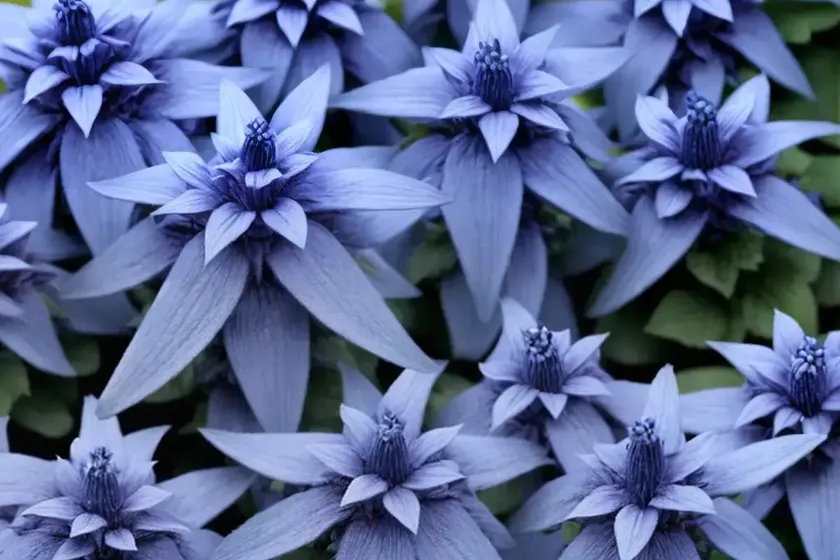
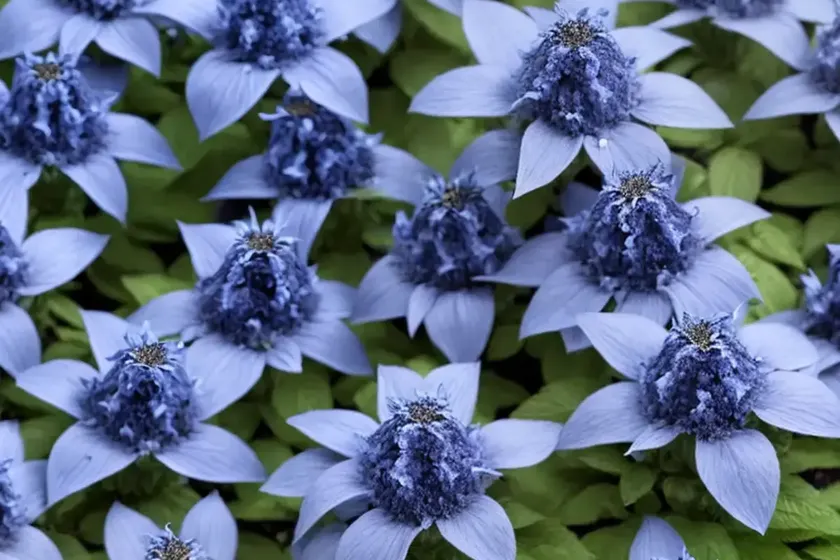
Victoria Blue Salvia, scientifically known as Salvia Farinacea ‘Victoria Blue’, belongs to the Lamiaceae family and is native to the south-central United States and northeastern Mexico. This perennial herb is renowned for its striking blue flowers, making it a popular choice for ornamental and landscaping purposes. The plant’s robust nature, vibrant blooms, and adaptive qualities have secured its status as a beloved addition to gardens, public parks, and natural landscapes.
Key Takeaways – Victoria Blue Salvia (Salvia Farinacea ‘Victoria Blue’)
Before we dive into the specifics of cultivating and caring for Victoria Blue Salvia, let’s outline the key takeaways about this captivating plant:
- Common Name: Victoria Blue Salvia
- Scientific Name: Salvia Farinacea ‘Victoria Blue’
- Family: Lamiaceae
- Native Habitat: South-central United States, northeastern Mexico
- Growth Type: Perennial
- Flower Color: Striking Blue
- Uses: Ornamental, Landscaping, Pollinator Attraction
- Cultural Significance: Drought-tolerant, Adaptive to Various Soil Types
Now that we have a foundational understanding of Victoria Blue Salvia, let’s explore the nuances of its cultivation and care.
Culture
Water
Victoria Blue Salvia thrives in well-draining soil and is remarkably drought-tolerant once established. When establishing new plants, regular watering is essential to encourage healthy root development and initial growth. However, it is crucial to allow the soil to dry out between watering sessions to prevent waterlogged conditions, which can lead to root rot and other detrimental issues.
- Establishment Phase: Water newly planted Victoria Blue Salvia regularly to encourage root establishment.
- Mature Plants: Once established, reduce watering frequency, allowing the soil to dry out between watering sessions.
- Watering Tips: Water in the morning to allow foliage to dry before evening, reducing the risk of disease.
Sunlight
In terms of sunlight requirements, Victoria Blue Salvia thrives in full sun conditions. When planted in locations with ample sunlight exposure, the plant develops robust foliage and produces an abundance of vibrant blue flowers. Adequate sunlight is crucial for the plant’s overall health and flowering potential.
- Ideal Exposure: Plant in areas with full sun exposure for optimal growth and flowering.
- Indoor Cultivation: If grown indoors, ensure the plant receives ample natural light or supplemental grow lights.
Fertilizer
Victoria Blue Salvia is not particularly demanding when it comes to fertilization. In fact, excessive fertilization can lead to excessive foliage growth at the expense of flower production. Using a balanced, slow-release fertilizer in the spring can provide the necessary nutrients for healthy growth and flowering.
- Fertilization Schedule: Apply a balanced, slow-release fertilizer in the spring to support growth and flowering.
- Avoid Excess: Refrain from over-fertilizing, as this can lead to excessive foliage at the expense of flowering.
Soil
The plant is adaptable to a range of soil types as long as they are well-draining. It can thrive in sandy, loamy, or rocky soils, making it a versatile choice for various garden settings. However, it is crucial to prioritize good drainage to prevent waterlogging, which can be detrimental to the plant’s health.
- Preferred Soil: Well-draining sandy, loamy, or rocky soils are suitable for Victoria Blue Salvia.
- Soil Amendments: Adding organic matter can improve soil structure and drainage.
Pruning
Pruning plays a crucial role in shaping the plant, promoting flowering, and maintaining its overall health and vigor. Deadheading, the process of removing spent flowers, is particularly important for encouraging continuous blooming throughout the growing season.
- Deadheading: Regularly remove spent flowers to promote new growth and extended blooming.
- Pruning Frequency: Occasional pruning can help maintain a compact and tidy growth habit.
Propagation
Victoria Blue Salvia can be propagated through several methods, including seed propagation and division. Each technique offers its own set of benefits and considerations, allowing growers to choose the most suitable method based on their preferences and resources.
Seed Propagation
Growing Victoria Blue Salvia from seeds is a rewarding and cost-effective method of propagation. The process allows for the creation of new plants from a reliable seed source, giving growers the opportunity to experiment with different varieties and hybrids.
- Indoor Seed Starting: Start seeds indoors several weeks before the last frost date for an early start to the growing season.
- Direct Sowing: Seeds can also be sown directly into the garden after the danger of frost has passed.
Division
Dividing mature Victoria Blue Salvia plants presents an opportunity to rejuvenate overgrown clumps and propagate new plants from established specimens. This method can help maintain the plant’s health and vigor while producing additional plants for garden expansion or sharing with fellow gardening enthusiasts.
- Optimal Timing: Division is best performed in early spring before new growth emerges.
- Dividing Technique: Use a sharp, clean tool to separate the root ball into sections, ensuring each division has adequate roots and foliage.
Container Popularity
Victoria Blue Salvia’s adaptability and striking appearance make it a sought-after choice for container gardening. Whether grown solo in a decorative pot or combined with other complementary plants in a mixed container arrangement, this versatile species adds a vibrant touch to patios, balconies, and other outdoor living spaces.
- Container Selection: Choose containers with adequate drainage holes to prevent waterlogging.
- Potting Mix: Utilize a well-draining potting mix tailored for container plants.
- Container Companions: Pair Victoria Blue Salvia with other sun-loving annuals or perennials for dynamic container displays.
Common Diseases
Victoria Blue Salvia is generally resistant to many common pests and diseases, but certain environmental conditions and cultural practices can predispose the plant to potential issues. Recognizing the early signs of diseases can help implement timely interventions to protect the plant’s health.
Disease Diagnosis
Being alert to the symptoms of common diseases can aid in early detection and management. Several fungal diseases, including powdery mildew and root rot, can affect Victoria Blue Salvia under conducive environmental conditions.
- Powdery Mildew: Look for white, powdery patches on the foliage, often signaling the presence of this fungal disease.
- Root Rot: Wilting, yellowing, or browning of foliage along with stunted growth can indicate root rot, a result of prolonged soil moisture.
Common Pests
While Victoria Blue Salvia is generally resilient against most pests, occasional infestations may occur. Monitoring the plant for signs of pest activity can aid in early intervention and pest control measures.
Pest Identification
Identifying common pests that may target Victoria Blue Salvia is essential for implementing targeted pest management strategies. Some of the potential pests include aphids, spider mites, and whiteflies, which can affect the plant’s foliage and overall vigor.
- Aphids: Look for clusters of small, soft-bodied insects on the plant’s new growth and undersides of leaves.
- Spider Mites: Fine webbing and stippled, discolored foliage are indicative of spider mite infestations.
Botanist’s Tips
To ensure successful cultivation and care of Victoria Blue Salvia, it is essential to consider the following botanist’s tips:
- Mulching: Apply a layer of organic mulch around the base of the plant to conserve soil moisture and suppress weed growth.
- Overwintering: In regions with cold winters, provide a layer of mulch or protective covering to shield the plant from freezing temperatures.
Fun Facts
Uncovering intriguing and lesser-known facts about Victoria Blue Salvia adds depth to the appreciation of this remarkable plant. Here are a few fun facts to enhance your understanding of this species:
- Medicinal Uses: Some varieties of Salvia have a history of medicinal use, with the potential for anti-inflammatory and antimicrobial properties.
- Culinary Additions: Certain Salvia species are used as culinary herbs, offering a unique flavor profile to various dishes.
Links to External Resources
To further expand your knowledge and explore additional information about Victoria Blue Salvia, consider the following external resources:
- The Royal Horticultural Society – Salvia Farinacea ‘Victoria Blue’
- University of Florida IFAS Extension – Salvia Farinacea: Mealy Blue Sage
In conclusion, Victoria Blue Salvia (Salvia Farinacea ‘Victoria Blue’) stands as an outstanding plant species celebrated for its resilience, stunning blue flowers, and diverse cultural uses. As you embark on your journey of cultivating and caring for this enchanting plant, may the insights shared in this guide serve as valuable resources for your gardening endeavors.
References
- Kartesz, J. T. “The Biota of North America Program (BONAP).” North American Plant Atlas. (2009).
- Li, M., Tian, X. “Study on Salt Tolerance of Salvia Farinacea Benth.” 2010 International Conference on Digital Manufacturing & Automation. (2010).


