Vicks Plant (Plectranthus Tomentosa)
Plants have been utilized for their medicinal properties for centuries, with various species offering a wide array of benefits to human health. One such.
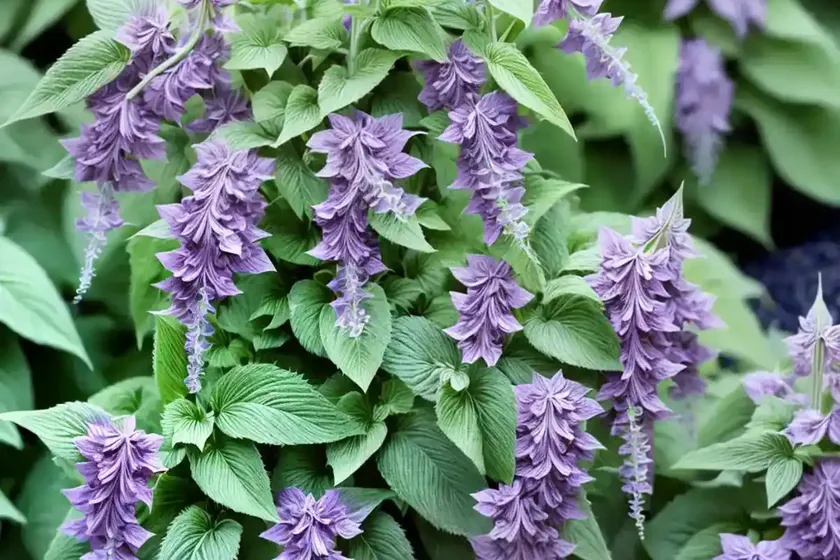
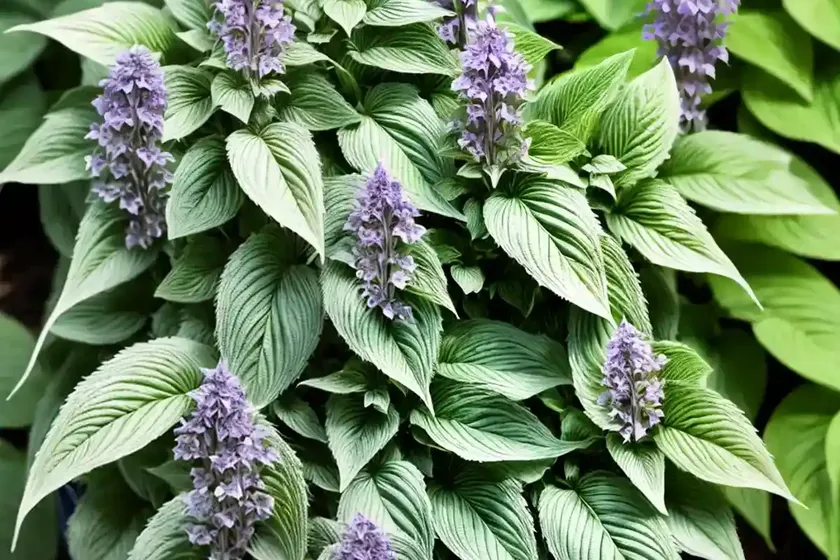
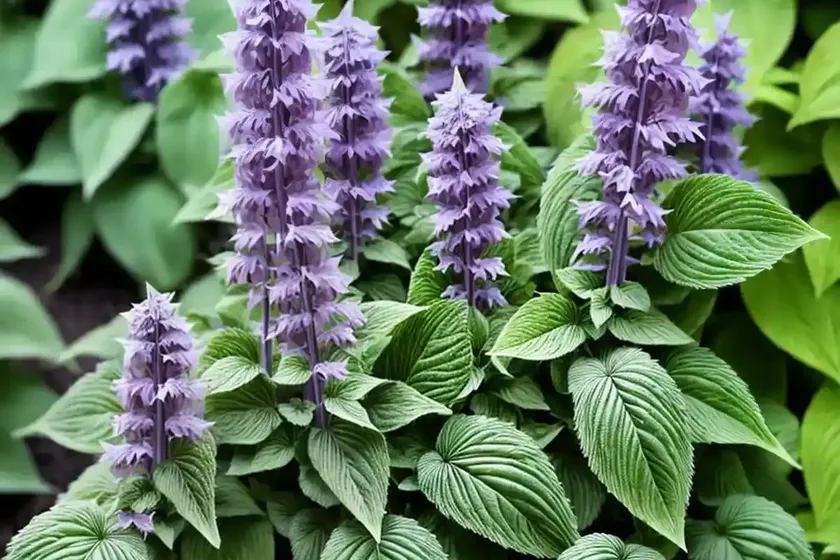
Plants have been utilized for their medicinal properties for centuries, with various species offering a wide array of benefits to human health. One such plant is the Vicks plant, scientifically known as Plectranthus tomentosa, which is valued for its therapeutic properties and aromatic leaves. In this comprehensive care guide, we will delve into the various aspects of cultivating and enjoying the benefits of the Vicks plant, including its cultural requirements, uses, propagation methods, common diseases, and much more.
What is a Plant?
A plant is a multicellular, photosynthetic eukaryote that belongs to the kingdom Plantae. Plants play a vital role in the ecosystem and are fundamental to life on Earth. They are the primary producers in the food chain, converting light energy into chemical energy through the process of photosynthesis. Apart from their ecological importance, plants have also been used for human sustenance, medicine, shelter, and aesthetic purposes for millennia.
Vicks Plant (Plectranthus tomentosa)
The Vicks plant, also known as Plectranthus tomentosa, is a member of the Lamiaceae family and is native to southern Africa. This species is well-regarded for its menthol-like fragrance, reminiscent of the Vicks VapoRub, which has earned it the common name “Vicks plant.” The aromatic leaves of the Vicks plant make it a popular choice for both indoor and outdoor cultivation. Beyond its ornamental value, the Vicks plant is also recognized for its potential medicinal benefits, particularly in the realm of aromatherapy and traditional herbal remedies.
Key Takeaways – Vicks Plant (Plectranthus tomentosa)
Before we delve into the specifics of caring for the Vicks plant, let’s explore some key takeaways about this unique species.
- Scientific Name: Plectranthus tomentosa
- Common Name: Vicks Plant
- Family: Lamiaceae
- Native Habitat: Southern Africa
- Distinct Feature: Aromatic leaves with a scent reminiscent of Vicks VapoRub
- Uses: Ornamental, Medicinal
- Propagation: Cuttings
- Cultural Requirements: Moderate water, indirect sunlight, well-draining soil
- Benefits: Aromatherapy, Respiratory Health, Natural Remedies
Now that we have an overview of the Vicks plant, let’s delve into the details of its care, uses, and potential benefits.
Culture
Cultivating the Vicks plant involves providing it with the right environmental conditions to thrive. Understanding its cultural requirements is essential for fostering healthy growth and maximizing its aromatic and potential therapeutic qualities.
Water
The Vicks plant has moderate water needs and is sensitive to overwatering. Proper watering practices are crucial for preventing root rot and maintaining the plant’s overall health. Here are some guidelines for watering the Vicks plant:
- Watering Frequency: Water the Vicks plant when the top inch of the soil feels dry to the touch. Avoid allowing the soil to become completely dry, as this can stress the plant.
- Soil Moisture: Ensure that the soil is well-draining to prevent waterlogging, which can lead to root rot.
- Watering Method: Use a watering can or a similar gentle watering method to moisten the soil evenly without causing water accumulation in the pot.
Sunlight
Proper sunlight exposure is crucial for the Vicks plant’s growth and development. While it thrives in bright, indirect light, it is essential to safeguard the plant from intense, direct sunlight, which can scorch its delicate foliage. Here are some tips for providing the right amount of sunlight to the Vicks plant:
- Light Requirements: Place the Vicks plant in a location with bright, indirect light. This can be near a north- or east-facing window where it can receive adequate light without direct sun exposure.
- Light Duration: Aim to provide the plant with around 6-8 hours of indirect sunlight daily.
- Protection from Harsh Sun: Shield the plant from direct sun during the hottest parts of the day, especially in regions with intense sunlight.
Fertilizer
Proper fertilization can contribute to the Vicks plant’s overall vigor and foliage production. However, it is essential to use a balanced approach to avoid over-fertilization, which can negatively impact the plant. Here are some fertilization recommendations for the Vicks plant:
- Fertilizer Type: Use a balanced, water-soluble fertilizer with a formulation such as 10-10-10 or 20-20-20 to provide essential nutrients without overloading the soil with excessive nutrients.
- Fertilization Schedule: Apply fertilizer to the plant every 4-6 weeks during the growing season, typically from spring to early fall.
- Dilution and Application: Dilute the fertilizer according to the manufacturer’s instructions and apply it to moist soil to prevent potential root damage.
Soil
The choice of soil is crucial for the Vicks plant’s well-being, as it directly influences moisture retention, aeration, and root development. Here are some considerations for selecting and maintaining the right soil for the Vicks plant:
- Soil Type: Use a well-draining, light potting mix that is rich in organic matter. A mix containing peat moss, perlite, and vermiculite can provide the ideal balance of moisture retention and aeration.
- Soil pH: Aim for slightly acidic to neutral soil with a pH range of 6.0-7.0. Regularly monitoring the pH can help ensure an optimal growing environment for the Vicks plant.
Pruning
Pruning plays a significant role in shaping the Vicks plant’s growth and maintaining its overall appearance. By removing spent flowers and leggy growth, you can encourage bushier, more compact foliage, enhancing the plant’s ornamental value. Here’s a brief guide to pruning the Vicks plant:
- Tools: Use clean, sharp pruning shears or scissors to make precise cuts without causing undue stress to the plant.
- Pruning Frequency: Regularly inspect the plant for spent blooms, damaged foliage, or excessive leggy growth, and prune as needed to maintain its shape and health.
Propagation
Propagating the Vicks plant allows you to expand your collection or share this delightful species with fellow plant enthusiasts. One of the most common methods of propagation for the Vicks plant is through stem cuttings. Here’s a step-by-step guide to propagating the Vicks plant from cuttings:
- Selecting the Cutting: Choose a healthy stem with several nodes (where leaves emerge) for the best chances of successful propagation.
- Cutting Preparation: Snip the stem right below a node using clean, sharp scissors or pruning shears. Remove the lower leaves to expose the nodes on the cutting.
- Rooting Medium: Insert the cutting into a well-draining rooting medium, such as a mix of perlite and peat moss or a specialized rooting hormone to encourage root development.
- Moisture and Humidity: Maintain the moisture levels in the rooting medium by misting the cutting regularly and providing high humidity, which can be achieved by covering the cutting with a transparent dome or using a misting system.
- Root Development: Over the next few weeks, monitor the cutting for the development of roots. Once the roots are well-established, the cutting can be transplanted into a suitable growing container.
Container Popularity
The Vicks plant is a sought-after choice for container gardening due to its compact size, aromatic foliage, and ease of care. Whether grown indoors or outdoors, the Vicks plant can thrive in containers, adding a touch of natural fragrance and visual appeal to any space. The versatile nature of container gardening allows plant enthusiasts to showcase the Vicks plant in various settings, from windowsills and balconies to garden patios and indoor spaces.
Container Gardening Tips for the Vicks Plant:
- Container Selection: Choose a well-draining container with adequate drainage holes to prevent water accumulation. The size of the container should accommodate the plant’s root system with some room for growth.
- Potting Mix: Utilize a lightweight, well-aerated potting mix that allows for optimal moisture retention while promoting good drainage. A mix formulated for indoor or outdoor container plants can be suitable for the Vicks plant.
- Watering Considerations: Monitor the moisture levels in the container and adjust the watering frequency based on the plant’s specific needs. Container-grown plants may require more frequent watering than those in the ground.
- Sunlight Exposure: Position the container in a location with bright, indirect light to ensure the Vicks plant receives adequate sunlight while avoiding direct exposure to harsh sun rays.
Common Diseases
Like all living organisms, plants are susceptible to various diseases and stressors that can impact their health and vitality. Understanding the common diseases that affect the Vicks plant is essential for implementing preventive measures and prompt interventions when needed.
Disease Diagnosis
The following are some of the common diseases that can affect the Vicks plant, along with tips for identification and management:
- Powdery Mildew: This fungal disease presents as a powdery white or gray substance on the plant’s foliage. It can hinder photosynthesis and weaken the plant over time. To address powdery mildew, utilize fungicidal treatments and ensure proper air circulation around the plant.
- Root Rot: Excessive moisture or poor drainage can lead to root rot, characterized by dark, mushy roots and wilting foliage. To prevent root rot, adjust the watering practices and improve soil drainage. Trimming affected roots and repotting the plant in fresh, well-draining soil may be necessary in severe cases.
Common Pests
Pests can pose a significant threat to the Vicks plant, causing damage to the foliage, inhibiting growth, and compromising the plant’s overall health. Identifying and addressing common pests promptly is crucial for preserving the plant’s well-being.
Common Pests
- Aphids: These tiny, soft-bodied insects can cluster on the undersides of leaves and feed on the plant’s sap, leading to distorted growth and yellowing of the foliage. A forceful spray of water or insecticidal soap can help control aphid infestations.
- Spider Mites: Spider mites are microscopic pests that infest the plant and cause stippling, webbing, and general decline. Regularly misting the plant, maintaining adequate humidity, and using miticides can aid in controlling spider mite populations.
Botanist’s Tips
As botanists with a passion for plant care and horticultural practices, we have compiled a set of tips and recommendations to enhance the cultivation and enjoyment of the Vicks plant:
- Regular Monitoring: Keep a close eye on the Vicks plant for any signs of stress, disease, or pests, and address issues promptly to prevent them from escalating.
- Adequate Air Circulation: Ensure that the plant is situated in an area with good air circulation to discourage the development of fungal diseases and pests.
- Pruning for Vigor: Regular pruning can stimulate new growth, enhance the Vicks plant’s overall appearance, and mitigate the risk of overcrowding.
Fun Facts
- The leaves of the Vicks plant are often used for their aromatic properties, with some individuals crushing the leaves and inhaling the fragrance for a perceived calming effect.
- In traditional African medicine, the Vicks plant has been employed to alleviate respiratory discomfort and promote respiratory wellness.
Links to External Resources
To further expand your knowledge and appreciation for the Vicks plant, we recommend exploring the following resources:
- Vicks Plant Benefits and Medicinal Properties
- Aromatherapy Uses of Plectranthus tomentosa
- Growing Plectranthus tomentosa Indoors: Tips and Guidelines
We hope that this comprehensive care guide has equipped you with the knowledge and insights needed to cultivate and appreciate the remarkable qualities of the Vicks plant. Whether you are drawn to its aromatic leaves, medicinal potential, or ornamental value, the Vicks plant undoubtedly holds a special place in the realm of plant enthusiasts and herbalism aficionados.
In conclusion, the Vicks plant, scientifically known as Plectranthus tomentosa, offers a delightful blend of aroma, visual appeal, and potential therapeutic benefits. By understanding its cultural requirements, propagation methods, and pest and disease management strategies, plant enthusiasts can foster the health and vitality of this exceptional species. Whether used in aromatherapy, traditional herbal remedies, or simply enjoyed for its ornamental qualities, the Vicks plant continues to captivate individuals with its distinct charm and versatility.


