Growing and Caring for Viburnum x burkwoodii ‘Conoy’ (Burkwood Viburnum)
Introduction
Viburnums are a diverse group of flowering shrubs within the Adoxaceae family, encompassing more than 150 species. They are highly valued for their ornamental, aromatic, and fruiting characteristics, making them popular choices for gardens, landscapes, and wildlife habitats. Among the wide array of viburnum cultivars, the Viburnum x burkwoodii ‘Conoy’ (commonly known as Burkwood Viburnum) stands out as a particularly attractive and versatile variety.
As a plant scientist deeply passionate about botany and horticulture, I am delighted to share insights into the cultivation, characteristics, and maintenance of the Viburnum x burkwoodii ‘Conoy’ shrub. This comprehensive guide will provide invaluable information on the cultural requirements, uses, propagation, and ways to maintain the health and vigor of this remarkable plant.
What is Viburnum x burkwoodii ‘Conoy’ (Burkwood Viburnum)?
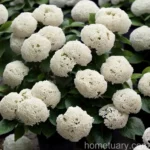
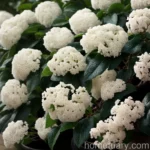
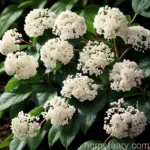
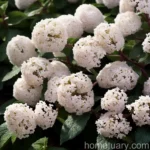
The Viburnum x burkwoodii ‘Conoy’ is a cultivar that resulted from a cross between Viburnum carlesii and Viburnum utile. It is a densely-branched, deciduous shrub that offers an impressive combination of features, including fragrant flowers, glossy foliage, and decorative fruit. With its compact growth habit and year-round interest, this viburnum cultivar is a valuable addition to residential gardens, public parks, and commercial landscapes.
Key Takeaways – Viburnum x burkwoodii ‘Conoy’ (Burkwood Viburnum)
Before delving into the details of growing and caring for this plant, it is essential to understand the key takeaways associated with the Viburnum x burkwoodii ‘Conoy’:
- Scientific Name: Viburnum x burkwoodii ‘Conoy’
- Common Name: Burkwood Viburnum
- Plant Type: Deciduous shrub
- Cultural Requirements: Well-drained soil, adequate sunlight, and regular watering
- Notable Features: Fragrant flowers, glossy leaves, and ornamental fruit
- Growth Habit: Compact and rounded
- Uses: Ornamental shrub, hedge, and wildlife habitat
- Hardiness: Suitable for USDA hardiness zones 4-8
- Propagation: Can be propagated through cuttings or seeds
- Maintenance: Regular pruning and fertilization for optimal growth
Now, let’s explore each aspect of growing and caring for the Viburnum x burkwoodii ‘Conoy’ in greater detail.
Culture
Cultivating the Viburnum x burkwoodii ‘Conoy’ successfully relies on providing an environment that aligns with its specific cultural requirements. From soil composition to watering frequency, each element plays a crucial role in promoting the health and vitality of this elegant shrub.
Soil
The Burkwood Viburnum thrives in well-drained, moderately fertile soil with a slightly acidic to neutral pH range. Loamy or sandy loam soils are ideal for fostering healthy growth and minimizing the risk of waterlogged conditions, which can be detrimental to the plant’s root system. Prior to planting, amending the soil with organic matter, such as compost or well-rotted manure, can enhance its structure and nutrient-holding capacity, thereby creating an optimal foundation for the shrub’s development.
Water
Establishing a consistent watering routine is essential, particularly during the initial establishment phase and periods of prolonged drought. While the Viburnum x burkwoodii ‘Conoy’ displays a degree of drought tolerance once established, regular moisture is crucial for supporting its growth and flowering. Deep, thorough watering is preferable over frequent, shallow irrigation, as it encourages the formation of a robust root system and promotes overall resilience.
Sunlight
This viburnum variety thrives in full to partial sunlight, with a preference for at least 6 hours of direct sun exposure per day. Adequate sunlight contributes to the plant’s flowering performance, foliage density, and overall vigor. In regions with intense summer heat, providing some protection from harsh afternoon sun can prevent foliage scorch and maintain the plant’s health and aesthetic appeal.
Fertilizer
To augment the nutrient availability in the soil and bolster the shrub’s growth, a balanced, slow-release fertilizer formulated for woody plants can be applied in early spring. Care should be taken to follow the manufacturer’s recommendations regarding application rates and timing, as over-fertilization can lead to excessive vegetative growth at the expense of flowering and fruiting. A cautious and balanced approach to fertilization is key to fostering healthy, well-rounded growth in the Viburnum x burkwoodii ‘Conoy’.
Pruning
Pruning plays a pivotal role in shaping the structure, promoting air circulation, and rejuvenating the Viburnum x burkwoodii ‘Conoy’. The following key pruning guidelines can aid in maintaining the shrub’s form and enhancing its ornamental value:
Pruning Frequency
Regular pruning should be integrated into the plant care regimen, with a focus on undertaking the bulk of the pruning tasks during late winter or early spring, prior to the onset of new growth. This timing aligns with the plant’s natural growth cycle and minimizes the risk of inadvertently removing emerging buds or flowers.
Pruning Objectives
The primary objectives of pruning the Burkwood Viburnum include:
- Removing damaged or diseased branches: Pruning out compromised or dead wood promotes plant health and reduces the risk of disease spread.
- Thinning out congested growth: Thinning cuts can enhance light penetration and air circulation, subsequently reducing the likelihood of foliar diseases and promoting even growth.
- Shaping the shrub: Strategic pruning can help maintain a balanced, attractive form and prevent the plant from becoming leggy or unkempt.
- Encouraging flowering and fruiting: Pruning can stimulate the development of new shoots and flower buds, ultimately contributing to a more abundant floral display and fruit set.
Pruning Techniques
When executing pruning cuts, it is crucial to employ proper techniques to minimize stress on the plant and reduce the likelihood of complications. The following techniques are recommended for pruning the Viburnum x burkwoodii ‘Conoy’:
- Clean, sharp tools: The use of sharp, sterile pruning tools, such as hand pruners or loppers, ensures clean cuts that facilitate efficient healing and reduce the risk of introducing pathogens.
- Precision cuts: Making pruning cuts just above a bud or lateral branch, at a slight angle and parallel to the branch collar, promotes rapid wound closure and prevents the accumulation of water or debris at the cut site.
- Thinning cuts: Removing entire branches at their point of origin can open up the plant and encourage the development of new growth, while also minimizing the presence of crossing or rubbing branches.
Propagation
The propagation of Viburnum x burkwoodii ‘Conoy’ can be achieved through several methods, including softwood cuttings, hardwood cuttings, and seed propagation. Each approach offers specific advantages and considerations, allowing growers to select the most appropriate method based on their resources and preferences.
Softwood Cuttings
Softwood cuttings, typically taken in late spring or early summer, involve the collection of tender, actively growing shoot tips. The steps for propagating the Burkwood Viburnum through softwood cuttings include:
- Preparation: Select healthy, non-flowering shoots with several pairs of leaves and gather them during the cool, early morning hours to minimize water stress.
- Cutting collection: Using clean, sharp pruners, take 4-6 inch cuttings, making the cuts just below a node and removing the lowest pair of leaves to expose a portion of the stem for insertion into the rooting medium.
- Rooting medium: Utilize a well-draining, sterile rooting medium, such as a blend of perlite and peat moss, to support the development of roots. Insert the cuttings into the medium and maintain consistent moisture and humidity levels to promote root initiation and growth.
Hardwood Cuttings
Hardwood cuttings are typically harvested during the dormant season, in late autumn to early winter, when the shrub has shed its leaves and entered a period of rest. The propagation process for hardwood cuttings involves:
- Cutting collection: Gather hardwood cuttings that are 6-10 inches in length, originating from healthy, disease-free branches. Make clean cuts at the base of the cutting and just above a bud or node, preferably using a sharp pruning saw or bypass pruners.
- Preparation: Bundle the hardwood cuttings together and store them in a cool, moist environment to prevent desiccation and maintain their viability until they can be planted in a prepared bed or container in the spring.
Seed Propagation
Propagation through seeds offers a natural and cost-effective means of generating new plants, albeit with longer lead times and less predictable results compared to vegetative propagation. The general steps for propagating Viburnum x burkwoodii ‘Conoy’ from seeds involve:
- Seed collection: Harvest ripe, healthy berries from the shrub and extract the seeds by gently crushing the fruit and rinsing the seeds to remove any pulp or debris.
- Seed treatment: Stratify the seeds by storing them in a moist medium, such as damp peat moss or vermiculite, in a cool, dark location for a period of 90-120 days. This process simulates the natural conditions required to break seed dormancy and promote germination.
Container Popularity
The compact size and ornamental value of the Viburnum x burkwoodii ‘Conoy’ render it well-suited for cultivation in containers, offering a versatile option for individuals with limited garden space or those seeking to adorn patios, balconies, or entryways with its charming presence. When selecting and preparing containers for the Burkwood Viburnum, the following considerations should be taken into account:
Container Selection
Opt for large, sturdy containers with adequate drainage holes to prevent waterlogging and ensure sufficient aeration to the root system. Containers made from durable materials, such as fiberglass, concrete, or high-quality plastic, offer longevity and stability, while also reducing the risk of root temperature fluctuations.
Soil and Planting
A well-draining potting mix formulated for woody plants is recommended for container cultivation, providing an optimal balance of moisture retention and aeration. Refrain from using garden soil, as it can compact and impede drainage within the confines of the container.
When planting the Viburnum x burkwoodii ‘Conoy’ in containers, ensure that the root ball is positioned slightly below the rim of the container to facilitate watering and reduce the risk of soil erosion. Once planted, water the shrub thoroughly and maintain consistent moisture levels, adjusting the frequency based on environmental conditions and seasonal variations.
Placement and Care
Select a position for the container that aligns with the Burkwood Viburnum’s sunlight requirements, offering at least 6 hours of direct sun exposure per day. Regular monitoring is essential to assess soil moisture levels and promptly address any signs of water stress or nutrient deficiencies. Additionally, container-grown plants may benefit from seasonal fertilization to replenish nutrients leached from the growing medium over time.
Common Diseases
The Viburnum x burkwoodii ‘Conoy’ is generally resilient against a wide range of diseases, owing to its robust constitution and moderate disease resistance. However, certain environmental conditions, cultural practices, and pathogen pressure can contribute to the development of specific diseases, demanding vigilance and proactive management to safeguard the plant’s health.
Disease Diagnosis
Diligent observation and prompt diagnosis of potential diseases are pivotal in implementing effective control measures and minimizing the impact on the Burkwood Viburnum. Common diseases that may affect this shrub include:
- Powdery Mildew (Erysiphe spp.): This fungal disease manifests as white, powdery patches on the leaves, typically under conditions of high humidity and poor air circulation.
- Anthracnose (Discula spp.): Anthracnose can cause irregular lesions, dieback, and defoliation, often exacerbated by extended periods of wet, cool weather.
- Cercospora Leaf Spot (Cercospora spp.): Cercospora leaf spot presents as circular, brown lesions on the foliage, particularly under conditions of excess moisture and limited air movement.
- Botrytis Blight (Botrytis cinerea): Botrytis blight manifests as fuzzy, grayish mold on flowers and buds, often in response to prolonged periods of high humidity or wet conditions.
- Root Rots (Phytophthora spp., Armillaria spp.): Root rot pathogens can lead to gradual decline and dieback of the shrub, with symptoms including wilting, yellowing foliage, and poor new growth.
Control Strategies
Implementing integrated disease management strategies can minimize the risk and impact of diseases on the Viburnum x burkwoodii ‘Conoy’, helping to sustain its vitality and ornamental appeal. These strategies include:
- Cultural Practices: Enhance the plant’s vigor and resilience through optimal cultural practices, such as proper watering, adequate spacing, and timely pruning to promote air circulation and minimize moisture retention.
- Sanitation: Remove and dispose of infected plant debris, such as fallen leaves or affected branches, to curtail the release of spores and inhibit disease spread.
- Fungicidal Treatments: When warranted, application of fungicidal sprays, following label instructions and recommended intervals, can provide additional protection against specific fungal diseases during high-risk periods.
Common Pests
While the Viburnum x burkwoodii ‘Conoy’ demonstrates a commendable degree of resistance to many pests, certain insects and arthropods may pose potential challenges to its health and aesthetic quality. Vigilance and early intervention are essential to mitigate the impact of these pests and sustain the shrub’s vitality.
Insect Pests
- Aphids (Aphidoidea spp.): These small, sap-sucking insects can colonize the new shoots and foliage, leading to distortion, wilting, and the deposition of sticky honeydew.
- Scale Insects (Coccoidea spp.): Scale insects can infest the stems and foliage of the Burkwood Viburnum, causing chlorosis, stunted growth, and a weakened overall condition.
- Viburnum Leaf Beetle (Pyrrhalta viburni): The larvae and adults of this beetle can defoliate the Viburnum leaves, leading to diminished vigor and unsightly appearance.
Arthropod Pests
- Spider Mites (Tetranychidae spp.): Spider mites can inflict damage by puncturing the leaf surfaces and extracting plant fluids, resulting in yellowing, stippling, and premature leaf drop.
- Thrips (Thysanoptera spp.): Thrips can cause stippling, distortion, and silvery patches on the foliage, compromising the beauty and vitality of the shrub.
Pest Management
Employing a multifaceted approach to pest management is key to mitigating their impact and maintaining the health of the Viburnum x burkwoodii ‘Conoy’. Integrated pest management strategies encompass:
- Biological Control: Encourage the presence of natural predators, such as ladybugs and lacewings, which can help regulate aphid and scale populations.
- Horticultural Oils: Application of horticultural oils, when pests are in their susceptible life stages, can effectively smother and suppress populations of mites, scales, and certain soft-bodied insects.
- Selective Insecticides: If pest pressures reach intolerable levels, targeted insecticidal sprays, chosen for their compatibility with beneficial organisms and minimal impact on non-target species, can be employed as a last resort.
Botanist’s Tips
Throughout my years of studying and cultivating a diverse array of plant species, I have accumulated a range of practical insights and tips that can empower individuals seeking to nurture the Viburnum x burkwoodii ‘Conoy’ and maximize its potential as a garden gem. These botanist’s tips encompass various aspects of caring for and appreciating this remarkable shrub:
Tip 1: Mulching Matters
Utilize a layer of organic mulch, such as shredded bark or compost, around the base of the shrub to conserve soil moisture, inhibit weed growth, and moderate soil temperature fluctuations. The application of mulch also enhances the visual appeal of the planting area and contributes to overall garden health.
Tip 2: Seasonal Monitoring
Pay attention to the shrub’s performance throughout the changing seasons, noting its response to different environmental stimuli and potential stressors. Understanding the seasonal nuances can aid in adjusting maintenance practices and responding promptly to emerging issues.
Tip 3: Wildlife Appreciation
Embrace the role of the Viburnum x burkwoodii ‘Conoy’ as a valuable source of sustenance and shelter for wildlife, including birds, butterflies, and beneficial insects. By fostering a wildlife-friendly garden environment, you can further enrich the ecological significance of this versatile shrub.
Tip 4: Pruning Precision
Exercise caution and patience when executing pruning cuts, focusing on precision and restraint to avoid over-pruning and preserve the natural structure and aesthetic qualities of the Burkwood Viburnum. Understanding the plant’s growth habits and anticipated responses to pruning aids in achieving harmonious results.
Tip 5: Seasonal Salience
Observe and appreciate the seasonal dynamics of the Viburnum x burkwoodii ‘Conoy’, from the delicate blossoms in spring to the vibrant foliage in summer and the decorative fruit in fall. Embracing the plant’s seasonal interest enriches the gardening experience and fosters a deeper connection with nature.
Fun Facts
Unveiling the intriguing aspects and endearing qualities of the Viburnum x burkwoodii ‘Conoy’ through a collection of captivating fun facts can offer a captivating glimpse into the plant’s character and cultural significance:
Fact 1: Fragrant Florals
The Burkwood Viburnum captivates the senses with its exquisite, sweetly scented flowers, which exude a delightful fragrance that pervades the air and wafts across the garden, creating a pleasant and memorable experience for all who encounter it.
Fact 2: Avian Attraction
The berry-like fruits produced by the Viburnum x burkwoodii ‘Conoy’ possess an irresistible allure for various bird species, including thrushes and waxwings, drawing them to the garden and enriching the landscape with their playful interactions and melodious calls.
Fact 3: Ecological Enrichment
By serving as a host plant for various butterfly species and a foraging site for pollinators, the Burkwood Viburnum contributes to the ecological tapestry of the garden, promoting biodiversity and sustaining essential ecosystems.
Fact 4: Seasonal Splendor
The transition of the shrub through the seasons brings forth a visual spectacle, from the delicate, blush-pink blossoms of spring to the rich, autumnal hues of the foliage in fall, presenting an ever-evolving panorama of color and charm.
Fact 5: Historical Heritage
The Viburnum x burkwoodii ‘Conoy’ has carved a place for itself in horticultural history, admired for its enduring appeal and the timeless elegance it imparts to gardens, parks, and landscapes around the world, carrying forward a legacy of beauty