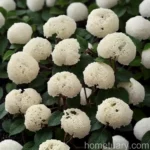
Plant Scientist’s Guide to Viburnum x Burkwoodii (Burkwood Viburnum)
As a plant scientist and enthusiast, I am delighted to share with you my expertise on one of the most captivating and versatile ornamental plants – Viburnum x Burkwoodii, also known as Burkwood Viburnum. This article aims to explore the fascinating world of Burkwood Viburnum, covering its cultivation, uses, care, and much more. Whether you are a gardening aficionado, a landscaping professional, or simply intrigued by the beauty of nature, this comprehensive guide will provide you with valuable insights into the world of Viburnum x Burkwoodii.
What is Viburnum x Burkwoodii (Burkwood Viburnum)?
Viburnum x Burkwoodii is a hybrid shrub that belongs to the Adoxaceae family. This remarkable plant is a result of crossing Viburnum carlesii and Viburnum utile, combining the desirable traits of both parent species. Renowned for its exceptional ornamental features, Burkwood Viburnum has become a popular choice for gardens, landscapes, and various ornamental plantings.
Key Takeaways – Viburnum x Burkwoodii (Burkwood Viburnum)
Before delving into the specifics of cultivation and care, let’s take a moment to highlight the key takeaways about Viburnum x Burkwoodii:
- Scientific Name: Viburnum x Burkwoodii
- Common Name: Burkwood Viburnum
- Family: Adoxaceae
- Plant Type: Deciduous shrub
- Notable Features: Fragrant flowers, attractive foliage, ornamental berries
- Uses: Ornamental plantings, hedges, borders
- Hardiness Zone: 4-8
- Mature Height: 6-8 feet
- Mature Width: 6-8 feet
- Growth Rate: Moderate
- Flowering Season: Spring
- Foliage: Deciduous, ovate to elliptic, dark green
- Fruit: Berries, ranging from red to black
- Fragrance: Sweet and pleasant
Now that we have a brief overview of Burkwood Viburnum, let’s explore the intricacies of its cultivation and care to help you unleash the full potential of this captivating plant.
Culture
Cultivating Viburnum x Burkwoodii successfully involves understanding its cultural requirements, including soil, sunlight, water, and fertilizer preferences. By catering to these needs adeptly, you can ensure robust growth, abundant flowering, and overall vigor of the plant. Let’s delve into each aspect of the plant’s culture in detail.
Uses
Before delving into the specifics of cultivation and care, let’s take a moment to highlight the key takeaways about Viburnum x Burkwoodii:
-
Ornamental Plantings: Viburnum x Burkwoodii is primarily utilized for its ornamental value. It serves as an excellent choice for adding aesthetic appeal to gardens, landscapes, and various ornamental plantings. The fragrant flowers, attractive foliage, and ornamental berries make it a versatile and visually appealing addition to any setting.
-
Hedges and Borders: Due to its moderate height and dense growth habit, Burkwood Viburnum is often employed in hedges and borders. Its compact nature, coupled with the visual interest provided by its flowers and foliage, makes it an excellent choice for defining boundaries and creating visually appealing divisions in outdoor spaces.
Water
Watering is a crucial aspect of Burkwood Viburnum care, especially during its establishment phase and in periods of prolonged drought. Providing adequate moisture is essential for promoting healthy growth and ensuring the plant’s resilience against environmental stressors.
-
Establishment Phase: During the initial phase after planting, Viburnum x Burkwoodii requires regular and consistent watering. Maintain moist, but not waterlogged, soil to facilitate root establishment and early growth.
-
Established Plants: Once established, Burkwood Viburnum displays moderate drought tolerance. However, during dry spells, it is advisable to provide supplemental watering to prevent excessive stress and maintain overall vigor.
-
Watering Technique: When irrigating Burkwood Viburnum, it is essential to water deeply, ensuring that the moisture reaches the root zone. Infrequent but thorough watering is generally preferred over frequent shallow watering. Applying a layer of organic mulch around the base of the plant can help conserve soil moisture and reduce water evaporation.
-
Signs of Overwatering: While adequate moisture is crucial, overwatering should be avoided as it can lead to root rot and other detrimental conditions. Signs of overwatering include waterlogged soil, wilting despite moist conditions, and yellowing or browning of leaves.
Sunlight
The sunlight requirements of Viburnum x Burkwoodii are integral to its performance and overall well-being. Proper sunlight exposure ensures robust growth, abundant flowering, and the development of healthy foliage.
-
Optimal Sunlight: Burkwood Viburnum thrives in locations with full to partial sunlight. Providing at least 6 hours of direct sunlight daily is generally recommended to promote vigorous growth and prolific flowering.
-
Tolerant of Partial Shade: While it prefers ample sunlight, Viburnum x Burkwoodii can also tolerate partial shade, particularly in regions with intense afternoon sun or during exceptionally hot periods. In such cases, providing partial shade during the hottest part of the day can prevent stress and sunscald on the foliage.
-
Sunburn Protection: In areas characterized by intense sunlight and high temperatures, providing adequate protection against sunburn is crucial. This can be achieved through strategic placement of the plant, utilizing shading techniques, or employing temporary covers during periods of extreme heat.
Fertilizer
Appropriate fertilization plays a vital role in supporting the growth, flowering, and overall vitality of Viburnum x Burkwoodii. By supplying the necessary nutrients, you can promote lush foliage, abundant blooms, and the development of vibrant berries.
-
Timing and Frequency: Fertilize Burkwood Viburnum in early spring, before the onset of new growth, using a balanced, slow-release fertilizer. Avoid excessive nitrogen application, as this can promote lush growth at the expense of flowering.
-
Application Method: Apply the fertilizer evenly around the base of the plant, following the manufacturer’s recommendations regarding dosage and application techniques. Water the area thoroughly after application to facilitate the uptake of nutrients by the roots.
-
Organic Amendments: Incorporating organic amendments, such as compost or well-aged manure, into the soil around Burkwood Viburnum can enhance soil fertility and provide a steady supply of nutrients over time. Organic matter also improves soil structure and moisture retention.
-
Foliar Feeding: In addition to soil application, foliar feeding with a water-soluble fertilizer can provide a quick nutrient boost, particularly during periods of rapid growth or in response to signs of nutrient deficiencies. Take care to avoid foliar applications during the heat of the day to prevent leaf burn.
Soil
The soil composition and quality significantly influence the growth, flowering, and overall health of Viburnum x Burkwoodii. Understanding the preferred soil characteristics and making suitable amendments can create an optimal growing environment for the plant.
-
Well-Drained Soil: Burkwood Viburnum thrives in well-drained soil that allows excess moisture to percolate away from the root zone. Avoid waterlogged or compacted soil, as these conditions can lead to root suffocation and other detrimental effects.
-
Soil pH: The ideal soil pH for Viburnum x Burkwoodii generally ranges from slightly acidic to slightly alkaline, approximately 6.0 to 7.5. Conduct a soil test to assess the pH of the planting site and make adjustments as necessary to create an environment conducive to the plant’s growth.
-
Soil Amendments: Incorporating organic matter, such as compost, peat moss, or well-rotted manure, can improve soil structure, fertility, and moisture retention. In heavy clay soils, amendments can facilitate better drainage, while in sandy soils, they enhance water and nutrient retention.
-
Mulching Benefits: Applying a layer of organic mulch around the base of Burkwood Viburnum provides numerous benefits, including moisture conservation, weed suppression, and gradual enrichment of the soil as the mulch decomposes. Use organic materials, such as wood chips, shredded bark, or leaf litter, as mulching agents.
Pruning
Pruning is an essential aspect of Burkwood Viburnum care, enabling you to shape the plant, remove dead or damaged growth, and promote flowering and overall vigor. Understanding the principles of pruning and following appropriate techniques is key to ensuring the plant’s continued health and visual appeal.
-
Pruning Time: The best time to prune Viburnum x Burkwoodii is after the flowering period, typically in late spring or early summer. This timing allows you to remove spent flowers, shape the plant, and conduct maintenance without interfering with the next season’s bloom.
-
Deadheading: Removing faded flowers immediately after the flowering period not only enhances the plant’s appearance but also prevents the formation of seeds, redirecting the plant’s energy towards vegetative growth and bud development for the following year.
-
Selective Pruning: Use sharp and clean pruning tools to selectively remove dead, damaged, or crossing branches. Additionally, thin out congested growth to improve air circulation and light penetration, which can help prevent disease and promote overall plant health.
-
Size Management: Burkwood Viburnum can be pruned to maintain a compact form or to encourage a more natural, relaxed habit, depending on the desired aesthetic and functional requirements. When shaping the plant, maintain its natural growth habit and avoid drastic or excessive pruning, which can lead to stress and reduced vigor.
-
Rejuvenation Pruning: In instances where the plant has become overgrown, sparse, or otherwise unsightly, rejuvenation pruning can be performed in late winter or early spring to revitalize the plant. However, be prepared for a temporary loss of flowering as the plant recovers from the rejuvenation process.
Propagation
Propagation of Viburnum x Burkwoodii offers enthusiasts and horticultural professionals the opportunity to multiply their plant stock and preserve exceptional cultivars. By employing reliable propagation methods, you can create new plants with the desirable traits and characteristics of the parent plant.
-
Propagative Techniques: Burkwood Viburnum can be propagated through several methods, including softwood cuttings, hardwood cuttings, semi-hardwood cuttings, and division. Each technique has its ideal timing and specific requirements to ensure successful rooting and establishment of new plants.
-
Selecting Plant Material: Choose healthy and disease-free branches for taking cuttings, ensuring that they are of appropriate maturity and vigor. Avoid using plant material that shows signs of stress, damage, or pest infestation.
-
Propagation Environment: Create a suitable propagation environment with consistent moisture, warmth, and high humidity to encourage root initiation and establishment. Employ a well-draining, sterile propagation medium, such as a mix of perlite and peat, to provide an optimal rooting environment.
-
Rooting Hormone: Applying a rooting hormone to the basal end of the cuttings can promote adventitious root formation and enhance the chances of successful propagation. Follow the manufacturer’s instructions regarding the concentration and application method for the rooting hormone.
-
Transplanting New Plants: Once the cuttings have developed a healthy root system, transplant them into individual pots or a designated nursery area. Provide the necessary care and maintenance to ensure the continued growth and development of the young plants until they are ready for permanent planting.
Container Popularity
Viburnum x Burkwoodii’s versatility extends to container cultivation, making it an excellent choice for individuals with limited outdoor space or those desiring portable ornamental displays. When grown in containers, Burkwood Viburnum exhibits its exceptional ornamental qualities while offering the flexibility of mobility and tailored cultural conditions.
-
Container Size: Select a container that provides ample space for root development and accommodates the mature size of Burkwood Viburnum. A large, sturdy container with adequate drainage holes is essential to ensure proper growth and prevent waterlogging.
-
Potting Medium: Utilize a well-draining potting mix designed for woody ornamentals or create a custom blend using components such as peat, perlite, compost, and coarse sand. The potting medium should facilitate adequate aeration, moisture retention, and nutrient availability.
-
Cultural Considerations: Container-grown Viburnum x Burkwoodii may require more frequent watering and fertilization than plants in the ground due to the limited soil volume and potentially faster drying conditions. Monitor the plant’s moisture levels and adjust the watering frequency based on environmental factors and seasonal changes.
-
Overwintering Preparation: In regions where winter temperatures are severe, provide protection for container-grown Burkwood Viburnum by insulating the container, relocating it to a sheltered area, or employing other winterizing techniques. This helps safeguard the plant from cold damage and ensure its survival during the dormant season.
-
Versatile Display: Container-grown Burkwood Viburnum can be featured on patios, balconies, and other outdoor living spaces, adding a touch of natural beauty and fragrance to the surroundings. It also allows for ease of relocation, enabling the plant to be moved to different locations based on aesthetic preferences or seasonal requirements.
Common Diseases
Despite its overall resilience, Viburnum x Burkwoodii is susceptible to certain diseases that can impact its health and appearance. Familiarizing yourself with common diseases and their management strategies is essential for maintaining the plant’s vitality and preventing extensive damage.
Powdery Mildew (Erysiphe spp.): Powdery mildew is a fungal disease characterized by the development of white, powdery growth on the surfaces of leaves, stems, and sometimes flowers. It thrives in conditions of high humidity and limited air circulation, often manifesting during periods of warm, dry weather.
-
Preventive Measures: To minimize the risk of powdery mildew, ensure proper spacing between plants to promote air circulation, avoid overhead watering, and maintain optimal growing conditions, including moderate humidity levels and adequate sunlight exposure.
-
Treatment Options: If powdery mildew is detected, consider applying fungicidal treatments specifically formulated for powdery mildew control. Additionally, prune and dispose of affected plant parts to prevent the spread of the disease and promote new, healthy growth.
Leaf Spot (Didymellina spp. or Phoma spp.): Leaf spot diseases cause the formation of dark, irregular lesions on the leaves of Viburnum x Burkwoodii, often accompanied by premature leaf drop and reduced overall vigor. These diseases thrive in humid environments and can spread rapidly under favorable conditions.
-
Cultural Practices: Maintain a clean and hygienic growing environment by removing and disposing of fallen leaves and plant debris promptly. This reduces the presence of disease sources and limits the spread of leaf spot pathogens.
-
Fungicidal Application: If leaf spot diseases become prevalent, consider applying targeted fungicidal treatments to mitigate the impact and prevent further progression. Follow the recommended application rates and timing for optimal disease control.
Anthracnose (Colletotrichum spp. or Discula spp.): Anthracnose is a fungal disease that causes dark, sunken lesions on leaves and can lead to defoliation and overall decline of affected plants. It thrives in damp environments and can spread rapidly during periods of persistent moisture.
-
Pruning Hygiene: Prune out and dispose of infected branches and foliage to reduce the presence of anthracnose and minimize its impact on Burkwood Viburnum. This helps promote new growth and limits the spread of the disease to healthy plant parts.
-
Cultural Management: Implement cultural practices that promote optimal growing conditions, including maintaining proper air circulation, reducing excess moisture, and providing regular inspections to detect and address early signs of anthracnose infestation.
Disease Diagnosis
Diagnosing and identifying diseases in Viburnum x Burkwoodii is essential for implementing effective management strategies and preserving the plant’s health and ornamental value. By recognizing common symptoms and understanding the causal agents, you can take proactive measures to mitigate disease impact and prevent recurrence.
Symptoms of Disease: Common symptoms of diseases in Burkwood Viburnum include the formation of lesions or spots on the leaves, wilting, discoloration, premature leaf drop, abnormal growth patterns, and a general decline in overall vigor. Pay close attention to any changes in the plant’s appearance and behavior, as these can serve as indicators of underlying health issues.
Pathogen Identification: Upon observing symptoms indicative of disease, it is important to accurately identify the causal agent responsible for the observed issues. This may involve consulting with plant health professionals, utilizing diagnostic resources, or submitting samples to diagnostic laboratories for expert analysis.
Integrated Approach: Implement an integrated approach to disease management, encompassing cultural practices, sanitation, targeted treatments, and, where appropriate, biological controls. By integrating multiple strategies, you can address disease issues comprehensively and reduce reliance on singular management methods.
Common Pests
Viburnum x Burkwoodii is generally resilient to pest infestations, but certain insect pests may occasionally pose challenges to its maintenance and overall health. Understanding the common pests, their feeding habits, and damage symptoms equips you to detect and address pest issues promptly and effectively.
Aphids (Aphidoidea): Aphids are small, soft-bodied insects that congregate on the undersides of leaves and feed on plant sap, causing distortion, yellowing, and premature dropping of affected foliage. They reproduce rapidly, particularly in favorable weather conditions and on tender new growth.
-
Physical Removal: Use a strong stream of water to dislodge aphids from the foliage, effectively reducing their numbers and minimizing feeding damage. Repeat this approach as necessary to maintain pest populations at manageable levels.
-
Horticultural Oils and Insecticidal Soaps: Implement the application of horticultural oils or insecticidal soaps, which target aphids and other soft-bodied insects, effectively suppressing their populations while minimizing impact on beneficial organisms.
Scale Insects (Coccoidea): Scale insects are notable for their protective, waxy coverings and sedentary feeding behavior. They attach themselves to stems and leaves, extracting plant sap and causing yellowing, wilting, and stunted growth. Several species of scale insects may target Burkwood Viburnum.
-
Physical Removal: Scrubbing scale insects from the plant with a soft brush or cloth soaked in soapy water can help remove their protective coverings and expose them to natural predators or further treatments.
-
Targeted Treatments: Apply targeted insecticidal treatments formulated to control scale insects effectively while minimizing adverse effects on beneficial insects and the surrounding environment.
Spider Mites (Tetranychidae): Spider mites are tiny arachnids that infest plants, puncture leaf cells, and extract their contents, leading to stippling, discoloration, and damage to the foliage. These pests thrive in dry, dusty conditions and can reproduce rapidly under suitable environmental conditions.
-
Maintain Moisture Levels: Create a favorable growing environment for Burkwood Viburnum by ensuring adequate humidity and moisture, which discourages spider mite infestations and promotes healthy, vibrant foliage.
-
Predatory Mites: Introduce predatory mites, which are natural enemies of spider mites, to the plant as a biological control measure. These beneficial organisms help manage pest populations and prevent excessive feeding damage.
By remaining vigilant and observant, you can detect and address potential pest issues early, minimizing their impact and preserving the health and appearance of Viburnum x Burkwoodii.