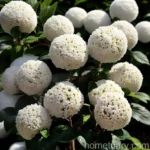
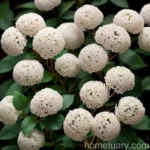
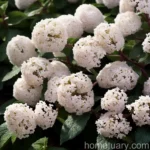
Viburnum lantana ‘Aureum’ (Wayfaring Tree) – A Detailed Plant Guide
Viburnum lantana ‘Aureum’, commonly known as the Wayfaring Tree, is a stunning deciduous shrub that belongs to the Adoxaceae family. It is highly appreciated for its vibrant foliage, attractive appearance, and versatility. In this comprehensive guide, we will delve into the details of Viburnum lantana ‘Aureum’, exploring its cultural requirements, uses, maintenance, and interesting facts. Whether you are a gardener, horticulturist, or a plant enthusiast, this article is designed to provide you with a thorough understanding of this wonderful plant.
What is Viburnum lantana ‘Aureum’ (Wayfaring Tree)?
Viburnum lantana ‘Aureum’, also known as the Wayfaring Tree, is a deciduous shrub with a rounded, spreading habit. It typically reaches a height of 8-12 feet and a spread of 10-15 feet. Originating from Southern Europe and Southwest Asia, this plant boasts several attractive features, making it a popular choice for landscapes and gardens.
Key Takeaways – Viburnum lantana ‘Aureum’ (Wayfaring Tree)
Before we delve deeper into the specific aspects of Viburnum lantana ‘Aureum’, let’s highlight some key takeaways from our discussion:
- Botanical Name: Viburnum lantana ‘Aureum’
- Common Name: Wayfaring Tree
- Family: Adoxaceae
- Type: Deciduous shrub
- Native Range: Southern Europe, Southwest Asia
- Height: 8-12 feet
- Spread: 10-15 feet
Now, let’s explore the various aspects of Viburnum lantana ‘Aureum’ in detail, including its cultural requirements, uses, maintenance practices, and interesting facts.
Culture
The cultural requirements of Viburnum lantana ‘Aureum’ play a crucial role in its overall health and growth. Understanding its preferences for water, sunlight, fertilizer, soil, and pruning is essential for cultivating this plant successfully.
Uses
Viburnum lantana ‘Aureum’ offers versatile uses in landscapes and gardens. Its ornamental features and adaptability make it suitable for various applications, including:
- Hedging: The dense and spreading nature of Viburnum lantana ‘Aureum’ makes it an excellent choice for creating attractive and effective hedges.
- Specimen Plant: As a standalone plant, it can serve as a striking focal point in the landscape, showcasing its vibrant foliage and appealing form.
- Mixed Borders: It can be incorporated into mixed borders or shrub beds, adding visual interest and diversity to the planting scheme.
- Wildlife Gardens: The Wayfaring Tree attracts birds and other wildlife, contributing to the biodiversity of garden spaces.
Water
Understanding the watering needs of Viburnum lantana ‘Aureum’ is crucial for maintaining its vigor and health. While it can tolerate short periods of drought once established, consistent and adequate moisture is essential, particularly during its early establishment phase and prolonged dry spells.
Sunlight
Viburnum lantana ‘Aureum’ thrives in a location that receives full sun to partial shade. Adequate sunlight is essential for promoting healthy growth and vibrant foliage. Ensure that the plant receives at least 6 hours of direct sunlight daily for optimal performance.
Fertilizer
When it comes to fertilization, Viburnum lantana ‘Aureum’ benefits from a balanced, slow-release fertilizer application in early spring. A fertilizer with a formulation such as 10-10-10 or 20-20-20 can provide the essential nutrients required for robust growth and development.
Soil
The Wayfaring Tree prefers well-draining, fertile soil for optimal growth. It can adapt to various soil types, including loamy, sandy, or clay soils, as long as they offer good drainage. Amending the soil with organic matter, such as compost, can enhance its quality and structure, promoting favorable growing conditions for the plant.
Pruning
Regular pruning is beneficial for maintaining the shape, size, and health of Viburnum lantana ‘Aureum’. Pruning can be conducted in late winter or early spring to remove any dead, damaged, or overgrown branches. Additionally, selective pruning can help promote a more compact and bushy growth habit.
Propagation
Viburnum lantana ‘Aureum’ can be propagated through various methods, including:
- Softwood Cuttings: Softwood cuttings taken in late spring or early summer can be rooted to propagate new plants.
- Hardwood Cuttings: Hardwood cuttings collected in late autumn or early winter can also be used for propagation purposes.
- Seed Propagation: Although viable seeds can be collected from the plant, propagation through seeds may not produce true-to-type offspring and is thus less common.
Container Popularity
While Viburnum lantana ‘Aureum’ is well-suited for growing in the ground, it can also be cultivated in containers, making it a popular choice for patio and urban gardens. When grown in containers, it is essential to ensure adequate drainage and select a container large enough to accommodate the plant’s mature size.
Container Cultivation
When growing Viburnum lantana ‘Aureum’ in containers, several key factors should be considered:
- Container Size: Select a container that provides ample space for the plant’s root system to develop and expand. A large, sturdy container can support the growth of the Wayfaring Tree effectively.
- Drainage: Ensure that the container has proper drainage holes to prevent waterlogging, which can be detrimental to the plant’s health.
- Growing Medium: Use a well-draining potting mix formulated for shrubs and trees. Consider adding amendments such as perlite or coarse sand to improve drainage.
- Watering: Container-grown plants may require more frequent watering, particularly during hot and dry periods. Monitor the moisture levels in the growing medium and adjust your watering schedule accordingly.
- Fertilization: Apply a balanced, slow-release fertilizer as per the plant’s requirements, taking into account the limited nutrient availability in containerized environments.
Common Diseases
Viburnum lantana ‘Aureum’ is generally resistant to most plant diseases. However, it can occasionally be affected by certain fungal, viral, or bacterial pathogens. Common diseases that may affect the Wayfaring Tree include:
- Powdery Mildew: A fungal disease that can cause a powdery white coating on the leaves and stems.
- Leaf Spot: Various fungal pathogens can lead to the development of dark, irregular spots on the foliage.
- Canker Diseases: Canker-causing pathogens can result in sunken lesions on the branches, leading to dieback and decline.
Disease Diagnosis
When faced with signs of disease on Viburnum lantana ‘Aureum’, it is crucial to accurately diagnose the issue to implement effective management strategies. Proper disease diagnosis involves:
- Symptom Identification: Carefully observe the plant for any abnormal symptoms, including changes in leaf color, texture, or overall health.
- Pathogen Identification: Determine the likely causative agent by examining the characteristic signs and symptoms of common plant diseases that affect Viburnum species.
- Laboratory Analysis: In some cases, sending samples to a diagnostic laboratory can provide a precise identification of the pathogen and aid in developing targeted treatment plans.
Common Pests
While Viburnum lantana ‘Aureum’ is relatively resistant to pest infestations, it may occasionally encounter certain insect pests. Common pests that may affect the Wayfaring Tree include:
- Aphids: Small, sap-sucking insects that can cluster on the new growth, leading to distorted foliage and excretion of honeydew.
- Scale Insects: These pests can appear as raised, waxy bumps on the stems and undersides of leaves, causing damage to the plant through feeding.
- Spider Mites: These tiny arachnids can cause stippling and webbing on the foliage, leading to reduced photosynthetic capacity.
Botanist’s Tips
As a plant scientist or botanist, here are some valuable tips for cultivating and caring for Viburnum lantana ‘Aureum’:
- Monitor Moisture Levels: Regularly assess the soil moisture levels to ensure that the plant receives adequate water without becoming waterlogged.
- Prune Wisely: When pruning the Wayfaring Tree, adopt proper pruning techniques to maintain its natural form and promote healthy growth.
- Consider Companion Plants: Integrate companion plants that complement the appearance and cultural requirements of Viburnum lantana ‘Aureum’, enhancing the overall aesthetic and ecological value of the landscape.
- Monitor for Pests and Diseases: Routinely inspect the plant for signs of pests and diseases, taking timely action to address any issues that may arise.
Fun Facts
Let’s discover some intriguing and lesser-known facts about Viburnum lantana ‘Aureum’:
- Historical Significance: In traditional medicine and folklore, various parts of Viburnum species have been used for their medicinal properties and symbolic significance.
- Seasonal Interest: The Wayfaring Tree exhibits seasonal interest, with changes in foliage color, flowering, and fruiting contributing to its visual appeal throughout the year.
- Wildlife Benefits: The plant attracts birds and beneficial insects, contributing to the overall biodiversity and ecological balance of the garden environment.
Links to External Resources
To further enhance your understanding of Viburnum lantana ‘Aureum’ and its cultivation, the following external resources offer valuable insights and information:
- Royal Horticultural Society – Viburnum lantana ‘Aureum’
- University of Florida – Viburnum lantana ‘Aureum’
- Missouri Botanical Garden – Viburnum lantana
In conclusion, Viburnum lantana ‘Aureum’ (Wayfaring Tree) is a captivating and versatile shrub that offers a myriad of ornamental and ecological benefits. By understanding its cultural requirements, uses, maintenance practices, and unique characteristics, you can successfully cultivate and appreciate the beauty of this remarkable plant in your own garden or landscape. Whether you are drawn to its vibrant foliage, wildlife-attracting properties, or historical significance, the Wayfaring Tree undoubtedly deserves a place in horticultural enthusiasts’ hearts and landscapes.