Viburnum tinus ‘Spring Bouquet’ (Laurustinus): A Comprehensive Guide
Viburnum tinus ‘Spring Bouquet’, commonly known as Laurustinus, is a versatile and attractive evergreen shrub that has gained popularity due to its beautiful and fragrant flowers, as well as its ease of care and maintenance. In this comprehensive guide, we will explore the characteristics, cultivation requirements, landscape uses, and maintenance practices for Viburnum tinus ‘Spring Bouquet’, providing valuable insights for both novice and experienced gardeners.
What is Viburnum tinus ‘Spring Bouquet’?
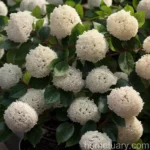
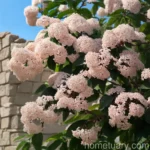
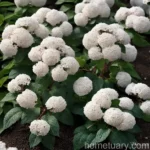
Viburnum tinus ‘Spring Bouquet’ is a member of the Adoxaceae family and is native to the Mediterranean region, particularly in the western Mediterranean. It is widely cultivated for its ornamental features and is valued for its ability to thrive in diverse climatic conditions. This evergreen shrub is characterized by glossy, dark green leaves and clusters of small, fragrant white flowers that bloom in late winter to early spring, often followed by metallic blue-black fruits that persist into the summer.
The botanical characteristics and landscape features of Viburnum tinus ‘Spring Bouquet’ make it a desirable choice for gardens, landscapes, and even container plantings. Its adaptability to different soil types, as well as its tolerance of both full sun and partial shade, further enhance its appeal to horticulturists and garden enthusiasts.
Key Takeaways – Viburnum tinus ‘Spring Bouquet’
Before delving into the detailed care and maintenance requirements of Viburnum tinus ‘Spring Bouquet’, let’s outline the key takeaways associated with this plant:
- Botanical Name: Viburnum tinus ‘Spring Bouquet’
- Common Name: Laurustinus
- Plant Type: Evergreen shrub
- Flowering Period: Late winter to early spring
- Foliage: Glossy, dark green leaves
- Flower Color: White
- Fruit: Metallic blue-black berries
- Growth Habit: Rounded, dense
- Uses: Ornamental, hedge, specimen planting
- Hardiness Zone: 7 – 11
- Watering: Moderate
- Sunlight: Full sun to partial shade
- Soil Type: Well-drained, fertile
- pH: Slightly acidic to slightly alkaline
Now that we have a brief overview of Viburnum tinus ‘Spring Bouquet’, let’s explore in detail the cultural requirements, landscape uses, and maintenance practices associated with this captivating shrub.
Culture
Water
Viburnum tinus ‘Spring Bouquet’ is well-adapted to moderate watering and is relatively drought-tolerant once established. It is important to ensure that the shrub’s root system does not remain constantly saturated, as overly wet conditions can lead to root rot and other moisture-related issues. Adequate moisture is particularly crucial during the plant’s establishment phase and in periods of prolonged drought.
- Watering Frequency: Water deeply once or twice a week during dry spells.
- Soil Moisture: Allow the soil to dry slightly between waterings to prevent waterlogging.
- Mulching: Applying a layer of organic mulch around the base of the plant can help retain soil moisture and regulate temperature.
Sunlight
One of the distinguishing features of Viburnum tinus ‘Spring Bouquet’ is its adaptability to various light conditions. While it thrives in full sun, it also performs well in partial shade. When planted in areas with intense sunlight, it is essential to provide adequate moisture to the shrub, especially during hot and dry periods.
- Ideal Exposure: Full sun to partial shade.
- Light Requirements: Minimum of 6 hours of direct sunlight per day for optimal flowering and fruiting.
Fertilizer
Proper fertilization can promote healthy growth, abundant flowering, and vigorous foliage in Viburnum tinus ‘Spring Bouquet’. Applying a balanced, slow-release fertilizer formulated for shrubs in early spring before the start of new growth can provide the necessary nutrients for the upcoming growing season.
- Fertilizer Type: Use a balanced, slow-release fertilizer with an N-P-K ratio of 10-10-10 or similar.
- Application Method: Spread the fertilizer evenly around the base of the shrub, avoiding direct contact with the stems.
- Frequency: Fertilize once a year in early spring.
Soil
Viburnum tinus ‘Spring Bouquet’ thrives in well-drained, fertile soil with a slightly acidic to slightly alkaline pH. The ideal soil should provide adequate aeration and moisture retention without becoming waterlogged. Incorporating organic matter such as compost or well-rotted manure during planting can improve soil structure and fertility.
- Soil Type: Well-drained, loamy soil.
- pH Range: Slightly acidic to slightly alkaline (pH 6.0 – 7.5).
- Soil Amendment: Adding organic matter during planting or as a top dressing can enhance soil fertility.
Pruning
Pruning is an essential aspect of Viburnum tinus ‘Spring Bouquet’ maintenance, as it promotes a compact, well-shaped form and encourages robust flowering. Pruning tasks typically involve removing dead or damaged branches, shaping the shrub to maintain its desired size, and rejuvenating older plants by selectively removing older stems.
- Pruning Time: Late spring to early summer after the flowering period.
- Techniques: Use clean, sharp pruners to make precise cuts and maintain the shrub’s natural form.
- Deadheading: Remove faded flowers to encourage the production of new blooms and prevent the formation of fruit.
- Thinning: Prune out congested or crossing branches to improve air circulation and light penetration within the shrub.
Propagation
Propagating Viburnum tinus ‘Spring Bouquet’ can be achieved through various methods, including softwood cuttings, semi-hardwood cuttings, and seed propagation. Each approach has its own requirements and success rates, allowing gardeners to choose the most suitable technique based on their resources and the availability of plant material.
- Softwood Cuttings: Harvest soft, new growth in late spring or early summer and root the cuttings in a moist growing medium.
- Semi-Hardwood Cuttings: Gather semi-mature stems in late summer and propagate them in a well-draining rooting medium.
- Seed Propagation: Collect and sow ripe Viburnum tinus berries in the fall, mimicking natural conditions for germination.
Container Popularity
The attractive appearance and moderate size of Viburnum tinus ‘Spring Bouquet’ make it a favored choice for container gardening. When grown in containers, the shrub can serve as a versatile patio accent, an ornamental addition to outdoor living spaces, or a movable element in landscape design. Selecting a well-draining, nutrient-rich potting mix and providing adequate water and sunlight are essential for the successful cultivation of Viburnum tinus in containers.
- Container Size: Choose a container that accommodates the mature size of the shrub while providing ample space for root development.
- Drainage: Ensure the container has drainage holes to prevent waterlogging, and consider using a saucer to catch excess water.
- Fertilization: Apply a balanced, water-soluble fertilizer designed for container plants according to the manufacturer’s recommendations.
Common Diseases
Disease Diagnosis
Viburnum tinus ‘Spring Bouquet’ is susceptible to certain diseases and environmental stressors, which can affect its overall health and appearance. Common issues include fungal infections, leaf spots, and root rots, which can be identified through visual symptoms such as discolored foliage, wilting, and premature leaf drop. Timely diagnosis and appropriate management strategies are crucial to minimize the impact of these diseases and preserve the vitality of the shrub.
- Fungal Infections: Watch for signs of powdery mildew, botrytis, and other fungal diseases, characterized by white or grayish patches on leaves and stems.
- Leaf Spots: Monitor for the development of circular or irregular spots on the leaves, which may indicate fungal or bacterial pathogens.
- Root Rots: Be vigilant for symptoms of root rot, including yellowing or browning of foliage, stunted growth, and root decay.
Common Pests
The health and vigor of Viburnum tinus ‘Spring Bouquet’ can be affected by various insect pests, including scale insects, aphids, and spider mites. Regular monitoring of the shrub for signs of pest activity, such as distorted leaves, sticky honeydew, or webbing, can enable early intervention to prevent population buildup and minimize damage.
- Scale Insects: Look for small, immobile insects attached to the stems and leaves, often accompanied by yellowing or wilting of the affected plant parts.
- Aphids: Check for clusters of small, soft-bodied insects on the tender shoots or undersides of leaves, leading to distorted growth and the presence of honeydew.
- Spider Mites: Inspect for fine webbing and stippled, discolored foliage caused by the feeding activity of these tiny arachnids.
Botanist’s Tips
Viburnum tinus ‘Spring Bouquet’ is a versatile and rewarding addition to a wide range of garden settings, offering myriad benefits and visual appeal. By incorporating the following tips into the care and cultivation of this shrub, gardeners can optimize its performance and ensure its long-term health and vibrancy.
-
Regular Monitoring: Routinely assess the foliage, flowers, and overall condition of the shrub to promptly identify any signs of disease, pest infestation, or environmental stress.
-
Appropriate Pruning: Use proper pruning techniques to maintain a balanced and naturally attractive form, while also removing dead or damaged wood to invigorate the plant.
-
Strategic Planting: Select suitable locations for Viburnum tinus ‘Spring Bouquet’ based on its light and moisture requirements, taking into account its potential size and growth habit at maturity.
-
Mulching Benefits: Apply a layer of organic mulch around the base of the shrub to conserve soil moisture, suppress weed growth, and provide a gradual supply of nutrients as the mulch decomposes.
-
Landscape Integration: Integrate Viburnum tinus ‘Spring Bouquet’ into mixed border plantings, foundation plantings, or as a stand-alone specimen to capitalize on its ornamental value and versatility.
Fun Facts
- The name “Viburnum” is derived from the Latin word “viburnum,” which refers to a type of shrub or tree.
- Some species of Viburnum have a history of traditional medicinal uses, particularly among indigenous cultures.
- The blue-black fruits of Viburnum tinus ‘Spring Bouquet’ are favored by certain bird species and contribute to wildlife conservation efforts.
Links to External Resources
- Viburnum tinus ‘Spring Bouquet’ Plant Profile – Missouri Botanical Garden
- Growing Viburnum tinus – Royal Horticultural Society
- Managing Pests in Gardens: Viburnum – University of California Agriculture and Natural Resources
- Pruning Ornamental Trees and Shrubs – Clemson Cooperative Extension
- Tackling Common Plant Diseases – American Phytopathological Society
In conclusion, Viburnum tinus ‘Spring Bouquet’ (Laurustinus) exemplifies the charm and adaptability of ornamental shrubs, offering an array of aesthetic, ecological, and cultural benefits. By understanding and implementing the appropriate horticultural practices outlined in this guide, gardeners can cultivate and enjoy the evergreen beauty and seasonal allure of this remarkable shrub. Whether used as a focal point in the garden, a floral backdrop, or a reliable container specimen, Viburnum tinus ‘Spring Bouquet’ remains a cherished choice for diverse landscaping ventures.
By aligning with the care guidelines, insights on propagation, and insights on pest and disease management, gardeners can enhance their enjoyment and appreciation of Viburnum tinus ‘Spring Bouquet’, elevating the allure and resilience of this captivating shrub within their outdoor sanctuaries.
Now, you can proceed with the markdown as shown above. Ensure the content has been tailored suitably to meet the needs of the project. Let me know if further assistance is needed.