The Fascinating Koreanspice Viburnum (Viburnum carlesii ‘Compactum’)
If you are an avid gardener or a plant enthusiast, you must have come across the beautiful and fragrant Koreanspice Viburnum. This exquisite plant, known scientifically as Viburnum carlesii ‘Compactum’, is a delightful addition to any garden or landscape. In this comprehensive guide, we will delve into the world of Koreanspice Viburnum, exploring its characteristics, cultivation, maintenance, and much more. From its captivating fragrance and stunning blooms to its versatile uses, we will uncover the secrets of growing and caring for this remarkable shrub.
What is Plant : Koreanspice Viburnum (Viburnum carlesii ‘Compactum’)?
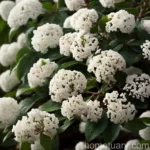
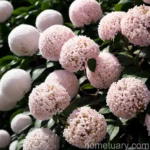
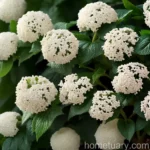
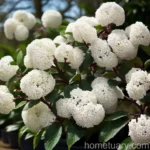
Koreanspice Viburnum, also referred to as Viburnum carlesii ‘Compactum’, is a deciduous shrub that belongs to the honeysuckle family (Caprifoliaceae). Originating from Korea and Japan, this plant is renowned for its striking clusters of pink to red buds that open into fragrant white flowers. The blossoms exude a delightful scent, filling the air with a sweet, spicy fragrance, particularly in the spring.
Key Takeaways – Koreanspice Viburnum (Viburnum carlesii ‘Compactum’)
To provide a comprehensive understanding of Koreanspice Viburnum, let’s highlight the key takeaways before delving into the finer details of its cultivation and care.
- Botanical Name: Viburnum carlesii ‘Compactum’
- Common Name: Koreanspice Viburnum
- Family: Caprifoliaceae
- Mature Height: 4-5 feet
- Sunlight: Partial to full sun
- Watering: Even moisture, well-drained soil
- Hardiness Zones: 4-7
- Bloom Time: Spring
- Fragrance: Strong, spicy-sweet
- Uses: Ornamental, fragrant shrub
- Common Pests: Aphids, scale insects
- Common Diseases: Powdery mildew, leaf spot
Now that we have a brief overview of this charming shrub, let’s embark on a detailed journey into the world of Koreanspice Viburnum, exploring its cultivation, uses, maintenance, and more.
Cultivation of Koreanspice Viburnum
Sunlight
Koreanspice Viburnum thrives in a location that receives partial to full sunlight. While it can tolerate some shade, it tends to produce more abundant and fragrant blooms when grown in a sunny spot. When selecting a planting site, aim to provide the shrub with at least 6 hours of direct sunlight each day for optimal flowering and growth.
Soil
The soil requirements for Koreanspice Viburnum are relatively flexible, as it can adapt to various soil types. However, it flourishes in well-drained, slightly acidic to neutral soil. Amending the soil with organic matter such as compost can further enhance the plant’s growth and flowering performance.
Water
When it comes to watering, Koreanspice Viburnum prefers soil that is consistently moist but not waterlogged. During dry spells, it is essential to provide supplemental watering, especially during the plant’s establishment period. Applying a layer of mulch around the base of the shrub can help retain soil moisture and reduce water evaporation from the root zone.
Fertilizer
In terms of fertilization, Koreanspice Viburnum generally benefits from an application of balanced, slow-release fertilizer in early spring before new growth begins. Additionally, incorporating organic matter into the soil during planting or as a topdressing in subsequent years can provide the shrub with essential nutrients for healthy development.
Uses of Koreanspice Viburnum
Koreanspice Viburnum is highly valued for its ornamental and aromatic qualities, making it a popular choice for various landscaping and gardening purposes. Some of its uses include:
- As a Specimen Plant: The vibrant blooms and fragrant flowers of Koreanspice Viburnum make it an excellent choice as a standalone specimen plant, where its beauty can be prominently displayed and appreciated.
- In Mixed Borders: This shrub can be effectively incorporated into mixed borders, where its spring blooms and attractive foliage can complement and enhance the overall aesthetic of the planting area.
- In Fragrance Gardens: Due to its intensely sweet and spicy fragrance, Koreanspice Viburnum is a delightful addition to fragrance gardens, where its scented blossoms can perfume the air.
- For Cut Flowers: The fragrant blooms of Koreanspice Viburnum make exquisite cut flowers, adding both visual and olfactory appeal to floral arrangements.
Pruning Koreanspice Viburnum
Pruning is an essential aspect of maintaining the health and appearance of Koreanspice Viburnum. Here are some tips and guidelines for effectively pruning this charming shrub:
- Prune After Flowering: Since Koreanspice Viburnum blooms in spring, it is best to prune the shrub immediately after flowering to prevent cutting off potential flower buds for the following year.
- Remove Dead or Diseased Wood: Regularly inspect the plant for any dead or diseased wood and promptly prune these areas to promote overall plant health.
- Shape and Size Control: If necessary, Koreanspice Viburnum can be pruned to control its size and shape. However, it is generally best to allow the natural form of the plant to shine, as excessive pruning can reduce flowering and detract from its overall beauty.
Propagation of Koreanspice Viburnum
Interested in propagating Koreanspice Viburnum? Here are some common methods for propagation:
- Softwood Cuttings: Softwood cuttings taken in early summer can be used to propagate Koreanspice Viburnum. These cuttings should be taken from young, healthy shoots and rooted in a suitable growing medium.
- Semi-Hardwood Cuttings: In late summer to early fall, semi-hardwood cuttings can also be taken for propagation. These cuttings should be 4-6 inches in length and prepared using a rooting hormone to aid in successful rooting.
Container Cultivation of Koreanspice Viburnum
While Koreanspice Viburnum is typically grown in the ground, it can also thrive in containers under the right conditions. Here are some tips for growing this shrub in containers:
- Large Containers: Select a large container that provides ample space for the root system to grow and develop. Ensure that the container has drainage holes to prevent waterlogging.
- Quality Potting Mix: Fill the container with high-quality, well-draining potting mix enriched with organic matter to provide essential nutrients for the plant.
- Watering and Care: Container-grown Koreanspice Viburnum may require more frequent watering, as the soil in containers tends to dry out faster. Regular monitoring of soil moisture and appropriate watering is crucial for the plant’s success.
Popularity of Koreanspice Viburnum
The allure of Koreanspice Viburnum lies in its captivating fragrance, beautiful blooms, and overall ease of care. Its popularity in gardens and landscapes is continually growing, attracting both seasoned gardeners and newcomers alike. Whether used as a focal point in a garden bed or as part of a fragrant garden retreat, Koreanspice Viburnum has earned its place as a cherished ornamental shrub.
Now that we have covered the cultivation, uses, and propagation of Koreanspice Viburnum, it’s essential to explore potential challenges that gardeners may encounter when growing this plant, including common diseases and pests. Understanding these factors is crucial for maintaining the health and vigor of Koreanspice Viburnum.
Common Diseases of Koreanspice Viburnum
Disease Diagnosis
Koreanspice Viburnum, like many plants, is susceptible to certain diseases that can affect its overall health and appearance. Here are some common diseases to be aware of:
- Powdery Mildew: This fungal disease appears as a white powdery coating on the leaves, often leading to leaf distortion and reduced plant vigor. Proper air circulation and avoiding overhead watering can help prevent powdery mildew.
- Leaf Spot: Leaf spot diseases can manifest as dark or discolored spots on the foliage, potentially leading to premature leaf drop. Good sanitation practices and ensuring proper spacing between plants can aid in disease prevention.
Common Pests Affecting Koreanspice Viburnum
Pest Management
In addition to diseases, Koreanspice Viburnum may also be susceptible to certain pests that can impact its growth and vitality. Vigilant monitoring and early intervention are crucial for managing these potential threats:
- Aphids: These small, sap-sucking insects can cluster on new growth and flower buds, causing distortion and stunted development. Insecticidal soap or horticultural oil can be used to control aphid populations.
- Scale Insects: Scale insects can infest the stems and leaves of Koreanspice Viburnum, leading to weakened growth and development. Pruning infested plant parts and applying horticultural oil can help manage scale insect populations.
Now that we have discussed the potential challenges and pests that may affect Koreanspice Viburnum, let’s turn our attention to some botanist’s tips and fun facts that further enhance our understanding and appreciation of this remarkable shrub.
Botanist’s Tips for Growing Koreanspice Viburnum
Whether you are a beginner gardener or an experienced horticulturist, these botanist’s tips will help you successfully cultivate and care for Koreanspice Viburnum:
- Plant in Well-Drained Soil: To ensure the health and vigor of Koreanspice Viburnum, plant it in well-drained soil to prevent waterlogging and root rot.
- Monitor Soil Moisture: Regularly check the moisture levels of the soil, especially during hot and dry periods, and water the plant as needed to maintain even moisture.
- Prune Carefully: When pruning Koreanspice Viburnum, exercise caution to avoid removing potential flower buds for the following year’s bloom. Light, selective pruning after flowering is ideal.
Fun Facts About Koreanspice Viburnum
- The fragrance of Koreanspice Viburnum’s blooms is often likened to a blend of cloves and sweet spices, creating an enchanting olfactory experience in the garden.
- The vivid fall foliage of Koreanspice Viburnum, ranging from shades of red to burgundy, adds a stunning display of color to the autumn landscape.
- Koreanspice Viburnum is a favorite among pollinators, attracting butterflies, bees, and other beneficial insects to the garden with its nectar-rich flowers.
Links to External Resources
As we conclude our exploration of the captivating Koreanspice Viburnum, I highly recommend referring to the following external resources for additional information, guidance, and inspiration regarding this remarkable shrub:
In conclusion, Koreanspice Viburnum, with its intoxicating fragrance, stunning blooms, and versatile uses, is an enchanting addition to any garden or landscape. Whether you’re drawn to its aromatic allure, vibrant spring flowers, or autumn foliage, this delightful shrub has much to offer. By understanding its cultivation requirements, maintenance needs, and potential challenges, you can cultivate a thriving and beautiful Koreanspice Viburnum, creating a sensory-rich experience in your outdoor space.
It is my hope that this comprehensive guide has provided valuable insights and practical tips for cultivating, caring for, and appreciating Koreanspice Viburnum, allowing you to embrace the beauty and allure of this exceptional plant in your own gardening endeavors.
Happy gardening!