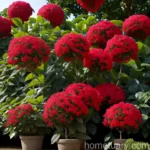
Viburnum rhytidophyllum (Leatherleaf Viburnum): A Comprehensive Guide
Viburnum rhytidophyllum, commonly known as Leatherleaf Viburnum, is a species of flowering plant in the Adoxaceae family. Native to China, this evergreen shrub is renowned for its glossy, leathery leaves, creamy-white flowers, and ornamental berries. Its adaptability to various growing conditions, coupled with its attractive foliage, makes it a popular choice for landscape and garden settings.
In this comprehensive guide, we’ll explore the key aspects of cultivating and caring for Viburnum rhytidophyllum, from its cultural requirements to its uses, common diseases, and maintenance tips. Whether you’re a seasoned gardener or a novice enthusiast, this resource will equip you with the knowledge needed to successfully nurture and appreciate this remarkable plant.
What is Viburnum rhytidophyllum?
Viburnum rhytidophyllum, commonly referred to as Leatherleaf Viburnum, is a species of evergreen shrub belonging to the Adoxaceae family. It is characterized by its distinctive glossy, leathery foliage and clusters of fragrant white flowers. The plant typically reaches a height and spread of 6 to 12 feet, creating an impressive presence in garden landscapes.
This species is native to China and is highly valued for its ornamental qualities, making it a popular choice for gardens, parks, and urban landscapes. With proper care and maintenance, it thrives in a range of climatic conditions, providing year-round visual interest and ecological benefits.
Key Takeaways – Viburnum rhytidophyllum
Before delving into the details of cultivating and caring for Leatherleaf Viburnum, let’s outline some key takeaways associated with this plant. Understanding these fundamental aspects will provide a comprehensive overview of its characteristics, requirements, and potential uses.
Culture
- Viburnum rhytidophyllum is well-suited for cultivation in a variety of landscapes, including urban gardens, parks, and residential yards.
- It thrives in a range of climatic conditions, displaying adaptability to both full sun and partial shade environments.
- The plant’s resilience and low maintenance requirements make it an ideal choice for both experienced and novice gardeners.
Uses
- Leatherleaf Viburnum serves as an excellent choice for ornamental landscaping, providing year-round visual interest with its glossy, evergreen foliage.
- Its abundant creamy-white flowers and ornamental berries add aesthetic value to gardens and natural landscapes, making it a desirable option for creating attractive borders and hedges.
Water
- While Leatherleaf Viburnum demonstrates moderate drought tolerance once established, it benefits from regular watering during dry periods, particularly in the initial stages of growth.
Sunlight
- Leatherleaf Viburnum exhibits a versatile nature in terms of sun exposure, performing well in both full sun and partial shade conditions.
Fertilizer
- Well-balanced fertilization during the growing season enhances the plant’s overall health and vigor, contributing to improved flowering and foliage development.
Soil
- It thrives in well-draining, humus-rich soils, and benefits from organic amendments to promote optimal growth and moisture retention.
Pruning
- Periodic pruning is recommended to maintain the plant’s shape, remove dead or damaged branches, and promote healthy growth habits.
Propagation
- Viburnum rhytidophyllum can be propagated through various methods, including seed propagation, softwood cuttings, and layering techniques.
Container Popularity
- Given its moderate growth habit and ornamental qualities, Leatherleaf Viburnum is suited for container gardening, adding visual appeal to patios, decks, and garden spaces.
Now that we have a broad understanding of the key takeaways associated with Viburnum rhytidophyllum, let’s delve into each aspect in greater detail to unravel the nuances of cultivating and caring for this stunning plant.
Viburnum rhytidophyllum: A Closer Look
To cultivate and care for Viburnum rhytidophyllum successfully, it’s essential to have a deep understanding of its specific requirements, growth habits, and potential challenges. In the following sections, we’ll explore the intricacies of the plant’s cultural needs, maintenance practices, and ways to harness its ornamental potential in diverse garden settings.
Cultural Requirements
-
Water: Leatherleaf Viburnum demonstrates moderate drought tolerance once established, but it benefits from regular watering, particularly during dry spells and in the initial stages of growth. Adequate moisture is essential for promoting healthy foliage and flowering.
-
Sunlight: This species thrives in both full sun and partial shade conditions. While it performs best in locations with partial shade, it can adapt to a range of light intensities, making it a versatile choice for diverse landscapes.
-
Fertilizer: Well-balanced fertilization during the growing season contributes to the plant’s robust growth, enhances flowering, and ensures the development of healthy, vibrant foliage. A balanced granular fertilizer applied in spring provides essential nutrients for optimal performance.
-
Soil: Leatherleaf Viburnum flourishes in well-draining, humus-rich soils with a slightly acidic to neutral pH. Organic amendments, such as compost or well-rotted manure, can be incorporated into the soil to improve its structure and moisture retention capabilities.
-
Pruning: Periodic pruning is essential to maintain the plant’s desired shape, eliminate dead or damaged branches, and encourage healthy, vigorous growth. Pruning can be carried out in late spring or early summer, following the completion of the plant’s flowering cycle.
-
Propagation: Viburnum rhytidophyllum can be propagated through various methods, including seed propagation, softwood cuttings, and layering. Each technique offers distinct advantages and requires specific considerations for successful propagation.
Uses
Viburnum rhytidophyllum is cherished for its remarkable ornamental qualities and versatile uses in garden landscapes. Whether employed as a standalone specimen, a border plant, or a hedge, Leatherleaf Viburnum contributes to the visual appeal of diverse garden settings.
-
Ornamental Value: The plant’s glossy, evergreen foliage, adorned with clusters of fragrant white flowers and ornamental berries, bestows year-round visual interest and aesthetic appeal to landscapes.
-
Border Plant: Leatherleaf Viburnum serves as an excellent choice for creating borders and delineating garden spaces, providing a structured, attractive edge to flower beds and walking paths.
-
Hedge: When selectively pruned and maintained, Viburnum rhytidophyllum forms a dense, lush hedge, offering privacy, wind protection, and a visually striking boundary within the garden.
With a firm grasp of the plant’s cultural requirements and potential uses, it’s crucial to explore its susceptibility to diseases and pests, along with measures to ensure its long-term health and vitality.
Disease Management and Pest Control
-
Common Diseases: Leatherleaf Viburnum may be susceptible to certain diseases, including powdery mildew, leaf spot, and canker diseases. Timely identification and intervention are crucial to prevent the spread of these conditions and mitigate their impact on the plant’s health.
-
Powdery Mildew: A fungal disease characterized by the powdery white growth on the plant’s foliage, powdery mildew can be controlled through the application of fungicidal sprays and the removal of affected plant parts.
-
Leaf Spot: Leaf spot diseases manifest as circular or irregular lesions on the foliage and can be managed through proper sanitation, adequate airflow around the plant, and the use of disease-resistant varieties.
-
Canker Diseases: Canker diseases cause the formation of sunken, discolored lesions on the branches and stems. Pruning out affected plant parts and maintaining proper plant hygiene are essential for preventing the spread of canker diseases.
-
Pest Infestations: Leatherleaf Viburnum may face challenges from various pests, including aphids, scale insects, and viburnum beetle. Vigilance and prompt action are critical in addressing pest infestations and preserving the plant’s health.
-
Aphids: Aphids can be controlled through the application of insecticidal soaps or horticultural oils, promoting natural predator populations, and ensuring a balanced garden ecosystem.
-
Scale Insects: Scale insects can be managed through targeted pruning, the application of horticultural oils, and the introduction of natural predators such as ladybugs and parasitic wasps.
-
Viburnum Beetle: Vigilant monitoring and the timely removal of larvae and affected foliage, coupled with the application of insecticidal treatments, aid in controlling viburnum beetle infestations.
Disease Diagnosis
Effective disease management begins with accurate diagnosis and the timely implementation of appropriate control measures. When observing symptoms of disease in Leatherleaf Viburnum, it’s essential to conduct a thorough examination and consider the following factors:
-
Symptom Identification: Careful observation of foliage, stems, and flowers to identify specific symptoms such as discoloration, lesions, or abnormal growth patterns.
-
Environmental Conditions: Assessing factors such as moisture levels, light exposure, and soil quality to identify potential stressors that may contribute to disease development.
-
Causal Agents: Understanding the potential pathogens or environmental factors responsible for disease development to implement targeted control measures.
-
Integrated Control Strategies: Integrating cultural, biological, and chemical control methods to effectively manage the identified disease while promoting overall plant health.
By employing a systematic approach to disease diagnosis and management, gardeners and plant enthusiasts can uphold the vitality and visual appeal of Leatherleaf Viburnum in diverse garden settings.
Common Pests
In addition to diseases, Leatherleaf Viburnum may encounter pest infestations that can compromise its health and aesthetics. Understanding the common pests that target this plant species is essential for implementing proactive pest control strategies.
-
Aphids: These small, sap-sucking insects can cause stunted growth, leaf curling, and the development of sticky honeydew on the foliage. Regular monitoring and the use of targeted insecticidal treatments help to keep aphid populations in check.
-
Scale Insects: Scale insects appear as small, immobile pests that feed on plant sap and may cause yellowing of foliage and overall decline in plant vigor. Effective control involves the use of horticultural oils and the promotion of natural predator populations.
-
Viburnum Beetle: The viburnum beetle and its larvae feed on the foliage of Leatherleaf Viburnum, leading to defoliation and diminished plant health. Timely intervention through insecticidal treatments and physical removal of beetle larvae is essential for managing infestations.
By maintaining vigilance, monitoring plant health, and implementing targeted pest control measures, gardeners can safeguard Leatherleaf Viburnum from the detrimental effects of common pests, preserving its ornamental value and ecological contributions.
Botanist’s Tips for Cultivating Leatherleaf Viburnum
To nurture Viburnum rhytidophyllum successfully and harness its ornamental potential, it’s valuable to consider expert insights and recommendations from botanists and horticultural professionals. Incorporating these tips into the plant care regimen enhances the plant’s overall health, aesthetic appeal, and resilience in diverse growing environments.
Fun Facts
-
Landscape Diversity: Leatherleaf Viburnum is celebrated for its adaptability to a wide range of landscape settings, from formal gardens to naturalistic landscapes, showcasing its versatility and ornamental value.
-
Wildlife Support: The plant’s attractive flowers and berries attract beneficial pollinators, including bees and butterflies, contributing to the ecological richness of the garden environment.
-
Seasonal Interest: With its evergreen foliage, fragrant spring flowers, and decorative berries, Leatherleaf Viburnum offers year-round visual interest, making it an enduring presence in the garden landscape.
Now that we’ve explored the multifaceted aspects of nurturing Viburnum rhytidophyllum, it’s essential to provide access to external resources for further exploration and reference. The following external links offer valuable insights and additional information on Leatherleaf Viburnum, encompassing diverse aspects of its cultivation, ornamental uses, and ecological contributions.
Links to External Resources
-
Viburnum rhytidophyllum: A Complete Guide to Leatherleaf Viburnum – Gardening Know How
-
Growing Leatherleaf Viburnum (Viburnum rhytidophyllum) – The Spruce
These resources offer a wealth of information on Leatherleaf Viburnum, encompassing its care and maintenance, landscape uses, disease management, and ecological significance. By referring to these external sources, gardeners and enthusiasts can expand their knowledge and refine their approach to cultivating and appreciating this exceptional plant species.
With its glossy foliage, fragrant flowers, and ornamental berries, Viburnum rhytidophyllum (Leatherleaf Viburnum) stands out as a captivating addition to garden landscapes. By adopting the insights and recommendations outlined in this comprehensive guide, individuals can successfully cultivate and care for this remarkable plant, nurturing its ornamental potential and ecological contributions in diverse garden settings. Whether employed as a border plant, a hedge, or a standalone specimen, Leatherleaf Viburnum enriches the visual appeal and ecological vibrancy of outdoor spaces, embodying its status as a cherished ornamental species.