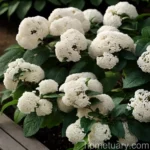
Viburnum rufidulum (Southern Blackhaw): A Comprehensive Guide
Introduction
Plants are an essential part of our natural environment and contribute significantly to the ecological balance of our planet. Viburnum rufidulum, commonly known as Southern Blackhaw, is a fascinating species that belongs to the genus Viburnum. In this comprehensive guide, we will delve into the various aspects of Viburnum rufidulum, including its characteristics, uses, care tips, habitat, and much more.
What is Viburnum rufidulum?
Viburnum rufidulum, or Southern Blackhaw, is a deciduous shrub that is native to the southeastern United States. It belongs to the Caprifoliaceae family and is known for its attractive clusters of white flowers, colorful foliage, and ornamental berries. This versatile plant has gained popularity in gardening and landscaping due to its aesthetic appeal and ecological benefits.
Key Takeaways – Viburnum rufidulum (Southern Blackhaw)
Before we delve into the specifics of Viburnum rufidulum, let’s take a look at some key takeaways about this fascinating plant.
- Scientific Name: Viburnum rufidulum
- Common Name: Southern Blackhaw
- Family: Caprifoliaceae
- Native Habitat: Southeastern United States
- Growth Habit: Deciduous shrub
- Uses: Ornamental, wildlife habitat, medicinal
- Water Requirements: Moderate
- Sunlight: Full sun to partial shade
- Soil Type: Well-drained, loamy soil
- Pruning: Prune in late winter or early spring
- Propagation: Seed, cuttings
- Common Pests: Aphids, scale insects
- Common Diseases: Powdery mildew, leaf spot
Now that we have a brief overview of Viburnum rufidulum, let’s explore its characteristics, uses, and care requirements in more detail.
Characteristics of Viburnum rufidulum
Understanding the characteristics of Viburnum rufidulum is essential for anyone interested in cultivating or appreciating this plant. The following are the key features and growth habits of Southern Blackhaw Viburnum:
Growth Habit
Viburnum rufidulum is a medium to large-sized shrub that typically reaches a height of 12 to 15 feet and a spread of 6 to 12 feet. It has an upright, rounded growth habit and develops a well-branched structure over time. The plant’s growth rate is moderate, making it suitable for various landscape settings.
Leaves and Flowers
The leaves of Viburnum rufidulum are dark green and glossy, featuring an ovate to elliptic shape with finely serrated margins. In the spring, the shrub produces clusters of small, white flowers that give way to showy, blue-black berries in late summer to early fall. The transition from flowers to berries adds to the visual interest of the plant throughout the growing season.
Wildlife and Ecological Benefits
One of the remarkable characteristics of Viburnum rufidulum is its role in supporting wildlife and ecological diversity. The berries of Southern Blackhaw are a valuable food source for birds, including thrushes, cedar waxwings, and bobwhite quail. Additionally, the dense foliage provides nesting sites and shelter for various bird species, contributing to the overall biodiversity of the ecosystem.
Adaptability
Viburnum rufidulum is well-adapted to a range of environmental conditions, including various soil types and moisture levels. It is known for its tolerance to drought once established, making it a resilient and low-maintenance addition to landscapes and natural areas.
Southern Blackhaw Viburnum uses
The uses of Viburnum rufidulum extend beyond its ornamental value. This versatile plant has several practical and ecological applications, including the following:
-
Ornamental Value: Southern Blackhaw Viburnum is widely used in landscaping and garden design for its attractive foliage, flowers, and berries. It can be incorporated into mixed borders, wildlife gardens, and naturalistic landscapes to add visual interest and seasonal color.
-
Wildlife Habitat: The berries of Viburnum rufidulum are a valuable food source for birds, contributing to the sustainability of avian populations. By planting Southern Blackhaw, individuals can actively support and enhance local wildlife habitats.
-
Medicinal Properties: Some indigenous communities have traditional uses for the bark and roots of Viburnum rufidulum. While it is important to consult with healthcare professionals before using any plant-based remedies, it is interesting to note the historical significance of Southern Blackhaw in traditional medicine.
Southern Blackhaw Viburnum Care Guide
Successfully cultivating Viburnum rufidulum requires an understanding of its specific care requirements. From soil and sunlight to watering and pruning, the following care guide will provide valuable insights for nurturing healthy and vibrant Southern Blackhaw plants.
Water
Proper watering is essential for the establishment and ongoing health of Viburnum rufidulum. Here are some important considerations regarding the water requirements of Southern Blackhaw Viburnum:
-
Establishment: Newly planted Southern Blackhaw shrubs should be watered regularly to ensure that the root system becomes well-established. During the first growing season, monitor soil moisture and provide supplemental irrigation during dry periods.
-
Mature Plants: Once established, Viburnum rufidulum exhibits moderate drought tolerance. While it can withstand short periods of drought, it is advisable to provide regular watering during prolonged dry spells, especially in regions with hot summers.
-
Watering Frequency: It is important to strike a balance in watering Southern Blackhaw Viburnum, avoiding both waterlogged and excessively dry conditions. Checking the moisture level of the soil and adjusting watering frequency accordingly will help maintain the plant’s health and vigor.
Sunlight
Southern Blackhaw Viburnum thrives in locations with ample sunlight, but it can also tolerate partial shade. Understanding the sunlight requirements of Viburnum rufidulum is crucial for selecting appropriate planting sites and optimizing its growth and flowering potential:
-
Full Sun: Planting Viburnum rufidulum in full sun locations, where it can receive at least six to eight hours of direct sunlight per day, will promote vigorous growth and abundant flowering. Full sunlight also enhances the development of the plant’s colorful berries.
-
Partial Shade: While Southern Blackhaw can tolerate partial shade, it may exhibit reduced flowering and fruiting in shaded environments. When planting in partial shade, ensure that the site receives several hours of direct sunlight and is protected from intense afternoon sun in warmer climates.
-
Site Selection: When planning the placement of Viburnum rufidulum in the landscape, consider the orientation of the planting site and the presence of nearby structures or trees that may cast shade at different times of the day.
Fertilizer
Proper fertilization can support the growth and overall health of Southern Blackhaw Viburnum, especially in nutrient-deficient soils. When selecting and applying fertilizers for Viburnum rufidulum, consider the following guidelines:
-
Soil Testing: Conduct a soil test to assess the existing nutrient levels and pH of the soil. This will provide valuable information for determining the type and quantity of fertilizers needed for the plant.
-
Fertilizer Types: Select a balanced, slow-release fertilizer formulated for shrubs and trees. Applying fertilizers with a 10-10-10 or 12-6-6 NPK (nitrogen, phosphorus, potassium) ratio in early spring can provide essential nutrients for the growing season.
-
Application Timing: Apply fertilizers to Southern Blackhaw Viburnum in early spring, before new growth begins. Avoid excessive fertilization, as over-application can lead to nutrient imbalances and potential adverse effects on the plant.
-
Mulching: Incorporating a layer of organic mulch around the base of Viburnum rufidulum can contribute to soil fertility and moisture retention. As the mulch breaks down, it releases nutrients into the soil, supporting the long-term health of the plant.
Soil
Understanding the soil requirements of Viburnum rufidulum is crucial for creating an optimal growing environment for this species. Here are the key considerations related to soil type, pH, and drainage:
-
Soil Type: Southern Blackhaw Viburnum thrives in well-drained, loamy soils with a slightly acidic to neutral pH range. Loamy soils with ample organic matter provide an ideal substrate for root development and nutrient uptake.
-
Acidic Soils: While Viburnum rufidulum can tolerate a range of soil pH levels, it generally performs best in slightly acidic soils with a pH of 5.5 to 6.5. If the soil is excessively alkaline, amending it with organic matter or sulfur can help create a more suitable growing medium for the plant.
-
Drainage: Good soil drainage is essential for preventing waterlogged conditions, which can lead to root rot and other moisture-related issues. Avoid planting Southern Blackhaw in low-lying areas with poor drainage, and consider incorporating raised beds or mounded planting sites in heavy clay soils.
Pruning
Pruning is an important aspect of Southern Blackhaw Viburnum maintenance, allowing for the removal of dead, damaged, or overgrown branches and the promotion of a balanced and aesthetically pleasing growth habit. Here’s a guide to pruning Viburnum rufidulum:
-
Timing: Prune Viburnum rufidulum in late winter to early spring, before the onset of new growth. This timing helps minimize stress on the plant and allows for the removal of winter-damaged branches and twigs.
-
Pruning Techniques: Use sterilized pruning tools to make clean cuts and remove unwanted branches. Focus on thinning the canopy, promoting good air circulation, and shaping the shrub as needed. Removing no more than one-third of the total growth is a general guideline to follow during pruning.
-
Deadheading: After the flowering period, consider deadheading the spent blooms to improve the plant’s appearance and prevent the formation of seed pods. Deadheading also conserves the plant’s energy, directing it toward new growth and root development.
-
Renewal Pruning: In some cases, Southern Blackhaw Viburnum may benefit from renewal pruning, which involves the removal of older branches to stimulate new growth and rejuvenate the shrub. This technique can be valuable for maintaining the vitality and longevity of the plant.
Propagation
Viburnum rufidulum can be propagated through various methods, including seed sowing and vegetative propagation using cuttings. Each propagation method has its own set of considerations and techniques, providing options for growers seeking to expand their Southern Blackhaw population:
-
Seed Propagation: Harvest mature berries from Southern Blackhaw plants and extract the seeds for sowing. Plant the seeds in a seed-starting mix in the fall, allowing for a period of cold stratification to facilitate germination.
-
Cuttings: Softwood or hardwood cuttings can be used to propagate Viburnum rufidulum. Take cuttings from healthy, disease-free branches and treat them with rooting hormone before placing them in a well-draining propagation medium.
-
Division: While less common, Southern Blackhaw Viburnum can also be propagated through division, particularly when rejuvenating older plants or creating new individuals from established clumps.
Container Popularity
In addition to its use in outdoor landscapes, Southern Blackhaw Viburnum is increasingly popular as a container plant for patios, decks, and urban gardens. Growing Viburnum rufidulum in containers offers several benefits, including the ability to control soil conditions, regulate growth, and create portable ornamental displays.
Container Care
When cultivating Viburnum rufidulum in containers, consider the following care guidelines for maintaining healthy and thriving plants:
-
Container Size: Choose a container that provides ample room for the plant’s root system to develop. A 15 to 20-gallon container is generally suitable for accommodating the growth of a young Southern Blackhaw shrub.
-
Potting Mix: Select a well-draining potting mix formulated for shrubs and trees. Avoid compacted or heavy soils, as they can impede drainage and root development in container-grown plants.
-
Watering: Container-grown Southern Blackhaw Viburnum may require more frequent watering compared to plants in the ground. Monitor soil moisture regularly and water the plant when the top inch of the soil feels dry to the touch.
-
Sunlight: Position the container in a location that receives adequate sunlight, preferably in full sun to partial shade based on the specific sunlight requirements of Viburnum rufidulum. Rotate the container periodically to promote balanced growth.
-
Fertilization: Apply a balanced, slow-release fertilizer to container-grown Southern Blackhaw in spring and early summer to supply essential nutrients for robust growth and flowering.
Common Diseases and Pests
Despite its resilience, Viburnum rufidulum is susceptible to certain diseases and pest infestations that can affect its health and appearance. Understanding these potential issues and implementing proactive management strategies can help mitigate their impact and preserve the vitality of Southern Blackhaw Viburnum.
Common Diseases
-
Powdery Mildew: Powdery mildew, caused by various fungal pathogens, can affect the foliage of Viburnum rufidulum, leading to the development of a powdery, white coating on the leaves. Good air circulation and fungicidal treatments can help manage powdery mildew.
-
Leaf Spot: Leaf spot diseases, characterized by the appearance of dark, spotted areas on the foliage, can impact the overall vigor of Southern Blackhaw. Ensuring proper sanitation, removing affected leaves, and applying fungicidal sprays can aid in disease control.
Disease Diagnosis
Diagnosing and identifying plant diseases is essential for implementing targeted management strategies. By carefully observing the symptoms and signs of diseases in Southern Blackhaw Viburnum, individuals can take appropriate measures to address the specific issues affecting the plant’s health.
Common Pests
-
Aphids: These small, sap-feeding insects can infest the foliage and new growth of Viburnum rufidulum, causing distortion of leaves and the secretion of sticky honeydew. Natural predators, such as ladybugs and lacewings, can help control aphid populations.
-
Scale Insects: Scale insects can attach themselves to the stems and leaves of Southern Blackhaw, feeding on plant sap and weakening the overall health of the shrub. Horticultural oils and systemic insecticides are effective in managing scale insect infestations.
Botanist’s Tips for Viburnum rufidulum
Horticulturists and plant enthusiasts can benefit from the following tips and recommendations for cultivating Viburnum rufidulum with success and creating favorable growing conditions for this species:
-
Native Plant Landscaping: Incorporating native plants, such as Viburnum rufidulum, into landscaping projects can contribute to the preservation of regional biodiversity and provide valuable habitat resources for indigenous wildlife.
-
Companion Planting: Consider companion plants that complement the characteristics and growing requirements of Southern Blackhaw Viburnum. Selecting compatible species can enhance the visual appeal and ecological functionality of planting designs.
-
Wildlife Gardening: Embrace the concept of wildlife gardening by creating garden spaces that support pollinators, birds, and other beneficial wildlife. By incorporating Southern Blackhaw and other native plants, individuals can foster healthy and vibrant ecosystems in their own backyard.
-
Seasonal Interest: Take advantage of the seasonal interest provided by Viburnum rufidulum throughout the year. From the spring flowering period to the fall display of colorful berries and the winter silhouette, Southern Blackhaw offers year-round appeal in the garden.
Fun Facts about Viburnum rufidulum
Discovering intriguing facts and facets about Southern Blackhaw Viburnum adds to the appreciation and fascination for this remarkable plant species. The following fun facts shed light on the unique attributes and ecological importance of Viburnum rufidulum:
-
Wildlife Interaction: Southern Blackhaw Viburnum supports diverse wildlife interactions, serving as a valuable food source and habitat for numerous bird species, pollinators, and other fauna.
-
Seasonal Transitions: The transition from spring flowers to summer berries and the autumnal display of foliage and fruit add dynamic and evolving features to the landscape throughout the year.
-
Traditional Uses: Viburnum rufidulum has historical and traditional uses in various cultural contexts, including indigenous medicine and folklore, enriching its cultural significance.
-
Ecosystem Contributions: As a native plant species, Viburnum rufidulum plays a vital role in supporting ecosystem functions, such as soil conservation, pollination, and wildlife forage.
Links to External Resources
In the process of exploring the world of Viburnum rufidulum, it is valuable to reference external resources and authoritative sources for further information and research opportunities. The following links provide access to reputable organizations, botanical databases, and educational materials related to Southern Blackhaw Viburnum:
- Lady Bird Johnson Wildflower Center
- USDA Plants Database
- Missouri Botanical Garden – Viburnum rufidulum
- North Carolina State University Extension – Viburnum rufidulum
- The Nature Conservancy – Southern Blackhaw
Conclusion
Viburnum rufidulum, or Southern Blackhaw, captivates the imagination with its ornamental beauty, ecological significance, and cultural relevance. From its role in supporting wildlife to its seasonal transitions and habitat restoration potential, this native shrub enriches the natural landscape and offers a myriad of benefits to ecosystems and human communities.
By delving into the characteristics, uses, care tips, and broader significance of Viburnum rufidulum, we gain a deeper appreciation for the intricate connections between plants and the natural world. Whether in gardens, natural areas, or urban landscapes, Southern Blackhaw Viburnum continues to inspire and enrich our surroundings, embodying the enduring allure of native plants and their vital contributions to the planet’s biodiversity.