Plant Scientist’s Guide to Viburnum ‘Pragense’ (Prague Viburnum)
Viburnum ‘Pragense’, commonly known as Prague Viburnum, is a delightful and versatile shrub with a wide array of landscape applications. Its dense and compact form, glossy evergreen foliage, and fragrant white flowers make it a popular choice among gardeners and landscapers. In this comprehensive guide, we will delve into the various aspects of caring for Viburnum ‘Pragense’, including its cultural requirements, uses, maintenance, and much more. Whether you are an experienced horticulturist or a novice gardener, this article aims to equip you with the knowledge and insights needed to cultivate and appreciate this exceptional plant species.
What is Viburnum ‘Pragense’ (Prague Viburnum)?
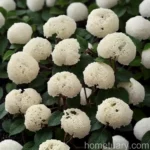
Viburnum ‘Pragense’, a member of the Adoxaceae family, is an evergreen shrub native to Europe and Asia. It is renowned for its dense, rounded growth habit, lustrous dark green foliage, and abundant clusters of fragrant white flowers in the spring. The botanical name of Viburnum ‘Pragense’ is derived from its place of origin, Prague, the capital city of the Czech Republic.
Key Takeaways – Viburnum ‘Pragense’ (Prague Viburnum)
Before we delve into the specifics of caring for Viburnum ‘Pragense’, let’s briefly outline the key takeaways regarding this exceptional plant:
- Scientific Name: Viburnum ‘Pragense’
- Common Name: Prague Viburnum
- Plant Type: Evergreen shrub
- Foliage: Glossy, dark green
- Flowers: Fragrant, white clusters
- Uses: Ornamental, hedge, specimen plant
- Hardiness Zones: 5-8
- Mature Height: 6-8 feet
- Mature Spread: 6-8 feet
Now that we have an overview of Viburnum ‘Pragense’, let’s explore in detail the cultural requirements, uses, maintenance, and more aspects of cultivating this beautiful shrub.
Culture
Cultivating Viburnum ‘Pragense’ successfully starts with understanding its cultural requirements, including its preferences for water, sunlight, fertilizer, soil, and pruning.
Water
Proper watering is essential for the health and vigor of Viburnum ‘Pragense’. While established plants are relatively drought-tolerant, regular watering is recommended, especially during periods of prolonged dryness. When watering, ensure that the soil is evenly moist, but not waterlogged, to prevent root rot and other moisture-related issues.
Tips for Watering Viburnum ‘Pragense:
- Water deeply, allowing the soil to dry slightly between watering sessions.
- Apply mulch around the base of the plant to help retain soil moisture.
- Be mindful of watering during hot, dry spells, particularly in the summer months.
Sunlight
Viburnum ‘Pragense’ thrives in a location that receives partial to full sunlight. While it can tolerate some shade, providing ample sunlight promotes robust growth, abundant flowering, and a dense, well-branched form. When selecting a planting site, prioritize areas with good exposure to sunlight, especially in regions with cooler climates.
Sunlight Guidelines for Viburnum ‘Pragense’:
- Aim for at least 6 hours of direct sunlight per day.
- Ensure that the plant receives morning sunlight to facilitate drying of the foliage and reduce the risk of fungal diseases.
- In hotter climates, partial shade during the hottest part of the day can be beneficial.
Fertilizer
Fertilizing Viburnum ‘Pragense’ contributes to overall plant health, flower production, and vigorous growth. A balanced, slow-release fertilizer formulated for shrubs and trees is suitable for feeding Viburnum ‘Pragense’ during the growing season. Additionally, incorporating organic matter into the soil during planting enriches the soil structure and fertility, promoting long-term vitality.
Fertilizer Recommendations for Viburnum ‘Pragense’:
- Apply a granular, balanced fertilizer in early spring before new growth emerges.
- Refrain from over-fertilizing, as excessive nutrients can lead to excessive foliage at the expense of flowering.
- Follow the manufacturer’s guidelines for application rates and frequency.
Soil
Viburnum ‘Pragense’ thrives in well-draining, slightly acidic to neutral soil. Amending heavy or compacted soils with organic matter, such as compost or peat moss, improves drainage and enhances the soil’s nutrient-holding capacity. Prioritize soil preparation before planting to create an optimal growing environment for the shrub.
Soil Considerations for Viburnum ‘Pragense’:
- Avoid waterlogged or poorly-drained soil, as it can lead to root rot and other moisture-related problems.
- A soil pH range of 6.0-7.0 is generally suitable for Viburnum ‘Pragense’.
- Conduct a soil test to assess the pH and nutrient levels, and adjust as necessary to meet the plant’s requirements.
Pruning
Pruning plays a vital role in shaping Viburnum ‘Pragense’, controlling its size, and promoting a robust and well-branched structure. While minimal pruning is required for this shrub, periodic maintenance pruning helps remove dead or damaged wood, encourage new growth, and maintain an attractive form.
Pruning Guidelines for Viburnum ‘Pragense’:
- Prune in late spring or early summer after the flowering period to avoid removing potential flower buds.
- Remove any dead, diseased, or crossing branches to improve air circulation and reduce the risk of pest and disease issues.
- Disinfect pruning tools before and after use to prevent the spread of diseases between plants.
Uses
Viburnum ‘Pragense’ offers a wide range of landscape uses, making it a versatile and valuable addition to gardens, public spaces, and commercial landscapes. From its ornamental appeal to its functional properties, this evergreen shrub enriches outdoor spaces in various ways.
Landscape Applications
- Specimen Plant: Plant Viburnum ‘Pragense’ as a focal point in the landscape to showcase its glossy foliage and fragrant blooms.
- Privacy Screen: Its dense growth habit and evergreen foliage make it an excellent choice for creating privacy hedges and screens.
- Mixed Borders: Pair Viburnum ‘Pragense’ with other shrubs and perennials to create visually appealing mixed borders and garden beds.
- Foundation Planting: Use it as a foundation plant to add structure and greenery around buildings and structures.
Wildlife Habitat
- Pollinator Friendly: The fragrant flowers of Viburnum ‘Pragense’ attract pollinators such as bees and butterflies, contributing to the overall health of the ecosystem.
- Wildlife Shelter: The dense growth and evergreen foliage provide shelter and nesting sites for birds, enhancing the biodiversity of the landscape.
Functional Benefits
- Noise Barrier: When planted en masse, Viburnum ‘Pragense’ serves as a natural noise barrier, reducing sound transmission and creating a more peaceful outdoor environment.
- Windbreak: Its dense form helps mitigate the impact of strong winds, protecting more delicate plants and structures.
Propagation
Propagating Viburnum ‘Pragense’ allows for the multiplication of this desirable shrub and the establishment of new plantings. While the primary method of propagation is through softwood or hardwood cuttings, other techniques, such as layering and seed propagation, can also be employed to propagate this species.
Propagation Methods for Viburnum ‘Pragense’:
- Softwood Cuttings: Take cuttings from new growth in late spring or early summer, and root them in a well-draining propagation medium.
- Hardwood Cuttings: Collect mature, woody stems in winter, and root them using appropriate rooting hormone and growing conditions.
- Layering: Encourage the development of roots on a lower branch while still attached to the parent plant, and then separate the rooted section for transplantation.
- Seed Propagation: Harvest seeds from mature berries, and sow them in a suitable seed-starting mix, providing the necessary conditions for germination and growth.
Container Popularity
Viburnum ‘Pragense’ is well-suited for container cultivation, making it an attractive option for gardeners with limited space or those looking to enhance their patios, balconies, or outdoor living areas with greenery. When grown in containers, this shrub offers the same ornamental benefits and versatility as its counterparts in the ground, providing an opportunity to enjoy its beauty in a more confined setting.
Benefits of Container Cultivation:
- Space-saving: Ideal for small gardens, urban environments, and areas with limited planting space.
- Portability: Containers can be moved to different locations to create visual interest and accommodate changing outdoor needs.
- Focus on Foliage: By positioning containers near seating areas or entryways, the glossy foliage and fragrant blooms of Viburnum ‘Pragense’ can be admired up close.
Common Diseases
Like many plant species, Viburnum ‘Pragense’ is susceptible to certain diseases, particularly those influenced by environmental conditions, cultural practices, and pathogen presence. Understanding the common diseases and their management strategies is crucial for maintaining the health and vitality of this shrub.
Disease Diagnosis
When monitoring the health of Viburnum ‘Pragense’, it is essential to be vigilant for signs of common diseases and promptly address any issues that may arise. From fungal infections to bacterial diseases, early detection and accurate diagnosis are key to effective disease management.
Common Diseases Affecting Viburnum ‘Pragense’:
- Powdery Mildew: Characterized by a white, powdery growth on foliage, powdery mildew can impact the overall appearance and vigor of the plant.
- Leaf Spot: Circular or irregular spots on the leaves may indicate the presence of fungal leaf spot diseases.
- Anthracnose: This fungal disease can cause browning and irregular lesions on leaves and stems.
- Root Rot: Overly wet and poorly drained soil can lead to root rot, which manifests as wilting, yellowing foliage, and overall decline.
Common Pest
In addition to diseases, Viburnum ‘Pragense’ is vulnerable to attacks from certain pests that can compromise its growth and appearance if left unmanaged. Identifying common pests and implementing suitable control measures is essential for maintaining the plant’s resilience.
Pests Affecting Viburnum ‘Pragense’:
- Aphids: These small, soft-bodied insects can cluster on new growth, causing leaf distortion and excreting honeydew, which can lead to sooty mold growth.
- Scale Insects: Various scale species can infest Viburnum ‘Pragense’, appearing as small, raised bumps on stems and foliage.
- Viburnum Leaf Beetle: Both the larvae and adult beetles can feed on the foliage, causing skeletonization of leaves and defoliation if left unchecked.
- Spider Mites: These tiny arachnids can cause stippling and discoloration of foliage, particularly in hot and dry conditions.
Botanist’s Tips
To ensure the successful cultivation and enjoyment of Viburnum ‘Pragense’ in your garden or landscape, consider the following tips from experienced botanists and horticulturists:
- Proper Planting Depth: Ensure that the root ball is positioned at the correct depth when planting Viburnum ‘Pragense’ to prevent issues with waterlogging or shallow root development.
- Mulching Benefits: Apply a layer of organic mulch around the base of the plant to conserve soil moisture, suppress weeds, and moderate soil temperature.
- Regular Monitoring: Regularly monitor the plant for signs of diseases, pests, and nutrient deficiencies, addressing any issues promptly and effectively.
- Pruning Best Practices: Prune selectively and purposefully, focusing on the removal of dead or damaged wood, promoting good air circulation, and maintaining the plant’s natural shape.
Fun Facts
- The genus name “Viburnum” is derived from the Latin word “viburnum,” which refers to a type of shrub.
- Viburnum ‘Pragense’ is valued for its cold hardiness and ability to thrive in diverse climatic conditions.
- The fragrant flowers of Viburnum ‘Pragense’ attract pollinators, contributing to the ecological diversity of the landscape.
Links to External Resources
For further information on Viburnum ‘Pragense’ and related topics, consider exploring the following external resources:
- Viburnum ‘Pragense’ Care and Maintenance Guide
- Growing Viburnum ‘Pragense’ in Different Hardiness Zones
- Prague Viburnum Varieties and Landscape Uses
- Viburnum ‘Pragense’ Pest and Disease Management
- Soil Requirements for Viburnum ‘Pragense’
- Companion Plants for Prague Viburnum in Landscaping
- Viburnum ‘Pragense’ Planting and Pruning Tips
- Viburnum ‘Pragense’ and Its Role in Wildlife Habitat
- Winter Care and Pruning Techniques for Prague Viburnum
- Landscape Design Ideas Incorporating Viburnum ‘Pragense’
By referring to these valuable resources, you can expand your knowledge of Viburnum ‘Pragense’ and access practical insights from gardening experts, academic institutions, and horticultural organizations.
In conclusion, Viburnum ‘Pragense’ (Prague Viburnum) stands as a remarkable evergreen shrub with substantial ornamental, functional, and ecological value. By considering its cultural requirements, uses, maintenance practices, and engaging with relevant information sources, you can cultivate and appreciate this exceptional plant species to its fullest potential. Whether used as a striking specimen plant, a valuable wildlife habitat, or a reliable hedge, Viburnum ‘Pragense’ enriches outdoor spaces and offers enduring beauty throughout the seasons.
Remember to visit the external resources for more in-depth information and guidance on Viburnum ‘Pragense’ and related topics. Happy gardening!
Disclaimer: The information provided in this guide is for educational purposes and is not a substitute for professional botanical or horticultural advice. Always consult with local experts and extension services for tailored recommendations in your specific gardening context.