The Fascinating World of Tea Viburnum (Viburnum Setigerum)
Plants have an intriguing way of capturing our imagination and bringing joy to our lives. They come in an astonishing array of shapes, sizes, colors, and scents, making the world of botany an endlessly captivating and rewarding field of study. One such enchanting plant is the tea viburnum, scientifically known as Viburnum setigerum. In this comprehensive guide, we will delve deep into the world of tea viburnum, exploring its cultural significance, uses, growing conditions, maintenance, and much more. Join me as we unlock the mysteries of this captivating species and discover its endless wonders.
What is Plant: Tea Viburnum (Viburnum Setigerum)
Tea viburnum, also known by its scientific name Viburnum setigerum, is a deciduous shrub hailing from the Hubei province in central China. The plant belongs to the Adoxaceae family and is a close relative of the honeysuckle. The species is prized for its ornamental value, as well as for its applications in traditional medicine and herbal remedies.
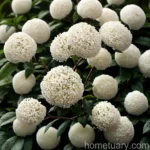
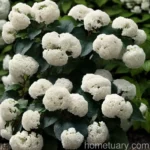
Tea viburnum is characterized by its deeply veined, glossy, dark green leaves and clusters of small, creamy white flowers that bloom in spring. These flowers give way to bright red berries, adding a splash of color to the autumn landscape. The plant’s berries are not only aesthetically pleasing but also serve as a valuable food source for wildlife, including birds.
In addition to its visual appeal, tea viburnum boasts a delightful fragrance, earning it a place as a favored ornamental plant in gardens and landscapes around the world. With its versatility and numerous applications, this plant has piqued the interest of plant enthusiasts, herbalists, and horticulturists alike.
Key Takeaways – Tea Viburnum (Viburnum Setigerum)
Before we embark on our journey into the world of tea viburnum, let’s take a moment to glance at the key takeaways that we will uncover in this guide:
- Cultural Significance: Unraveling the cultural and historical significance of tea viburnum.
- Uses: Exploring the multifaceted uses of tea viburnum, from ornamental landscaping to medicinal applications.
- Growing Conditions: Understanding the specific water, sunlight, soil, and fertilization requirements for cultivating tea viburnum.
- Maintenance: Learning about essential maintenance practices, including pruning, propagation, and container cultivation.
- Common Diseases and Pests: Identifying potential diseases and pests that can affect tea viburnum and how to address them effectively.
- Botanist’s Tips: Gathering expert insights and tips for successfully nurturing tea viburnum.
- Fun Facts: Discovering intriguing and lesser-known facts about tea viburnum that will deepen our appreciation for this remarkable species.
Now, let’s embark on our exploration of tea viburnum, uncovering its mysteries and practical applications.
Culture
Cultural significance often plays a crucial role in shaping our understanding and appreciation of a plant. Tea viburnum, with its rich history and traditional uses, has woven itself into the tapestry of various cultures, offering both aesthetic pleasure and functional benefits.
Tea Viburnum in Traditional Chinese Culture
In its native land of China, tea viburnum holds a special place in traditional folklore and herbal medicine. The plant’s berries have been utilized in Chinese herbal remedies for their purported health benefits, which we will delve into in more detail later in this guide. Furthermore, the vibrant red berries of tea viburnum have symbolized prosperity and good fortune in Chinese culture, often adorning festive decorations and religious ceremonies.
Tea viburnum’s association with the celestial dragon in Chinese mythology has further elevated its cultural significance. The plant is believed to possess mystical properties, and its presence in gardens and courtyards is thought to ward off negative energy and bring blessings to those who cultivate it.
Tea Viburnum in Landscape Design
Beyond its native origins, tea viburnum has made its mark in gardens and landscapes around the world. Its clusters of white flowers followed by bright red berries make it a popular choice for ornamental planting, adding visual interest and seasonal color to gardens.
The plant’s versatility in landscaping design is further enhanced by its adaptability to different soil and climatic conditions. Whether used as a standalone specimen, a hedge, or a mass planting, tea viburnum offers an array of design possibilities, allowing for creative expression in garden layouts and landscape architecture.
Uses
The uses of tea viburnum span a wide spectrum, from aesthetic adornment to practical applications in traditional medicine. Understanding the diverse roles this plant can play enables us to appreciate its significance and make informed decisions about incorporating it into our lives.
Ornamental Use in Landscaping
One of the most prominent uses of tea viburnum is its ornamental value in landscaping. The plant’s elegant foliage, delicate flowers, and vibrant berries make it a charming addition to gardens and green spaces. Whether employed as a focal point, a backdrop for other plants, or a natural barrier, tea viburnum enhances the visual appeal of any landscape.
The shrub’s ability to thrive in diverse growing conditions, along with its low maintenance requirements, makes it particularly attractive to gardeners and landscape designers. Its graceful presence through the changing seasons, from the blossoming of flowers to the autumnal display of berries, ensures a continuous visual delight throughout the year.
Medicinal and Herbal Applications
Beyond its ornamental allure, tea viburnum has a rich history of being utilized in traditional medicine and herbal remedies. The plant’s berries have been ascribed various health benefits, leading to their incorporation into traditional Chinese medicine and herbal formulations.
Tea viburnum is reputed to possess properties that promote overall well-being and vitality. Its berries are believed to have antioxidant, anti-inflammatory, and immune-boosting properties. Moreover, the plant’s aromatic leaves and flowers are said to impart therapeutic benefits when used in herbal teas and tinctures.
The rich folklore surrounding tea viburnum in traditional Chinese medicine underscores the cultural and medicinal significance of this plant. As we explore its cultivation and nurturing, it is essential to recognize the inherent value of tea viburnum’s medicinal contributions and the centuries-old wisdom that guides its usage.
Water
A crucial aspect of successfully cultivating tea viburnum lies in providing the appropriate water requirements. Understanding the plant’s needs and ensuring adequate hydration are essential for supporting healthy growth and optimizing its ornamental and functional attributes.
Watering Requirements
Tea viburnum thrives in evenly moist yet well-drained soil, making it imperative to strike a balance in watering practices. During the initial establishment phase and periods of prolonged dryness, regular and thorough watering is crucial to support root development and overall plant vigor.
When watering tea viburnum, it is essential to apply water directly to the root zone, ensuring deep penetration to encourage robust root growth. A layer of organic mulch around the base of the plant can help retain soil moisture, reducing the frequency of watering while providing insulation against temperature fluctuations.
Maintaining a consistent watering schedule, adjusted seasonally to account for climatic variations, will aid in preventing stress and dehydration, fostering a thriving tea viburnum that flourishes year-round.
Sunlight
The right balance of sunlight is instrumental in harnessing the full potential of tea viburnum, impacting its flowering, fruiting, and overall vitality. Understanding its sunlight requirements is pivotal for creating an optimal growing environment that reflects the plant’s natural habitat.
Sunlight Requirements
Tea viburnum exhibits a preference for partial to full sunlight, making it well-suited for a range of light conditions found in diverse garden settings. When selecting a planting site, consider providing the shrub with morning sunlight and partial afternoon shade, especially in regions with intense summer heat.
Adequate sunlight is essential for promoting healthy flower and fruit development, as well as for maintaining dense foliage and balanced growth. By ensuring that tea viburnum receives the right amount of sunlight, gardeners can harness its ornamental and functional attributes to their fullest potential, accentuating the plant’s natural beauty and vitality.
Fertilizer
Proper fertilization is pivotal in providing tea viburnum with essential nutrients that support vigorous growth, robust flowering, and fruit production. By understanding the plant’s fertilization requirements, gardeners can cultivate thriving specimens that add splendor to their landscape.
Fertilization Guidelines
During the growing season, applying a balanced, slow-release fertilizer formulated for woody plants can provide tea viburnum with the necessary nutrients for sustained growth and vitality. It is advisable to fertilize in early spring, just before the onset of new growth, to fortify the plant for the upcoming season.
Care should be taken to follow the manufacturer’s recommendations regarding application rates and methods. Applying excessive fertilizer can lead to nutrient imbalances and potential damage to the plant, underscoring the importance of administering fertilizers judiciously and in accordance with the plant’s needs.
In addition to synthetic fertilizers, organic alternatives such as compost, aged manure, or organic mulches can serve as valuable sources of nutrients, enhancing soil fertility and promoting the long-term health of tea viburnum.
Soil
Choosing the right soil and ensuring optimal soil conditions are paramount for fostering healthy root development and overall plant vigor in tea viburnum. By understanding its soil preferences and making suitable amendments, gardeners can create a conducive growing environment for this captivating species.
Soil Preferences
Tea viburnum thrives in rich, well-drained soil with a slightly acidic to neutral pH range. A loamy, sandy to clayey soil texture is well-suited to the plant’s needs, providing adequate aeration and water infiltration while preventing waterlogged conditions that can compromise root health.
Incorporating organic matter such as compost or leaf mold into the soil can enhance its fertility and structure, promoting favorable conditions for tea viburnum’s root system to establish and flourish. Amending excessively compacted or impoverished soils prior to planting provides a solid foundation for the shrub’s growth and development.
Regularly monitoring soil moisture levels and drainage patterns, especially during the establishment phase, is crucial for identifying and addressing any soil-related issues that may impede the plant’s progress. By tending to its soil preferences, gardeners can lay the groundwork for a thriving tea viburnum that contributes beauty and vitality to their landscape.
Pruning
Proper pruning is an essential aspect of maintaining the health, shape, and flowering capacity of tea viburnum. By employing appropriate pruning techniques, gardeners can enhance the plant’s ornamental value and encourage robust growth, ensuring its continued splendor and vitality.
Pruning Guidelines
Pruning tea viburnum is best carried out during the dormant season, typically in late winter or early spring, before new growth emerges. This timing minimizes the risk of disrupting flower bud development while allowing for the removal of dead, damaged, or overgrown branches.
When pruning tea viburnum, it is advisable to begin by removing any dead or diseased wood, as well as crossing or rubbing branches that may impede airflow and light penetration. Thinning out congested growth helps maintain an open, balanced framework and encourages the shrub’s health and vigor.
To shape and rejuvenate the plant, selective pruning can be employed to refine its structure and promote compact growth. By judiciously removing spent flowers and excessive growth, gardeners can stimulate new growth and enhance the aesthetic appeal of tea viburnum, ensuring a visually captivating and well-maintained specimen.
Propagation
Enabling the propagation of tea viburnum offers an opportunity to expand its presence and share its beauty with others. By understanding and employing effective propagation methods, gardeners can cultivate new plants from existing ones, perpetuating the legacy of this enchanting species.
Propagation Methods
Tea viburnum can be propagated through various methods, including seed propagation, softwood cuttings, and hardwood cuttings. Each approach offers unique advantages and considerations, providing gardeners with options for propagating the plant successfully.
-
Seed Propagation: Propagating tea viburnum from seed requires collecting ripe berries and extracting the seeds for sowing. Sowing the seeds in well-drained, fertile soil and providing consistent moisture and warmth can yield new plants. It is important to note that seed-propagated specimens may exhibit slight variations from the parent plant.
-
Softwood Cuttings: Softwood cuttings, taken from young, supple growth, offer a viable method for propagating tea viburnum. By preparing and rooting softwood cuttings in a suitable growing medium, gardeners can produce genetically identical clones of the parent plant, ensuring consistency in traits and characteristics.
-
Hardwood Cuttings: Hardwood cuttings, harvested from mature, woody stems, present an alternative propagation method for tea viburnum. With proper preparation and care, hardwood cuttings can be rooted to establish new plants, enabling the expansion of the plant’s presence in garden settings.
By selecting a propagation method that aligns with their preferences and resources, gardeners can multiply the presence of tea viburnum, enriching their landscape with the allure and versatility of this captivating species.
Container Cultivation
The adaptability of tea viburnum to container cultivation offers an enticing opportunity to incorporate the plant into a variety of garden settings, including patios, balconies, and urban landscapes. By understanding the considerations and practices involved in container cultivation, gardeners can harness the ornamental potential of tea viburnum in versatile ways.
Container Requirements
When selecting a container for cultivating tea viburnum, opt for a sizable, sturdy pot with adequate drainage holes to facilitate proper water flow and prevent waterlogging. Choosing a high-quality, well-draining potting mix formulated for woody plants ensures optimal growing conditions for the shrub.
Placement of the container is critical, as tea viburnum thrives in partial to full sunlight. Position the pot in a location that receives the appropriate amount of sunlight for the plant’s needs, ensuring that it is shielded from intense midday sun in warmer climates.
Regular monitoring of soil moisture and watering as needed, along with balanced fertilization during the growing season, supports the well-being of tea viburnum in containers. Additionally, periodic root inspection and potential repotting to accommodate the plant’s growth are instrumental in maintaining an optimal growing environment.
By leveraging the adaptability of tea viburnum to container cultivation, gardeners can imbue their outdoor spaces with the beauty and charm of this splendid species, whether in a compact urban oasis, a sprawling patio setting, or a vibrant balcony garden.
Popularity
The ubiquitous charm and practical uses of tea viburnum have contributed to its popularity in various contexts, from residential gardens to public green spaces. The plant’s appeal transcends geographical boundaries and climate zones, endearing itself to plant enthusiasts, landscape designers, and conservationists alike.
Ornamental Appeal
Tea viburnum’s ornamental allure, characterized by its elegant foliage, fragrant blossoms, and vibrant berries, has positioned it as a sought-after choice in landscaping and garden design. Its versatility in design applications, low maintenance requirements, and seasonal interest make it a favored option for adorning spaces with visual charm and natural splendor.
The enduring appeal of tea viburnum as a focal point, a border planting, or a massed display underscores its adaptability to diverse garden styles and layouts, from formal landscapes to naturalistic settings. Its timeless elegance and dynamic presence contribute to its enduring popularity among gardeners and horticultural enthusiasts.
Wildlife and Ecological Significance
Beyond its visual appeal, tea viburnum plays a vital role in supporting wildlife and ecological diversity. The plant’s berries serve as a valuable food source for birds, contributing to the sustenance and survival of avian species in various habitats. By fostering interactions between plants and wildlife, tea viburnum enriches local ecosystems and promotes biodiversity.
The ecological significance of tea viburnum extends to its potential for soil stabilization, erosion control, and habitat restoration in natural landscapes. Its adaptability to diverse soil and moisture conditions, coupled with its resilience to various stressors, positions it as a species with ecological value in conservation and restoration efforts.
Conservation and Preservation
As recognition of tea viburnum’s ecological importance grows, efforts to conserve and preserve the species in its native habitats have gained momentum. Conservation initiatives aimed at safeguarding the genetic diversity and sustainability of tea viburnum underscore its significance as a plant species worthy of protection and stewardship.
By raising awareness about the ecological roles and preservation needs of tea viburnum, conservationists and environmental advocates seek to ensure the enduring presence of this charismatic species in the natural landscape, contributing to the broader tapestry of biodiversity and ecological balance.
The enduring popularity and ecological significance of tea viburnum reflect its multifaceted contributions to the natural world and human interactions with plant life, reaffirming its status as a plant of intrinsic value and timeless allure.
Common Diseases
Tea viburnum, like all living organisms, is susceptible to various diseases that can impact its health and vitality. Understanding the common diseases that affect the plant, along with effective diagnosis and management strategies, is essential for safeguarding its well-being.
Disease Diagnosis and Management
-
Anthracnose: Anthracnose, caused by the fungal pathogen Colletotrichum, can lead to leaf spots, blighting, and defoliation in tea viburnum. Symptoms include irregular dark lesions on leaves and stems, often accompanied by sunken or water-soaked areas. Implementing cultural practices such as sanitation, proper pruning, and promoting good air circulation can aid in managing and preventing anthracnose.
-
Powdery Mildew: Powdery mildew, attributed to fungal pathogens such as Erysiphe, manifests as a white, powdery growth on the upper surfaces of leaves and stems. As the disease progresses, affected plant parts may become distorted or stunted. Employing preventive measures, including proper spacing, adequate sunlight, and resistant cultivars, can mitigate the impact of powdery mildew on tea viburnum.
-
Root Rot: Root rot, often associated with overly wet or poorly drained soil, can lead to wilting, yellowing, and eventual collapse of the plant. To manage root rot, addressing soil drainage issues, avoiding overwatering, and promoting healthy root development through appropriate cultural practices are essential.
-
Bacterial Leaf Spot: Bacterial leaf spot, caused by pathogens such as Xanthomonas, presents as dark, water-soaked spots on leaves, often surrounded by a yellow halo. Proper sanitation, disease-free planting material, and avoiding overhead irrigation can aid in preventing and managing bacterial leaf spot in tea viburnum.
By vigilantly monitoring the plant for signs of diseases, applying preventive strategies, and promptly addressing any potential issues, gardeners can safeguard the health and vibrancy of tea viburnum, ensuring its continued splendor in the landscape.
Common Pests
Pests pose a potential threat to the well-being and aesthetics of tea viburnum, necessitating proactive monitoring and management to mitigate their impact. Familiarizing oneself with the common pests that afflict the plant, along with effective control measures, is essential for preserving its vitality and ornamental value.
Pest Identification and Control
-
Aphids: Aphids, tiny sap-sucking insects, can infest tea viburnum, leading to distorted growth, honeydew secretion, and the development of sooty mold. Biological control agents such as beneficial insects and regular applications of insecticidal soap or horticultural oil can help manage aphid populations and protect the plant from damage.
-
Scale Insects: Scale insects, characterized by their waxy, immobile coverings, can attach themselves to stems and leaves of tea vib