Viburnum dentatum (Arrowwood Viburnum): A Comprehensive Guide
Viburnum dentatum, commonly known as Arrowwood Viburnum, is a versatile and attractive shrub that is native to North America. With its beautiful foliage, flowers, and fruit, this plant has become a popular choice for landscaping and gardening. In this comprehensive guide, we will delve into the characteristics, uses, care tips, diseases, and pests of Viburnum dentatum, providing valuable insights for both experienced gardeners and beginners.
What is Viburnum dentatum (Arrowwood Viburnum)?
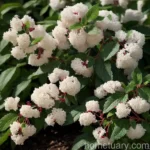
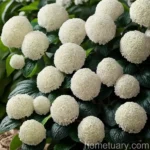
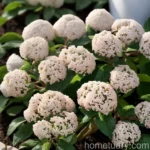
Viburnum dentatum, a member of the Adoxaceae family, is a deciduous shrub that typically grows to a height of 6-10 feet and a spread of 6-8 feet. It is characterized by its dense, rounded form and dark green foliage. In spring, the plant produces clusters of white flowers, followed by blue-black berries in the fall. The leaves exhibit a striking red, orange, or burgundy color in autumn, adding vibrant hues to the landscape.
Viburnum dentatum Characteristics
- Plant Size: 6-10 feet in height, 6-8 feet in spread
- Foliage: Dark green leaves, turning red, orange, or burgundy in autumn
- Flowers: Clusters of white flowers in spring
- Fruit: Blue-black berries in fall
- Habit: Dense, rounded form
- Native Habitat: North America
- Hardiness Zone: 3-8
- Wildlife Value: Attracts birds and butterflies
With its ornamental features and adaptability to different environmental conditions, Viburnum dentatum has earned its place as a beloved addition to gardens, landscapes, and natural habitats.
Key Takeaways – Viburnum dentatum (Arrowwood Viburnum)
Before delving into the specific aspects of caring for Viburnum dentatum, let’s highlight some key takeaways about this versatile plant.
Viburnum dentatum (Arrowwood Viburnum) Facts
- Botanical Name: Viburnum dentatum
- Common Names: Arrowwood Viburnum, Southern Arrowwood
- Family: Adoxaceae
- Hardiness Zone: 3-8
- Native Habitat: North America
- Growth Rate: Moderate
- Wildlife Value: Attracts birds and butterflies
- Special Feature: Vibrant fall foliage and berries
- Uses: Ornamental, wildlife habitat, hedges
As we uncover the specific care guidelines and uses of Viburnum dentatum, it’s essential to understand its cultural requirements and landscape potential.
Culture
Cultural practices play a crucial role in ensuring the health and vitality of Viburnum dentatum. Let’s explore the various aspects of culture that are essential for the successful growth of this plant.
Uses
- Ornamental: Viburnum dentatum is widely used as an ornamental shrub in landscapes, gardens, and naturalized areas.
- Wildlife Habitat: The plant’s berries attract birds, adding value to wildlife gardens and natural habitats.
- Hedges: Due to its dense growth habit, Viburnum dentatum is often used to create hedges and privacy screens.
Water
Proper watering is vital for establishing Viburnum dentatum and maintaining its health. Here’s a general guideline for watering this plant:
- Established Plants: Once established, Viburnum dentatum is moderately drought-tolerant. However, regular watering is essential, especially during dry periods, to promote healthy growth and fruit production.
- Newly Planted: Newly planted Viburnum dentatum should be watered deeply and regularly to support root establishment. A thorough watering every 7-10 days, adjusting for local weather conditions, is recommended.
Sunlight
Sunlight requirements significantly impact the growth and flowering of Viburnum dentatum. Understanding its sunlight preferences is crucial for selecting an appropriate planting location.
- Full Sun: Viburnum dentatum thrives in full sun to partial shade. While it can tolerate some shade, full sun exposure promotes better flowering and fruiting.
- Partial Shade: In areas with hot summers, providing some afternoon shade can help protect the plant from heat stress.
Fertilizer
Proper fertilization supports the overall health and vigor of Viburnum dentatum. Here’s a basic fertilizer guideline for this plant:
- Timing: Fertilize Viburnum dentatum in early spring before new growth begins and again in mid-summer if necessary.
- Fertilizer Type: Use a balanced, slow-release fertilizer specially formulated for shrubs. Applying a granular fertilizer at the base of the plant and watering it in thoroughly is recommended.
- Avoid Overfertilization: Excessive fertilization can lead to excessive vegetative growth and reduced flowering. Follow the recommended rates and application guidelines carefully.
Soil
Understanding the soil preferences of Viburnum dentatum is essential for creating an optimal growing environment. Here are some key points related to soil requirements:
- Well-Drained Soil: Viburnum dentatum prefers moist, well-drained soil. Avoid planting in excessively wet or poorly drained areas to prevent root rot and other moisture-related issues.
- pH Level: The plant thrives in slightly acidic to neutral soil, with a pH range of 5.5 to 7.5. Conducting a soil test can provide valuable insights into the pH and nutrient levels of the planting area.
Pruning
Pruning is a critical aspect of maintaining the shape, health, and flowering of Viburnum dentatum. Knowing the proper pruning techniques and timing is essential for promoting robust growth and a pleasing form.
Pruning Techniques
- Timing: Prune Viburnum dentatum in late winter to early spring before new growth emerges. This timing allows the plant to allocate resources for new growth and flowering.
- Deadwood Removal: Regularly remove dead, damaged, or diseased branches to enhance the plant’s overall health and appearance.
- Thinning: Periodic thinning of the shrub helps improve air circulation and sunlight penetration, reducing the risk of diseases and promoting even growth.
- Rejuvenation Pruning: Every few years, consider rejuvenation pruning to remove older, unproductive stems and encourage new growth from the base of the plant.
Propagation
Propagation methods allow gardeners to expand their Viburnum dentatum collection and share the plant’s beauty with others. Here are some common propagation techniques for this shrub:
- Softwood Cuttings: Propagate Viburnum dentatum from softwood cuttings taken in early summer. Use a rooting hormone to enhance root development and provide bottom heat to encourage rooting.
- Hardwood Cuttings: Hardwood cuttings taken in late autumn or winter can also be used to propagate new plants. Rooting hormone application and a well-draining propagation medium are essential for success.
- Seed Propagation: While Viburnum dentatum can be grown from seeds, it’s important to note that seed-grown plants may exhibit some variability in characteristics, including flower color and fruiting habits.
Container Popularity
Viburnum dentatum’s versatility extends to container cultivation, making it an attractive option for patio gardens, urban landscapes, and small spaces.
- Container Size: Select a large container with adequate drainage holes to accommodate the plant’s mature size. A 15-20 gallon container is suitable for growing Viburnum dentatum.
- Soil Mix: Use a well-draining potting mix formulated for shrubs and amend it with organic matter to improve moisture retention.
- Watering: Container-grown Viburnum dentatum may require more frequent watering, especially during hot, dry conditions. Monitor soil moisture levels and water when the top inch of the soil feels dry.
- Overwintering: In regions with cold winters, protect container-grown Viburnum dentatum from freezing temperatures by moving the containers to a sheltered location or providing insulation around the pots.
Common Diseases and Pests
While Viburnum dentatum is relatively resistant to pests and diseases, it is important to be aware of potential issues that may affect the plant’s health.
Disease Diagnosis
- Leaf Spot: Fungal leaf spot diseases may occasionally affect Viburnum dentatum, causing small, dark spots on the foliage. Improve air circulation, avoid overhead watering, and apply fungicidal sprays as needed to manage leaf spot.
- Powdery Mildew: In humid conditions, powdery mildew can develop on the leaves, appearing as a white powdery coating. Ensure proper spacing between plants and provide good air circulation to reduce the risk of powdery mildew.
- Anthracnose: This fungal disease can lead to dieback of twigs and branches. Pruning out affected areas and maintaining good plant hygiene can help manage anthracnose.
Common Pests
- Aphids: These small, soft-bodied insects may infest Viburnum dentatum, feeding on plant sap and excreting honeydew. Natural predators such as ladybugs and lacewings can help control aphid populations. In cases of heavy infestation, insecticidal soap or horticultural oil can be used.
- Scale Insects: Scale insects may appear as small, waxy bumps on the stems and leaves of Viburnum dentatum. Prune and dispose of heavily infested plant parts and consider applying horticultural oil to manage scale populations.
Botanist’s Tips
As a plant scientist with a passion for Viburnum dentatum, I would like to share some valuable tips for selecting, growing, and enjoying this charming shrub.
- Companion Plants: Pair Viburnum dentatum with spring-blooming bulbs such as daffodils and tulips to create a stunning display. Additionally, incorporating the plant into mixed shrub borders and woodland gardens can enhance its visual appeal.
- Naturalized Areas: In naturalized settings and wildlife gardens, Viburnum dentatum contributes to the overall biodiversity by providing food and habitat for birds and butterflies.
- Urban Landscapes: Due to its adaptability and low maintenance requirements, Viburnum dentatum is an excellent choice for urban and suburban landscapes. Its resistance to air pollution and tolerance for various soil conditions make it a valuable addition to green spaces.
Fun Facts
Let’s explore some fascinating and lesser-known facts about Viburnum dentatum that add to its appeal and botanical interest.
- Edible Berries: While the berries of Viburnum dentatum are not typically consumed by humans, they serve as a valuable food source for birds and wildlife.
- Traditional Use: Native American tribes used the flexible stems of Arrowwood Viburnum to craft arrows, giving rise to its common name.
- Medicinal Potential: Some Native American medicinal practices incorporated Viburnum dentatum for various treatments, including relief for toothaches and stomach issues.
Links to External Resources
For further information on Viburnum dentatum, its cultivation, and ecological significance, I have compiled a list of credible external resources to supplement your knowledge and appreciation of this remarkable shrub:
- University of Florida IFAS Extension – Viburnum dentatum
- Missouri Botanical Garden – Arrowwood Viburnum
- The United States Department of Agriculture (USDA) Plants Database – Viburnum dentatum
- Lady Bird Johnson Wildflower Center – Viburnum dentatum
By exploring these resources, you can gain a deeper understanding of Viburnum dentatum and its role in horticulture, natural ecosystems, and cultural heritage.
In conclusion, Viburnum dentatum, or Arrowwood Viburnum, stands as a symbol of beauty, resilience, and ecological value. Whether adorning a garden, supporting wildlife, or enriching natural landscapes, this versatile shrub embodies the inherent connection between plants and people. I hope this comprehensive guide serves as a source of inspiration and practical guidance for your journey with Viburnum dentatum, fostering a deeper appreciation for its botanical splendor and environmental significance.