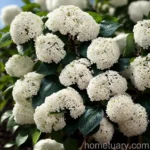
The Marvelous Doublefile Viburnum (Viburnum plicatum f. tomentosum ‘Watanabei’)
Plants are incredible organisms that grace our world with their beauty and contribute significantly to the functioning of our ecosystem. They come in a wide array of shapes, sizes, colors, and characteristics, each with its unique set of requirements and attributes. One such striking plant is the doublefile viburnum (Viburnum plicatum f. tomentosum ‘Watanabei’), a captivating ornamental shrub that is a favorite among enthusiasts and gardening aficionados.
What is the Doublefile Viburnum (Viburnum plicatum f. tomentosum ‘Watanabei’)?
The doublefile viburnum, scientifically known as Viburnum plicatum f. tomentosum ‘Watanabei’, is a deciduous shrub that belongs to the Adoxaceae family. It is known for its abundant, lacecap-like flowers that adorn its horizontally tiered branches, creating a visually stunning display in spring. The ‘Watanabei’ variety, in particular, is cherished for its compact size and exceptional floral presentation.
Key Takeaways
Let’s delve into the essential aspects of the doublefile viburnum, encompassing its cultural requirements, uses, maintenance practices, common diseases and pests, and fascinating facts.
Culture
The culture of the doublefile viburnum revolves around understanding and catering to its specific needs, which ultimately determine its overall health and vibrancy.
Uses
- Ornamental Features: The stunning floral arrangement of the doublefile viburnum makes it a prized addition to gardens and landscapes, where it serves as an eye-catching focal point.
- Hedge Planting: Due to its ability to form a dense wall of foliage, it is often used for creating hedges, providing both privacy and aesthetic appeal.
Water
The doublefile viburnum typically prefers consistently moist but well-drained soil. It is essential to establish a watering routine that meets its moisture requirements without leading to waterlogging.
Sunlight
Partial to full sun is ideal for the healthy growth and optimal flowering of the doublefile viburnum. Ensuring adequate exposure to sunlight is crucial for its overall performance.
Fertilizer
Applying a balanced, slow-release fertilizer in early spring can provide the necessary nutrients for the doublefile viburnum to thrive and produce an abundance of blooms.
Soil
The ideal soil for the doublefile viburnum is moderately rich, fertile, and well-draining. It flourishes in slightly acidic to neutral soil pH levels.
Pruning
Pruning can enhance the shape and structure of the doublefile viburnum, and it should primarily focus on the removal of dead or damaged wood and the promotion of air circulation within the shrub.
Propagation
Common methods of propagating the doublefile viburnum include softwood cuttings, hardwood cuttings, and layering. Each technique has its optimal timing and requirements.
Container Popularity
While the doublefile viburnum is primarily cultivated in the ground, it can also thrive in large containers if provided with sufficient space and the right growing conditions.
Common Diseases
The vulnerability of the doublefile viburnum to certain diseases emphasizes the importance of proactive plant care and disease management.
Disease Diagnosis
Key diseases that may affect the doublefile viburnum include powdery mildew, leaf spot diseases, and canker diseases. Prompt identification and appropriate treatment are crucial in combating these issues.
Common Pests
Several insect pests pose a threat to the well-being of the doublefile viburnum, including aphids, scale insects, and viburnum leaf beetles. Vigilance and timely intervention are essential for pest control.
Botanist’s Tips
To cultivate a thriving doublefile viburnum, consider the following expert recommendations:
– Ample Space: Ensure proper spacing between individual shrubs to allow for unhindered growth and development.
– Mulching: Apply a layer of organic mulch to conserve soil moisture and suppress weed growth around the base of the shrub.
Fun Facts
- The doublefile viburnum is native to Japan and China, where it thrives in woodland areas and along forest margins.
- It is also commonly known as the Japanese snowball bush, owing to the appearance of its blossoms.
Links to External Resources
Explore the following external resources for additional insights and guidance on the doublefile viburnum:
1. Royal Horticultural Society – Viburnum plicatum f. tomentosum ‘Watanabei’
2. University of Maryland Extension – Viburnum
Doublefile Viburnum Care: Nurturing Elegance
Caring for the doublefile viburnum encompasses a range of aspects, including proper watering, optimal sunlight exposure, strategic pruning, and attentive pest and disease management.
Watanabei Viburnum Characteristics
The ‘Watanabei’ variety of the doublefile viburnum exhibits distinct characteristics that contribute to its allure and desirability in horticulture.
Viburnum plicatum f. tomentosum Varieties
In addition to the ‘Watanabei’ selection, several other varieties of Viburnum plicatum f. tomentosum are available, each with its unique attributes and appeal.
How to Grow Viburnum plicatum f. tomentosum ‘Watanabei’
The successful cultivation of Viburnum plicatum f. tomentosum ‘Watanabei’ involves understanding its specific requirements for growth and flowering.
Doublefile Viburnum Pruning Tips
Pruning the doublefile viburnum is a crucial aspect of its care regimen, influencing its form, flowering capacity, and long-term health.
Watanabei Viburnum Flowering Season
The flowering season of the Watanabei viburnum showcases its remarkable beauty, creating a captivating spectacle that captivates both humans and pollinators.
Viburnum plicatum f. tomentosum Cultivars
The diversity of cultivars within the Viburnum plicatum f. tomentosum species offers an array of options for enthusiasts and landscapers seeking specific characteristics.
Growing Doublefile Viburnum in Containers
Cultivating the doublefile viburnum in containers presents opportunities and challenges, demanding careful attention to the plant’s needs within a confined environment.
Watanabei Viburnum Pests and Diseases
Understanding and addressing potential pest and disease issues is essential in safeguarding the health and vigor of the ‘Watanabei’ viburnum.
Viburnum plicatum f. tomentosum Propagation Methods
Propagation methods such as softwood cuttings and layering can be employed to expand the presence of Viburnum plicatum f. tomentosum ‘Watanabei’ in a garden or landscape.
Doublefile Viburnum Landscaping Ideas
Integrating the doublefile viburnum into landscape designs can contribute to the creation of visually appealing and ecologically valuable outdoor spaces.
Watanabei Viburnum Foliage Colors
The foliage of the ‘Watanabei’ viburnum displays various hues and textures, adding visual interest throughout the growing season.
Viburnum plicatum f. tomentosum ‘Watanabei’ Planting Guide
Following a comprehensive planting guide can ensure the successful establishment of Viburnum plicatum f. tomentosum ‘Watanabei’ in diverse settings.
Best Soil for Doublefile Viburnum
The soil preferences of the doublefile viburnum encompass specific characteristics that optimize its growth and vitality.
Watanabei Viburnum Sun and Shade Preferences
Understanding the sun and shade preferences of the ‘Watanabei’ viburnum enables the selection of suitable planting locations.
Viburnum plicatum f. tomentosum ‘Watanabei’ Companion Plants
Complementary plantings can enhance the aesthetic and ecological value of the doublefile viburnum within a garden or landscape.
Doublefile Viburnum Water Requirements
Adequate moisture management is crucial in meeting the water requirements of the doublefile viburnum throughout the growing season.
Watanabei Viburnum Winter Care
Implementing appropriate winter care measures can protect the ‘Watanabei’ viburnum from potential cold-related stress and damage.
Viburnum plicatum f. tomentosum ‘Watanabei’ Size and Height
Understanding the mature size and height of Viburnum plicatum f. tomentosum ‘Watanabei’ is vital in planning and designing its placement within a landscape.
How to Propagate Doublefile Viburnum from Cuttings
Utilizing the correct techniques for propagating the doublefile viburnum from cuttings can yield successful results and foster the expansion of its presence.
Watanabei Viburnum Wildlife Attraction
The ecological role of the ‘Watanabei’ viburnum in attracting and supporting beneficial wildlife species adds to its value in diverse habitats.
Viburnum plicatum f. tomentosum ‘Watanabei’ Hardiness Zone
Understanding the hardiness zone requirements of Viburnum plicatum f. tomentosum ‘Watanabei’ enables its successful cultivation in various regions.
Soil pH Requirements for Doublefile Viburnum
Awareness of the soil pH preferences of the doublefile viburnum supports the creation of optimal growing conditions.
Watanabei Viburnum Fall Color
The changing foliage hues of the ‘Watanabei’ viburnum in fall contribute to the seasonal interest it provides in the landscape.
Viburnum plicatum f. tomentosum ‘Watanabei’ Pruning Techniques
Effectively employing pruning techniques is essential in maintaining the structure and vigor of Viburnum plicatum f. tomentosum ‘Watanabei’.
Doublefile Viburnum Fragrance
The delightful fragrance emitted by the doublefile viburnum’s flowers enhances the sensory experience of its presence in a garden or landscape.
Watanabei Viburnum Leaf Texture
The texture of the foliage of the ‘Watanabei’ viburnum adds tactile interest and diversity to its visual appeal.
Viburnum plicatum f. tomentosum ‘Watanabei’ Water Drainage Needs
Addressing water drainage needs is critical in ensuring the long-term health and vitality of Viburnum plicatum f. tomentosum ‘Watanabei’.
Propagating Doublefile Viburnum through Division
Division serves as an effective method for propagating the doublefile viburnum, promoting its expansion and proliferation.
Watanabei Viburnum Pollination Requirements
Understanding the vital role of pollinators in the pollination process is crucial for ensuring robust flowering and fruit set in the ‘Watanabei’ viburnum.
Viburnum plicatum f. tomentosum ‘Watanabei’ Native Habitat
Exploring the native habitat of Viburnum plicatum f. tomentosum ‘Watanabei’ sheds light on its ecological adaptations and ecological associations.
Doublefile Viburnum Sun Tolerance
The sun tolerance of the doublefile viburnum directly influences its performance and flowering capacity in varying light conditions.
Watanabei Viburnum Drought Resistance
Understanding the drought resistance of the ‘Watanabei’ viburnum is essential for its successful cultivation in regions prone to arid conditions.
Viburnum plicatum f. tomentosum ‘Watanabei’ Pruning Schedule
Implementing a prudent pruning schedule is critical in maintaining the health, structure, and flowering potential of Viburnum plicatum f. tomentosum ‘Watanabei’.
Doublefile Viburnum Container Gardening
Cultivating the doublefile viburnum in containers demands specific considerations to ensure its vigor and vitality in a confined growing environment.
Watanabei Viburnum Leaf Arrangement
The leaf arrangement of the ‘Watanabei’ viburnum contributes to its visual appeal and botanical interest within the landscape.
Viburnum plicatum f. tomentosum ‘Watanabei’ Wildlife Benefits
The ‘Watanabei’ viburnum offers multiple benefits to wildlife, including songbirds and pollinators, enhancing the ecological value of the plant.
Best Fertilizer for Doublefile Viburnum
Selecting an appropriate fertilizer that aligns with the specific needs of the doublefile viburnum can bolster its growth and flowering performance.
Watanabei Viburnum Growth Rate
Understanding the growth rate of the ‘Watanabei’ viburnum aids in projecting its development and impact within a garden or landscape.
Viburnum plicatum f. tomentosum ‘Watanabei’ Fall Pruning
Conducting fall pruning in a timely manner contributes to the long-term health and vigor of Viburnum plicatum f. tomentosum ‘Watanabei’.
Doublefile Viburnum Root System
The root system of the doublefile viburnum plays a vital role in anchoring the plant and facilitating its nutrient and water uptake from the soil.
Watanabei Viburnum Cold Hardiness
Understanding the cold hardiness of the ‘Watanabei’ viburnum is essential for its successful cultivation in regions with varying winter conditions.
Viburnum plicatum f. tomentosum ‘Watanabei’ Pest Control
Implementing preventive measures and targeted interventions can effectively manage common pests that impact the health of Viburnum plicatum f. tomentosum ‘Watanabei’.
Drought-Tolerant Doublefile Viburnum Varieties
Exploring drought-tolerant varieties of the doublefile viburnum provides options for cultivation in regions with limited water availability.
Watanabei Viburnum Landscape Uses
The diverse landscape uses of the ‘Watanabei’ viburnum span from individual specimens to group plantings, contributing to varied design styles and purposes.
Viburnum plicatum f. tomentosum ‘Watanabei’ Mature Size
Understanding the mature size of Viburnum plicatum f. tomentosum ‘Watanabei’ is essential in planning its placement within a landscape.
Doublefile Viburnum Spring Pruning Techniques
Conducting spring pruning in adherence to best practices supports the healthy growth and flowering performance of the doublefile viburnum.
Watanabei Viburnum Flower Arrangement Ideas
Incorporating the flowers of the ‘Watanabei’ viburnum into floral arrangements and compositions presents creative possibilities for showcasing its beauty.
Viburnum plicatum f. tomentosum ‘Watanabei’ Sun Exposure Requirements
Adhering to the sun exposure requirements of Viburnum plicatum f. tomentosum ‘Watanabei’ is essential for optimizing its performance and floral display.
In conclusion, the doublefile viburnum (Viburnum plicatum f. tomentosum ‘Watanabei’) is a compelling ornamental plant that offers a wealth of visual appeal, ecological benefits, and horticultural interest. Understanding its specific needs and characteristics enables enthusiasts and gardeners to cultivate and appreciate this remarkable shrub to its fullest potential.
References
1. Royal Horticultural Society – Viburnum plicatum f. tomentosum ‘Watanabei’. https://www.rhs.org.uk/Plants/121266/Viburnum-plicatum-f-tomentosum-Watanabe/Details
2. University of Maryland Extension – Viburnum. https://extension.umd.edu/hgic/topics/viburnum