Primula Marginata (Silver-Edged Primrose)
Primula Marginata, commonly known as Silver-Edged Primrose, is a delightful perennial plant that belongs to the Primulaceae family. It is native to the.
What is Primula Marginata (Silver-Edged Primrose)?
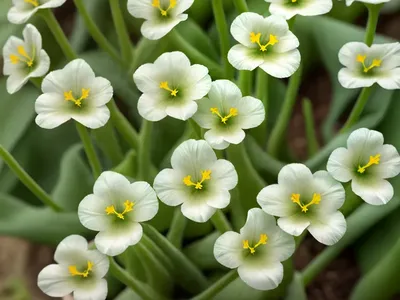
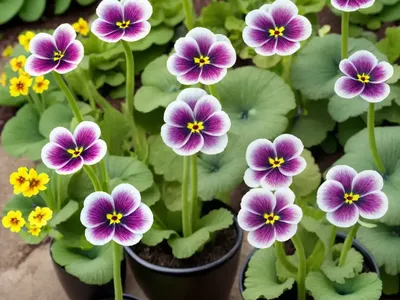
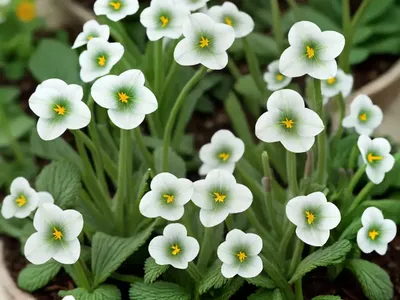
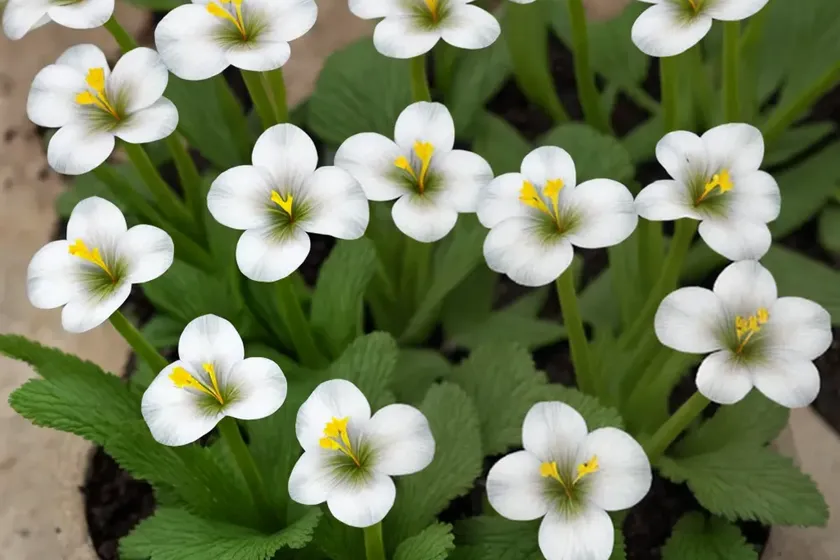
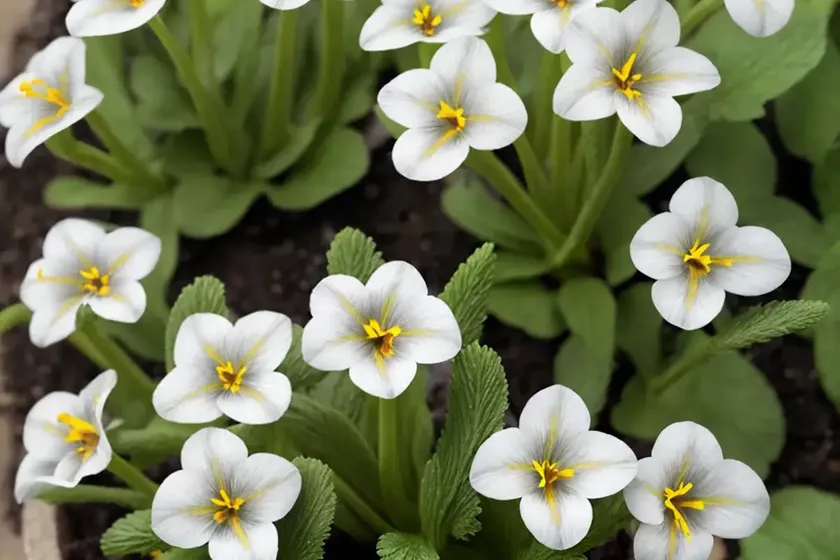
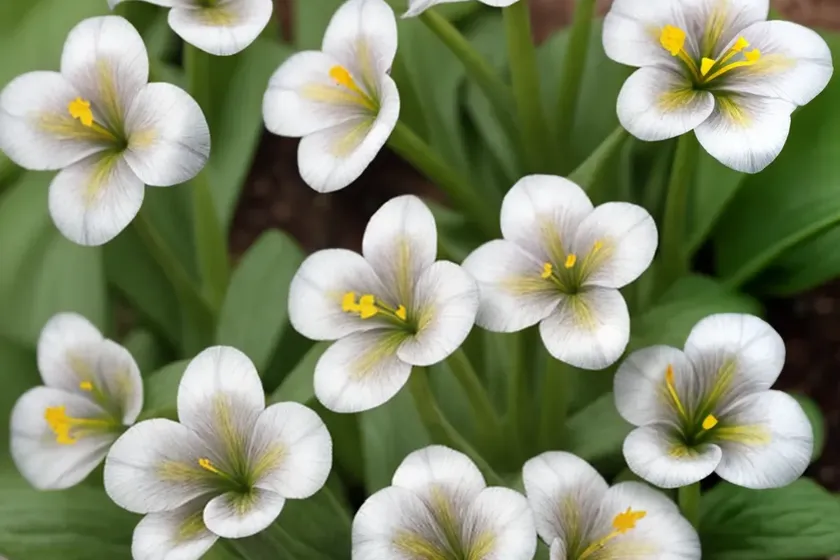
Primula Marginata, commonly known as Silver-Edged Primrose, is a delightful perennial plant that belongs to the Primulaceae family. It is native to the mountainous regions of the European Alps, where it thrives in the alpine meadows and woodland margins. Silver-Edged Primrose is celebrated for its charming flowers and attractive foliage, making it a popular choice among gardeners and plant enthusiasts.
With a combination of beautiful silver-edged leaves and vibrant flowers, Primula Marginata adds a touch of elegance to various landscapes. Its compact size and hardiness make it suitable for both outdoor gardens and indoor cultivation. This plant is well-loved for its ability to attract wildlife, such as bees and butterflies, adding further ecological value to its aesthetic appeal.
In this comprehensive guide, we will delve into the various aspects of caring for Primula Marginata, exploring its cultural requirements, uses, maintenance, and much more.
Key Takeaways – Primula Marginata (Silver-Edged Primrose)
Before diving into the specific care and cultivation aspects of Primula Marginata, let’s outline the key takeaways associated with this beautiful plant. These points will provide a snapshot of the essential considerations when it comes to growing and maintaining Silver-Edged Primrose.
- Plant Name: Primula Marginata (Silver-Edged Primrose)
- Family: Primulaceae
- Native Habitat: European Alps
- Growth Habit: Perennial
- Foliage: Silver-edged leaves
- Flowers: Vibrant and colorful blooms
- Cultural Uses: Ornamental plant, wildlife attraction
- Growing Zones: Suitable for alpine and cold-hardy regions
- Container Gardening: Well-suited for container arrangements
- Diseases and Pests: Susceptible to specific diseases and pests
By understanding these key points, we can move forward to explore the individual elements of caring for Primula Marginata.
Culture
Cultural practices play a crucial role in ensuring the healthy growth and development of Primula Marginata. From choosing the right soil to providing optimal sunlight, understanding the cultural requirements is essential for successful cultivation.
Uses
Silver-Edged Primrose boasts numerous applications in the realm of ornamental gardening. Its captivating appearance makes it an ideal choice for various landscape settings, including:
- Borders: The compact nature of Primula Marginata makes it perfect for edging borders in gardens and pathways.
- Containers: It thrives in containers, enriching patio and balcony spaces with its beauty.
- Rock Gardens: Suitable for rock gardens, adding color and texture to the rocky landscape.
- Woodland Gardens: Blends seamlessly in woodland settings, complementing other shade-tolerant plants.
Apart from its ornamental uses, Silver-Edged Primrose serves as a valuable plant for attracting wildlife, specifically pollinators like bees and butterflies. Its nectar-rich flowers are a welcome sight for these beneficial insects.
Water
When it comes to watering Primula Marginata, maintaining consistent soil moisture is key to its well-being. While it prefers moist conditions, the plant is susceptible to root rot if subjected to waterlogged soil. Therefore, it is essential to strike a balance and water the plant moderately, especially during the growing season. As a general rule, water the plant when the top inch of the soil feels dry to the touch.
During the winter months or periods of dormancy, reduce the frequency of watering to accommodate the plant’s decreased needs. Overwatering during these phases can have adverse effects on the plant’s health.
Sunlight
Primula Marginata thrives in partial shade to full shade conditions, making it a suitable choice for gardens with limited direct sunlight. In its natural habitat in the European Alps, the plant grows under the dappled shade of trees and rock crevices. When cultivating Silver-Edged Primrose, it is essential to provide it with the appropriate light conditions to ensure robust growth and prolific flowering.
Fertilizer
Prudent fertilization can significantly enhance the growth and blooming potential of Primula Marginata. During the growing season, applying a balanced, water-soluble fertilizer diluted to half-strength every 4-6 weeks can provide the necessary nutrients for healthy development.
However, it is crucial to avoid over-fertilization, as this can lead to an imbalance and adversely affect the plant’s health. Careful observation of the plant’s response to fertilization can guide the appropriate feeding regimen.
Soil
The soil composition profoundly influences Primula Marginata’s overall health and performance. It thrives in well-draining, humus-rich soil with a slightly acidic to neutral pH. A blend of organic matter, such as compost or leaf mold, incorporated into the soil can improve its texture and fertility, creating an ideal growing medium for the plant.
If planting Primula Marginata in containers, ensure the use of a high-quality potting mix that offers excellent drainage properties. This will prevent waterlogging and promote healthy root development.
Pruning
Pruning is an essential aspect of maintaining the attractive form and vigor of Primula Marginata. Regular deadheading of spent flowers not only promotes continuous blooming but also prevents the plant from expending energy on seed production, encouraging additional flower bud formation. Additionally, removing any damaged or diseased foliage helps safeguard the plant from potential diseases and maintains its aesthetic appeal.
It is advisable to conduct any necessary pruning or grooming of the plant during its dormant phase or immediately after the blooming season. This approach minimizes stress on the plant and allows it to allocate its resources effectively.
Propagation
Primula Marginata can be propagated through various methods, including division, seeds, and leaf cuttings.
- Division: The division of established clumps can be carried out in early spring or post-blooming season. It involves carefully separating the rooted sections and replanting them in suitable locations.
- Seeds: Collecting seeds from mature pods and sowing them in a conducive environment yields new plants. Patience is required, as germination can take several weeks.
- Leaf cuttings: Propagation via leaf cuttings involves selecting healthy leaves, inserting them into a suitable rooting medium, and providing the necessary conditions for root formation.
Each propagation method presents its unique requirements and challenges, but all provide the opportunity to expand one’s collection of Primula Marginata.
Container Popularity
The compact size and charming appeal of Primula Marginata make it a favored choice for container gardening. Whether displayed individually or in mixed arrangements, Silver-Edged Primrose enhances various outdoor and indoor settings with its visual allure. The versatility of container gardening allows for creative expression, enabling enthusiasts to experiment with different combinations and placements.
Common Diseases
Despite its resilience, Primula Marginata is susceptible to specific diseases that can impact its health and vitality. Understanding these common diseases and their management is crucial for protecting the plant and ensuring its longevity.
- Powdery Mildew: A fungal disease that manifests as powdery, white patches on the foliage. It thrives in humid conditions and can weaken the plant if left unaddressed. Applying fungicidal treatments and maintaining proper air circulation can help mitigate its impact.
- Root Rot: Excessive moisture or poor drainage can lead to root rot, causing the plant’s roots to decay. To combat this, it is essential to adjust the watering practices and ensure proper soil drainage to prevent waterlogging.
- Gray Mold (Botrytis): Gray mold presents as fuzzy, grayish patches on the plant’s foliage and flowers. It thrives in cool, humid conditions, making proper ventilation and spacing essential for prevention. Removing affected plant parts and applying fungicidal treatments can help manage its spread.
By monitoring the plant closely and implementing preventive measures, it is possible to mitigate the impact of these diseases and preserve the health of Primula Marginata.
Disease Diagnosis
Diagnosing plant diseases can be challenging, especially for inexperienced growers. However, specific symptoms and signs can indicate the presence of diseases, aiding in the early detection and treatment of issues affecting Primula Marginata.
- Visual Symptoms: Yellowing, wilting, or distortion of leaves can point to underlying problems. Additionally, the presence of abnormal spots, lesions, or discolorations on the foliage and stems signals potential issues.
- Fungal Growth: Fuzzy or powdery growth on the plant’s surface can indicate the presence of fungal diseases. These growths may vary in color and texture, providing crucial clues for diagnosis.
- Wilting and Decline: Sudden wilting, stunted growth, or overall decline in the plant’s vigor are indicative of underlying health issues that warrant further investigation.
Engaging in regular monitoring and promptly addressing any deviations from the plant’s normal appearance can aid in preventing the escalation of diseases.
Common Pests
Primula Marginata is relatively resistant to pest infestations, but it can still fall victim to specific pests that pose a threat to its well-being.
- Aphids: These small, sap-sucking insects can colonize the plant and weaken it over time. Regular inspection and the application of insecticidal soap can help manage aphid populations effectively.
- Spider Mites: These minuscule pests thrive in dry conditions and can cause stippling and webbing on the plant’s foliage. Maintaining adequate humidity levels and employing miticides when necessary can control their presence.
- Slugs and Snails: These mollusks can feast on the tender foliage of Primula Marginata, causing significant damage. Physical barriers, such as copper tape or diatomaceous earth, can help deter them from reaching the plant.
By closely monitoring the plant and implementing integrated pest management practices, it is possible to safeguard Primula Marginata from the detrimental effects of pest infestations.
Botanist’s Tips
As a plant scientist, I share the following tips to enhance the cultivation and enjoyment of Primula Marginata:
- Seasonal Care: Adapt the care regimen of Primula Marginata to align with seasonal variations. From adjusting watering frequencies to providing adequate protection during extreme weather conditions, seasonal care plays a pivotal role in the plant’s well-being.
- Companion Planting: Pair Primula Marginata with suitable companion plants to create visually appealing combinations and foster mutually beneficial relationships in the garden. Consider shade-tolerant companions that complement its growth habits and cultural requirements.
- Wildlife Attraction: Leverage the wildlife-attracting qualities of Primula Marginata by incorporating it into wildlife-friendly garden designs. Creating habitats for beneficial insects and other wildlife enhances the ecological value of the landscape while celebrating the plant’s ornamental attributes.
By integrating these tips into the care and utilization of Primula Marginata, enthusiasts can elevate their gardening experiences and foster the optimal growth of this captivating plant.
Fun Facts
To enhance our appreciation for Primula Marginata, let’s explore some intriguing and delightful facts about this remarkable plant:
- Historical Significance: The genus Primula traces its roots to ancient Greek and Roman cultures, where the plant was associated with various myths and legends, lending it a rich historical background.
- Color Variations: While the classic Silver-Edged Primrose features silver-edged leaves and vibrant blooms, the species boasts various color variations and cultivars, offering a spectrum of options for enthusiasts.
- Alpine Adaptation: Primula Marginata’s natural habitat in the European Alps underscores its adaptability to alpine conditions, making it a robust choice for cold-hardy and challenging landscapes.
- Herbal Uses: Certain species within the Primula genus have historical and contemporary herbal applications, with specific herbal remedies leveraging the plant’s medicinal properties.
These fun facts provide a deeper understanding of Primula Marginata’s legacy and diversity, enriching our connection to this enchanting plant.
Links to External Resources
To further expand your knowledge and appreciation for Primula Marginata, I recommend exploring the following external resources:
- Royal Horticultural Society – Primula Marginata
- Missouri Botanical Garden – Growing Primula Marginata
- The Alpine Garden Society – Silver-Edged Primrose Planting Tips
- American Primrose Society – Primula Marginata Varieties
- University Extension Services – Silver-Edged Primrose Cultivation Guide
These resources offer a wealth of information, insights, and expertise on Primula Marginata, ensuring a comprehensive exploration of its cultivation, uses, and diverse characteristics.
In conclusion, Primula Marginata (Silver-Edged Primrose) stands as a captivating and versatile plant that enriches gardens, landscapes, and indoor spaces with its inherent beauty and ecological value. By embracing its cultural requirements, leveraging its diverse uses, and mitigating potential challenges, enthusiasts can cultivate and appreciate this remarkable plant to the fullest.
Through attentive care, creativity in utilization, and ongoing learning from authoritative resources, the legacy of Primula Marginata continues to flourish, leaving an enduring impact on gardeners, plant enthusiasts, and nature appreciators worldwide.
I hope this comprehensive guide serves as a valuable resource for all those seeking to embark on the rewarding journey of cultivating and celebrating Primula Marginata.
Happy gardening!